Compare fillers

Drs. Tom van Eijk
Comparing dermal fillers means looking beyond the cheapest treatment or the most familiar brand. A useful comparison considers the filler type, treatment area, practitioner, exact product, total cost, reviews, before-and-after examples, risks and aftercare.
The right option can differ depending on what is being treated, your anatomy, the intended change and the product being considered. A practitioner should assess these factors during a consultation rather than selecting treatment from price or brand alone.
This page explains how to compare filler treatments and providers before deciding whether you want to request a consultation.
If you are still researching the treatment itself, start with our guide to dermal fillers.
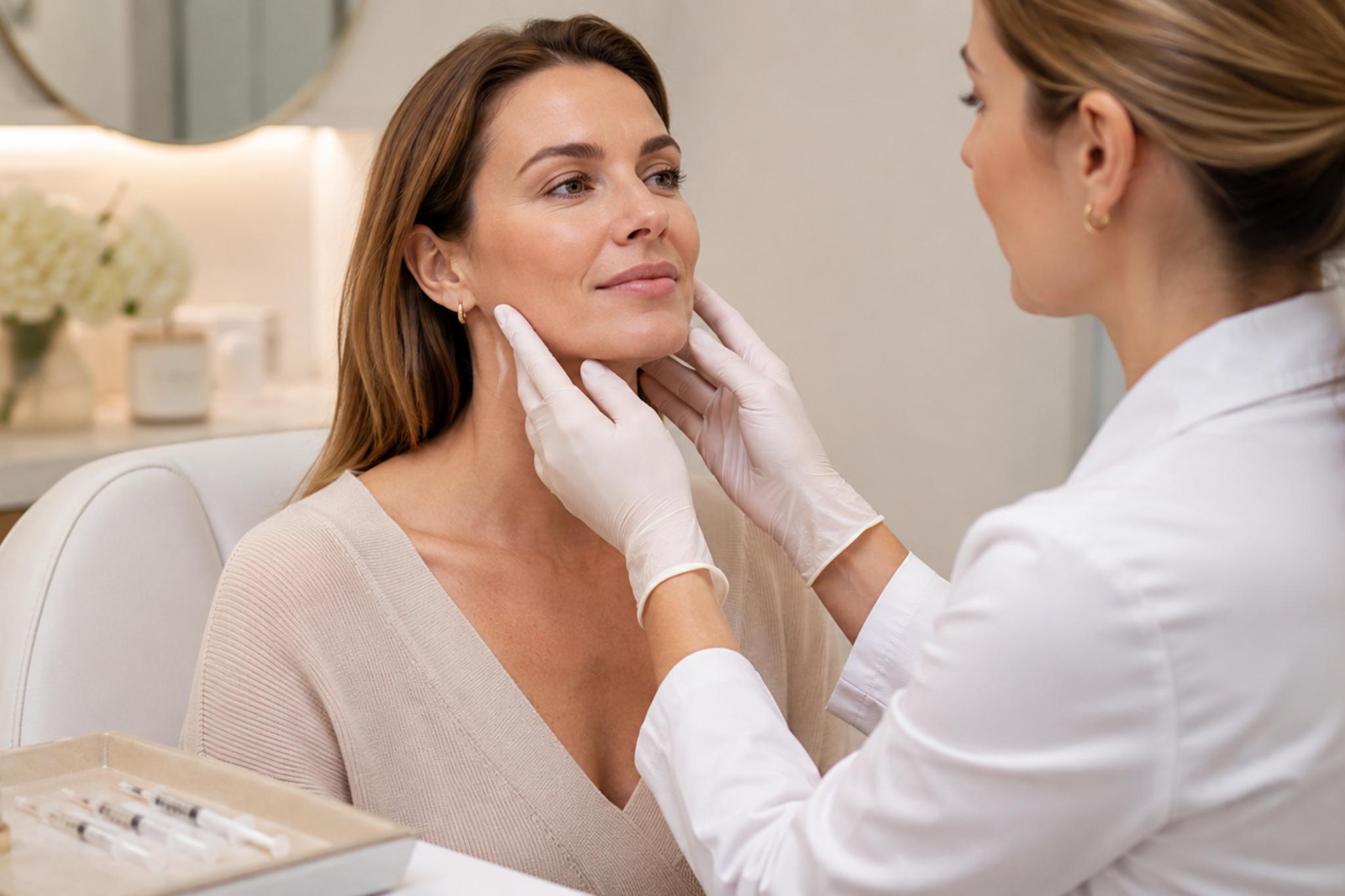
Find and compare local filler clinics
Compare on experience & price Make an appointment immediately
How to compare fillers step by step
- 1 Define the treatment area you want to discuss
- 2 Compare the type of filler being proposed
- 3 Check who will perform the treatment
- 4 Compare the exact product and amount proposed
- 5 Compare the full price, not only the headline price
- 6 Review before-and-after examples and relevant reviews
- 7 Check risks, aftercare and complication support
What should you compare before choosing fillers?
A meaningful filler comparison starts by making sure you are actually comparing similar treatments. Two clinics may both advertise “fillers” while proposing different products, quantities, techniques or treatment areas.
Check the following before comparing the final price:
Treatment area
Ask exactly which area is being treated and what the proposed treatment is intended to change. Treating the lips, cheeks, jawline or under-eye area involves different anatomy and treatment planning.
Practitioner
Check the professional background, relevant training and experience of the person who will actually perform the treatment. Experience with fillers generally is useful, but experience with the specific anatomical area also matters.
Exact product
Ask for the name of the filler product and why that particular product is being considered. A brand may contain several products with different characteristics and intended uses.
Amount
Check how much product is proposed. A price for 0.5 ml cannot be compared directly with a quote based on 1 ml or a multi-area treatment plan.
What the price includes
Find out whether the stated amount includes the consultation, treatment, review appointment, aftercare and any follow-up policy.
Risks and follow-up
Before deciding, you should know which temporary reactions and complications have been discussed, who you contact if you are concerned and what support is available after treatment.
For a more detailed explanation of the procedure itself, see how dermal fillers work.
Compare filler types before comparing brands
“Filler” is not one single product category. Before comparing brand names, establish what type of injectable is actually being proposed and why.
Hyaluronic acid fillers
Hyaluronic acid fillers are commonly used when the treatment plan involves adding or restoring volume, changing contour or softening selected lines. Different products within this category vary in their characteristics and intended use.
Biostimulating fillers
Biostimulating treatments are used differently from conventional hyaluronic acid volume fillers. Their effects may develop more gradually because part of the treatment objective involves stimulating tissue responses such as collagen production.
Permanent fillers
Permanent fillers should not be treated as interchangeable with temporary fillers. Their persistence makes product choice and management of an unwanted outcome materially different.
There is therefore no single filler type that is automatically the “best”. The relevant comparison is whether the product characteristics fit the treatment area, intended outcome and individual treatment plan.
For a focused comparison of two major categories, read hyaluronic acid fillers vs biostimulating fillers.
Compare filler treatments by facial area
The treatment area matters because the same filler, quantity or technique is not automatically appropriate across the whole face.
For comparison purposes, ask whether the practitioner regularly treats the particular area you are considering and whether their before-and-after examples include comparable cases.
Common treatment areas include the lips, cheeks, chin, jawline, under-eye area, nasolabial folds, marionette lines and other facial areas.
Do not compare these only by the amount of filler used. Anatomy, movement, tissue characteristics and the treatment objective differ between areas, so a “1 ml treatment” in one area is not automatically equivalent to 1 ml somewhere else.
For an overview of treatment areas, see face fillers.
How to compare filler prices fairly
Filler prices cannot always be compared from the headline figure alone. One clinic may price by ml, another by treatment area, while another may provide a treatment-plan price.
Before comparing two quotes, check:
the quantity of product included;
the treatment area;
the exact filler being proposed;
whether consultation fees apply;
whether review or follow-up is included;
whether the quoted amount is a fixed treatment price or a starting price;
whether more than one treatment area is included.
A lower price does not automatically mean poorer treatment, just as a higher price does not guarantee a better result. Price becomes more useful when you compare like with like and understand exactly what is included.
For dedicated UK pricing information, use the dermal filler cost guide.
How to compare filler clinics and practitioners
A clinic comparison should tell you more than the distance from your home and the advertised treatment price.
Check who will actually treat you
The person shown most prominently on a clinic website is not necessarily the person who will perform your treatment. Check the name, professional background, filler-specific training and relevant experience of the practitioner you will actually see.
Where a practitioner belongs to a regulated healthcare profession, you can also verify the relevant professional registration. Registration alone, however, does not prove extensive experience with fillers or with a particular facial area.
Compare relevant experience
Ask about experience with the exact treatment area rather than only general experience in aesthetics.
Someone who frequently treats lips, for example, may not have the same depth of experience with a technically different area.
Check product transparency
The clinic should be able to tell you which product is proposed and why. You can also ask where the product came from and whether written product information is available.
Look at the consultation process
The consultation should give you an opportunity to discuss what you want to change, alternatives, limitations, possible side effects and complications, the proposed treatment plan and the full cost.
You should also have the option to decide not to proceed.
Check aftercare before treatment
Find out how to contact the clinic after treatment, whether follow-up is available and what happens if you develop a concern or are unhappy with the outcome.
For a dedicated provider-selection checklist, read how to choose a filler clinic.
Compare clinics in United Kingdom

- Filler from
- £ 250,00



- Filler from
- £ 250,00


- Filler from
- £ 250,00

- Filler from
- £ 250,00

- Filler from
- £ 250,00

- Filler from
- £ 250,00

- Filler from
- £ 250,00

- Filler from
- £ 250,00
Compare reviews of filler treatments
I’m looking forward to seeing the final results once everything has settled down. Show less »
What I love most about Dr Jane is how caring and attentive she is. She takes the time to really understand exactly what I’m hoping to achieve and the aesthetics I am going for, but she is also incredibly honest and knowledgeable about what will — and won’t — work. I really value that she never just does something because a patient asks for it; she uses her expertise and incredible eye for aesthetics to create what she knows will look beautiful and natural.
Her attention to detail is exceptional, and the final result is always impeccable and exactly the aesthetic I was going for. She has such an incredible understanding of facial balance and proportion, and I completely trust her judgement.
Most importantly, patient safety is clearly her absolute first priority. I always feel completely at ease and in the safest hands when I’m being treated by her.
Dr Jane is genuinely exceptional at what she does, and I wouldn’t trust anyone else with my face. Thank you, Dr Jane, for always making me feel so looked after and for delivering such beautiful results. ❤️
She is incredibly caring, attentive and genuinely invested in achieving the best and most natural results for her patients. I’m so happy I followed her advice, as I have complete trust in her expertise and judgement.
I feel very lucky to have found such a highly skilled and caring doctor, and I’m very happy to remain her patient for many more years to come. I wouldn’t hesitate to recommend her to anyone looking for an aesthetics doctor who truly puts her patients first. Show less »
Tamsin has a real eye for knowing exactly which areas need a little tweaking to keep everything looking natural. I’ve also seen one of her colleagues, who was equally wonderful.
It’s so reassuring to know that everyone treating you at the clinic is a doctor, so you really feel you’re in the best hands.
And a special shout-out to the lovely Ava on reception, who is always so welcoming! ❤️
I honestly couldn’t recommend Tamsin and the team highly enough! Show less »
Before I even arrived, Mehran had already taken the time to explain everything and make sure I fully understood the treatment. At the clinic, he explained everything clearly on what he was doing, the products he was using and the aftercare.
He then took pictures, marked the areas with precision.
The treatment itself was honestly painless. If you are nervous about needles, Mehran is absolutely the person to go to. He puts you completely at ease, talks you through every stage, and somehow makes sure you actually don't see the needle!
What impressed me most was the care he took. He would step back, look at my face from different angles, adjust things slightly and only continue when he was happy.
You can really see he puts passion in what he does.
I left genuinely amazed and already know I will be going back to Mehran again.
I honestly cannot recommend him enough. Show less »
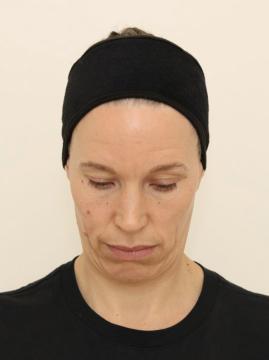
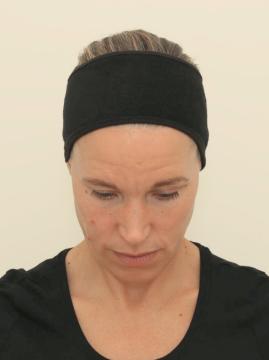
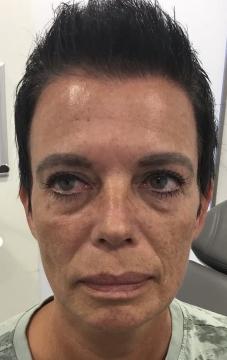
How to compare filler before-and-after photos
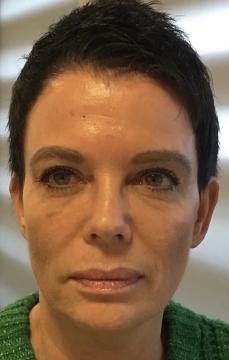
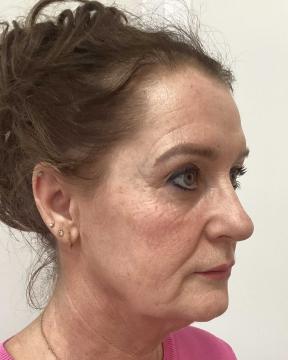
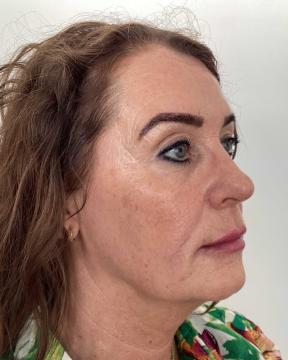
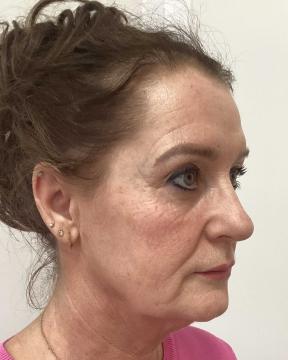
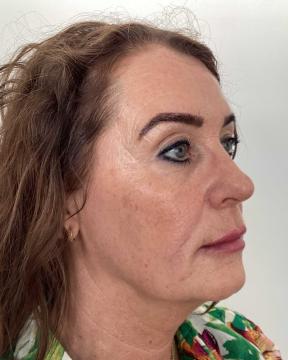
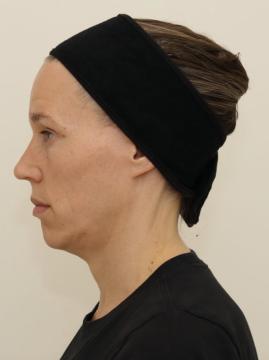
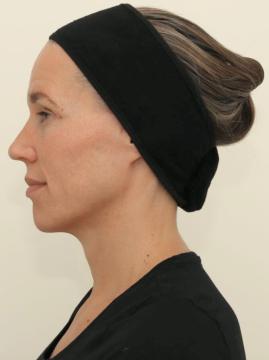
Before-and-after photographs can show examples of a practitioner's work, but they should be compared critically.
Look for images with:
a similar camera angle;
similar lighting;
a similar facial expression;
a clearly identified treatment area;
information about when the after photograph was taken;
minimal filtering or image manipulation.
An image taken immediately after treatment may include swelling and should not automatically be treated as the final result.
Also look for several relevant examples rather than choosing a clinic because of one dramatic transformation. Another person's result does not predict what will happen in your own case.
See more examples and guidance on our fillers before and after page.
Before and after photos of dermal fillers


Risks and aftercare to compare before choosing a filler clinic
Risks and aftercare are part of a meaningful filler comparison. Before treatment, check what the practitioner explains about expected reactions, possible complications and what support is available if you have concerns afterwards.
Temporary reactions after fillers
Swelling, redness, tenderness and bruising can occur after dermal filler injections. The extent and duration can vary between individuals, products and treatment areas.
Ask what you may reasonably expect after your proposed treatment and when the clinic would want you to contact them.
For more detail, see the guide to filler side effects.
Ask how complications are managed
Temporary reactions are not the same as complications. When comparing providers, ask which complications are discussed during consultation and what process the clinic follows if an unexpected problem develops.
Useful questions include:
Who should you contact if you are concerned?
Is clinical advice available after treatment?
How quickly can the clinic assess a possible complication?
Who would manage the problem?
Is follow-up included or charged separately?
The purpose is not to find a clinic that claims complications never happen. It is to understand how risks are explained and how concerns would be managed.
Check whether the proposed filler can be dissolved
Some hyaluronic acid fillers may be treated with hyaluronidase when clinically appropriate. This does not mean every filler type or every unwanted outcome can simply be reversed.
When comparing treatments, ask which product is being proposed and what management options would be available if a problem occurred.
Compare aftercare and follow-up
Aftercare should be clear before treatment, not only after the procedure has been completed.
Check whether the clinic explains:
what reactions may occur;
what you should monitor during recovery;
how to contact the clinic;
whether a review appointment is available;
what happens if you are unhappy with the outcome;
whether additional assessment or treatment could involve extra costs.
A clear follow-up process helps you compare the complete treatment pathway, rather than judging a clinic only by the injection appointment itself.
Frequently asked questions about comparing fillers
How do I compare dermal fillers?
Compare the treatment area, filler type, exact product, proposed amount, practitioner experience, total price, reviews, before-and-after examples, risks and aftercare. Compare the complete treatment plan rather than one headline price.
What should I check when comparing filler practitioners?
Check who will actually perform the treatment, their professional background where relevant, filler-specific training, experience with the treatment area and what support they provide if a complication or concern develops.
Is the filler brand or practitioner more important?
Both can matter, but a brand name alone does not show whether a product is appropriate for a particular person or treatment area. Ask why the exact product has been selected and what relevant experience the practitioner has using it.
Should I compare fillers by price per ml?
Price per ml can help when two treatments are genuinely comparable. Check the product, quantity, treatment area and what is included before treating two per-ml prices as equivalent.
Is a cheaper filler treatment less safe?
Not automatically. Price alone does not establish safety or quality. Compare the practitioner, product transparency, consultation, treatment plan, risks, aftercare and total cost alongside the price.
Which type of filler is best?
There is no single filler that is best for everyone. Product choice depends on factors such as the treatment area, anatomy, treatment objective and the characteristics of the product being considered.
Can I use before-and-after photos to compare clinics?
Yes, but compare relevant cases and check lighting, angle, facial expression and when the after photograph was taken. Another person's result cannot predict your own.
Are filler reviews enough to choose a clinic?
No. Reviews can provide useful context about consultation, communication and aftercare, but they are not proof of medical safety or a guarantee that you will have the same experience.
Can all fillers be dissolved?
No. Some hyaluronic acid fillers may be treated with hyaluronidase when clinically appropriate, but not every filler type can be dissolved in this way.
How long do fillers last?
Duration varies between products, treatment areas and individuals. Longevity is useful to compare, but it should be considered alongside product suitability, risks, treatment goals and possible management of an unwanted outcome.