Fillers before and after

Drs. Tom van Eijk
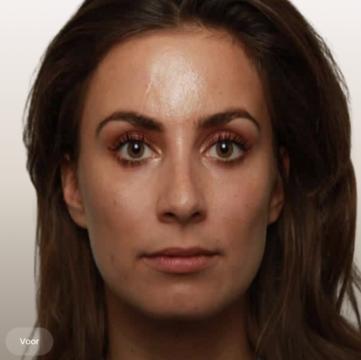
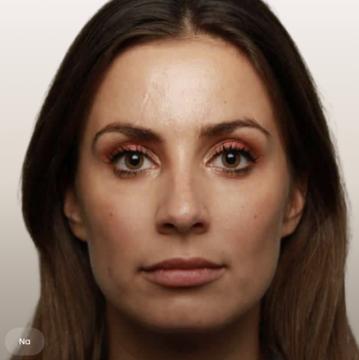
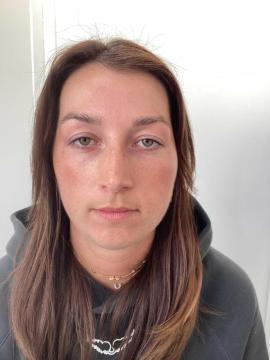
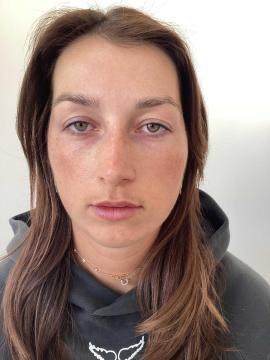
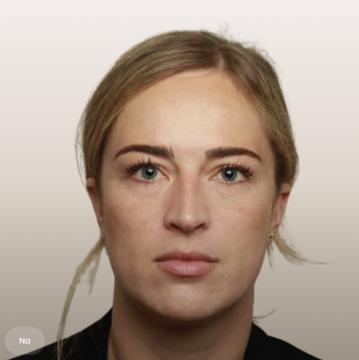
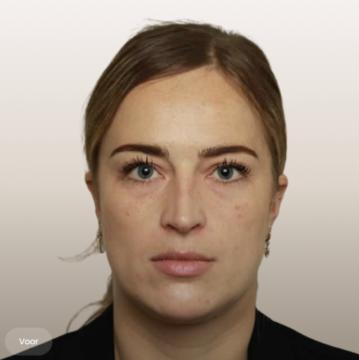
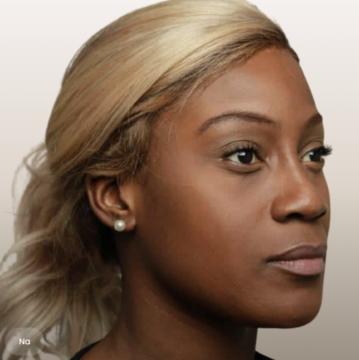
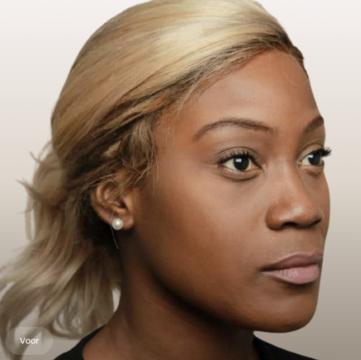
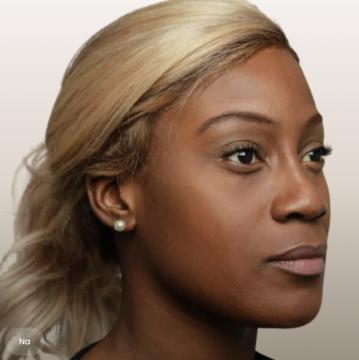
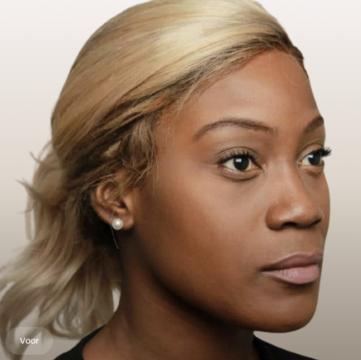
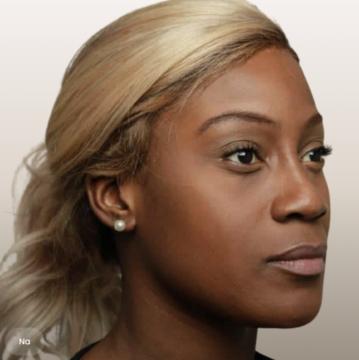
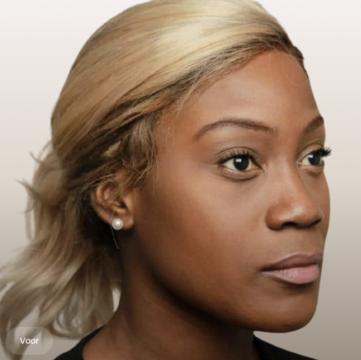
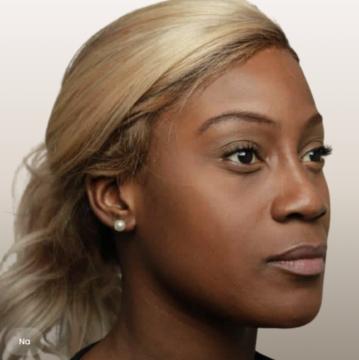
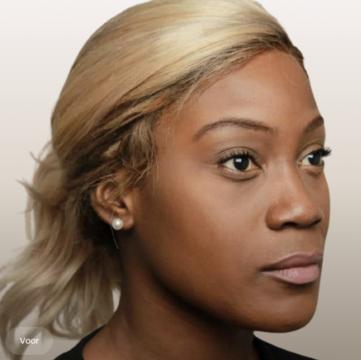
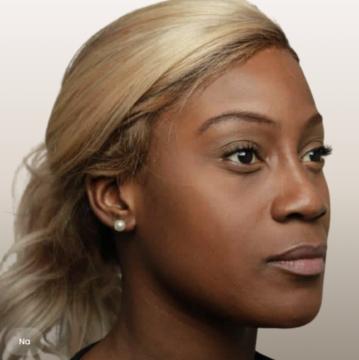
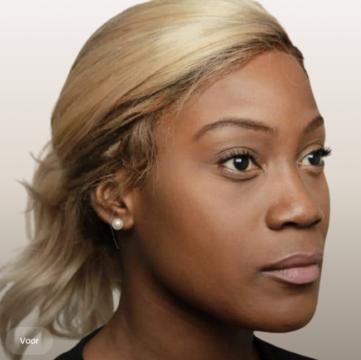
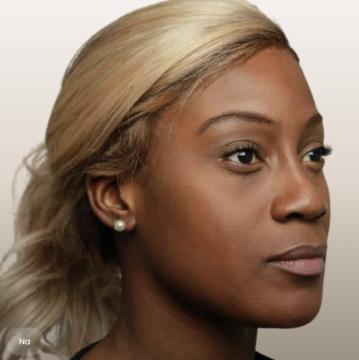
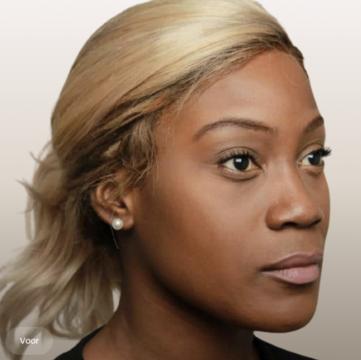
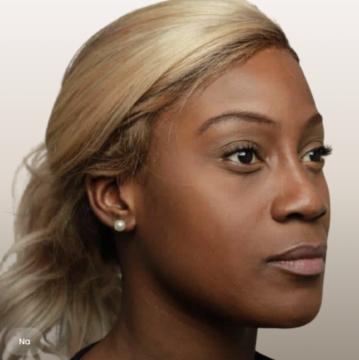
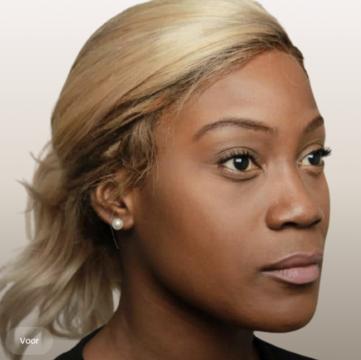
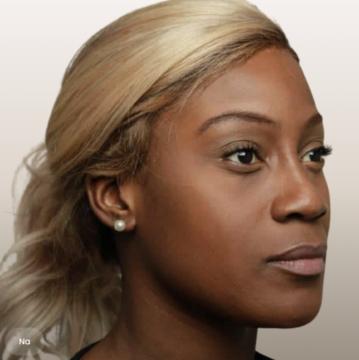
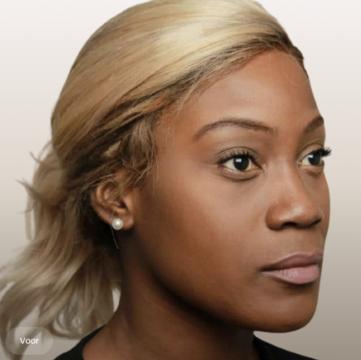
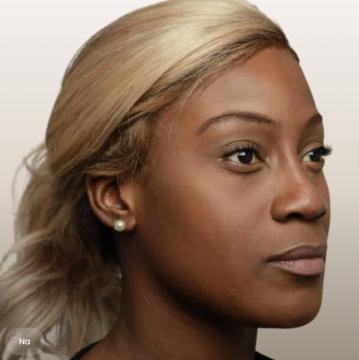
Fillers before and after photos can help you compare the type of visible change achieved in different treatment areas and by different practitioners. You may see differences in facial volume, contour, projection or proportions, but the photographs cannot predict exactly what your own result would look like.
When comparing filler results, do not look only at which photo shows the biggest transformation. Check:
the treatment area;
when the after photo was taken;
whether the lighting, angle and facial expression are comparable;
how much filler was used, if stated;
whether the same conditions were used for both photographs;
who performed the treatment.
Your own result can differ because anatomy, skin characteristics, treatment plan, product choice, amount used and recovery all affect the outcome.
Before-and-after photographs are examples of individual results, not guarantees of a similar outcome.
If you want the broader treatment overview first, read what fillers are.
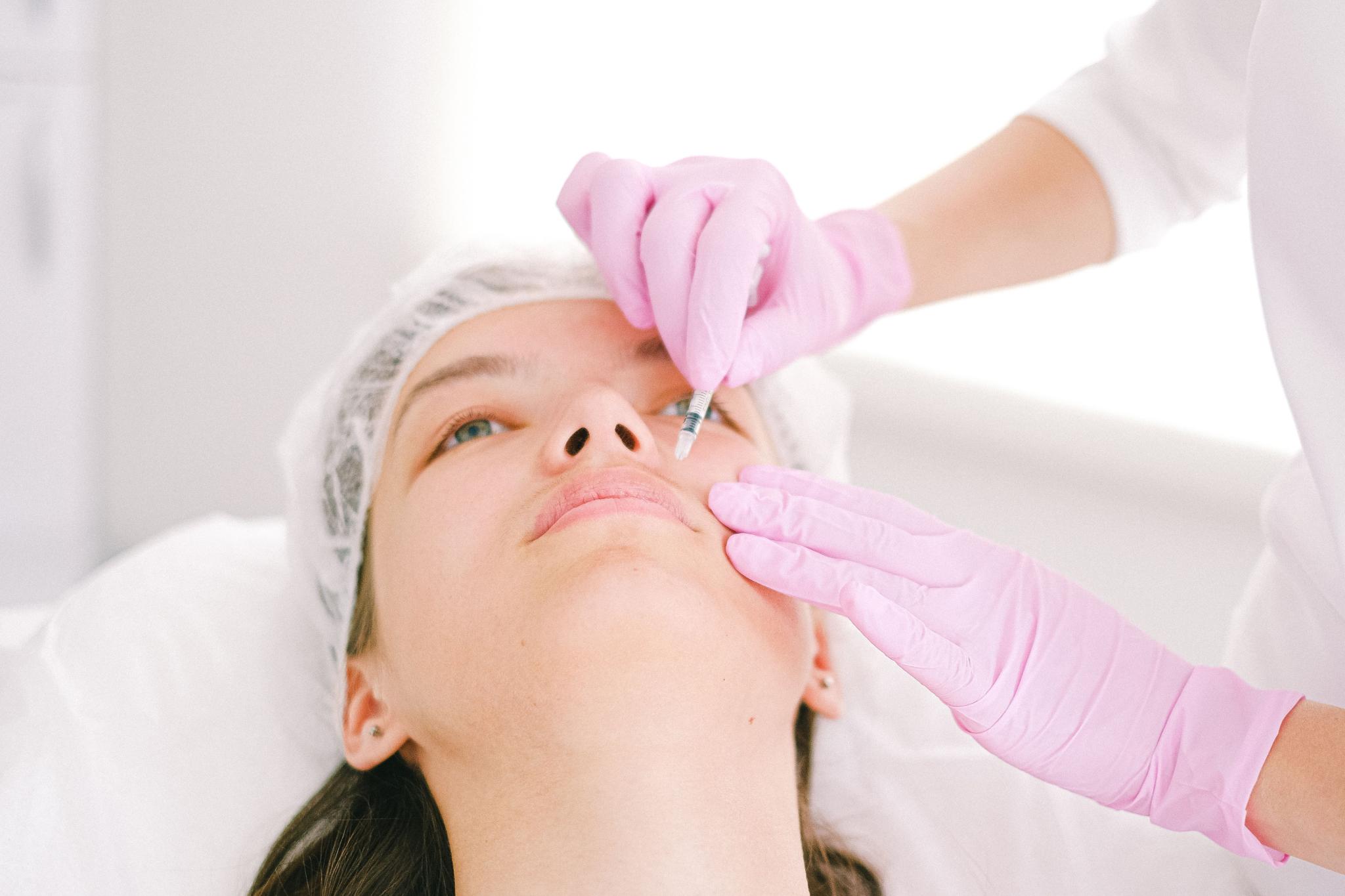
What can fillers change?
Fillers are used in different areas of the face depending on the person’s anatomy and treatment goal. Before-and-after photos may show changes such as:
restored volume in areas affected by facial volume loss;
increased cheek or cheekbone definition;
changes to chin projection or facial balance;
a more defined jawline;
changes to lip shape, contour or volume;
softening of nasolabial folds or marionette lines;
a smoother transition between the under-eye area and cheek;
temporary changes to the profile of the nose;
improved balance between several facial areas.
The result may be subtle or more noticeable. A small change can still affect overall facial balance, while a larger visible result is not automatically more natural or more appropriate.
A result shown in a photograph should be treated as one example, not as a prediction of your own outcome.
View fillers before and after by treatment area
The most useful galleries separate results by treatment area. They should also explain when the after photo was taken and, where known, how much filler was used.
A photograph is more informative when it states:
the treatment area;
the amount used;
the product or filler category;
whether one or several areas were treated;
the number of treatment sessions;
when the after photograph was taken;
whether the photograph shows an immediate or settled result;
the practitioner and treatment centre.
Missing information should not be estimated.
Compare several results from the same practitioner where possible. One particularly noticeable result does not provide a complete picture of their usual treatment style.
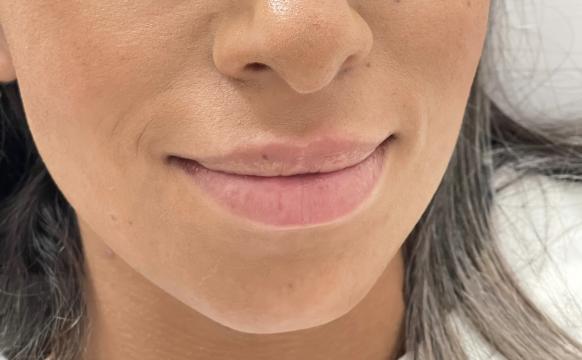
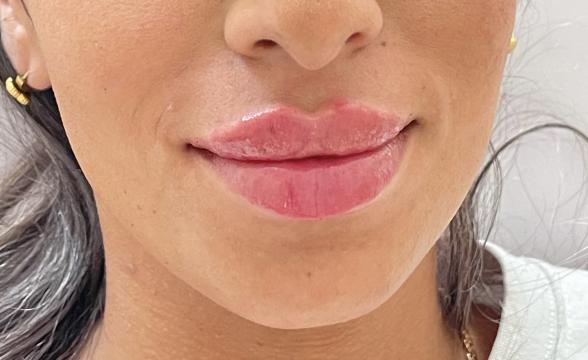
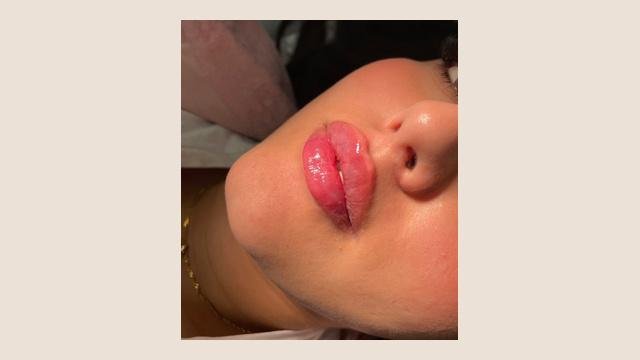
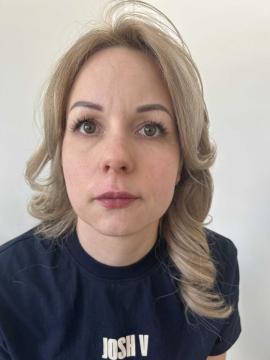
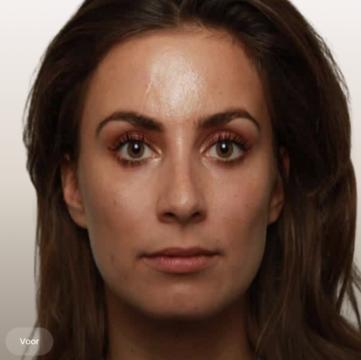
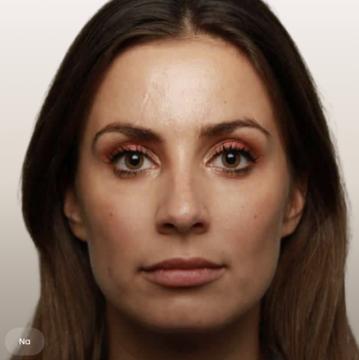
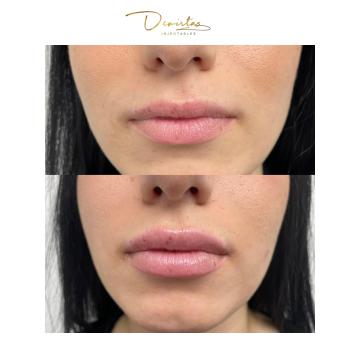
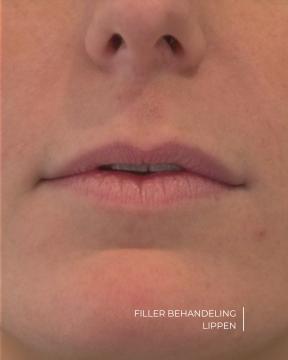
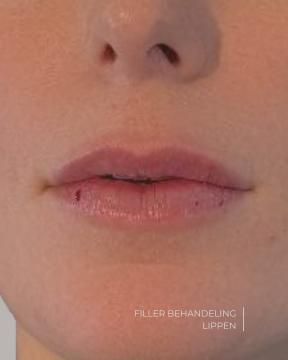
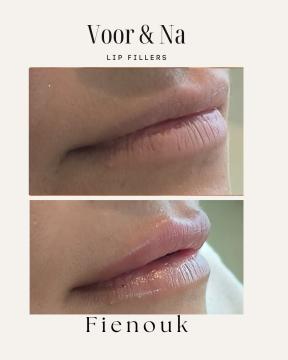
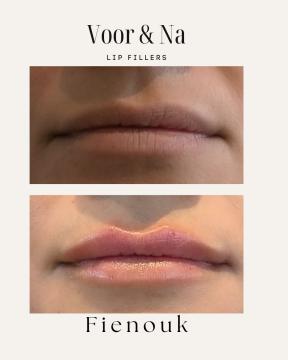
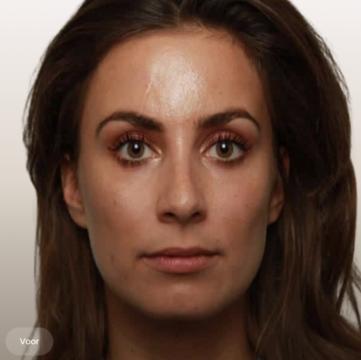
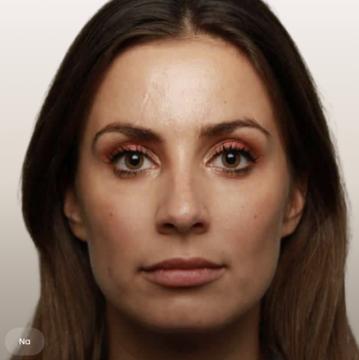
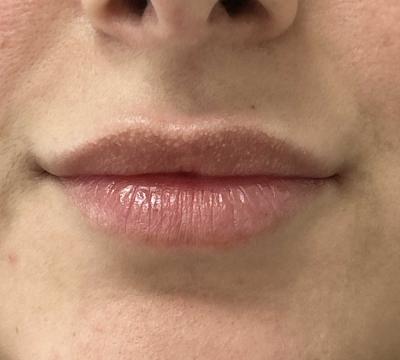
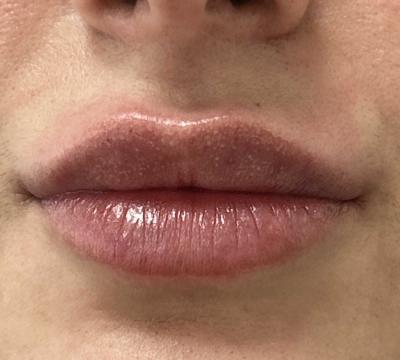
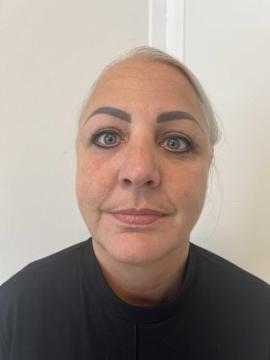
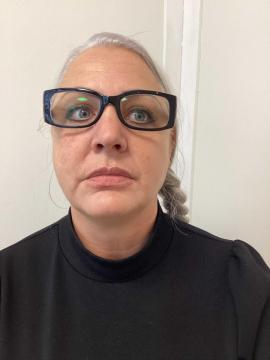
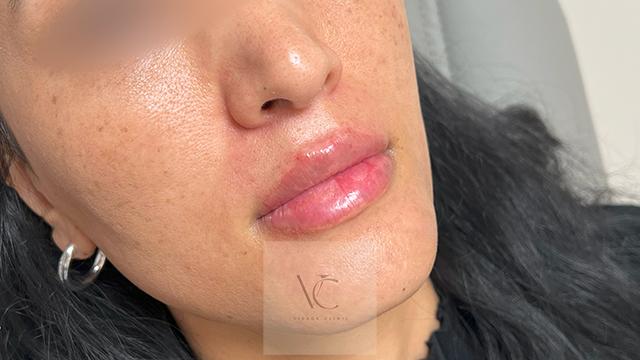
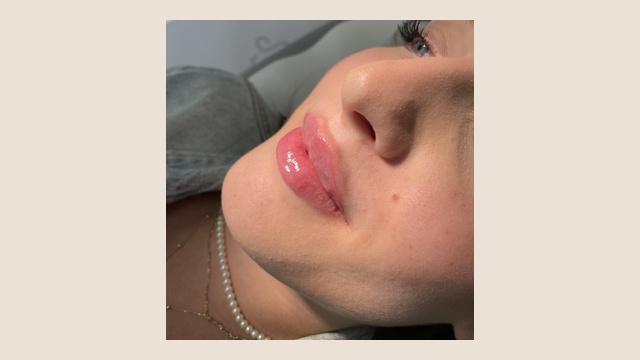
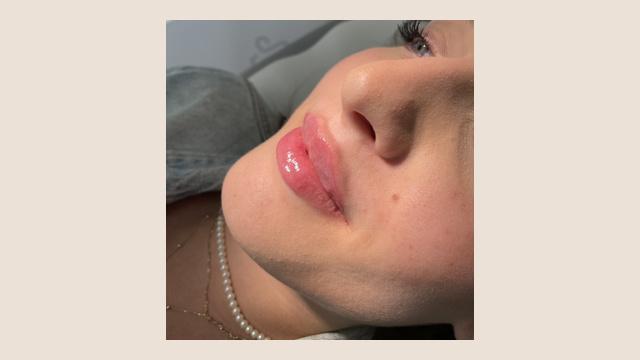
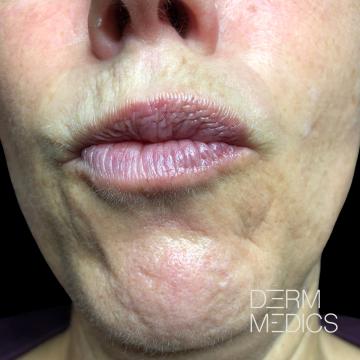
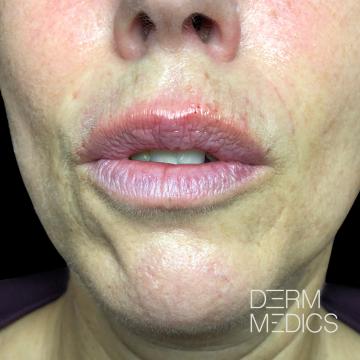
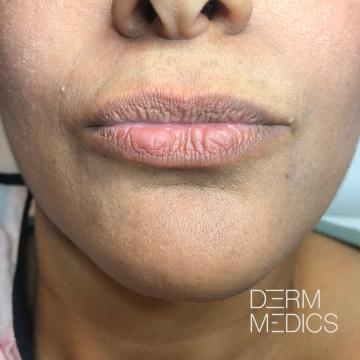
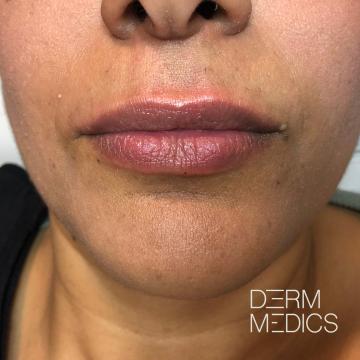
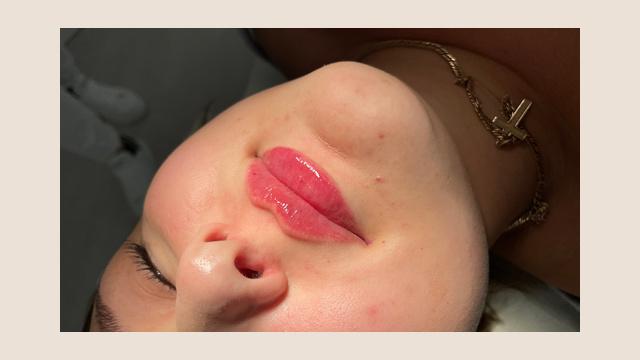
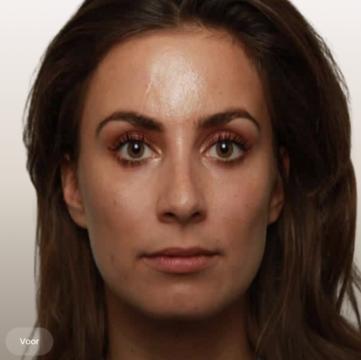
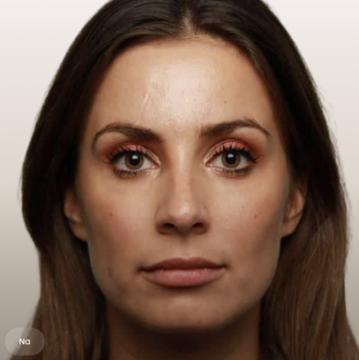
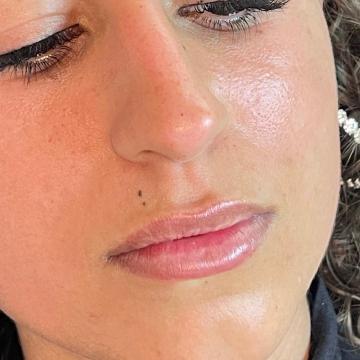
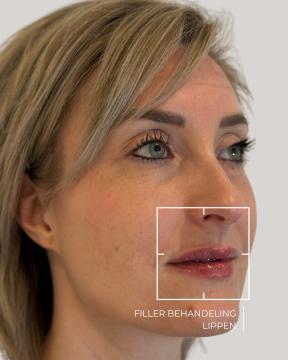
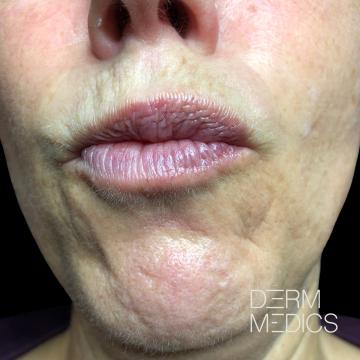
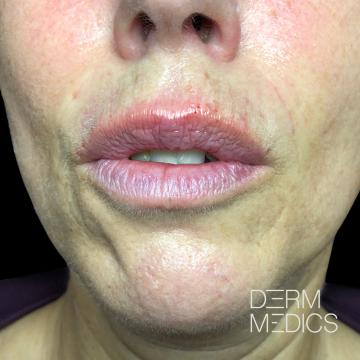
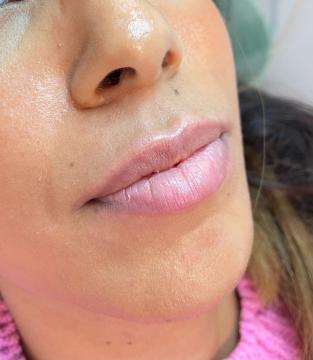
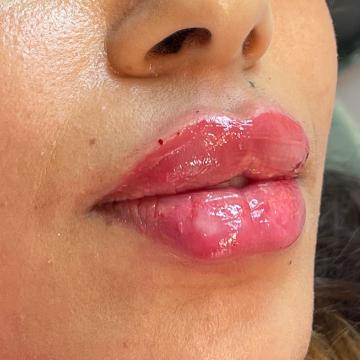
Lip fillers before and after
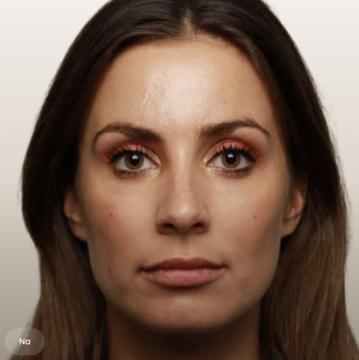
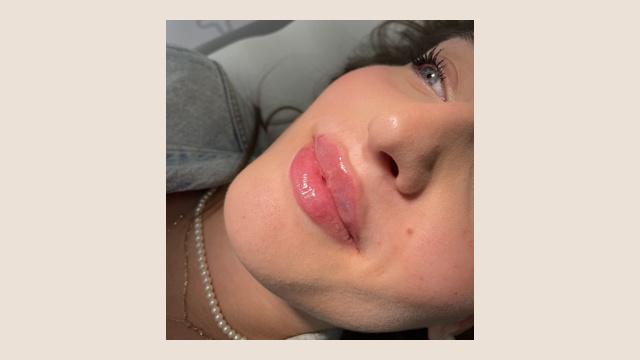
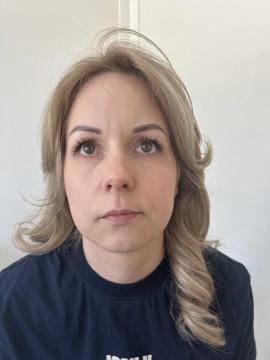
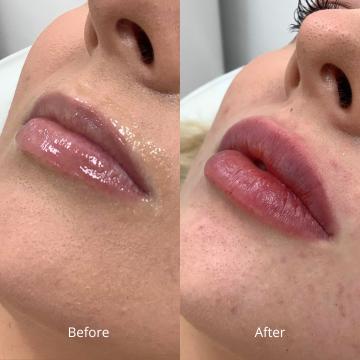
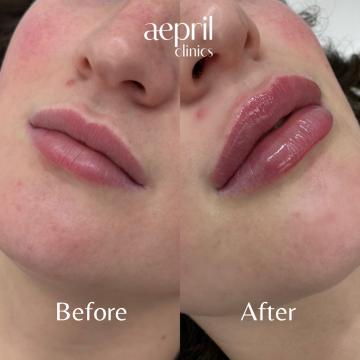
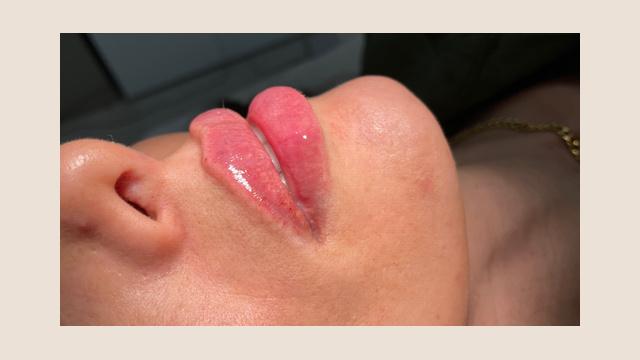
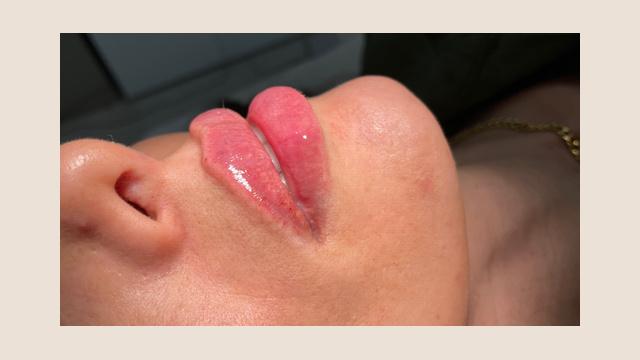
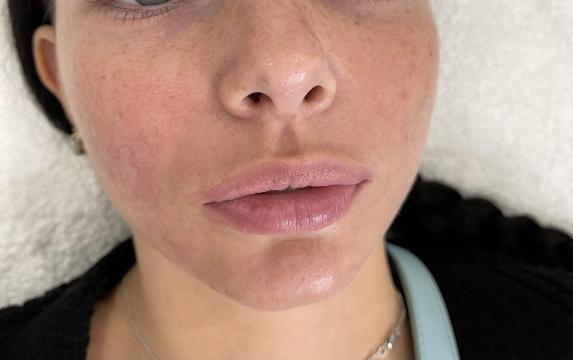
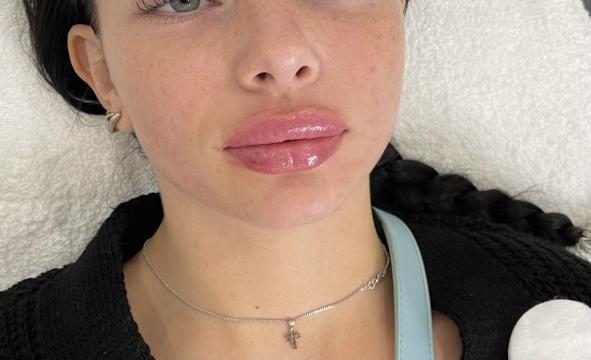
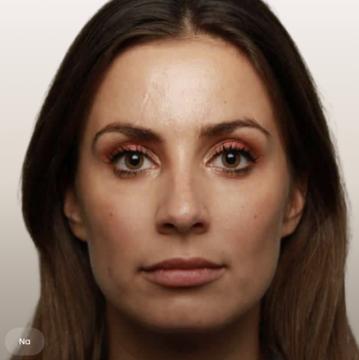
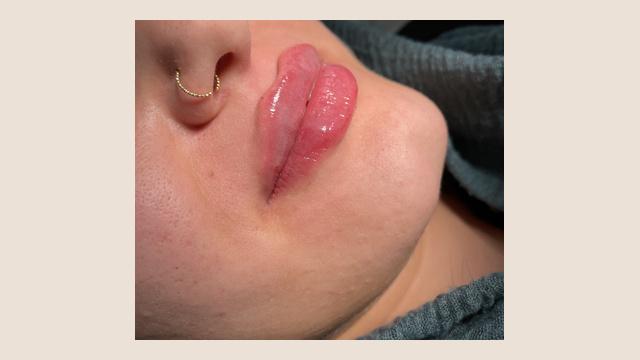
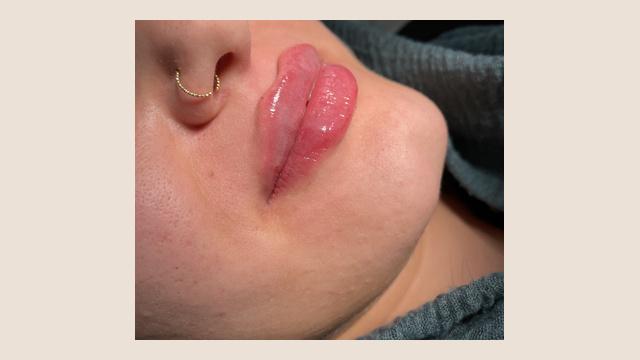
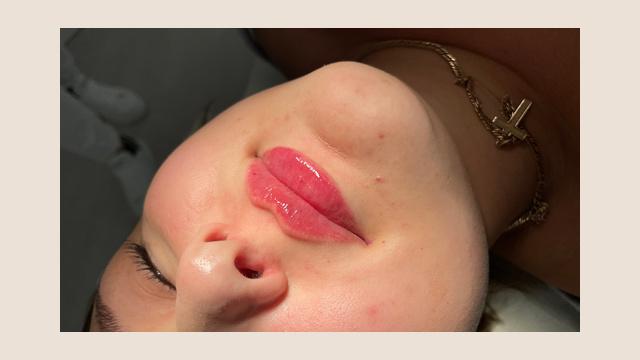
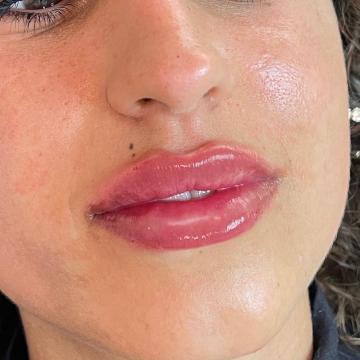
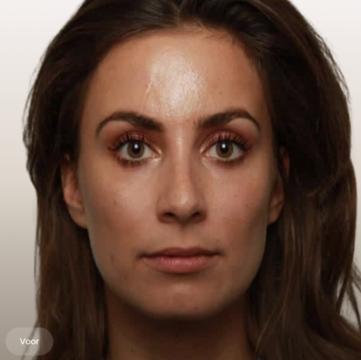
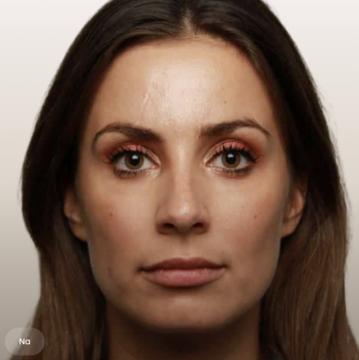
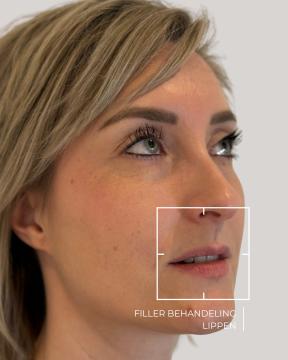
Lip fillers may change the shape, border, proportions or volume of the lips. The visible result depends on the natural lip shape, the amount used and where the product is placed.
Photos taken immediately after treatment may show temporary swelling. A later photograph usually gives a clearer view of the settled shape and proportions.
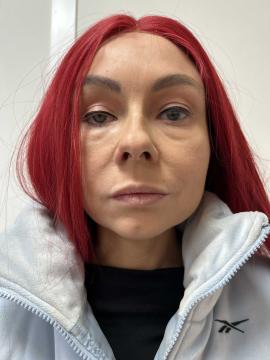
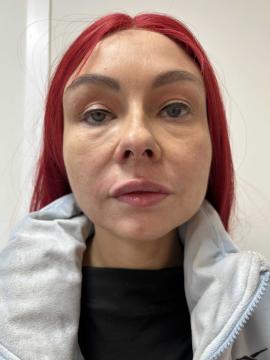
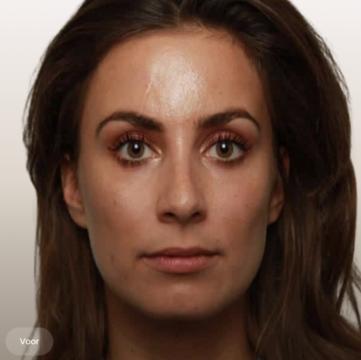
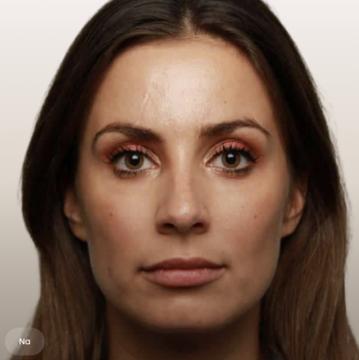
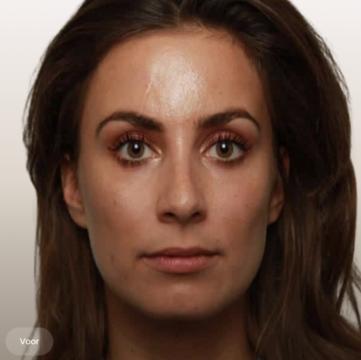
Lip fillers before and after


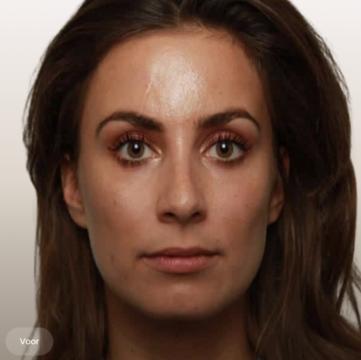
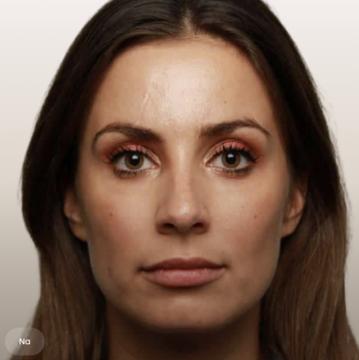















































Chin fillers before and after
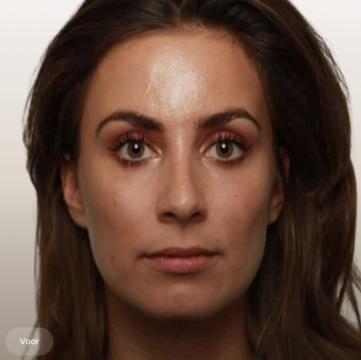
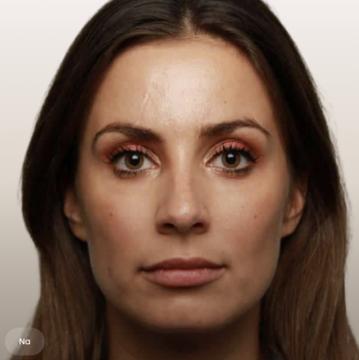
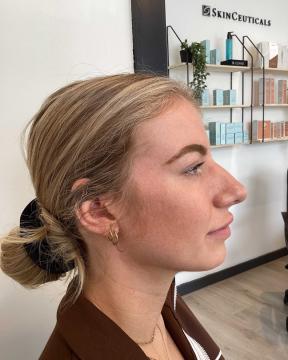
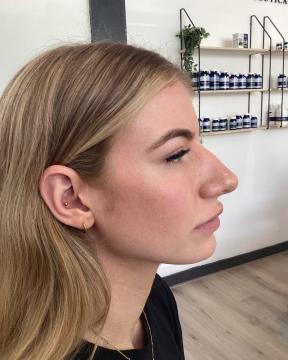
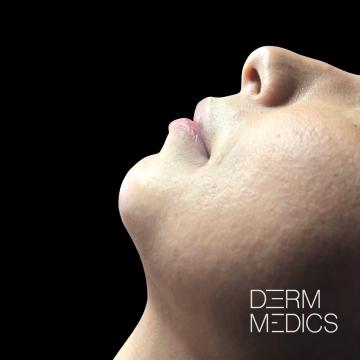
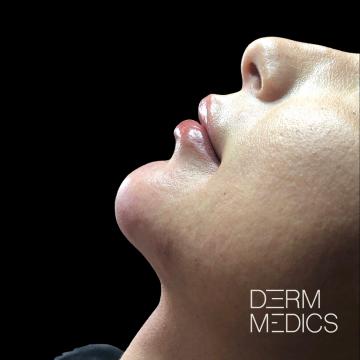
Chin fillers may change chin projection, height, shape or balance in relation to the lips, nose and jawline.
Side-profile and three-quarter photographs are often more informative than a front-facing image alone. Check whether the jawline or other areas were also treated, as these can influence the overall result.
Chin fillers before and after
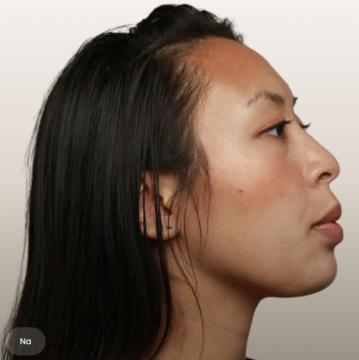
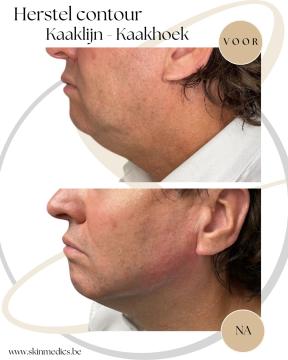
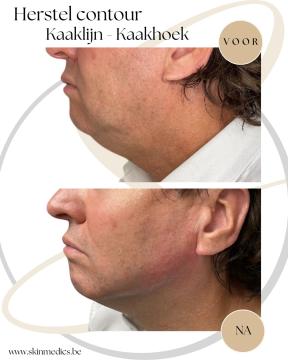
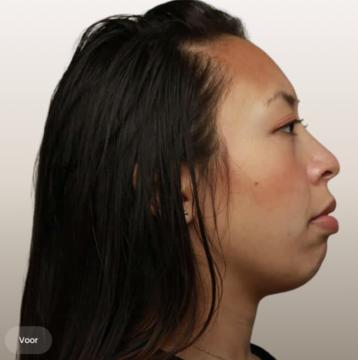
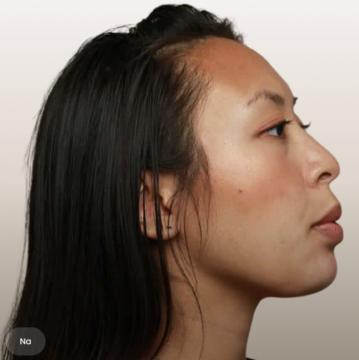
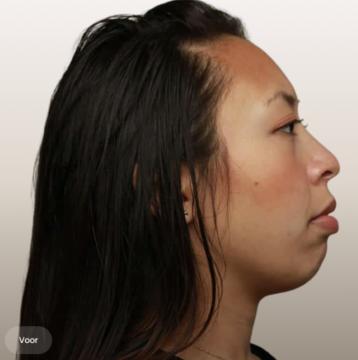
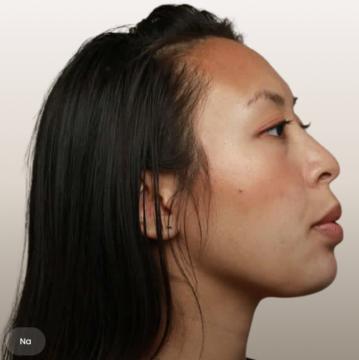
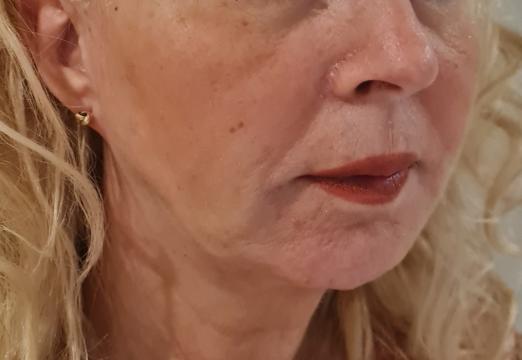
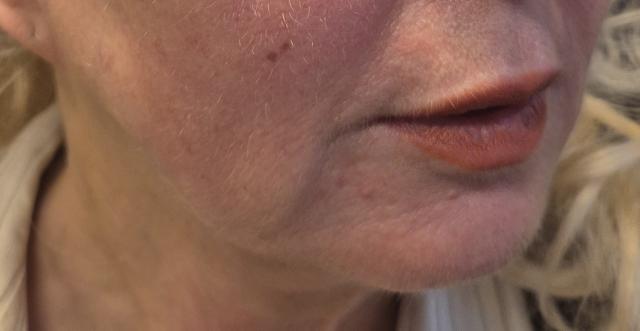
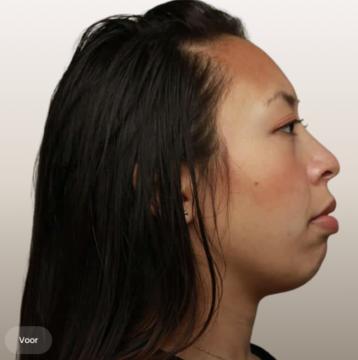
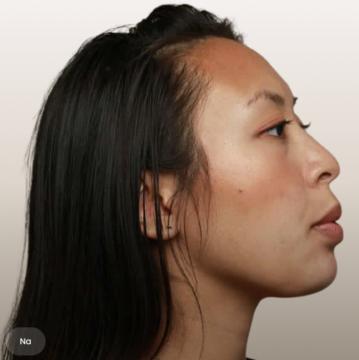
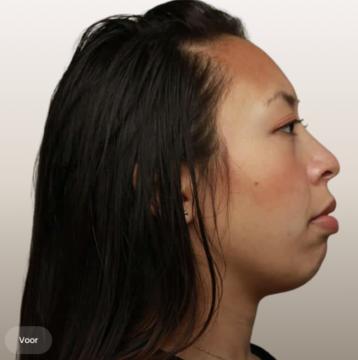
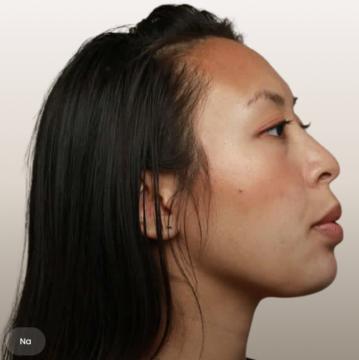
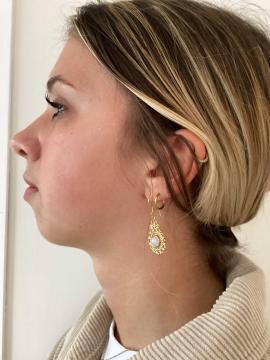
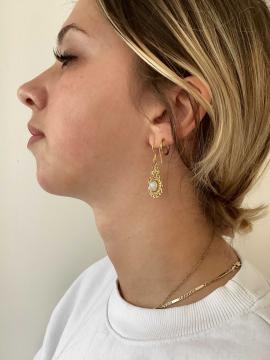
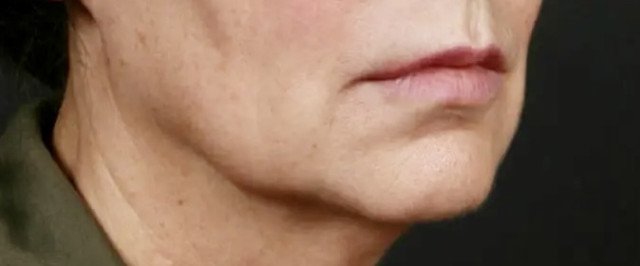
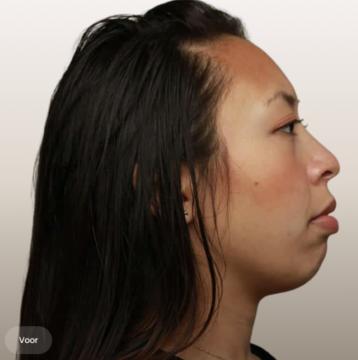
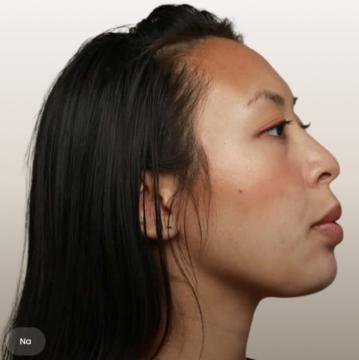
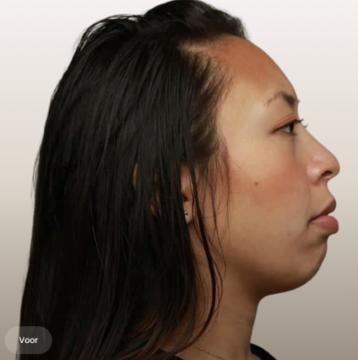
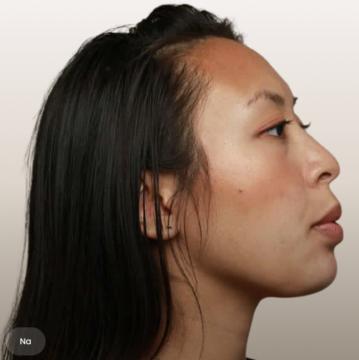
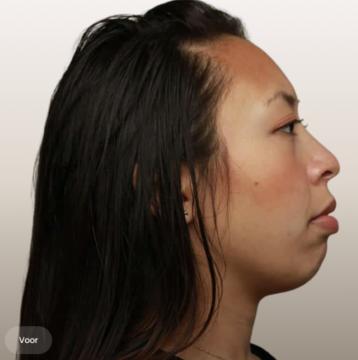
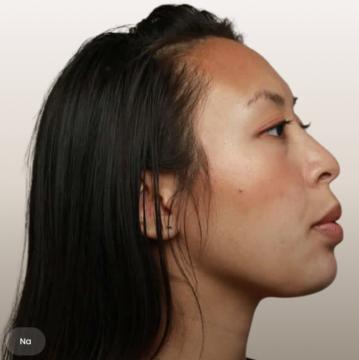
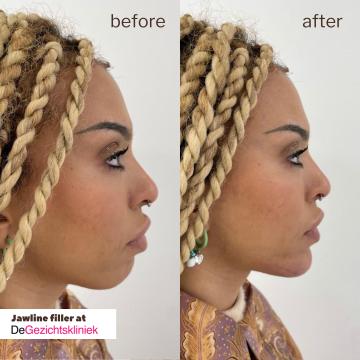
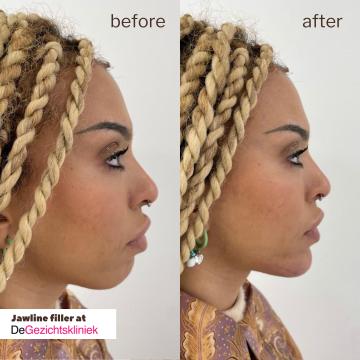
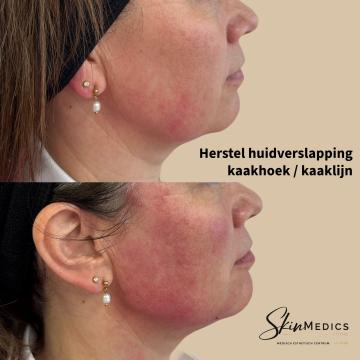
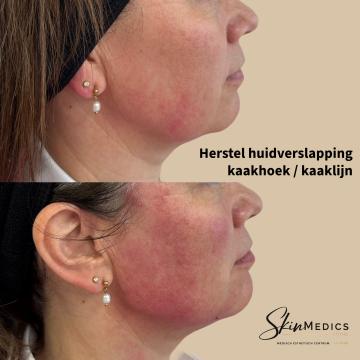
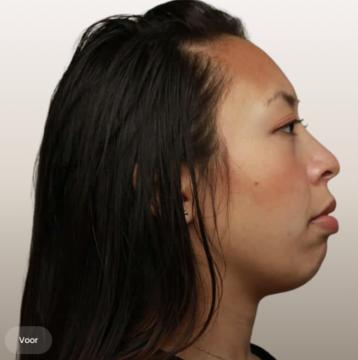
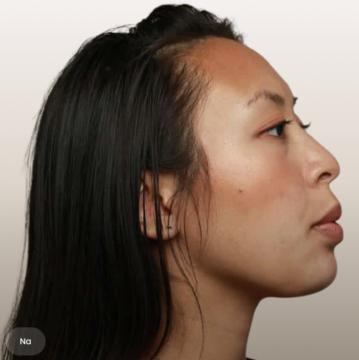
Jawline fillers before and after
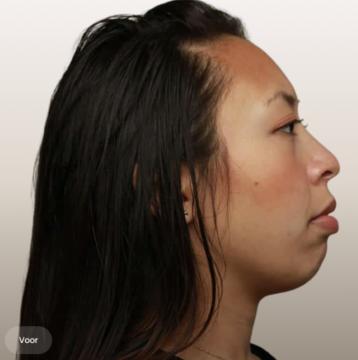
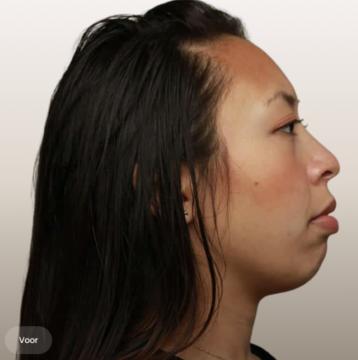
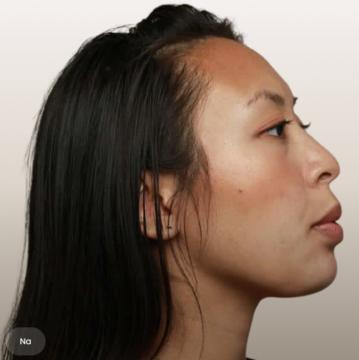
Jawline fillers may change definition between the face and neck or improve balance through the lower face. The result can be influenced by the chin, cheeks, soft tissue and the person’s starting facial structure.
Compare front-facing, three-quarter and side-profile images. For detailed suitability and treatment information, read about jawline fillers.
Jawline fillers before and after





















Cheek and cheekbone fillers before and after
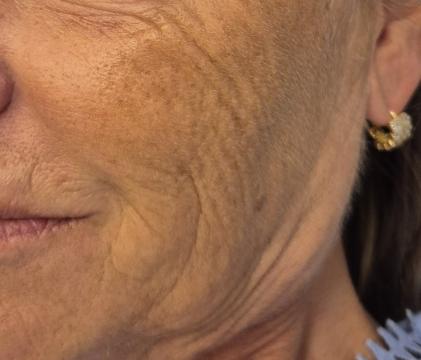
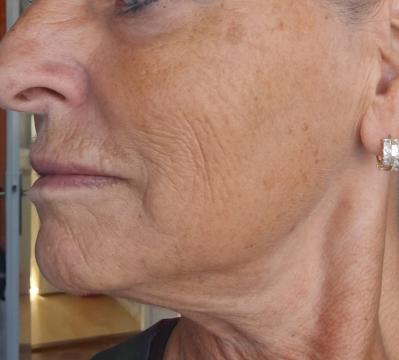
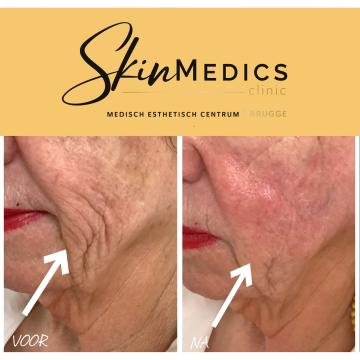
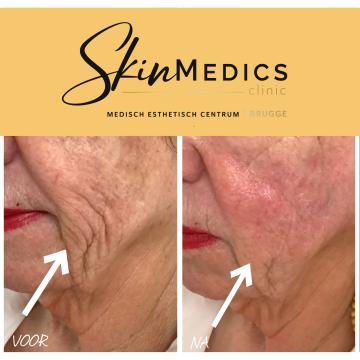
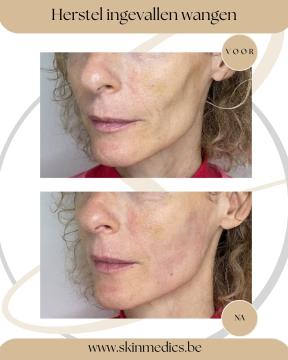
Cheek and cheekbone fillers may restore volume or change the contour of the middle face. The purpose is not always to make the cheeks appear larger. Treatment may instead focus on proportion, support or the transition into neighbouring areas.
The result should be assessed using comparable front-facing and three-quarter images.
Learn more about cheekbone fillers.
Cheek and cheekbone fillers before and after




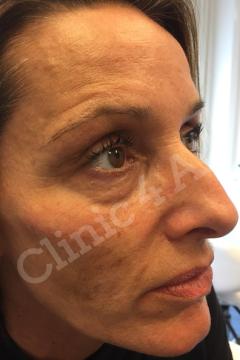
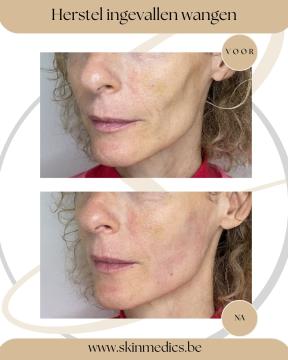
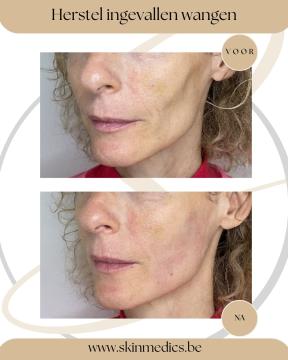


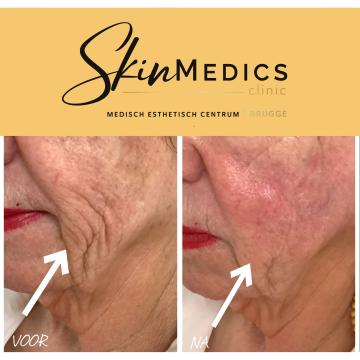


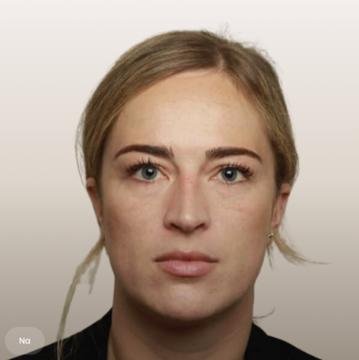
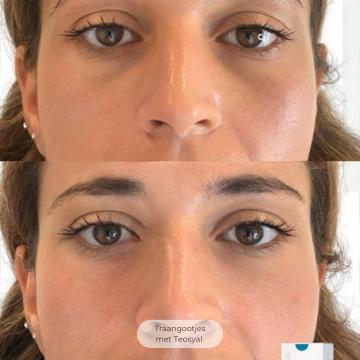
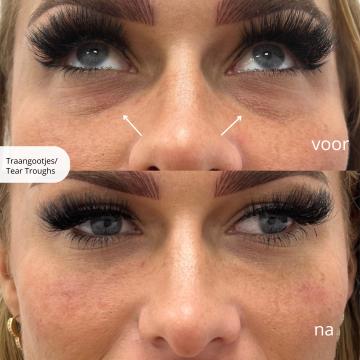
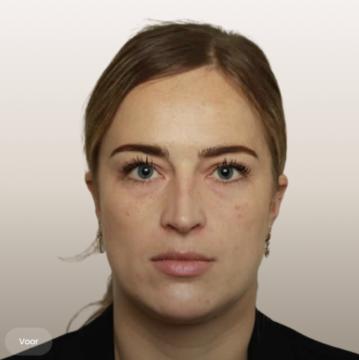
Under-eye fillers before and after
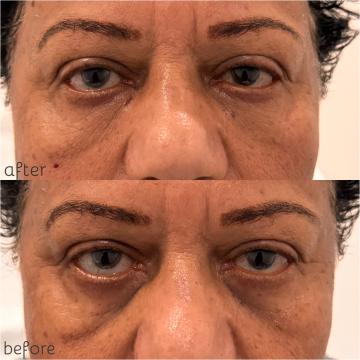
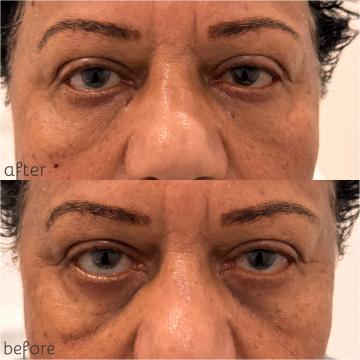
Under-eye fillers may change the transition between the lower eyelid and upper cheek in carefully selected patients. Not every hollow, eye bag or dark circle is caused by a lack of volume.
Lighting can strongly affect the appearance of shadows in this area. Compare photos taken under similar lighting and from the same angle.
Under-eye fillers before and after
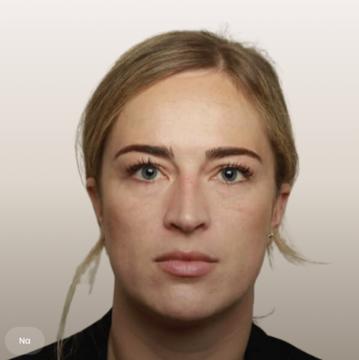


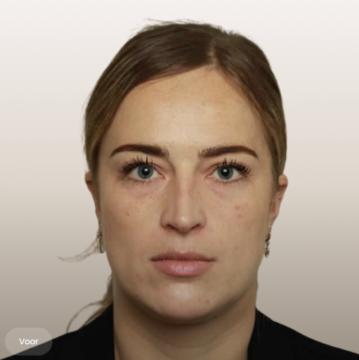
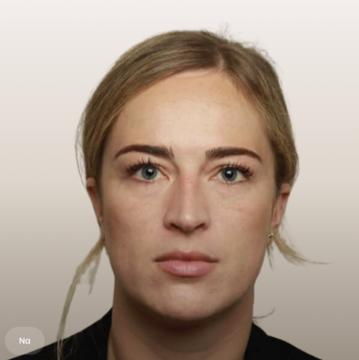


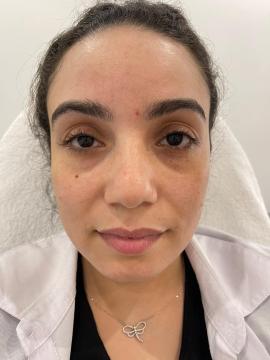
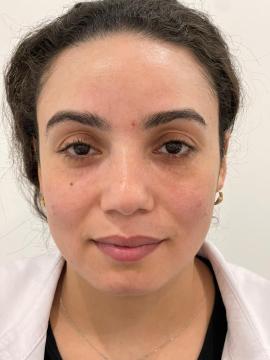
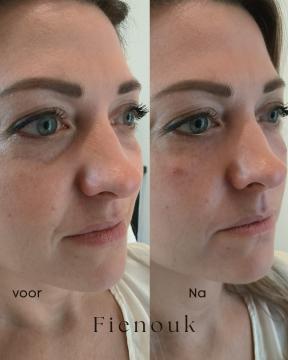
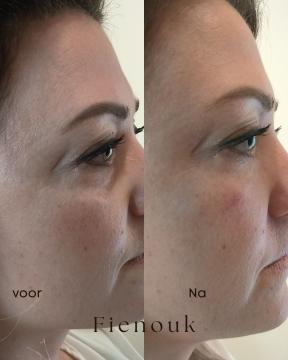
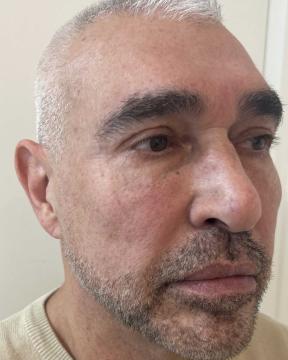
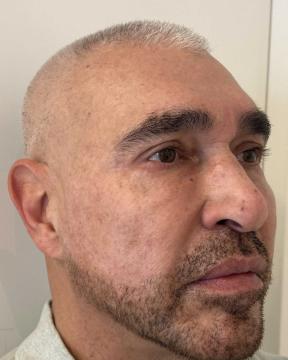
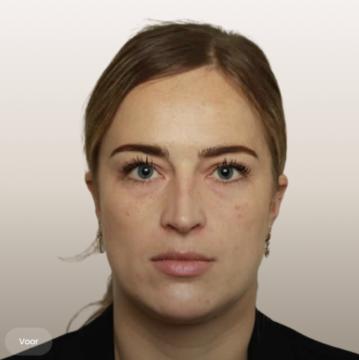
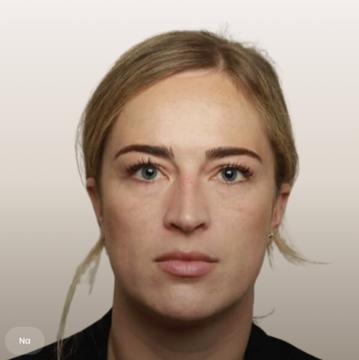
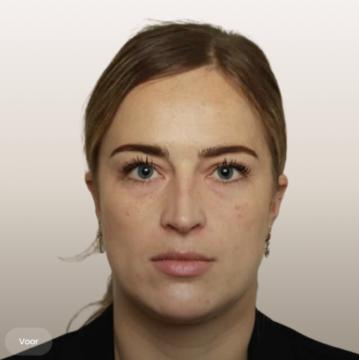
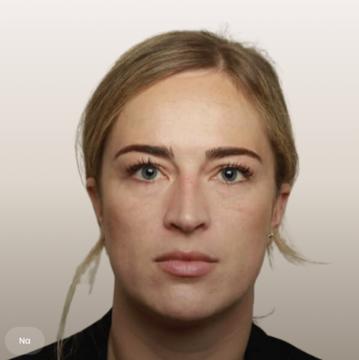
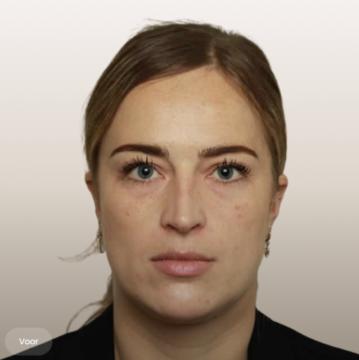


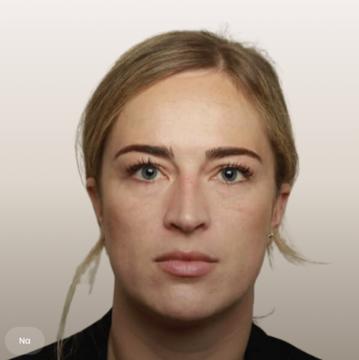
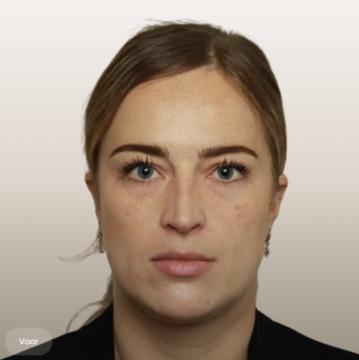
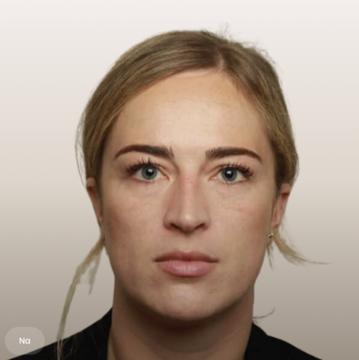
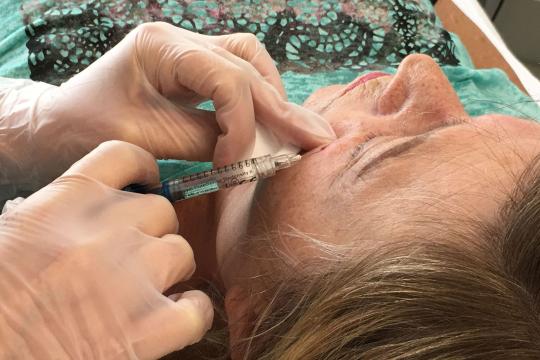
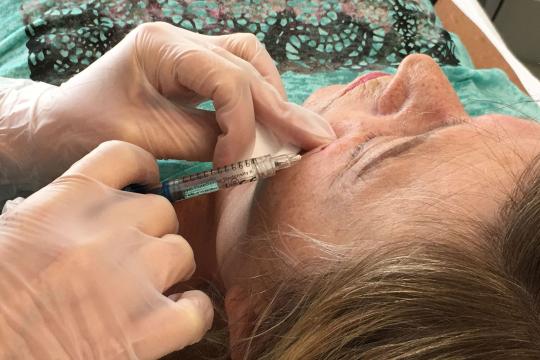
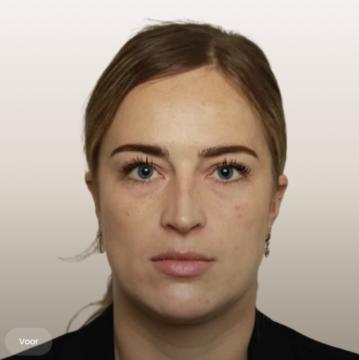
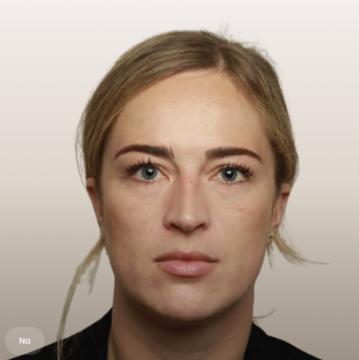


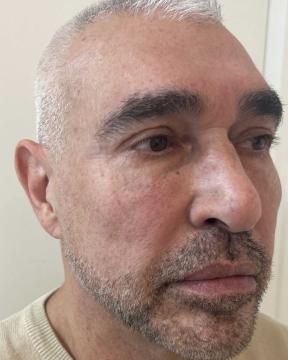
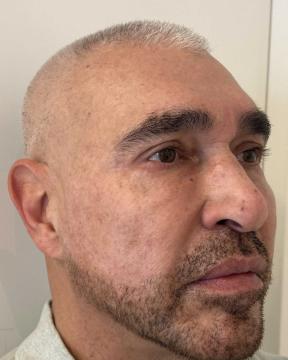
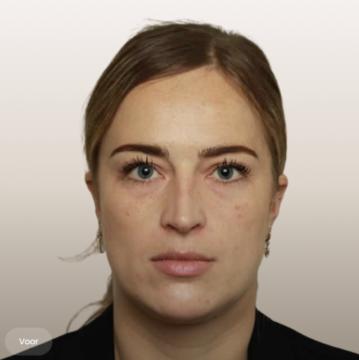
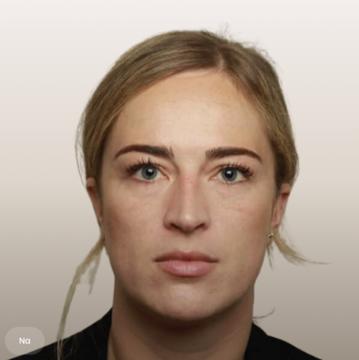


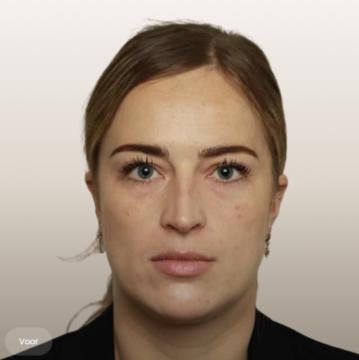
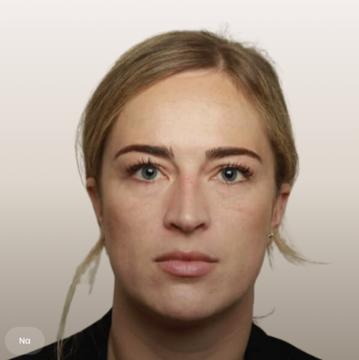
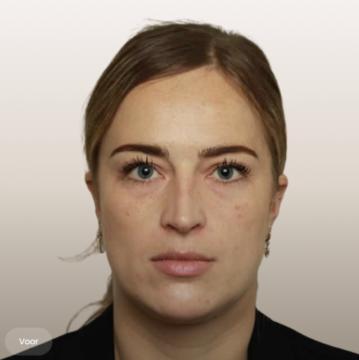
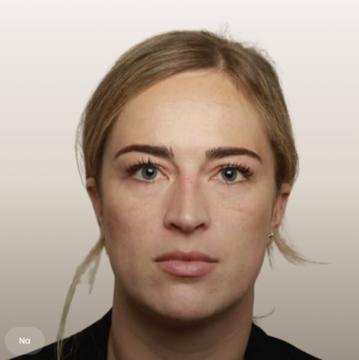


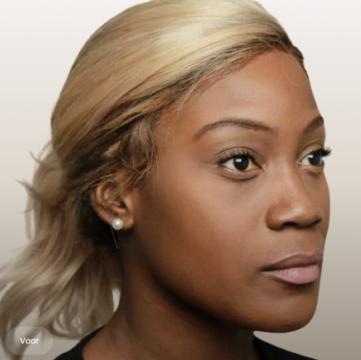
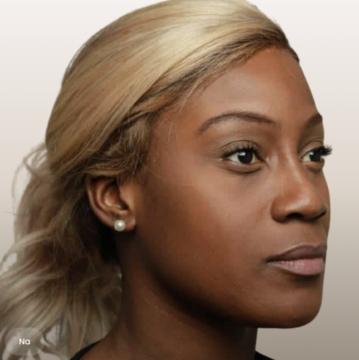
Nasolabial fold and mouth-area fillers before and after
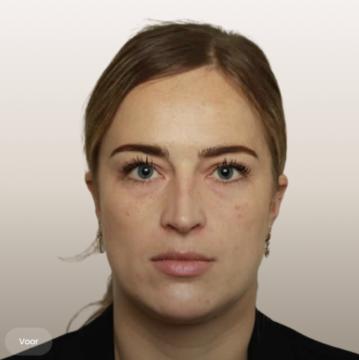
Fillers may soften certain folds or restore support around the mouth. A practitioner may treat the visible line directly, an area that supports it, or a combination of areas.
The caption should state all treated areas. A nasolabial-fold result may partly reflect treatment of the cheeks or middle face.
Nasolabial fold fillers before and after
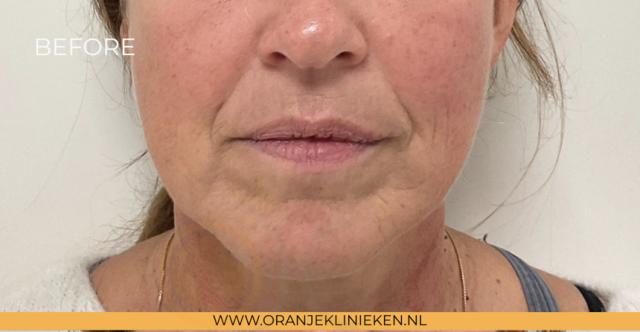
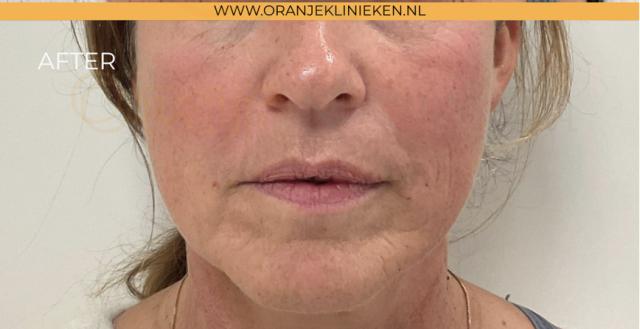

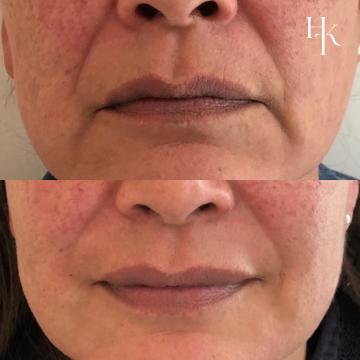
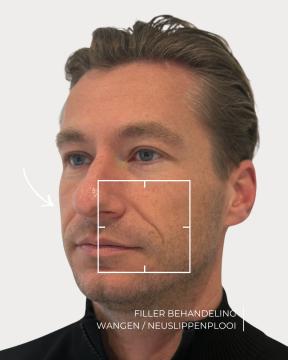
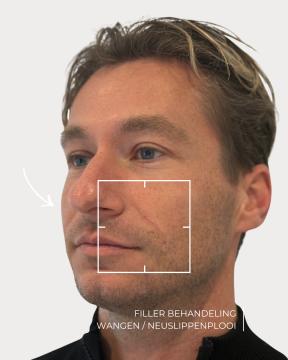





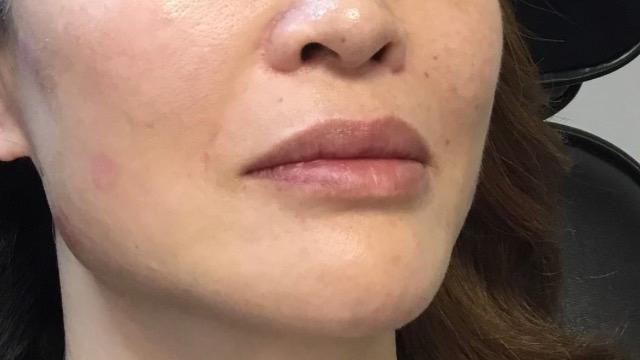


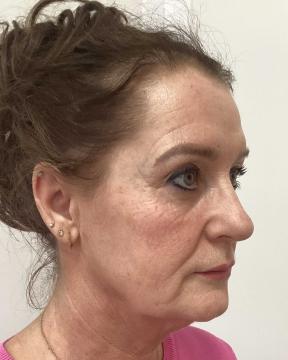
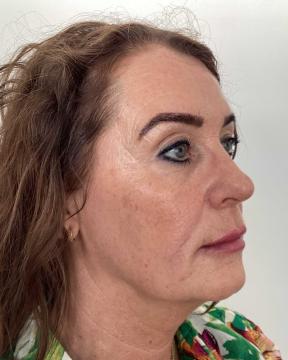
Nose fillers before and after
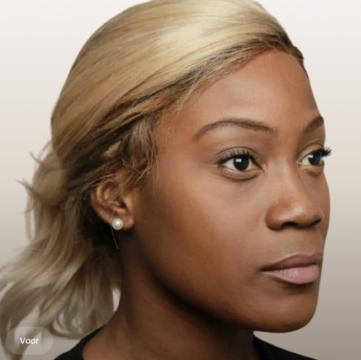
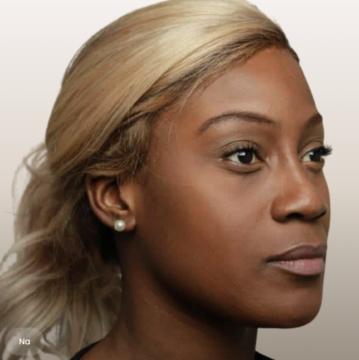
Nose fillers may temporarily alter the appearance of the bridge, tip or side profile. They do not reduce the physical size of the nose, even when changes in proportion make parts of the nose appear straighter or more balanced.
Side-profile photographs are important, but front-facing and three-quarter views should also be assessed.
See the dedicated guide to nose fillers.
Nose fillers before and after








Five checks before trusting a filler result
- 1 Compare the lighting, angle, distance and expression
- 2 Check which areas were treated
- 3 Look for the amount and number of sessions
- 4 Check when the after photograph was taken
- 5 Treat the photo as one person’s result rather than a guarantee
Immediate filler results or the settled result?
The initial effect of fillers is often visible immediately. However, a photo taken straight after treatment may not represent the settled outcome.
Immediately after treatment
Additional volume, redness, injection points and swelling may be visible. The treated area can look fuller or less even than it will after recovery.
During the first few days
Tenderness, bruising, swelling or temporary differences between the two sides may affect the appearance.
After approximately one week
Early swelling may have reduced, making the result easier to assess. Some areas may still be settling.
At approximately two weeks
Many filler treatments look calmer and more even. This is often a useful point for an initial review, although the timing varies.
During later follow-up
Later photographs may show how the result appears after several months and whether additional treatment was performed.
How quickly the area settles depends on the treatment area, product, quantity, technique and individual response.
For information about how long results may remain visible, read how long fillers last.
What can affect the appearance after fillers?
Why does the area sometimes look fuller immediately?
Temporary swelling may make the treated area appear fuller shortly after treatment. This is particularly noticeable in areas such as the lips.
Why can the result look uneven at first?
Swelling may not develop equally on both sides. Natural facial asymmetry can also become more noticeable during early recovery.
Can bruising change the appearance?
Bruising can temporarily change the colour and definition of a treated area. Compare the settled result rather than judging the treatment from an early recovery image alone.
Does more filler always create a better result?
No. The appropriate amount depends on facial structure, the treatment area and the intended outcome. A larger quantity is not automatically more natural or more suitable.
Can make-up change the comparison?
Different make-up, contouring or lip liner may exaggerate the apparent result. Styling should be similar or clearly disclosed.
Can images be digitally edited?
Images should not be edited in a way that changes facial proportions, smooths relevant lines or exaggerates the treated contour.
How much difference can 0.5 ml or 1 ml make?
A quantity of filler does not produce one fixed cosmetic result. The visible difference depends on the treatment area, starting anatomy, product, injection depth, placement and whether the amount is used in one area or distributed across several points.
What can 0.5 ml of filler do?
Half a millilitre may create a small or targeted change. It can appear more noticeable in a small area than in a larger treatment zone.
What can 1 ml of filler do?
One millilitre may produce a visible result, but it does not automatically create a dramatic change. It may be used in one area or distributed across several points.
What do several millilitres mean?
A wider treatment plan may use several millilitres across multiple facial areas or appointments. More product does not automatically mean a better result.
A practitioner must assess anatomy, medical history and treatment goals before recommending an amount.
What if your result looks different from the photo?
Temporary swelling may make the area look uneven during early recovery. However, increasing pain, unusual skin-colour changes, rapidly increasing swelling or visual symptoms require prompt professional assessment.
Do not use an online photo to diagnose a possible problem. Contact the treating practitioner or treatment centre for advice.
Read the separate guide to filler complications for warning signs and further information.
How to compare filler practitioners and treatment centres
Do not select a practitioner based on one dramatic before-and-after image. Compare several examples and check whether the area, quantity, timing and number of sessions are disclosed.
Consider:
who will carry out the treatment;
the practitioner’s professional registration;
experience with the treatment area;
several comparable before-and-after results;
whether results are shown consistently;
which product will be used;
how risks and alternatives are explained;
the policy for complications and urgent contact;
the availability of follow-up care;
the complete price, including review appointments;
recurring patterns in patient reviews.
Before booking, read the complete guide to choosing a filler clinic.
Frequently asked questions about fillers before and after
How big is the difference before and after fillers?
The visible difference depends on the treatment area, starting anatomy, amount, product and practitioner technique. Results may range from a subtle contour change to a more noticeable change in volume or projection.
When can filler results be assessed?
The first change is often visible immediately, but swelling can affect the early appearance. The result is usually easier to assess after the initial swelling has reduced.
Is an immediate after photo reliable?
It can show the initial change but may also include swelling, redness, injection marks or temporary unevenness. The caption should clearly state when the photograph was taken.
How much difference can 0.5 ml of filler make?
Half a millilitre may create a small or targeted change. How visible it appears depends on the treatment area, starting anatomy, product and placement.
How much difference can 1 ml of filler make?
One millilitre can produce a visible change, but it is not a fixed cosmetic result. It may be used in one area or divided between several injection points.
Are all filler before-and-after photos reliable?
No. Check whether the lighting, camera angle, distance and facial expression are comparable. The treatment area, amount and photo timing should also be stated.
Can another person’s filler result be copied?
Not exactly. Facial anatomy, proportions, skin quality and natural asymmetry differ between individuals. A reference photo can communicate a preference but cannot guarantee an identical result.
Why do lip fillers look larger immediately afterwards?
Temporary swelling can make the lips look fuller shortly after treatment. The early appearance may not represent the settled result.
Can filler photos be digitally edited?
Photographs should not be edited in a way that changes the treated area, smooths relevant lines or exaggerates facial contours.
Do more millilitres produce a better result?
Not necessarily. The appropriate amount depends on the person’s anatomy, treatment area and intended outcome. More product does not automatically produce a more natural result.