Lip fillers
Lip fillers are intended for people who want to make their lips subtly fuller, without the result looking exaggerated or unnatural. As we age, the lips lose volume, definition, and hydration. In others, there may naturally be asymmetry or a less defined lip contour.
A lip filler treatment can correct this in a controlled and temporary way. By injecting the right amount of hyaluronic acid in the right place, a natural result can be achieved that suits the shape of the face. The final outcome strongly depends on technique, the doctor’s experience, and individual anatomy. That is why it is important to understand what lip fillers do, what you can realistically expect, and why comparing doctors and clinics is essential.
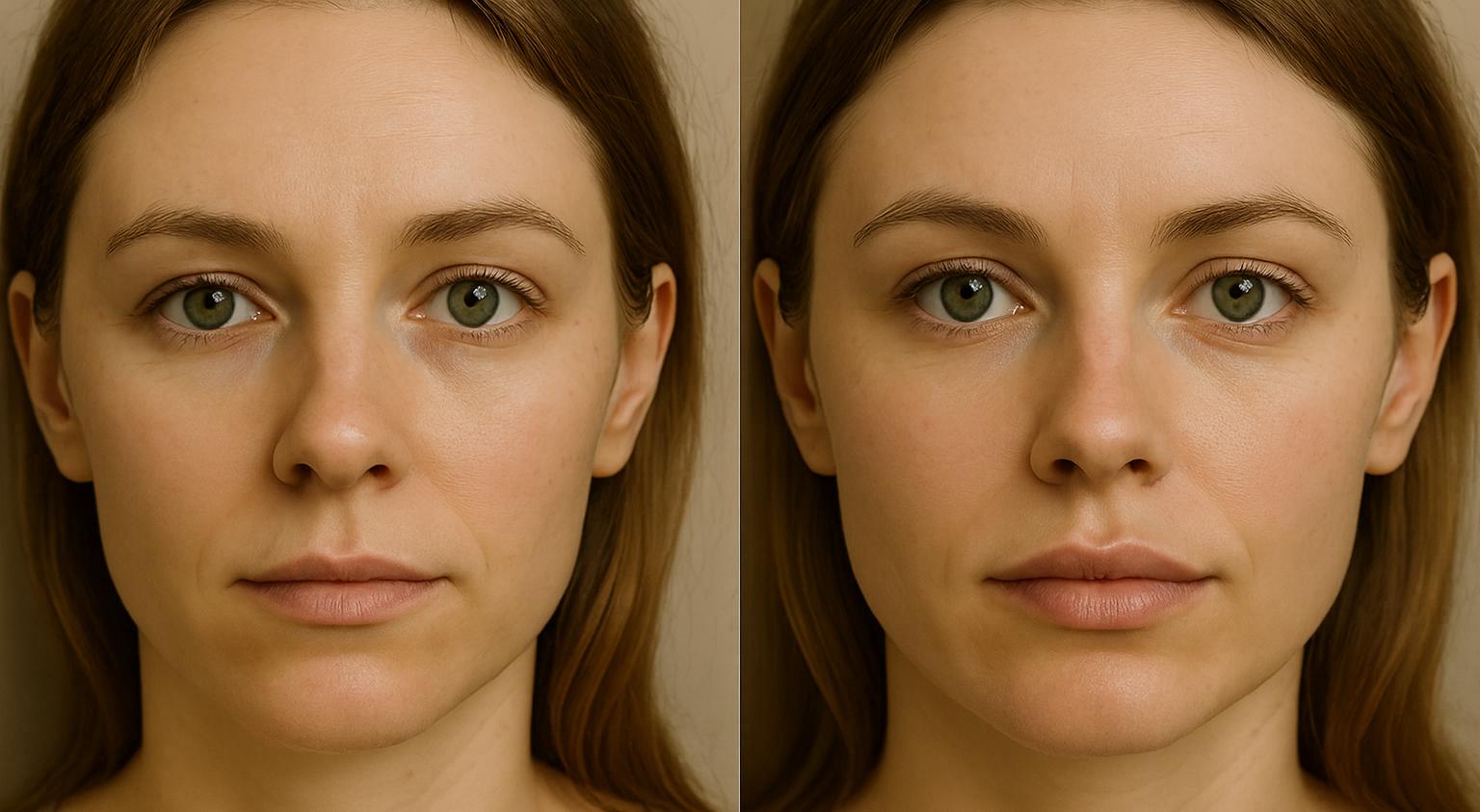
This is what you need to know about a lip filler treatment
Lip fillers improve the volume, shape, and symmetry of the lips
Results are visible immediately and stabilize within a few days
The effect lasts on average 6 to 12 months
Safety strongly depends on the technique and experience of the doctor
By comparing clinics and doctors, you can see differences in approach and price
Why results and experiences with lip fillers can differ
Why does the result of lip fillers look different for everyone?
The result of lip fillers differs per person due to variations in lip anatomy, skin thickness, and tissue structure. A hyaluronic acid–based filler binds water and increases volume, but its distribution is influenced by the existing shape and elasticity of the lip tissue. Muscle activity around the mouth also affects how the product positions itself and maintains its shape. In addition, individual metabolism plays a role in how quickly the material breaks down. As a result, differences occur in volume, shape, and the duration of the visible result.
Why can lip fillers look fuller at first than later on?
Lip fillers can appear fuller in the first few days due to temporary swelling after the injection. The needle causes a local inflammatory response, which draws extra fluid to the treated area. In addition, hyaluronic acid binds water, temporarily enhancing volume. As the swelling subsides and the product distributes evenly within the tissue, the extra volume decreases. This makes the final result appear less full than immediately after treatment.
Why are multiple sessions sometimes needed for lip fillers?
Multiple sessions may be needed because lip tissue can safely accommodate only a limited amount of volume per treatment. Injecting too much filler at once increases the risk of swelling, asymmetry, or overcorrection. By gradually building up volume, the product can integrate in a controlled way into the existing tissue. Between sessions, the distribution of the material and the body’s response can be assessed. This phased approach leads to a more stable and predictable final result.
Why do lip filler prices differ per clinic?
Lip filler prices vary per clinic due to differences in product choice, expertise, and cost structure. The price of the hyaluronic acid used depends on its composition, purity, and purchasing costs. The training and experience of the practitioner also influence the total cost, as specialized expertise may justify higher fees. Differences in consultation time, amount of product used, and aftercare protocols also play a role. Together, these factors lead to price variation between clinics.
Why is comparing lip fillers important?
Comparing lip filler treatments is important because techniques, product selection, and practitioner experience differ between clinics. These factors influence injection depth and the distribution of hyaluronic acid within the lip tissue. The method of administration partly determines the risk of asymmetry, swelling, or irregularities. Differences in dosage and treatment protocols also affect durability and recovery. By comparing these variables, a more realistic understanding of potential results and risks can be formed.
What does a lip filler do & how does it work?
Lip fillers in short
Type of treatment: hyaluronic acid injectable
Goal: volume, symmetry, contour enhancement
Visible result: immediately visible, optimal after 1–2 weeks
Average duration: ~30 minutes
Main success factor: technique and experience of the doctor
What exactly do lip fillers do?
Lip fillers consist of hyaluronic acid that is carefully injected under the skin of the lips to add volume, improve shape, and minimize asymmetry.
How does a lip filler treatment proceed?
Preparation: skin analysis and discussion of goals.
Treatment: injections in strategic areas of the lips.
Immediately after: mild swelling, redness, or sensitivity may occur.
After a few days: the result looks more natural.
Is a lip filler a permanent procedure?
No, hyaluronic acid is gradually broken down by the body, and the treatment is temporary.
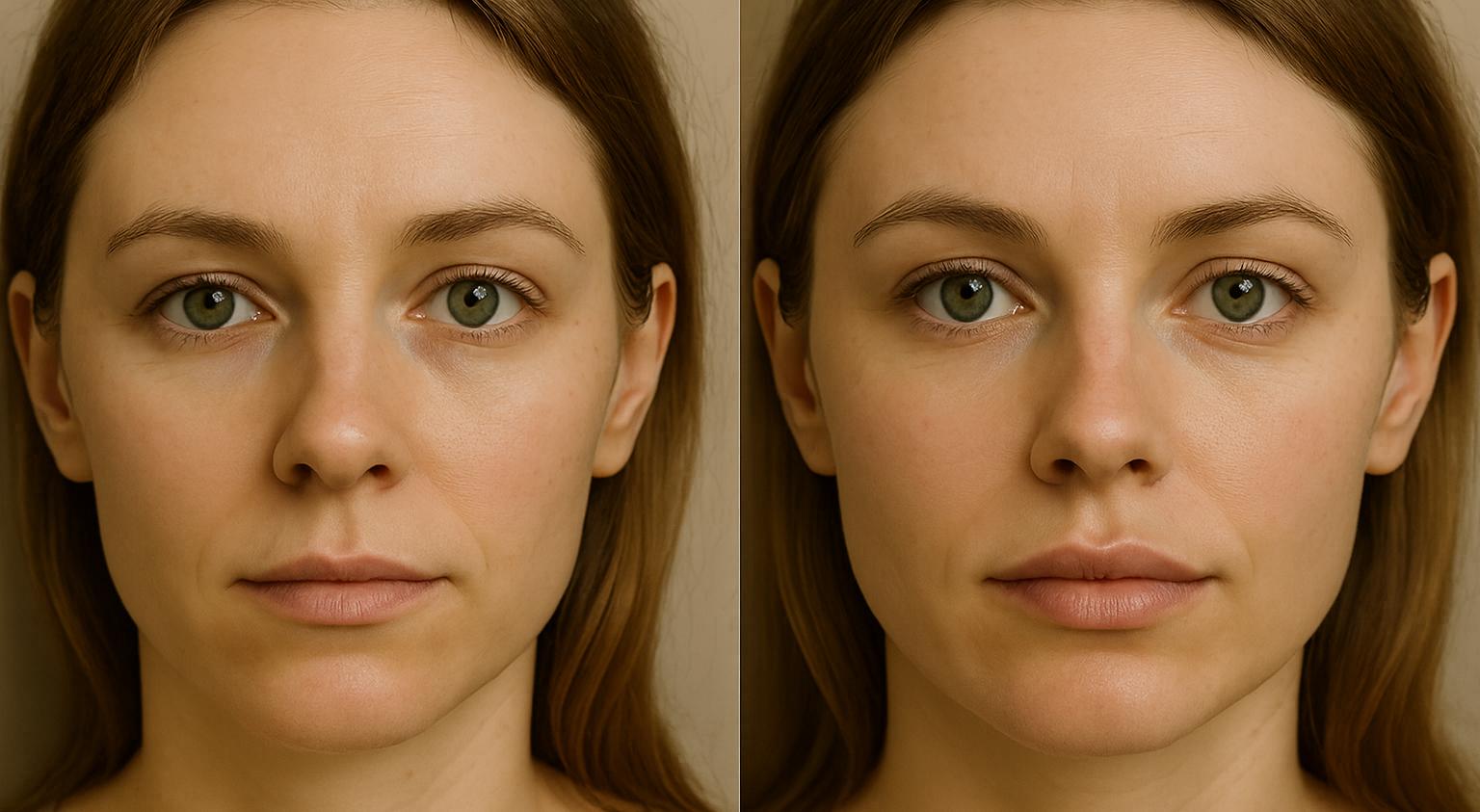
What can go wrong with a lip filler treatment?
With a lip filler treatment, mild and temporary side effects may occur, such as swelling, redness, tenderness, and small bruises at the injection sites. These reactions are normal and occur because the skin and tissue respond to the injections and the hyaluronic acid. In most cases, these symptoms disappear on their own within a few days. Serious complications are rare, especially when the treatment is performed by an experienced and qualified doctor who is familiar with lip anatomy and applies safe injection techniques.
Which side effects are most common with lip fillers?
The most common side effects are mild swelling of the lips, redness around the injection points, tenderness, and sometimes small bruises. Immediately after treatment, the lips may feel slightly fuller or firmer than the final result. This is due to the water-binding properties of hyaluronic acid and a mild inflammatory response from the body. These side effects usually decrease within one to several days, and the result gradually looks more natural.
Can lip fillers feel lumpy or hard?
Shortly after treatment, small lumps, bumps, or firm areas may be felt in the lips. This occurs because the filler product still needs to distribute evenly and because temporary swelling is present. In most cases, these irregularities resolve on their own within a few days to a week. Sometimes the doctor may advise gently massaging the area to help the filler distribute more evenly. If firm areas persist, it is advisable to contact the practitioner.
Are lip fillers safe in the long term?
Hyaluronic acid–based lip fillers have been used worldwide in cosmetic medicine for many years and are generally considered safe. Hyaluronic acid is a substance naturally found in the body and is gradually broken down over time. When used correctly by a qualified doctor and with high-quality products, long-term problems are rare. Repeat treatments are possible, provided there is sufficient time between sessions and the lips remain healthy.
Are there more serious risks associated with lip fillers?
Although serious complications are rare, they can occur in exceptional cases. These may include infections, noticeable asymmetry, prolonged swelling, reactivation of cold sores, or — very rarely — blockage of a blood vessel. The latter can lead to tissue damage and requires immediate medical treatment. The risk is significantly reduced when the procedure is performed by an experienced doctor who follows safe protocols.
When should you contact a doctor after lip fillers?
It is important to contact a doctor immediately if you experience severe pain, increasing swelling, persistent redness, warmth, signs of infection, or noticeable asymmetry that does not decrease within a few days. Skin discoloration or sudden numbness also require immediate professional advice. When in doubt, it is always better to seek advice sooner rather than later.
Can the result of lip fillers be corrected?
Yes, one of the advantages of hyaluronic acid–based lip fillers is that they can be dissolved if necessary with an enzyme called hyaluronidase. This enzyme breaks down the hyaluronic acid, allowing unwanted volume, asymmetry, or complications to be corrected. This makes lip fillers a relatively safe and flexible treatment compared to permanent solutions.
Popular treatment areas for lip fillers
Upper lip (volume and projection)
Lower lip (balance and fullness)
Lip border (definition and symmetry)
Cupid’s bow
Corners of the mouth
Lip filler results, duration & safety
Lip fillers provide:
Immediately visible volume
Improved lip shape
A subtle, natural effect
Average duration: 6 to 9 months, depending on the product and amount used.
Safety depends on:
The doctor’s experience
Correct injection technique
Aftercare and hygiene
Lip fillers – natural result






How long does a lip filler result last & aftercare
On average, the effect of a lip filler remains visible for 6 to 9 months. After this period, the hyaluronic acid gradually breaks down, allowing the lips to return to their natural state.
Aftercare:
Cool the lips during the first hours after treatment.
Avoid pressure on the lips and intense physical activity for 24–48 hours.
Avoid sauna, tanning beds, and heat immediately after treatment.
Follow all aftercare instructions from your doctor for an optimal result.
Who are lip fillers suitable for (and who are they not suitable for)?
Suitable if you:
want subtly more volume
accept a temporary solution
value a natural result
Less suitable if you:
are looking for a permanent result
do not want injections
have unrealistic expectations
Are you unsure about lip fillers? This checklist helps.
- 1 What do you want to improve: volume, shape, or symmetry?
- 2 Does this suit your lip shape and face?
- 3 Does the doctor have demonstrable experience with lip fillers?
- 4 Is a temporary result acceptable to you?
- 5 Have you compared multiple clinics?
What do lip fillers cost?
The price of lip fillers depends on the brand, the amount (ml), and the experience of the doctor. By comparing prices between clinics, you get insight into market differences and know what to look out for.
| Treatment | Unit | City/country | Price | |
|---|---|---|---|---|
| Lipfiller | ML | United Kingdom | £ 68 | Lowest price |
| Lipfiller | ML | United Kingdom | £ 249 | Average price |
| Lipfiller | ML | United Kingdom | £ 600 | Highest price |
Compare lip filler prices in your area
Compare on experience & price Make an appointment immediately
Lip filler treatment experiences: what do people really pay attention to?
Experiences often focus on:
a natural-looking result
trust during the treatment
honest advice about the amount used
The doctor is usually the deciding factor in overall satisfaction.
Lip fillers are often compared with:
Botox lip flip (no added volume, but a slight outward curl)
Skin boosters (hydration, no shape correction)
Which treatment is suitable depends on the goal.
Comparing doctors & clinics
Why the doctor makes the difference
With lip fillers, small differences in technique can make a big difference in the result. That is why experience is more important than the filler brand.
Cosmetic specialists in United Kingdom

- Botox zone from
- £ 225,00
- Filler per ml from
- £ 365,00

- Botox zone from
- £ 180,00
- Filler per ml from
- £ 250,00

- Botox zone from
- £ 225,00
- Filler per ml from
- £ 365,00

- Botox zone from
- £ 225,00
- Filler per ml from
- £ 365,00

- Botox zone from
- £ 225,00
- Filler per ml from
- £ 365,00

- Botox zone from
- £ 300,00
- Filler per ml from
- £ 450,00

- Botox zone from
- £ 129,00
- Filler per ml from
- £ 250,00

- Botox zone from
- £ 129,00
- Filler per ml from
- £ 250,00
Differences between lip filler clinics
consultation length
transparency about ml and price
aftercare and accessibility
Compare clinics in United Kingdom

- Botox zone from
- £ 225,00
- Filler per ml from
- £ 365,00
- Profhilo per 2 ml from
- -

- Botox zone from
- £ 180,00
- Filler per ml from
- £ 250,00
- Profhilo per 2 ml from
- £ 300,00



- Botox zone from
- £ 300,00
- Filler per ml from
- £ 450,00
- Profhilo per 2 ml from
- £ 400,00


- Botox zone from
- £ 129,00
- Filler per ml from
- £ 250,00
- Profhilo per 2 ml from
- £ 195,00

- Botox zone from
- £ 135,00
- Filler per ml from
- £ 210,00
- Profhilo per 2 ml from
- £ 325,00

- Botox zone from
- £ 129,00
- Filler per ml from
- £ 250,00
- Profhilo per 2 ml from
- £ 195,00

- Botox zone from
- £ 129,00
- Filler per ml from
- £ 250,00
- Profhilo per 2 ml from
- £ 195,00

- Botox zone from
- £ 129,00
- Filler per ml from
- £ 250,00
- Profhilo per 2 ml from
- £ 195,00
Frequently asked questions about lip fillers
How long do lip fillers last the first time?
With a first lip filler treatment, the result remains visible for an average of 6 to 9 months. Because the body is not yet “accustomed” to hyaluronic acid, the filler may break down slightly faster the first time. With follow-up treatments, the effect often lasts longer, sometimes 9–12 months, depending on the product used and your metabolism.
What should you avoid after lip fillers?
After a lip filler treatment, it is advised not to exercise, visit a sauna or tanning bed, or apply pressure or massage to the lips for the first 24 to 48 hours. Alcohol, extreme heat, and intense kissing are also temporarily discouraged to limit swelling and bruising.
What happens to your lips if you stop getting fillers?
If you stop lip fillers, your lips gradually return to how they were before treatment. The filler is slowly broken down by the body. Your lips do not become looser or worse than before; the aging process simply continues naturally.
What is a disadvantage of fillers?
Disadvantages of fillers include that the effect is temporary and repeat treatments are needed. Side effects such as swelling, bruising, tenderness, or asymmetry may occur. In rare cases, complications can arise, especially if the treatment is not performed by an experienced doctor.
When can I eat again after a lip filler treatment?
You can usually eat immediately after the treatment, as long as you are careful. It is recommended to avoid hot, spicy, or hard foods during the first few hours to prevent additional swelling or sensitivity.
How long should you avoid drinking after a lip filler treatment?
You may drink water immediately after the treatment. However, alcohol is discouraged during the first 24 hours, as it can worsen swelling and bruising. It is also best to avoid hot drinks on the day of the treatment.
When can I wear lipstick again after fillers?
It is advised to wait at least 24 hours before wearing lipstick or other lip products. This reduces the risk of infection and prevents extra pressure on the injection points while the lips are still sensitive.
Is a lip filler treatment reversible?
Yes, hyaluronic acid–based fillers can be safely dissolved with hyaluronidase if the result is undesirable or if complications occur.
Which lip filler technique suits my lips?
The technique is chosen based on:
Your lip shape and anatomy
Desired volume and contour
Natural appearance and recovery time
Always consult with your doctor to determine the best option for your face.
In summary: everything about lip fillers
Lip fillers can make the lips subtly fuller and better shaped, when performed correctly. The result, safety, and satisfaction mainly depend on the doctor and the chosen technique. By comparing clinics and doctors, you can make a well-informed and safe choice.