Tear trough filler
Dark circles, shadows, or a hollow appearance under the eyes often make you look more tired than you actually feel. This is usually caused by volume loss around the eyes, thinning skin, or a deep tear trough. Makeup or creams typically do not solve this problem structurally.
A tear trough filler treatment can subtly restore volume and soften this area. By replenishing lost volume, the transition between the eye and the cheek becomes smoother, resulting in a fresher appearance.
Because the area around the eyes is complex and sensitive, experience, technique, and product selection play an important role. Comparing doctors and clinics helps achieve safe and natural-looking results.
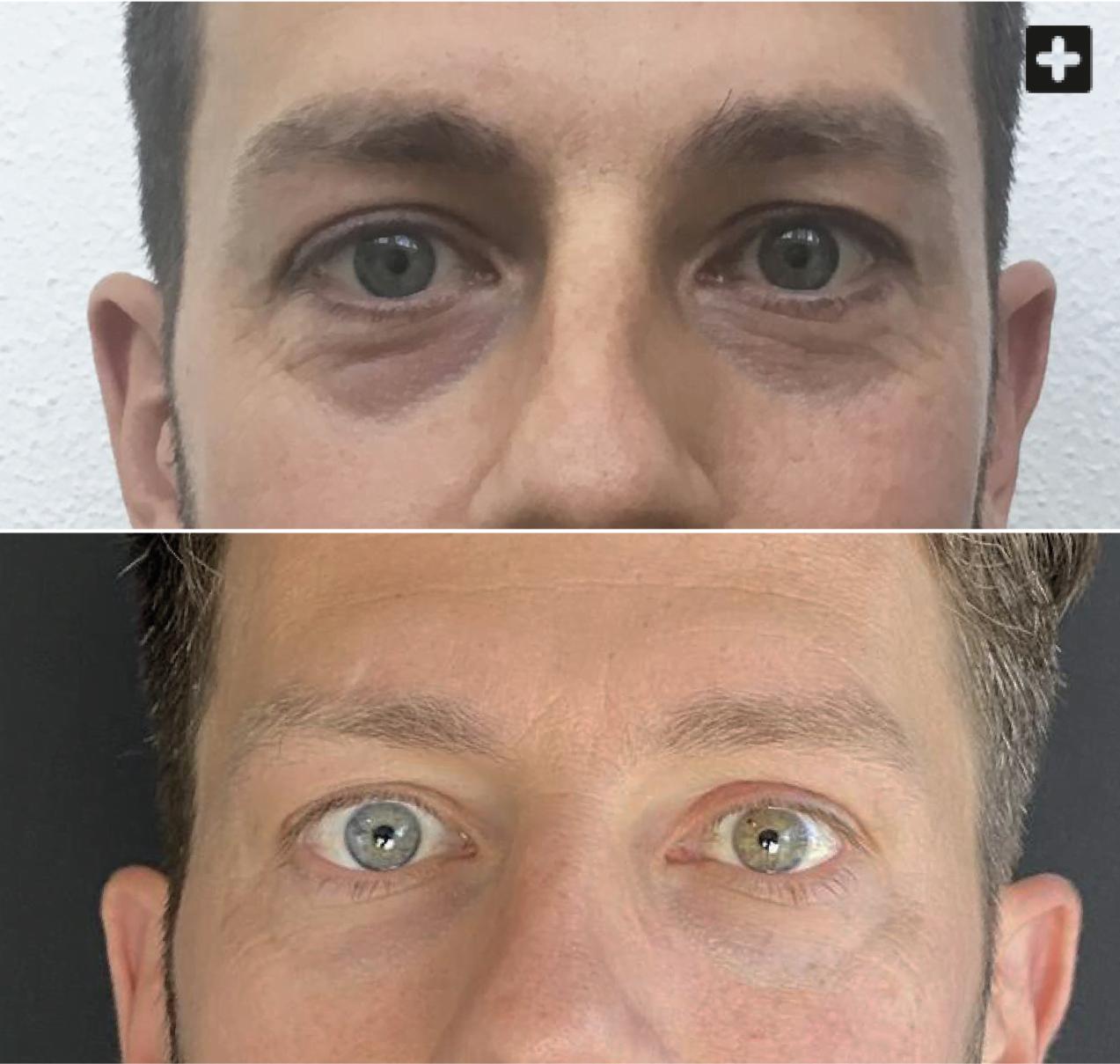
This is what you need to know about a tear trough filler
The filler restores lost volume under the eyes
Reduces shadows and a tired appearance
Results are often visible immediately
Treatment takes approximately 20–30 minutes
Effects last about 9 to 12 months
A subtle and natural result is the goal
Comparing clinics in your area helps you choose an experienced doctor
Why results and experiences with a tear trough filler can differ
Why does the result of a tear trough filler look different for everyone?
The result of a tear trough filler varies due to differences in anatomy, skin thickness, and fat distribution under the eyes. A hyaluronic acid filler restores lost volume and binds water in the treated area. When the depth of the tear trough and the quality of surrounding tissue differ, the area responds differently to volume correction. In cases of thin skin or existing swelling, the effect may appear more subtle or different in visibility. As a result, the degree of brightening and softening varies per individual.
Why does one person need more tear trough filler than another?
The required amount of tear trough filler depends on anatomical differences and the extent of volume loss. The depth of the tear trough is influenced by bone structure, fat distribution, and reduction of subcutaneous tissue. When volume loss is greater, more hyaluronic acid is needed to gradually restore the transition between the lower eyelid and the cheek. In cases of mild volume loss, a smaller amount achieves a similar optical improvement. Therefore, the necessary dosage differs per individual.
Why is technique so important with a tear trough filler?
Technique is crucial because of the complex anatomy and thin skin in this area. Blood vessels run beneath the eye, and there is minimal subcutaneous fat, requiring precise placement. If the filler is injected too superficially or unevenly, it may lead to visible swelling or discoloration due to light reflection. Correct depth and even distribution allow stable integration into the tissue. Therefore, injection technique directly affects both safety and aesthetic outcome.
Why do prices differ between clinics for a tear trough filler?
Prices vary due to differences in product selection, required volume, and practitioner experience. The under-eye area demands precision and advanced anatomical knowledge, which influences consultation time and medical responsibility. In addition, product costs and clinic overhead contribute to the total price. Clinics with specialized physicians or higher operating costs may charge higher fees to cover these factors. This results in price variation for the same indication.
Why is comparing clinics in your area especially important for a tear trough filler?
Comparing clinics in your area is particularly important because of the complex anatomy and increased risk of visible side effects in this region. The thin skin, limited fat layer, and presence of important blood vessels require careful product selection and precise injection technique. Differences in experience and treatment protocols influence placement depth and filler distribution. Incorrect technique can lead to swelling, discoloration, or irregularities. Therefore, comparing providers helps identify factors that strongly influence safety and outcomes.
What is a tear trough filler & how does it work?
Tear trough filler at a glance
Type of treatment: Hyaluronic acid filler
Goal: Restore volume under the eyes
Visible results: Yes, often immediately
Average duration: 20–30 minutes
Key success factor: Experience and technique of the doctor
What exactly does a tear trough filler do?
A tear trough filler restores lost volume in the transition between the lower eyelid and the cheek. This reduces shadows and softens the hollow appearance, making the eyes look fresher and less tired.
How does the tear trough filler treatment work?
Preparation: Analysis of the tear trough and overall facial structure
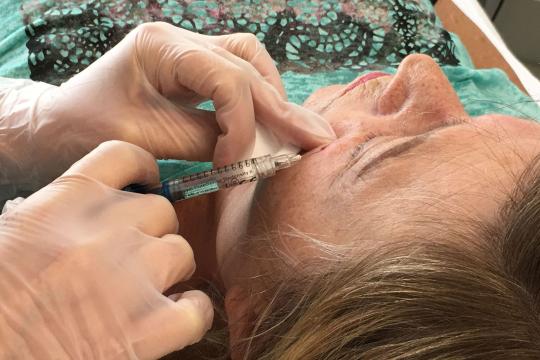
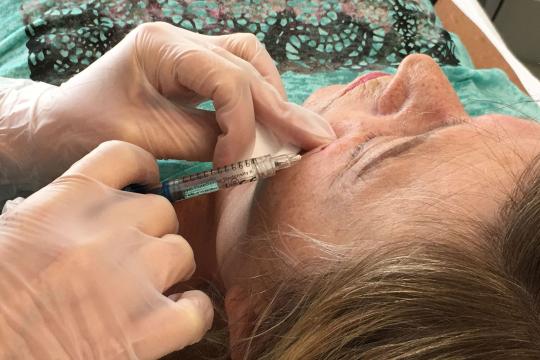
Treatment: Injection using a cannula or needle
Immediately after: Mild swelling may occur
Is a tear trough filler the same as other fillers?
No. A softer, more flexible filler is typically used because the under-eye area is delicate and requires a product specifically suited for this sensitive region.
What can go wrong with a tear trough filler treatment?
As with other filler treatments, side effects can occur with a tear trough filler. The most common reactions are temporary swelling, bruising, and mild redness around the eyes. These symptoms are usually mild and resolve within a few days. Because the skin in the tear trough area is thin and contains many small blood vessels, this treatment requires extra precision. In rare cases, complications may arise due to incorrect placement, unsuitable product choice, or insufficient anatomical knowledge. The risk is influenced less by the type of filler and more by the experience and technique of the treating doctor. That is why it is important to compare doctors and clinics in your area carefully.
What are the most common side effects of a tear trough filler?
After a tear trough filler treatment, swelling, bruising, and mild redness may occur. The area can also feel temporarily tender or slightly tight. Because the skin around the eyes is thin, these side effects may be more noticeable than in other facial areas. In most cases, symptoms decrease on their own within a few days to a week. Following aftercare instructions, such as cooling the area and avoiding pressure, supports recovery.
Can a tear trough filler become visible or lumpy?
Yes, a tear trough filler can become visible or lumpy if it is placed too superficially or if a less suitable product is used. This may present as small irregularities, shadows, or an unnatural transition under the eye. In some cases, the filler may not feel well integrated into the tissue. An experienced doctor therefore selects a soft filler and places it deeply and carefully to achieve a smooth and natural result.
Is a Tyndall effect possible with a tear trough filler?
Yes, a so-called Tyndall effect can occur with a tear trough filler. This appears as a bluish or grayish discoloration under the skin when the filler is injected too superficially. Due to the thin skin in this area, this effect is relatively more visible here than in other regions. The Tyndall effect is not dangerous, but it can be aesthetically disturbing and should be assessed by a doctor.
When should you contact a doctor after a tear trough filler?
You should contact your treating doctor if swelling persists or increases, if you experience pain, clear discoloration, asymmetry, or an unusual tight sensation around the eye. It is also important to seek evaluation if symptoms do not improve after a few days or worsen instead. Early assessment helps ensure that any potential complications are addressed in time.
Can the result of a tear trough filler be corrected?
Yes, tear trough fillers based on hyaluronic acid are reversible. A specific enzyme can be used to partially or completely dissolve the filler if the result is unsatisfactory, if the filler becomes visible, or in case of complications such as the Tyndall effect. This reversibility is considered an important safety advantage and provides additional reassurance when treating this sensitive area.
Tear trough filler and surrounding areas
Tear trough: softening of shadows
Under-eye area: fresher appearance
Cheek transition: more harmonious facial contour
Midface: support of the overall result
Tear trough filler results, duration & safety
A tear trough filler provides:
Less shadow under the eyes
A fresher appearance
A smoother transition between the eye and cheek
Average duration: 9 to 12 months
Safety depends on:
The experience of the doctor
Correct product selection
Proper injection technique
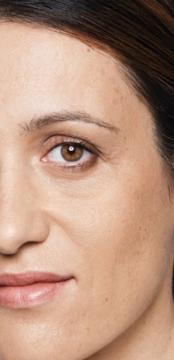
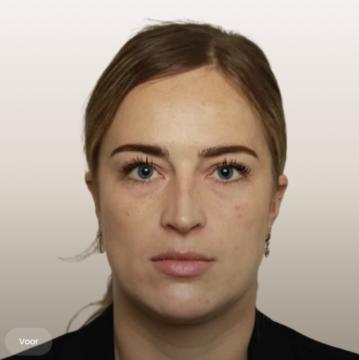
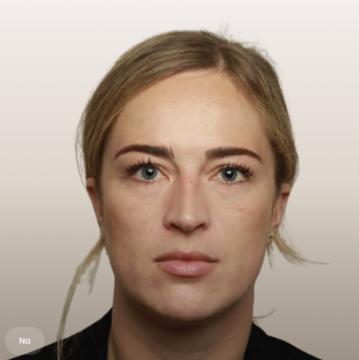
Tear trough filler before and after photos
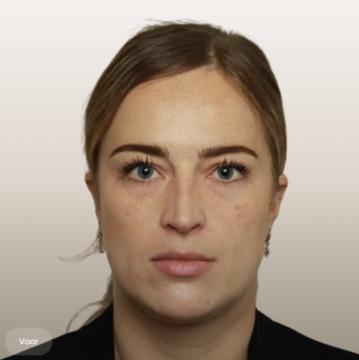
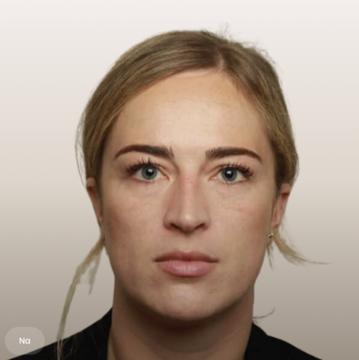







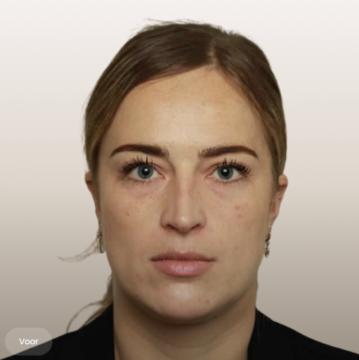
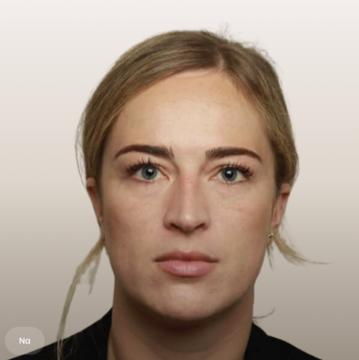
How long does a tear trough filler last & aftercare
On average, 9 to 12 months.
Aftercare:
Do not rub or massage the area
Avoid intense exercise for 24 hours
Avoid heat and alcohol
Tear trough filler: who is it suitable / less suitable for
Suitable if:
You have shadows under the eyes
You look tired due to hollowing
You want a subtle, natural-looking result
Less suitable if:
You have pronounced under-eye bags caused by fluid retention or fat
You are pregnant or breastfeeding
You have active skin conditions around the eyes
How do you determine if a tear trough filler is right for you?
- 1 Do you have volume loss under the eyes?
- 2 Does the tired appearance bother you?
- 3 Do you expect a subtle result?
- 4 Do you understand the risks?
- 5 Are you willing to maintain the results?
Tear trough filler prices, experiences & comparison
Price depends on the amount of filler used
Comparing helps set realistic expectations
| Treatment | Unit | City/country | Price | |
|---|---|---|---|---|
| Tear trough filler (both eyes) | ML | United Kingdom | £ 100 | Lowest price |
| Tear trough filler (both eyes) | ML | United Kingdom | £ 348 | Average price |
| Tear trough filler (both eyes) | ML | United Kingdom | £ 799 | Highest price |
Compare prices in your area
Compare on experience & price Make an appointment immediately
Tear trough filler experiences: what do people pay attention to?
A natural-looking result
No bluish discoloration
Clear explanation from the doctor
A safe and comfortable feeling during treatment
An experienced doctor
Reviews
Having my treatment done by a doctor immediately put me at ease and I felt comfortable throughout.
I'm so happy with my results – they look amazing and exactly what I wanted. The lip injections were a little more painful than I expected, but then again, what did I expect? They're injections! Dr Sanam has already said that next time we can use a dental block, which has made me feel much better about having them done again.
I would definitely recommend Dr Sanam to anyone considering aesthetic treatments. Show less »
The results exceeded my expectations, and I couldn’t be happier with the improvement. Thank you, Dr. Ria!🙏🙏🙏 Show less »
Samantha's response here is a lie, and she will be reported accordingly. I asked for a refund to get remedial treatment and asked Samantha to remove tear trough from her services, but she hasn't and she's blaming me for her incompetence, lack of due diligence and professionalism.
You now see what she is capable of, so if you choose her, that's on you. Show less »
Tear trough filler compared with alternatives
Tear trough filler vs creams — structural correction vs superficial effect
Tear trough filler vs skinboosters — volume restoration vs hydration
Tear trough filler vs surgery — non-invasive vs surgical approach
Tear trough filler: compare doctors & clinics
Compare based on:
Experience with tear trough fillers
Safety protocols
Results
Reviews
Cosmetic specialists in United Kingdom

- Botox zone from
- £ 180,00
- Filler per ml from
- £ 250,00

- Botox zone from
- £ 300,00
- Filler per ml from
- £ 450,00

- Botox zone from
- £ 129,00
- Filler per ml from
- £ 250,00

- Botox zone from
- £ 129,00
- Filler per ml from
- £ 250,00

- Botox zone from
- £ 135,00
- Filler per ml from
- £ 210,00

- Botox zone from
- £ 135,00
- Filler per ml from
- £ 210,00

- Botox zone from
- £ 135,00
- Filler per ml from
- £ 210,00

- Botox zone from
- £ 135,00
- Filler per ml from
- £ 210,00
Tear trough filler: differences between clinics
Personal assessment
Injection technique
Product selection
Aftercare and follow-up
Compare clinics in United Kingdom

- Botox zone from
- £ 180,00
- Filler per ml from
- £ 250,00
- Profhilo per 2 ml from
- £ 300,00



- Botox zone from
- £ 300,00
- Filler per ml from
- £ 450,00
- Profhilo per 2 ml from
- £ 400,00


- Botox zone from
- £ 129,00
- Filler per ml from
- £ 250,00
- Profhilo per 2 ml from
- £ 195,00

- Botox zone from
- £ 129,00
- Filler per ml from
- £ 250,00
- Profhilo per 2 ml from
- £ 195,00

- Botox zone from
- £ 129,00
- Filler per ml from
- £ 250,00
- Profhilo per 2 ml from
- £ 195,00

- Botox zone from
- £ 129,00
- Filler per ml from
- £ 250,00
- Profhilo per 2 ml from
- £ 195,00

- Botox zone from
- £ 129,00
- Filler per ml from
- £ 250,00
- Profhilo per 2 ml from
- £ 195,00

- Botox zone from
- £ 129,00
- Filler per ml from
- £ 250,00
- Profhilo per 2 ml from
- £ 195,00
Frequently asked questions about the tear trough filler treatment
Why avoid tear trough fillers?
Tear trough fillers are not suitable for everyone. In people with significant fluid retention, very thin skin, or early skin laxity, a filler may worsen the appearance. The under-eye area is technically challenging and carries higher risks, so incorrect indication or poor technique can lead to an unnatural or uneven result.
How often can you have a tear trough filler?
A tear trough filler is usually not repeated more often than once every 12 to 24 months. Because fillers under the eyes can last a long time and may accumulate, frequent treatments are discouraged. Often, a small touch-up is sufficient instead of a full new treatment.
What should you avoid after a tear trough filler?
After treatment, it is advised to avoid exercise for the first 24 to 48 hours, as well as sauna or tanning beds. Pressure on the under-eye area should also be avoided. Rubbing, massaging, and lying flat immediately after treatment are discouraged to prevent swelling and filler displacement.
Does a tear trough filler hurt?
Most people experience mild to moderate discomfort. A numbing cream is often used, and many fillers contain lidocaine. The sensation is usually described as pressure or a brief pinch rather than significant pain.
What are the disadvantages of under-eye fillers?
Possible disadvantages include swelling, bruising, and the risk of fluid retention (puffy eyes). Due to the thin skin, the filler may become visible or cause a bluish discoloration (Tyndall effect). The result strongly depends on technique and product selection.
Can a tear trough filler cause blindness?
Yes, although extremely rare, there is a risk of blindness with under-eye fillers. This can occur if filler is accidentally injected into a blood vessel. For this reason, the treatment should only be performed by highly experienced doctors with advanced anatomical knowledge.
How long do tear trough fillers last?
Tear trough fillers typically remain visible for 12 to 24 months. In some cases, even longer, because this area moves less and the filler breaks down slowly. Therefore, caution with repeat treatments is important.
Can a tear trough filler be removed?
Yes, hyaluronic acid fillers can be dissolved with hyaluronidase if the result is unsatisfactory or in case of complications.
Is a tear trough filler suitable for under-eye bags?
Not always. If under-eye bags are caused by fat protrusion or fluid retention, a filler is often not the right solution. A doctor will assess suitability during the consultation.
How much filler is needed for the tear trough?
Usually, 0.3 to 0.7 ml per side is sufficient. Overcorrection is intentionally avoided to prevent swelling and an unnatural appearance.
Do you get bruising after the treatment?
Bruising is common but usually disappears within a few days to a week. This varies per person.
Can you wear makeup after a tear trough filler?
Yes, usually after 24 hours. It is important to keep the area as clean as possible during the first day.
What should you not do after a tear trough filler?
Do not rub or massage
Avoid intense exercise for 24 hours
Avoid sauna, tanning beds, and alcohol for the first 24 to 48 hours
Is a tear trough filler the same as eyelid surgery?
No. A filler restores lost volume, while eyelid surgery removes excess skin or fat. The indication determines which treatment is appropriate.
Why do prices for a tear trough filler vary so much?
Price differences are influenced by the doctor’s experience, the filler used, the amount of product, consultation time, and aftercare. Lower cost is rarely better for this specific treatment.
Why is comparing clinics important?
Because the tear trough is a higher-risk area, comparing clinics helps you evaluate experience, results, safety standards, and realistic expectations.
A tear trough filler treatment is an effective way to reduce shadows under the eyes and restore a fresher, more rested appearance. The result is subtle but often immediately visible. Because this is a sensitive treatment area, comparing doctors and clinics in your area is essential for safety and satisfaction.