Botox before and after

Drs. Tom van Eijk
Botox before-and-after photos can show how visible lines and facial movement changed for one person after treatment. The clearest differences are often seen in lines that appear when someone frowns, smiles, squints or raises their eyebrows.
If a line is also visible when the face is completely relaxed, it may remain partly visible even when muscle activity has been reduced.
This page includes examples involving frown lines, forehead lines and crow's feet and explains how to compare photographs fairly.
For broader information about botulinum toxin treatment, treatment areas and considerations, see the main Botox guide.
Quick links
Botox before-and-after photos
Before-and-after photos can show how muscle movement and visible expression lines changed for an individual person.
A useful comparison should make clear:
which area was treated;
what facial expression is being shown;
when the after photo was taken;
whether the photography is comparable.
With Botox, matching the expression before and after is particularly important. A relaxed face should not be compared with a strongly animated one and presented as if the difference came entirely from treatment.
Botox before and after photos
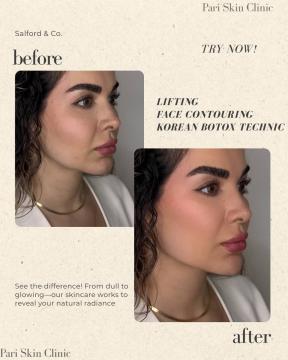
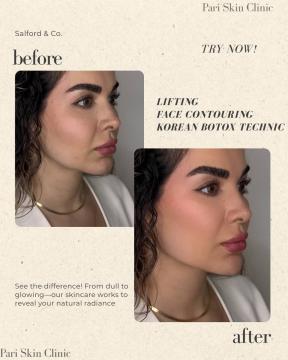
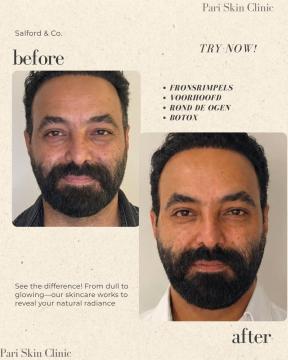
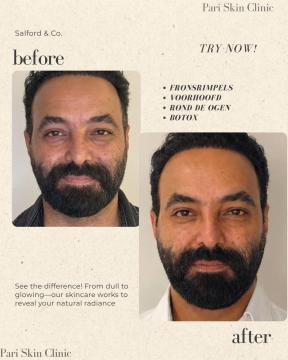
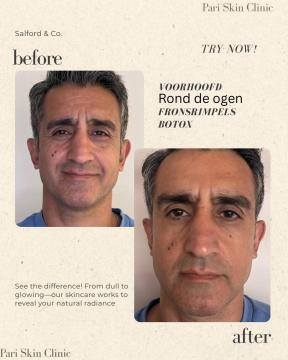
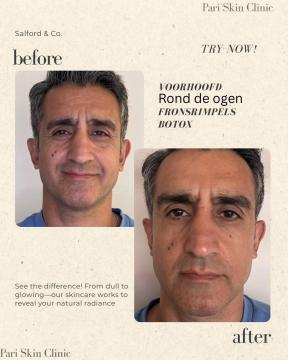
What can you judge from Botox before-and-after photos?
The most relevant differences usually involve muscle movement and expression lines.
Look at:
how much the treated area moves before and after;
how visible the lines are during the same expression;
whether lines are present only during movement or also at rest;
how much facial movement remains;
whether the photography is comparable.
Botulinum toxin does not add volume. If a photograph appears to show a major change in facial volume or structure, that should not automatically be attributed to Botox alone.
For a fuller explanation of muscle activity and treatment effect, see how Botox works.
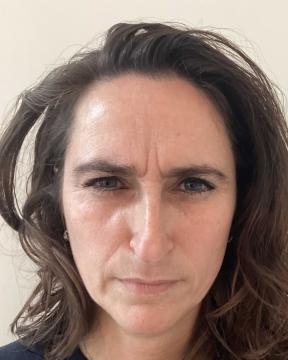
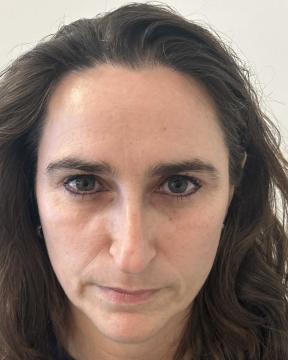
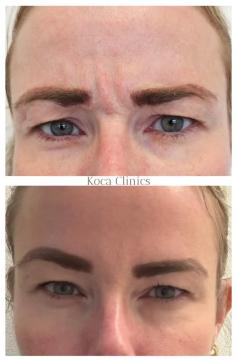
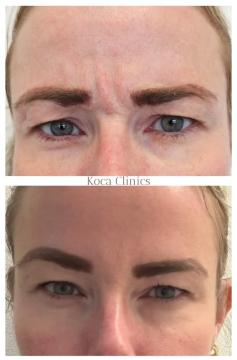
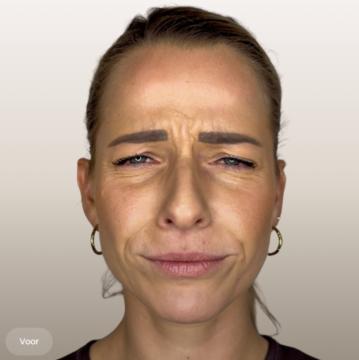
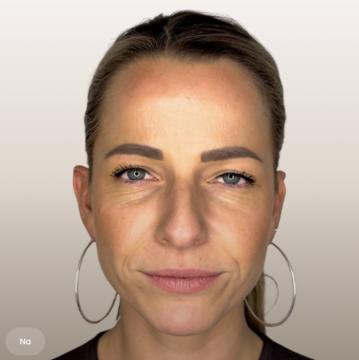
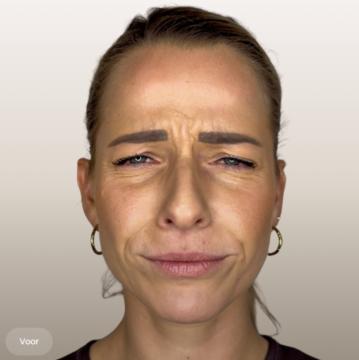
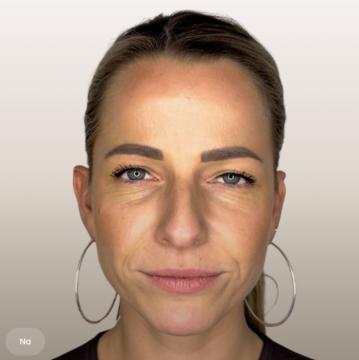
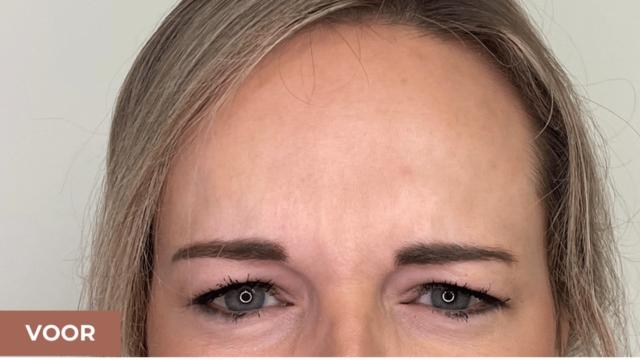
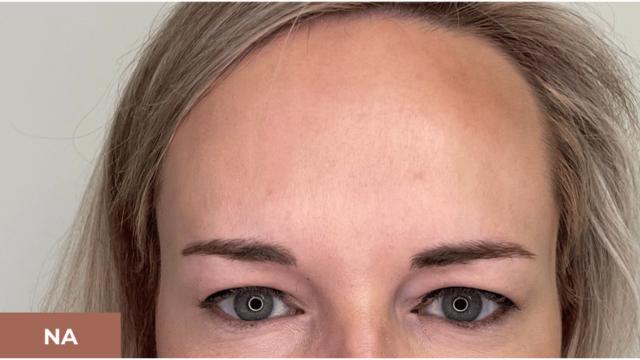
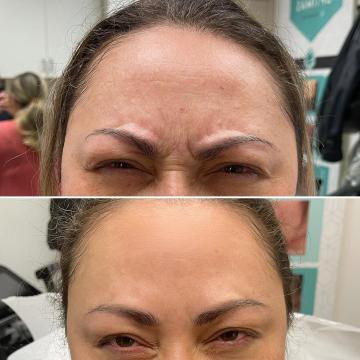
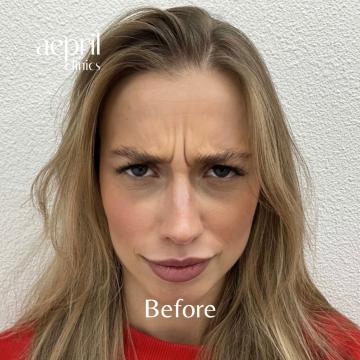
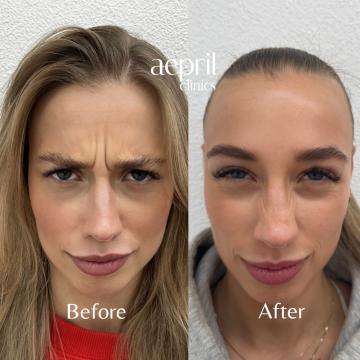
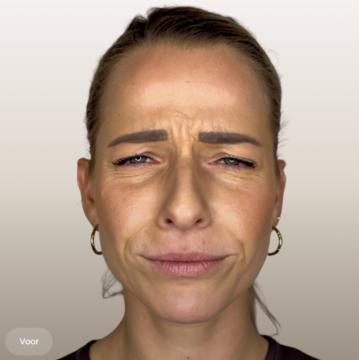
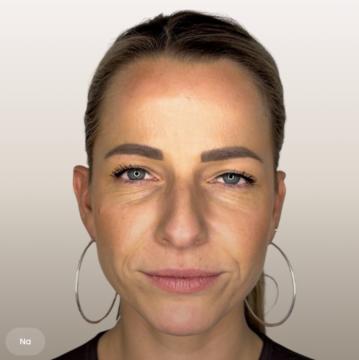
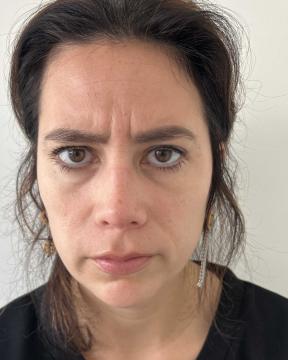
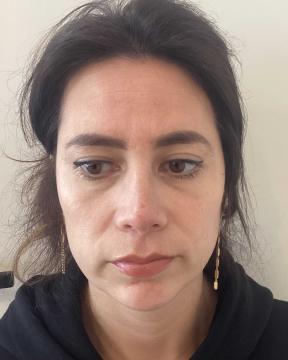
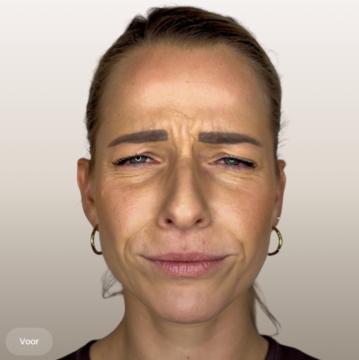
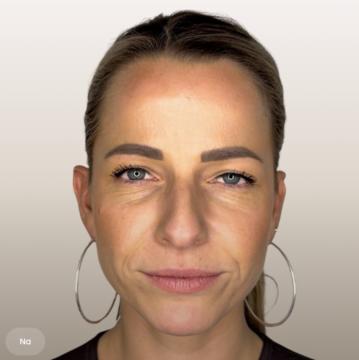
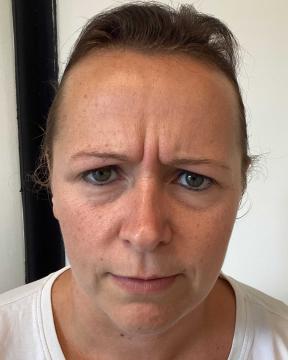
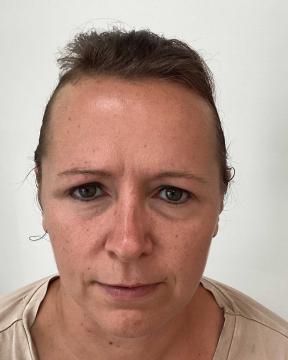
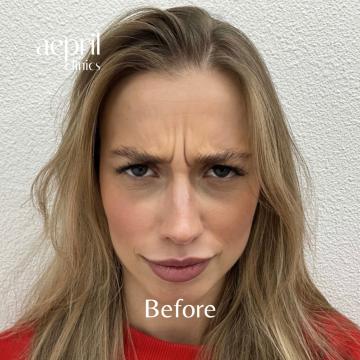
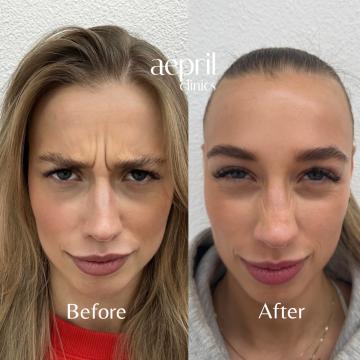
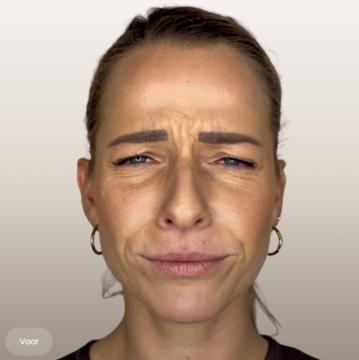
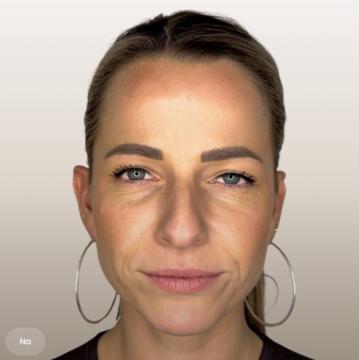
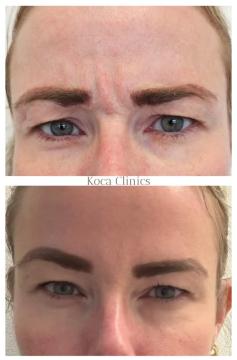
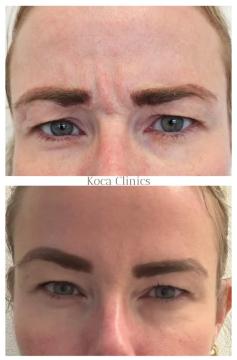
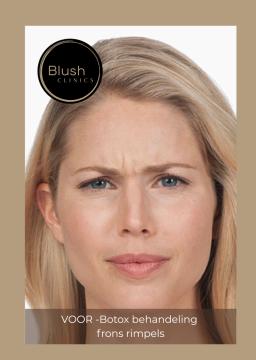
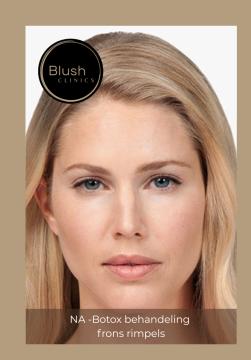
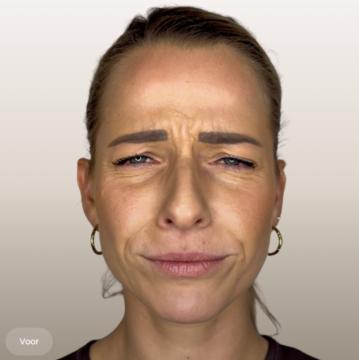
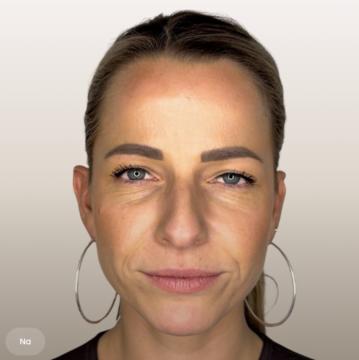
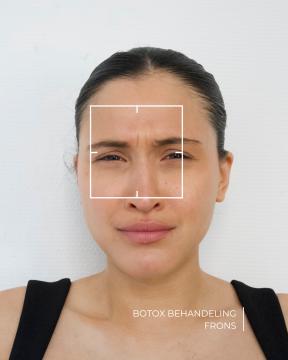
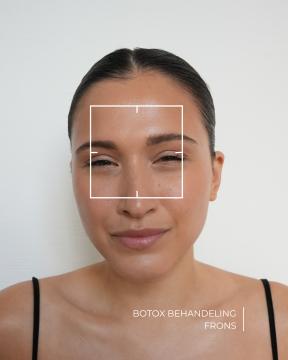
Frown line Botox before and after
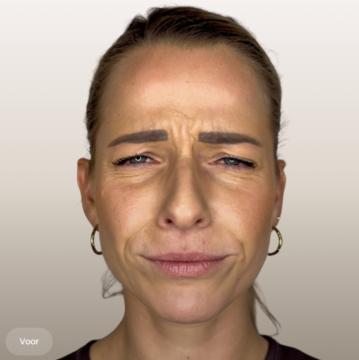
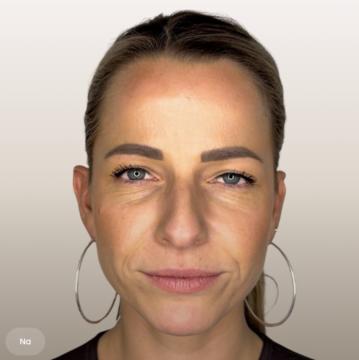
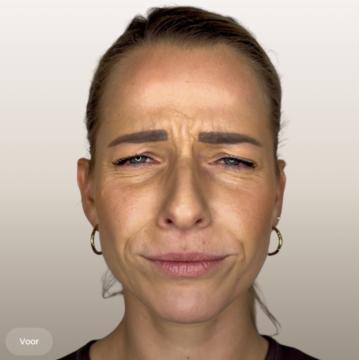
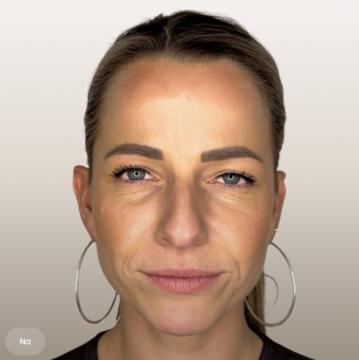
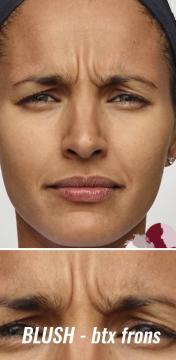
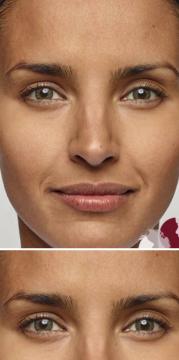
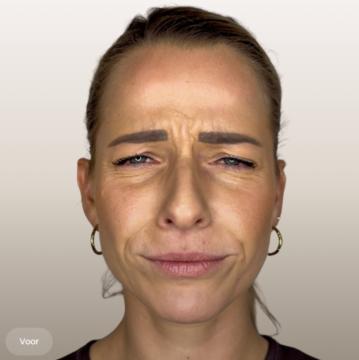
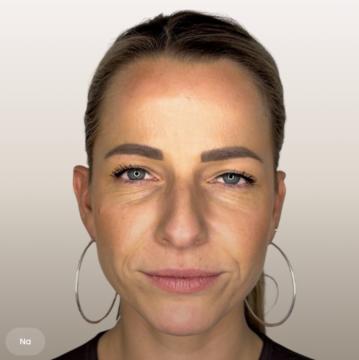
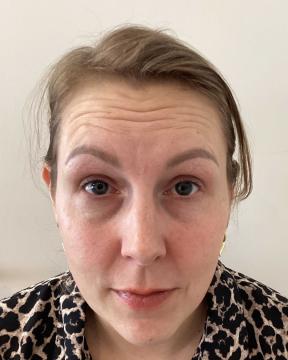
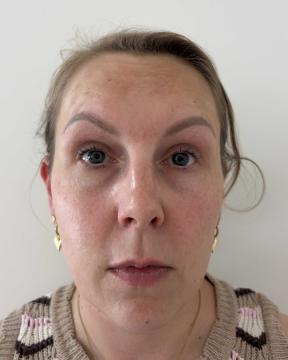
Frown lines between the eyebrows are usually easiest to compare when the person makes a similar active frown in both photographs.
After treatment, movement in the treated muscles may be reduced, meaning the skin folds less strongly during the same expression.
If a line was already visible while the face was relaxed, it may remain partly visible after treatment.
Compare:
frown with frown;
rest with rest.
For treatment-specific information, see our guide to Botox for frown lines.
Frown line Botox before and after


















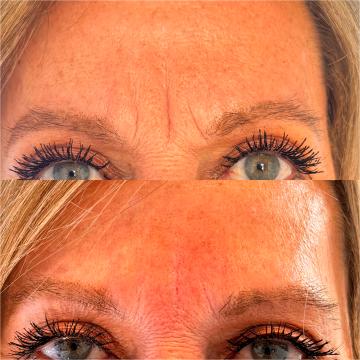
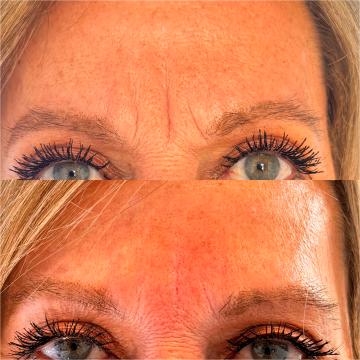
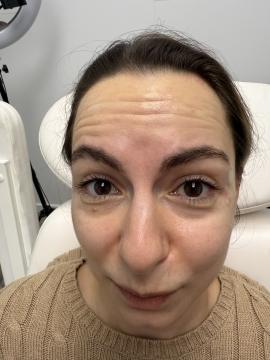
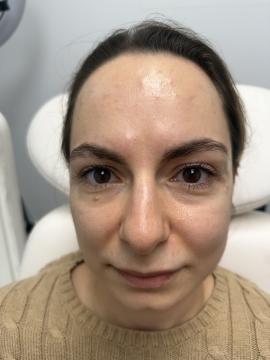







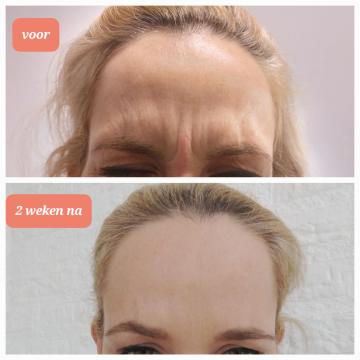


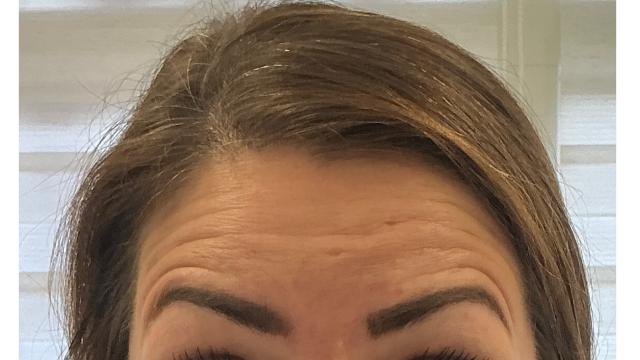
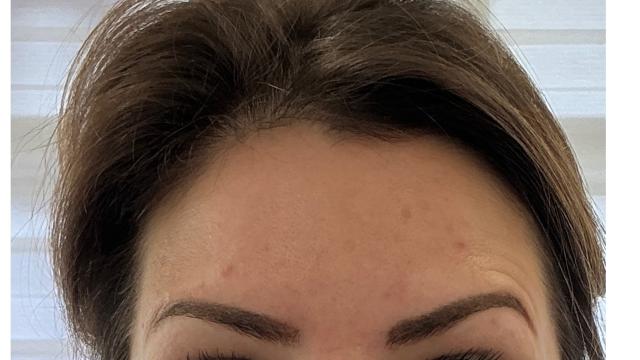
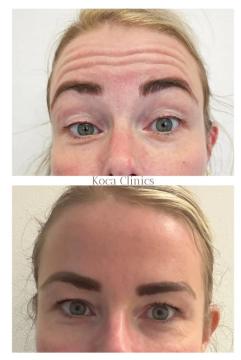
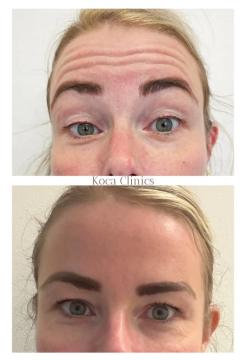
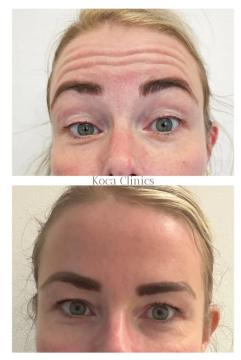
Forehead Botox before and after
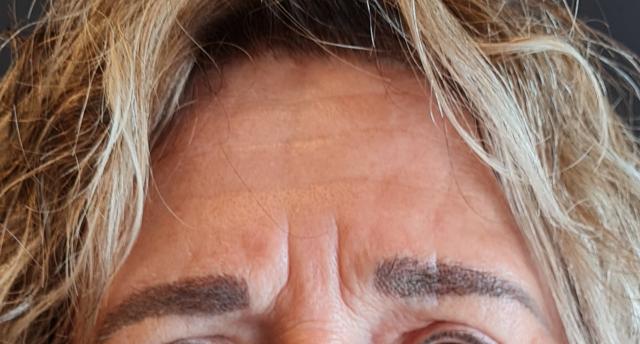
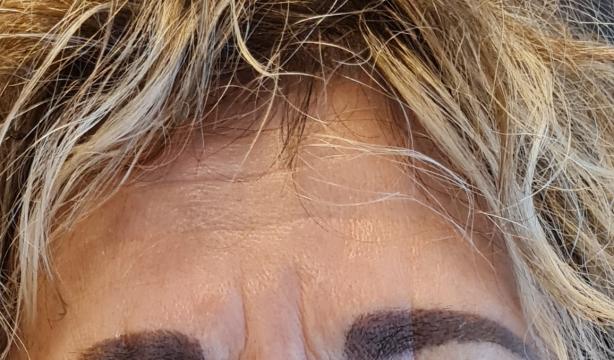
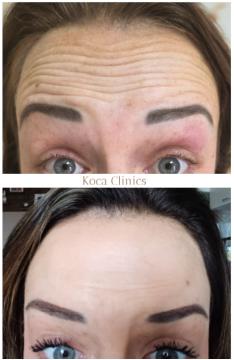
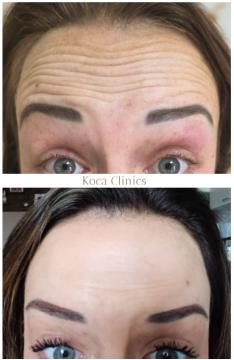
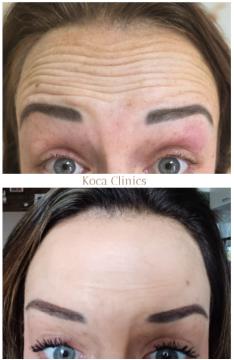
Horizontal forehead lines usually become more visible when the eyebrows are raised.
A useful before-and-after comparison should therefore show approximately the same eyebrow movement in both images.
After treatment, forehead movement may be reduced and horizontal expression lines may appear less pronounced during movement.
Complete lack of forehead movement is not automatically the goal of treatment. The amount of movement retained depends on the person's starting point and agreed treatment plan.
For a dedicated explanation, see forehead Botox.
Forehead Botox before and after


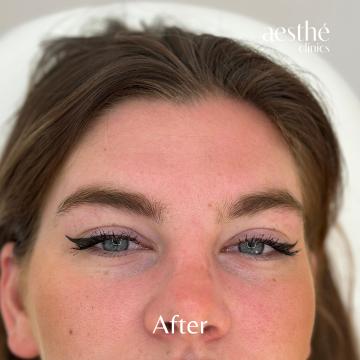


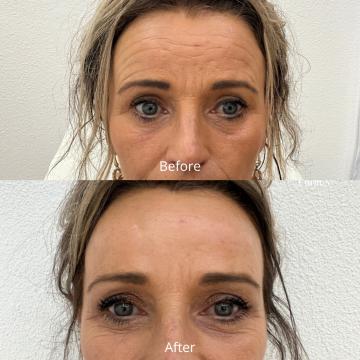
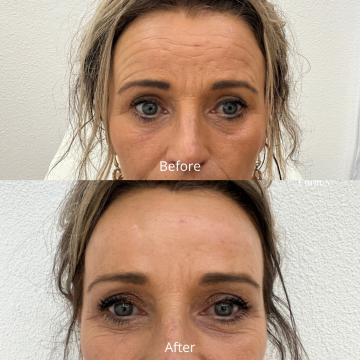








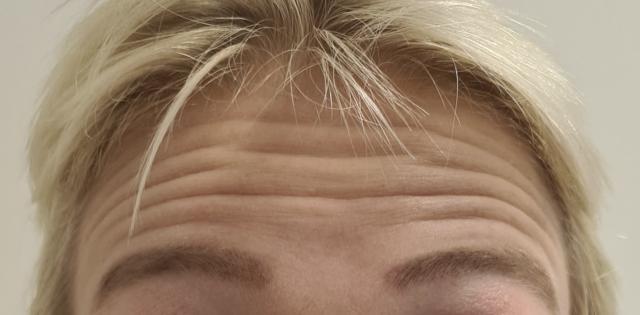

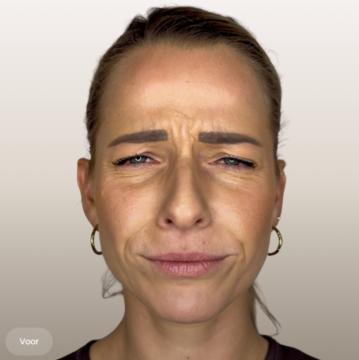
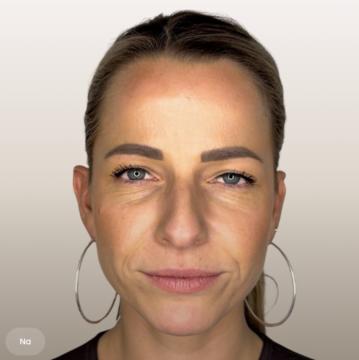
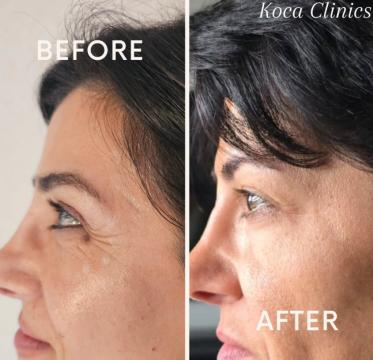
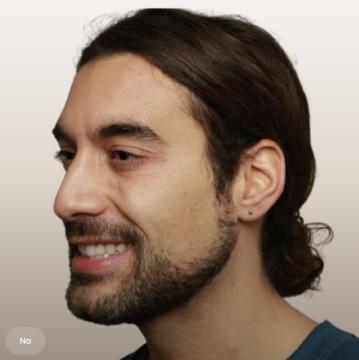
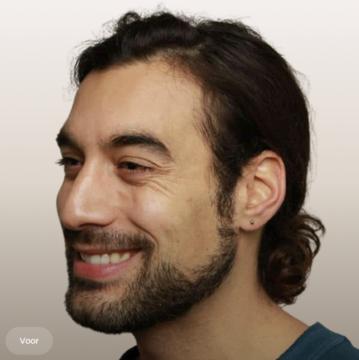
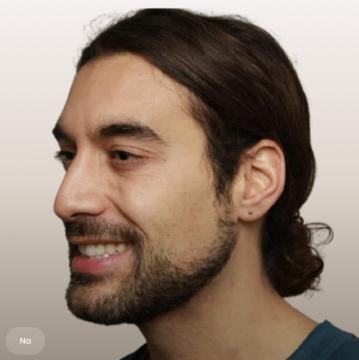
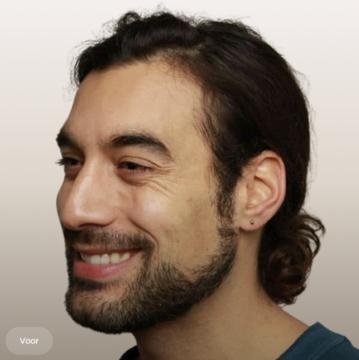
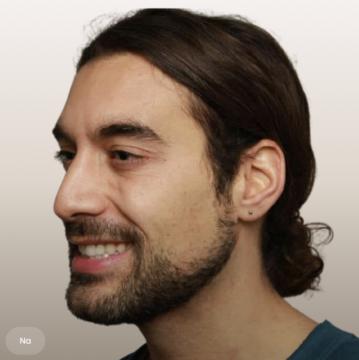
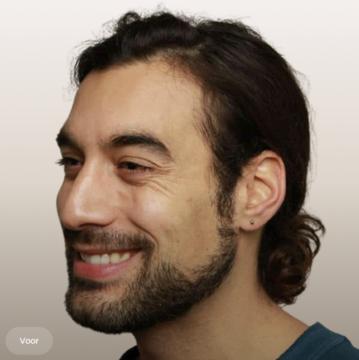
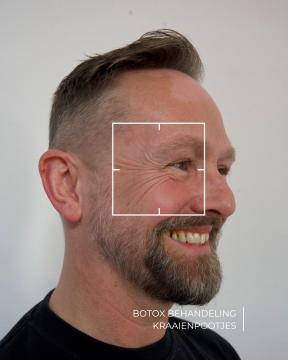
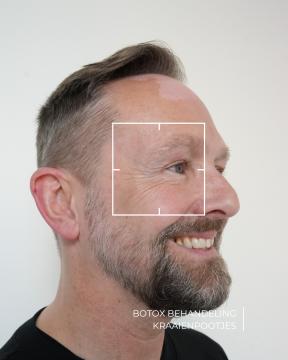
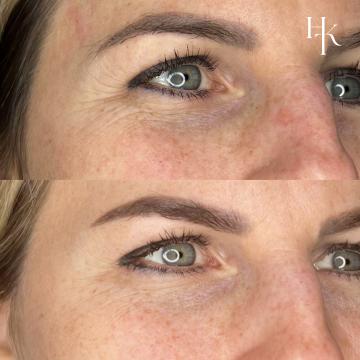
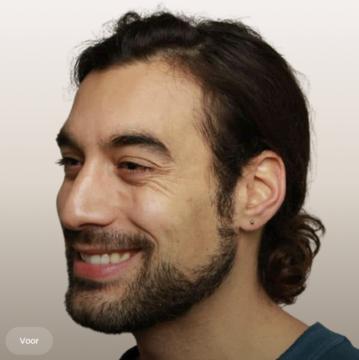
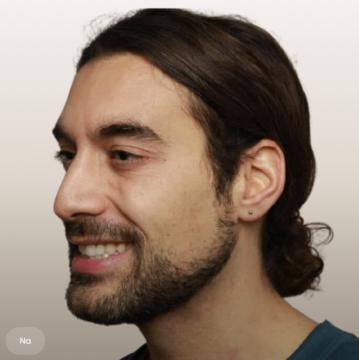
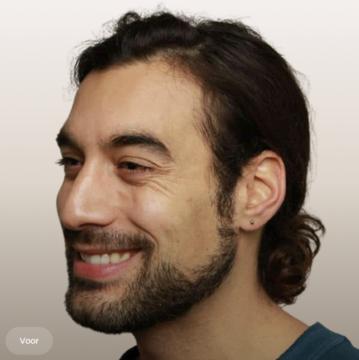
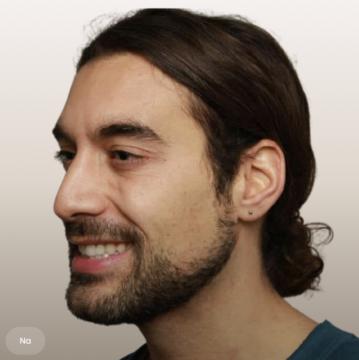
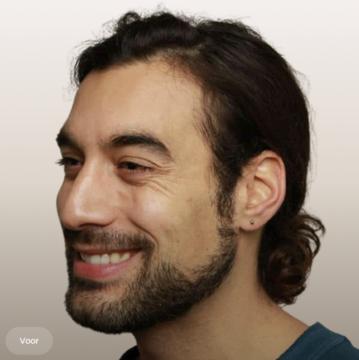
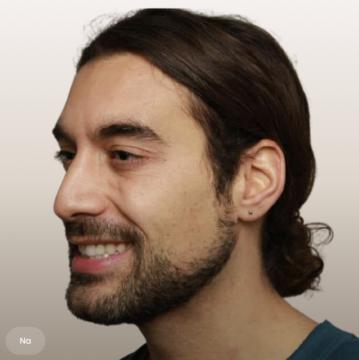
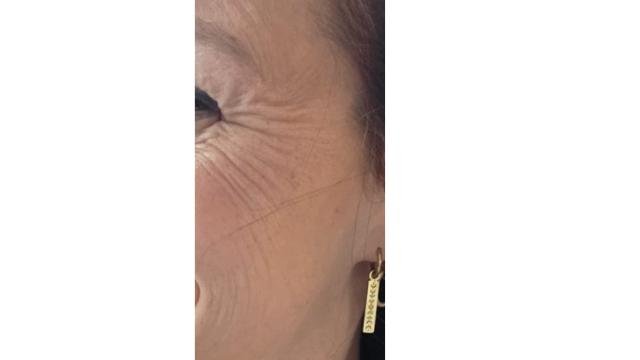
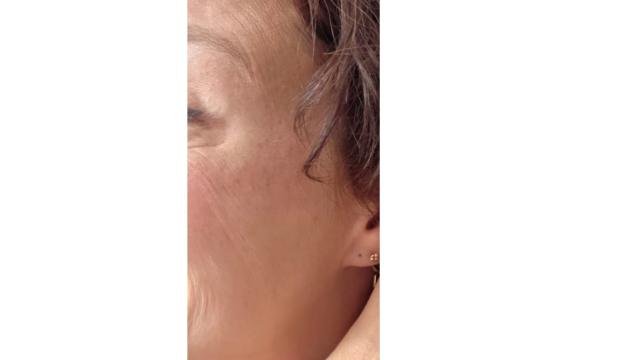
Crow's feet Botox before and after
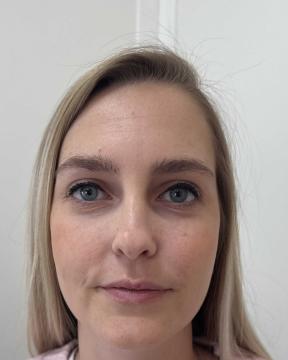
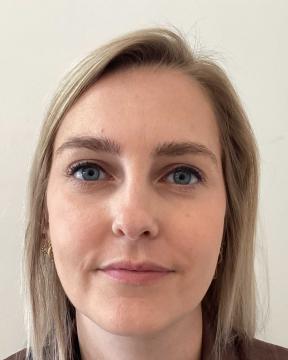
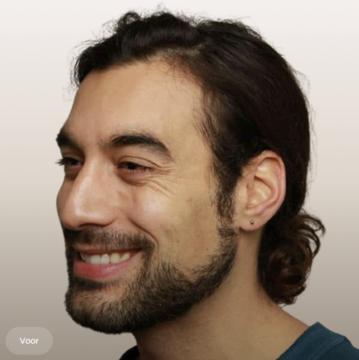
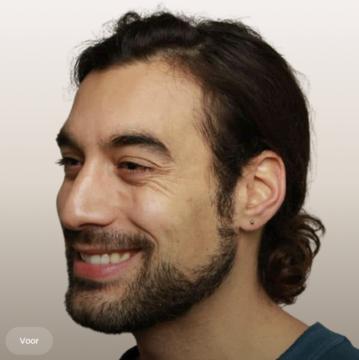
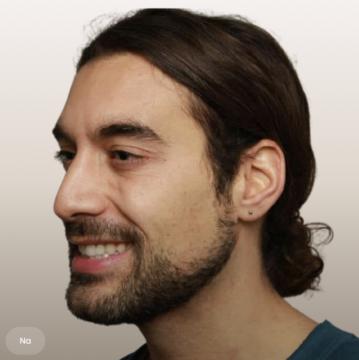
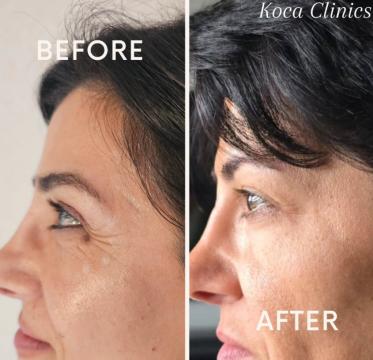
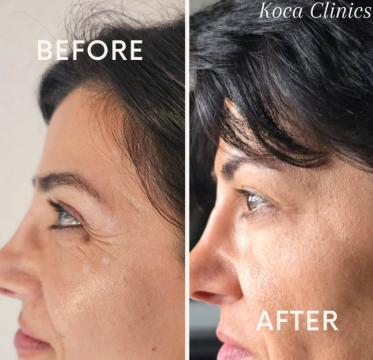
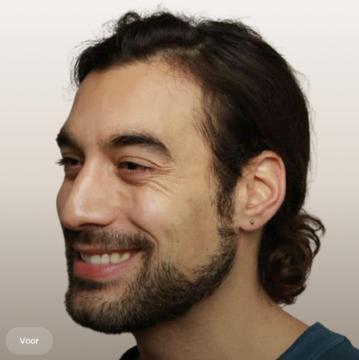
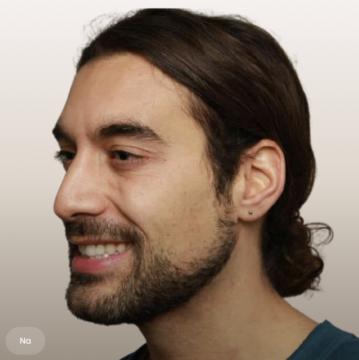
Crow's feet become particularly noticeable when someone smiles or squints because the muscles around the eyes contract.
If muscle movement contributes strongly to the lines, a visible difference after treatment may be clearest when comparing similar smiles.
Lines that remain visible while the face is relaxed may not disappear completely.
A photograph showing a broad smile before treatment and a relaxed expression afterwards is therefore not a fair comparison.
Read more about Botox for crow's feet.
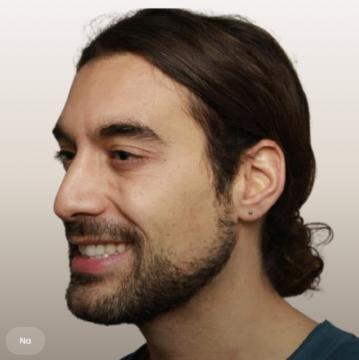
Crow's feet Botox before and after











How to compare Botox before-and-after photos fairly
The apparent difference between two photographs can change considerably depending on how the images were taken.
Same facial expression
Compare like with like:
frown with frown;
smile with smile;
raised eyebrows with raised eyebrows;
relaxed face with relaxed face.
Same camera angle
Changes in angle can alter the appearance of lines, shadows and facial contours.
Similar camera distance
A close-up can show different proportions and skin details from a photograph taken further away.
Similar lighting
Hard, soft or differently positioned lighting can make lines and shadows appear stronger or weaker.
Clear treatment area
The clinic should make it clear which area was treated.
Timing of the after photo
Check when the after photograph was taken. An image made immediately after injections does not show the eventual treatment effect.
10 checks for Botox before-and-after photos
- 1 Confirm the treatment area
- 2 Compare the same facial expression
- 3 Check the head position
- 4 Compare the camera angle
- 5 Check the camera distance
- 6 Compare the framing
- 7 Check the lighting
- 8 Check when the after photo was taken
- 9 Check whether other treatments were used
- 10 Remember that results are individual
Dynamic and static lines: why does the difference matter?
Not every facial line behaves in the same way.
Dynamic lines
Dynamic lines appear mainly when facial muscles contract, such as during:
frowning;
smiling;
squinting;
raising the eyebrows.
When muscle activity contributes strongly to a line, the visible difference after Botox may be clearest during that same movement.
Static lines
Static lines remain visible even when the face is relaxed.
Muscle activity may decrease after treatment while an established line in the skin remains partly visible.
This is why Botox before-and-after photos should not be judged solely by whether every visible line has disappeared.
When should you assess a Botox after photo?
Botulinum toxin does not produce its full visible effect immediately after injection.
Changes may begin to become noticeable over the following days, while a later photograph is generally more useful than one taken straight after treatment.
When reviewing an after photo, check:
when treatment took place;
when the photo was taken;
which area was treated;
whether the same expression is being compared.
For broader information about treatment duration, see how long Botox lasts.
Why does the result differ between people?
A before-and-after result is individual.
The visible change may depend on several factors.
Muscle activity
People naturally differ in how strongly and in what pattern their facial muscles move.
Starting point
A line mainly caused by movement can behave differently from one that remains visible at rest.
Anatomy
Muscle position, facial structure and surrounding tissues vary between individuals.
Treatment plan
Different people may want different degrees of movement reduction.
Individual response
The timing and extent of the visible effect can also vary.
A photograph therefore shows what happened to one person. It does not predict or guarantee your own result.
What Botox photos cannot prove
Changes in skin texture
Lighting, image sharpness and camera settings can change how fine skin texture appears. Botox is not intended to correct every form of skin texture, so apparent texture changes should not automatically be attributed to the treatment.
Changes in facial volume
Botulinum toxin reduces muscle activity; it does not add filler volume. A major apparent change in facial volume should not automatically be interpreted as an effect of Botox alone.
Changes in facial structure
Botox does not directly change bone structure or other fixed anatomical features. Photographs that appear to show major structural changes should therefore be interpreted cautiously.
The cause of asymmetry
A photograph cannot establish why the two sides of a face look different. Natural anatomy, muscle activity, camera angle and other factors may all contribute.
Whether Botox or filler caused the change
If multiple injectable treatments were used, a photograph may not show which visible change came from botulinum toxin and which came from added volume.
For the broader distinction between these treatment types, see Botox versus fillers.
What does a Botox before-and-after photo tell you and what doesn't it tell you?
A good photograph can show how visible movement and lines changed within a particular treated area for one person.
It cannot reliably tell you:
how much your own face would change;
how much movement you would retain;
which amount of product would be appropriate for you;
what the treatment felt like;
which risks may apply to you;
whether the same treatment plan would be appropriate in your circumstances.
Use before-and-after photographs as examples of individual results rather than predictions.
Using Botox photos to compare clinics
A clinic with hundreds of photographs is not automatically better than one with a smaller gallery.
More useful signs include:
several relevant cases;
clear identification of the treated area;
matching facial expressions;
comparable lighting and camera angle;
information about when after photos were taken;
transparency about combination treatments;
realistic explanations without result guarantees.
For a broader provider comparison framework, see how to compare Botox.
Who performed the treatment also matters
Before-and-after photographs show a result, but they tell you relatively little about the assessment and decision-making behind it.
When comparing providers, consider:
relevant experience with the treatment area;
how facial movement is assessed;
how expectations are discussed;
whether risks and limitations are explained;
what follow-up arrangements exist.
Read more about choosing a Botox practitioner.
Do Botox reviews help when judging results?
Reviews can provide additional context about another person's experience with areas such as consultation, communication and follow-up.
They do not prove that a treatment is medically safe or predict what result another person will achieve.
Before-and-after photographs and reviews therefore answer different questions.
See the dedicated Botox reviews page for broader patient-experience information.
Reviews of Botox treatments
It’s only been a day since having my Botox, so it’s still very early to see the full results, but I’m already really pleased with how it’s looking. Sophie was so thorough and knowledgeable, and took the time to make sure I was comfortable throughout the whole treatment.
Such a lovely experience from start to finish. I felt completely confident in Sophie’s hands and will definitely be returning. ⭐️⭐️⭐️⭐️⭐️ Show less »
Stacey takes the time to speak with me.
Gives me the best results for chin filler.
Amazing shape for lip filler.
Botox appointments are always good.
Stacey takes the time to speak with me.
Gives me the best results for chin filler.
Amazing shape for lip filler.
Botox appointments are always good.
What if your Botox result looks different from the photos?
Another person's before-and-after photograph should not be used as a target that your own treatment must reproduce.
If your result differs from what was discussed during consultation, first consider whether you are assessing it at the agreed review point rather than immediately after treatment.
If the effect appears different from what was expected or you notice an unexpected change, contact the clinic that treated you.
For detailed information about unwanted effects, see Botox complications.
Looking at results before your first Botox treatment
Before-and-after photos can help you form questions for a consultation, but they should not be used to self-assess whether treatment is suitable for you.
If you are considering treatment for the first time, our first-time Botox guide explains what to consider before a consultation.
Your own assessment and treatment plan should be based on your anatomy, muscle activity, expectations and individual circumstances rather than another person's photographs.
Compare clinics in United Kingdom

- Botox from
- £ 180,00





- Botox from
- £ 129,00

- Botox from
- £ 129,00

- Botox from
- £ 129,00

- Botox from
- £ 129,00

- Botox from
- £ 129,00

- Botox from
- £ 129,00
Frequently asked questions about Botox before and after
When can you see Botox results?
The effect develops gradually rather than immediately. A later photograph is generally more useful for assessing the treatment effect than one taken straight after the injections.
Can you judge Botox immediately after treatment?
No. An immediate post-treatment photograph may show injection-site changes but cannot show the eventual effect of reduced muscle activity.
Does Botox remove every wrinkle?
Not necessarily. Lines caused mainly by facial movement may become less noticeable, while established lines that remain visible at rest may still be partly present.
How should I compare Botox before-and-after photos?
Compare the same facial expression, camera angle, distance, framing and similar lighting. Also check which area was treated and when the after photo was taken.
Why does facial expression matter so much?
Botox changes muscle activity. Comparing a strongly animated before photo with a relaxed after photo can make the treatment difference appear larger than it actually is.
Why do Botox results differ between people?
Anatomy, muscle activity, starting lines, treatment planning and individual response vary, so two people may not achieve the same visible result.
Can static lines remain after Botox?
Yes. A line that remains visible while the face is relaxed may be influenced by more than current muscle movement and may therefore remain partly visible.
Does Botox add volume?
No. Botulinum toxin reduces activity in targeted muscles; it does not add filler volume.
Are before-and-after photos a guarantee of my result?
No. They show the result of individual treatments. Your anatomy, muscle activity and treatment plan may differ.
Can lighting make Botox results look different?
Yes. Changes in lighting can alter shadows, fine lines and visible skin texture, which is why similar lighting is important when comparing photos.
Are more before-and-after photos evidence of a better clinic?
Not necessarily. Consistency, transparency and relevance are more useful than the number of images alone.
What should I do if my result looks different from expected?
Contact the clinic or practitioner who treated you, particularly if the result remains different from what was discussed at the agreed review point or you notice an unexpected change.