Eyelid correction? Compare clinics nearby
Many people notice that the skin of the eyelids becomes looser over time, leading to drooping upper eyelids, bags, or a tired appearance. An eyelid correction (blepharoplasty) is a surgical procedure that removes excess skin and fat cells to restore a fresher, more youthful eye contour. Because technique, experience, and treatment planning vary by surgeon, comparing clinics is important for a safe and natural result.
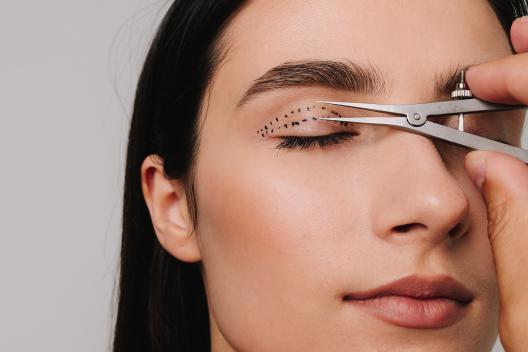
This is what you need to know about eyelid surgery
Excess skin and fat from the eyelids are removed
Results are visible after a recovery period of several weeks
The procedure takes on average 60–120 minutes, depending on complexity
Recovery usually takes 1–2 weeks before visible improvement
A natural eye contour is central
Comparing helps in choosing an experienced surgeon
Why results and experiences with eyelid surgery can differ
Why does the result of eyelid surgery look different for everyone?
The result of eyelid surgery varies per person due to differences in skin elasticity, fat distribution, and bone structure around the eyes. During the procedure, excess skin and sometimes fat tissue are removed or repositioned, which changes the contour of the eyelid. The degree of swelling, scar formation, and wound healing depends on individual factors such as age and blood circulation. Differences in the initial condition also determine how much correction is possible. As a result, the final aesthetic outcome varies from person to person.
Why does one person see results faster after eyelid surgery than another?
The speed of visible results after eyelid surgery differs due to variations in wound healing, skin elasticity, and swelling. After the procedure, an inflammatory response with fluid accumulation occurs, temporarily affecting the visible outcome. With more efficient blood circulation and faster tissue repair, swelling subsides sooner and scars close more quickly. Age and general health influence this healing phase. Therefore, one person may see the final result sooner than another.
Why are additional treatments sometimes needed after eyelid surgery?
Additional treatments may be necessary due to remaining skin laxity, asymmetry, or scar formation. During surgery, a balanced amount of skin and fat is removed to prevent overcorrection. Due to individual wound healing and skin elasticity, the final result may slightly differ from expectations. In some cases, mild swelling, pigment changes, or excess skin may remain. This may make a corrective or supportive treatment medically indicated to optimize the outcome.
Why do prices for eyelid surgery differ between clinics?
Prices differ between clinics due to variations in cost structure, expertise, and surgical setting. Clinics with higher costs for staff, operating room facilities, anesthesia, and aftercare include these in their fees. The surgeon’s experience and specialization also influence pricing, as precise technique can affect the risk of complications and revision. Additionally, complexity varies per patient, for example when combining skin and fat correction. This leads to price differences between providers for the same procedure.
Why is comparing eyelid surgery clinics important?
Eyelid surgery differs between clinics in surgical technique, surgeon experience, and medical facilities. These factors influence how precisely skin and fat tissue are removed and how wound healing progresses. Insufficient expertise can increase the risk of asymmetry, scarring, or functional issues. Aftercare and complication management also vary between providers. By comparing clinics, you gain insight into expertise and treatment quality, which increases safety and predictability of the result.
What is eyelid surgery & how does it work?
Eyelid surgery in short
Type of treatment: Surgical
Goal: Improve eye contour and reduce drooping eyelids
Visible result: Yes, after recovery
Average duration: 60–120 minutes
Main success factor: Surgeon’s experience and technique
What exactly does eyelid surgery do?
During eyelid surgery, excess skin is removed and fat accumulation is smoothed out. This can involve the upper eyelids, lower eyelids, or both.
How does the procedure proceed?
Preparation: intake and medical assessment
Treatment: local or general anesthesia, removal of skin/fat
Immediately after: swelling, bruising, and mild tightness of the eyelids
Is eyelid surgery a painful procedure?
During the operation, you usually feel no pain due to anesthesia. Recovery may be sensitive, with mild tightness or irritation.
What can go wrong with eyelid surgery?
With eyelid surgery, temporary side effects may occur such as swelling, bruising, mild redness, and sometimes a dry or tight feeling in the eyes. These symptoms are normal after the procedure and usually disappear within one to two weeks. Serious complications are rare when the treatment is performed by an experienced plastic surgeon with knowledge of anatomy and proper surgical technique.
Which side effects are most common after eyelid surgery?
The most common side effects are swelling around the eyes, bruising, mild redness, and temporary dryness of the eyes. This is a normal bodily response to the surgical procedure and healing process. In most cases, these symptoms gradually decrease within one to two weeks.
Can the result of eyelid surgery look unnatural?
In some cases, the result may look unnatural, for example if too much skin has been removed or if asymmetry occurs. That is why careful assessment, preservation of the natural eye contour, and an experienced surgeon are essential for a natural-looking result.
Is eyelid surgery safe in the long term?
Eyelid surgery is generally considered a safe procedure when performed by a qualified and experienced plastic surgeon. With proper technique, good hygiene, and appropriate aftercare, risks such as infection, scarring, and lasting asymmetry are minimized.
When should you contact a doctor after eyelid surgery?
It is important to contact a doctor if you experience increasing pain, severe redness, pus formation, vision problems, scar-related issues, or asymmetry that persists longer than a few weeks. If in doubt, it is always advisable to seek professional medical advice.
Can eyelid surgery be corrected?
Minor irregularities such as slight asymmetry or remaining excess skin can sometimes be corrected with an additional procedure. A doctor will assess whether and when a corrective treatment is possible and appropriate.
Popular eyelid surgery treatments
Upper eyelid surgery — for drooping eyelids
Lower eyelid surgery — for bags and puffiness
Combination upper and lower eyelid surgery — fully rejuvenated eye contour
Laser or filler additions — for fine lines or skin quality
Eyelid surgery: Results, recovery & safety
Result:
Fresher eye appearance
Reduction of drooping eyelids or under-eye bags
Natural contour
Recovery time: 1–2 weeks for visible improvement, 4–6 weeks for the final result
Safety:
Experienced plastic surgeon
Proper surgical technique
Hygiene and aftercare protocol
Eyelid correction before and after photos
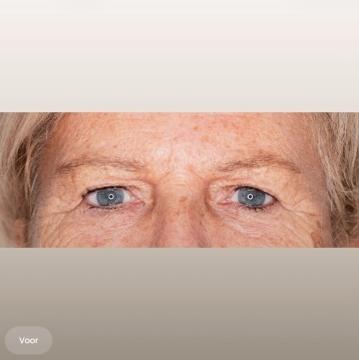
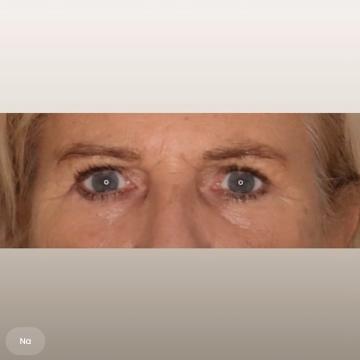
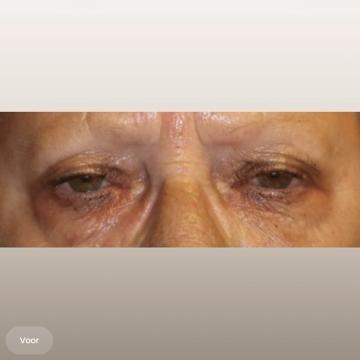
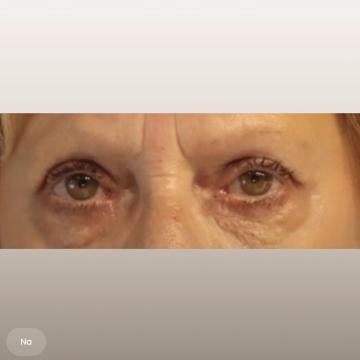


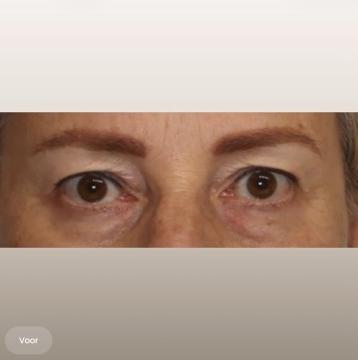
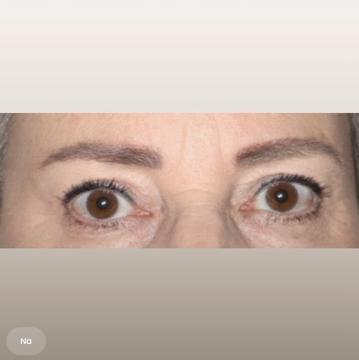
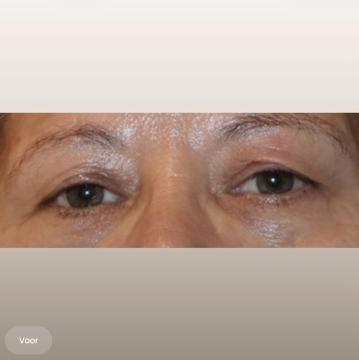
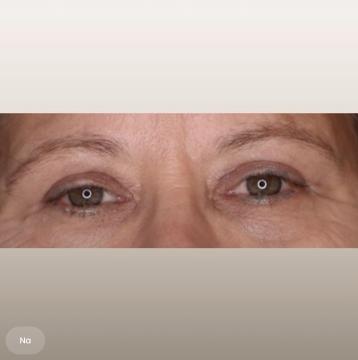
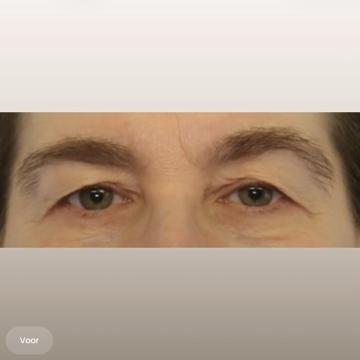
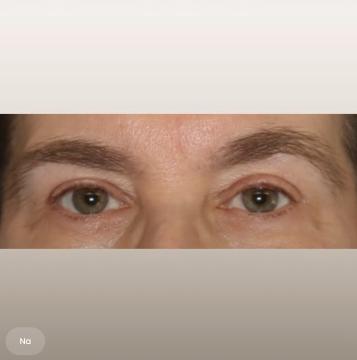
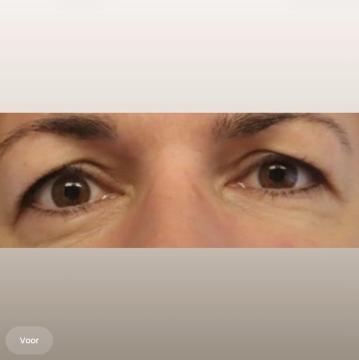
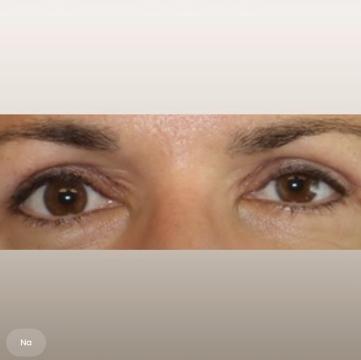
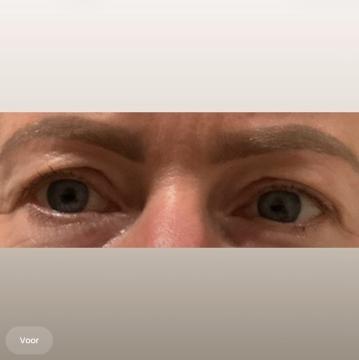
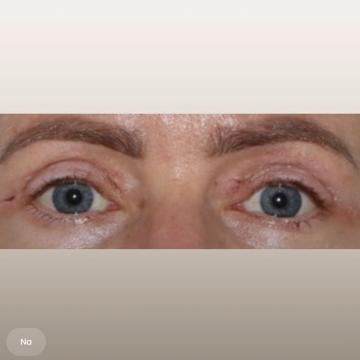
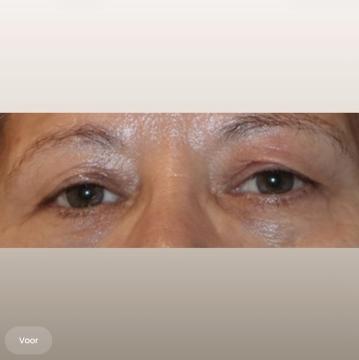
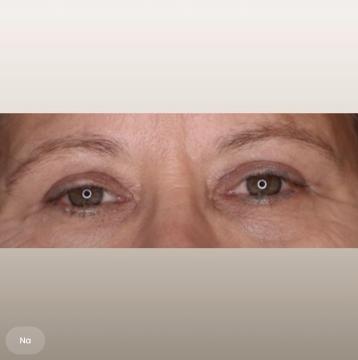
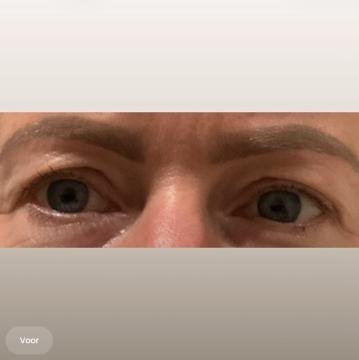
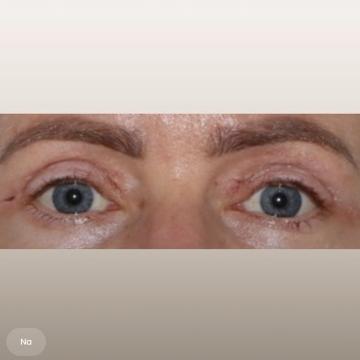
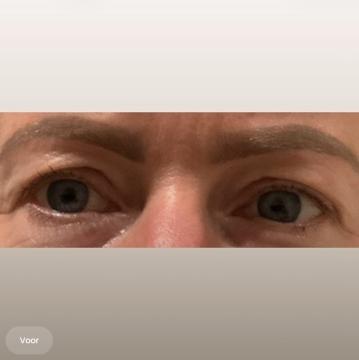
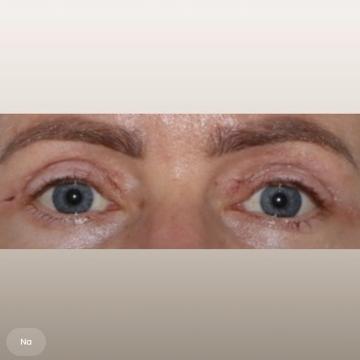
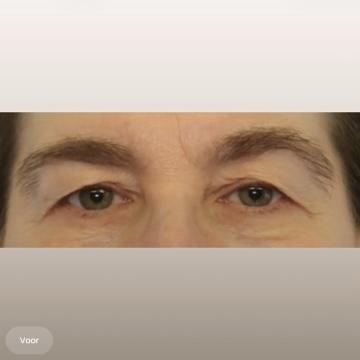
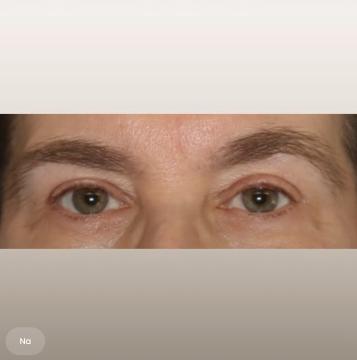
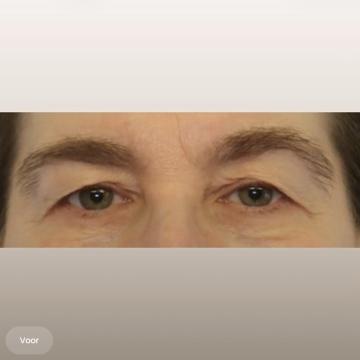
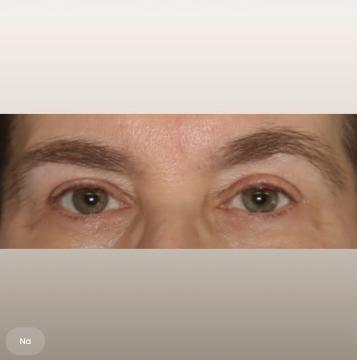
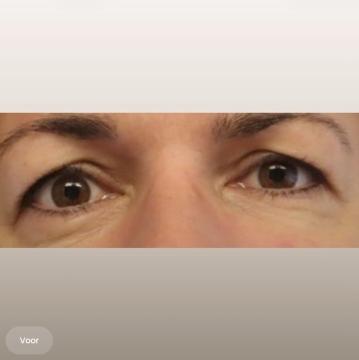
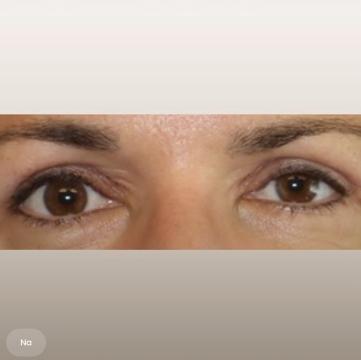
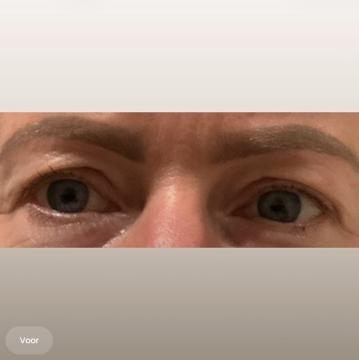
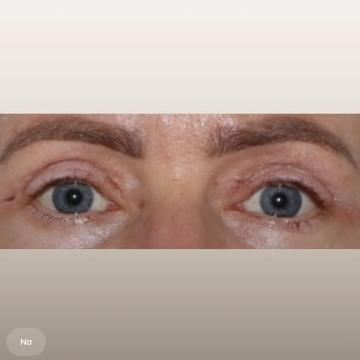
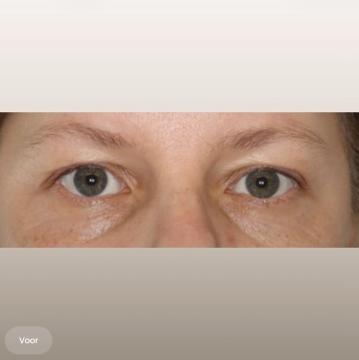
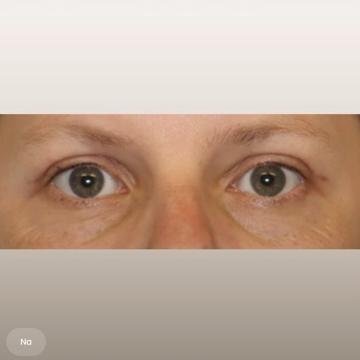
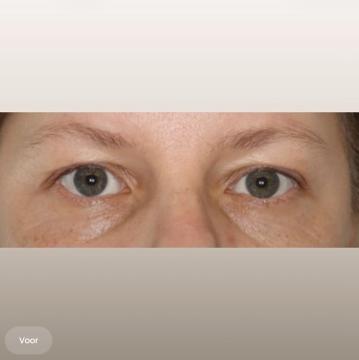
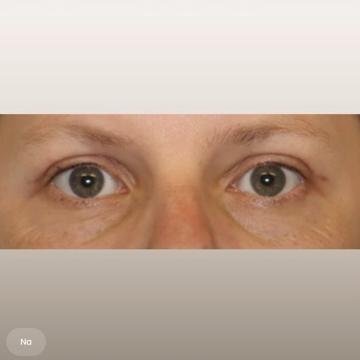
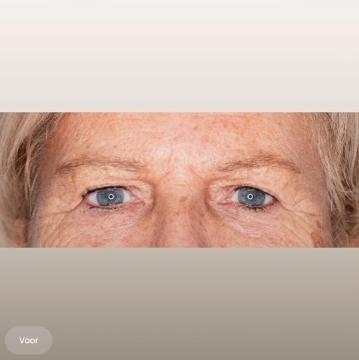
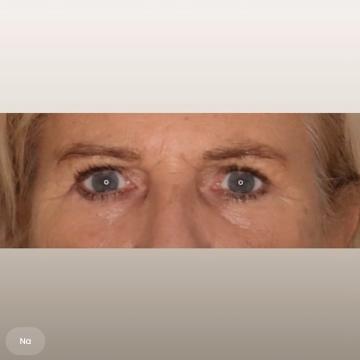
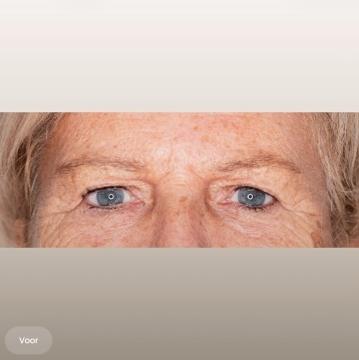
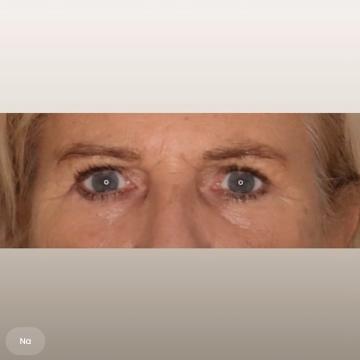
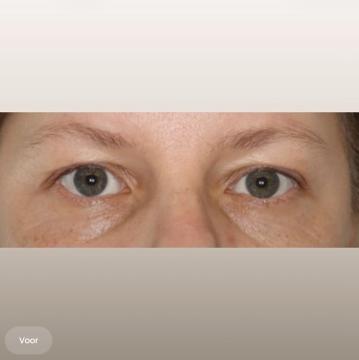
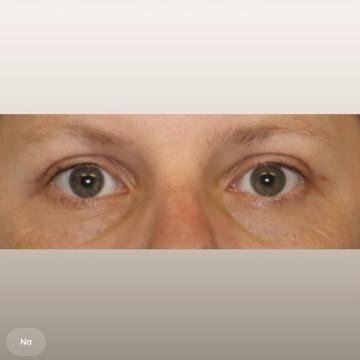
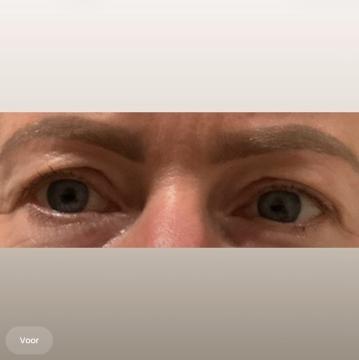
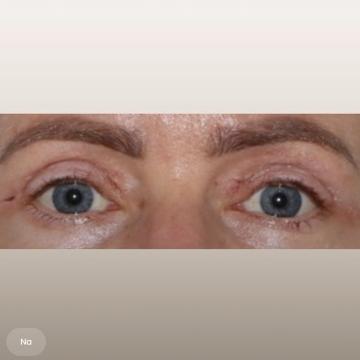
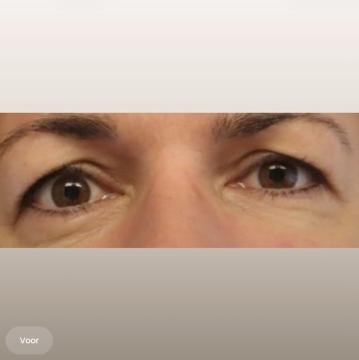
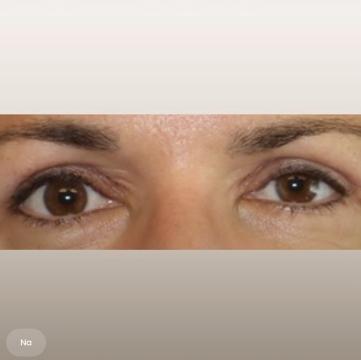
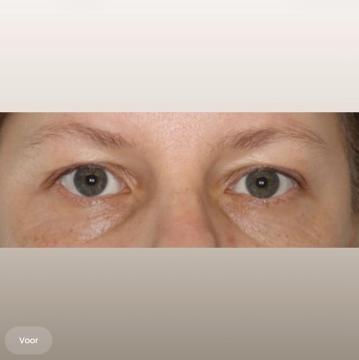
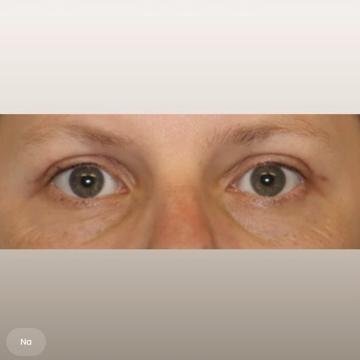
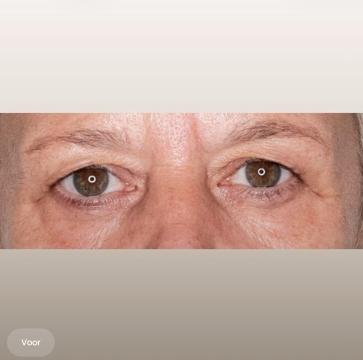
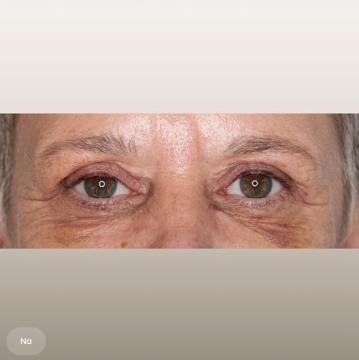
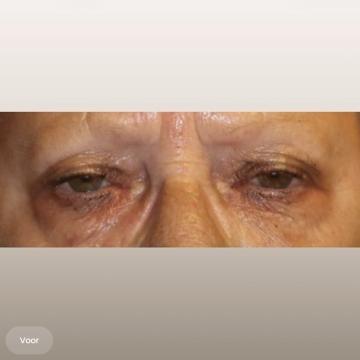
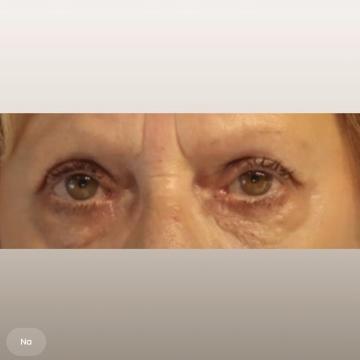
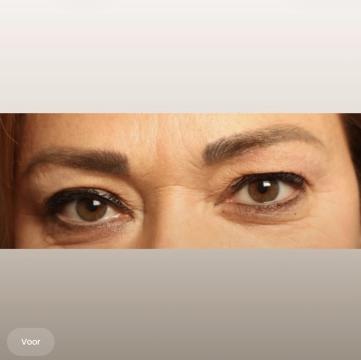
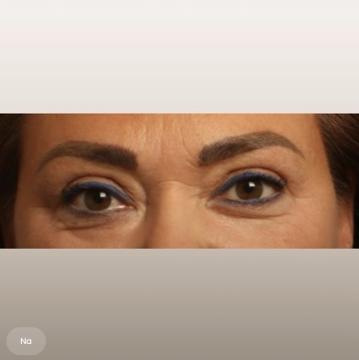
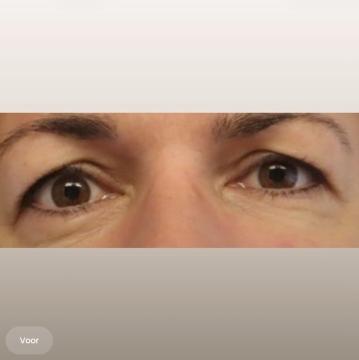
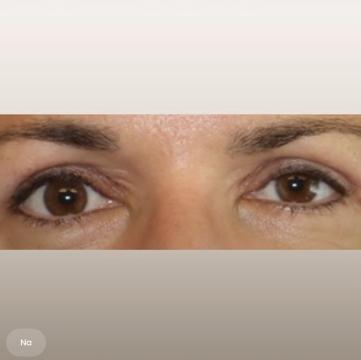
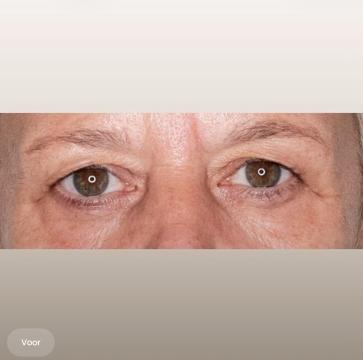
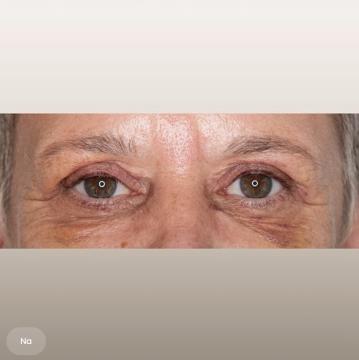
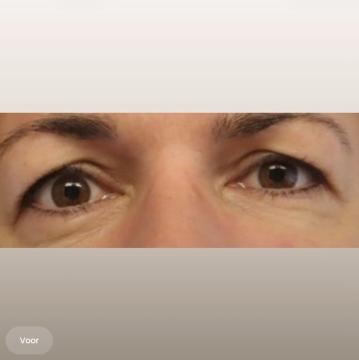
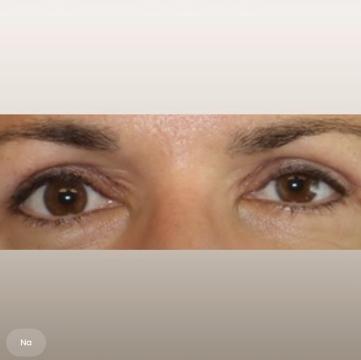
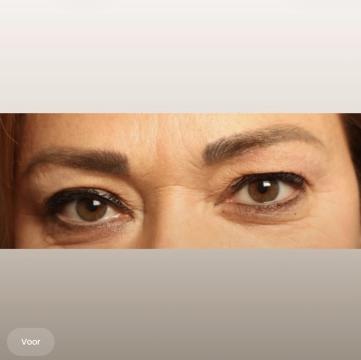
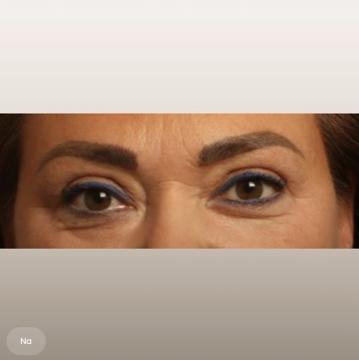
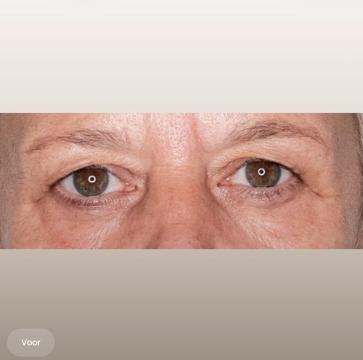
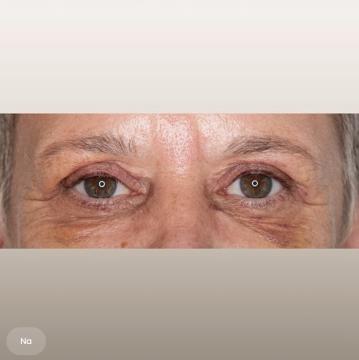
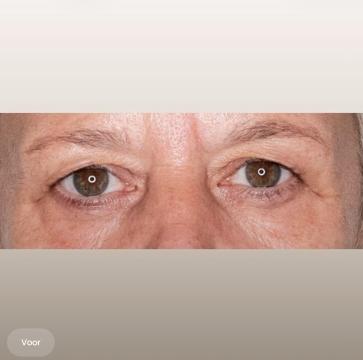
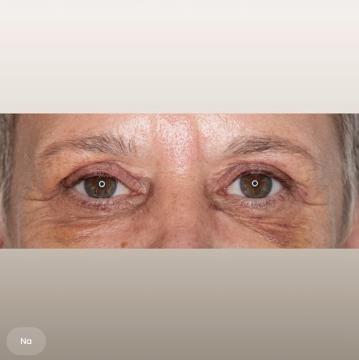
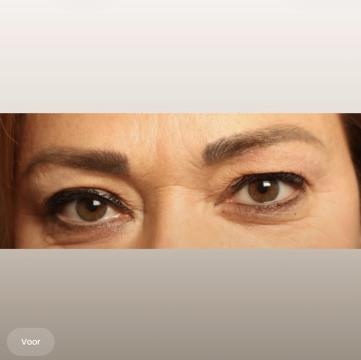
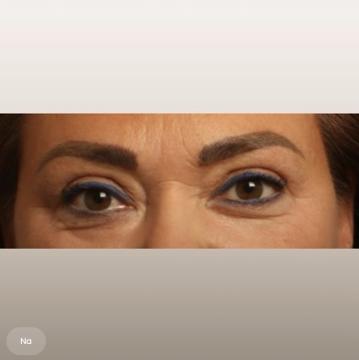
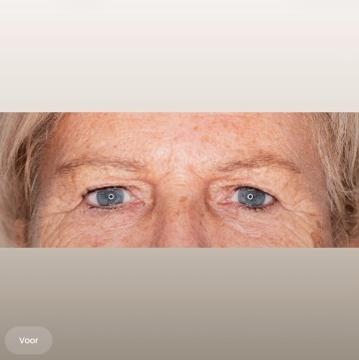
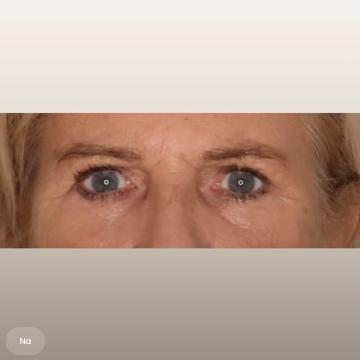
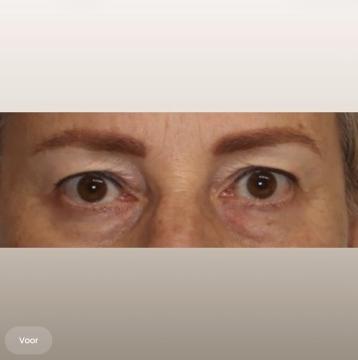
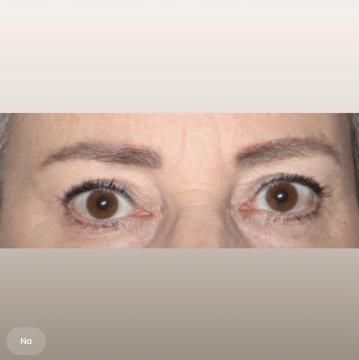
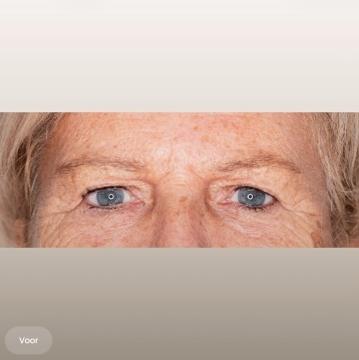
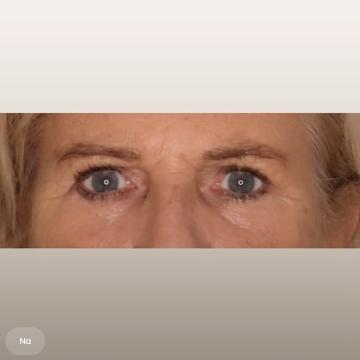
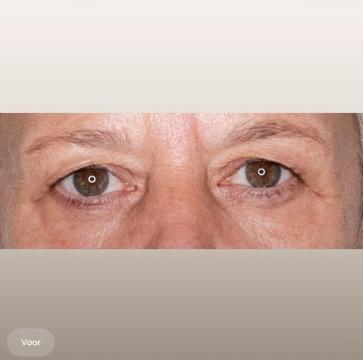
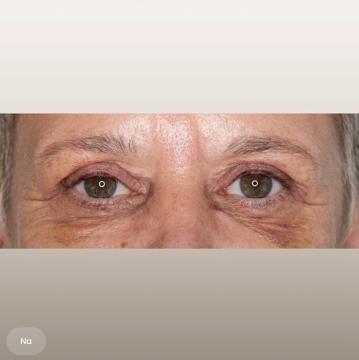
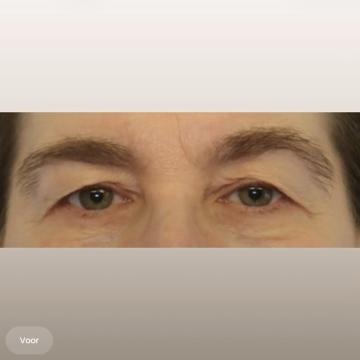
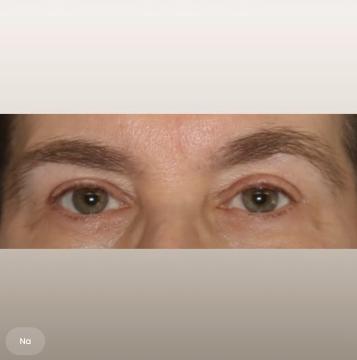
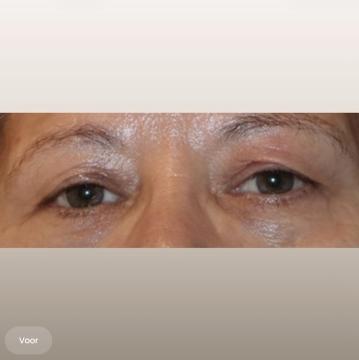
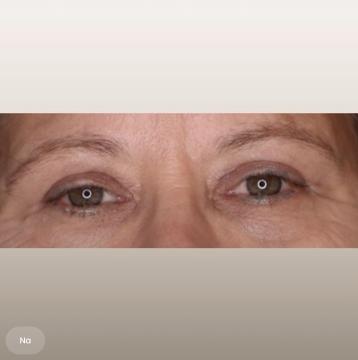
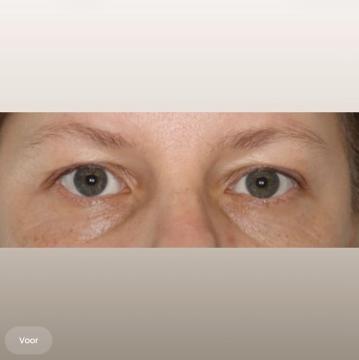
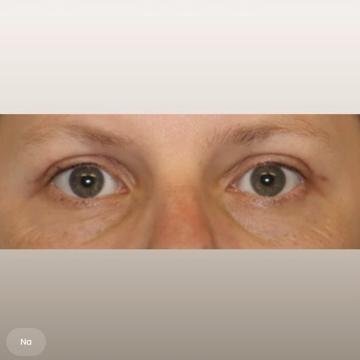
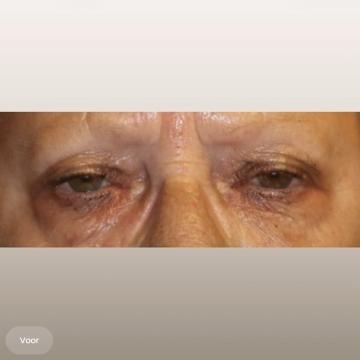
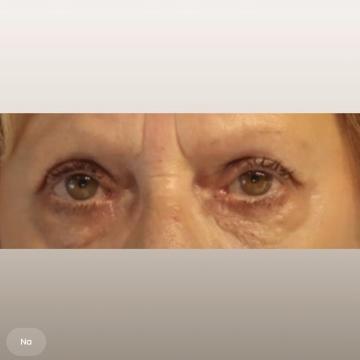
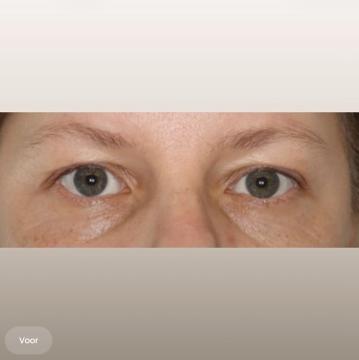
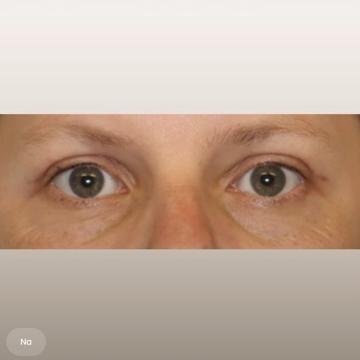
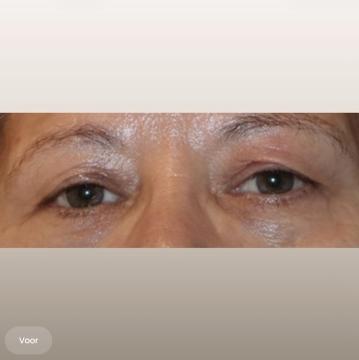
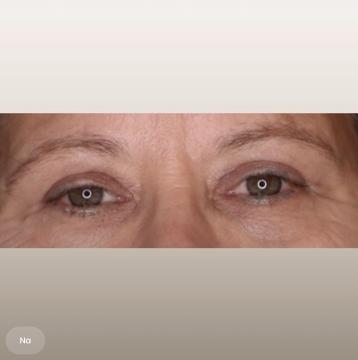
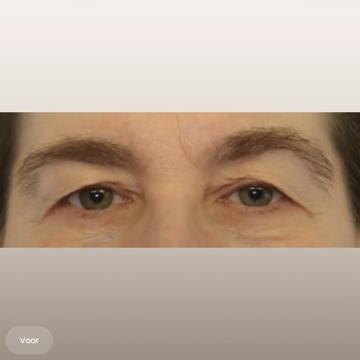
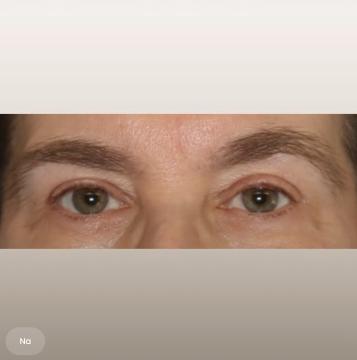
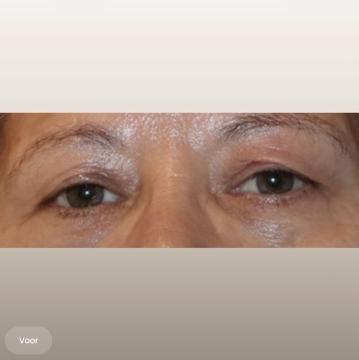
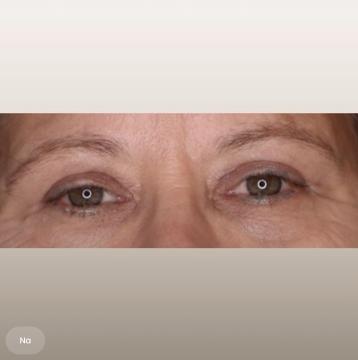
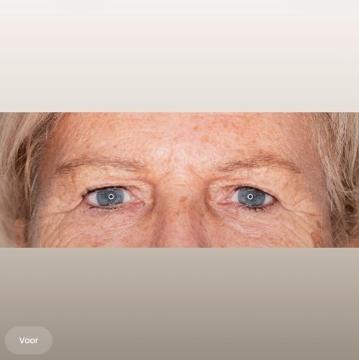
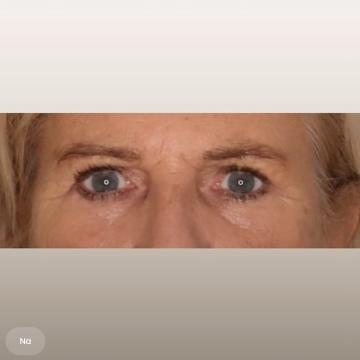
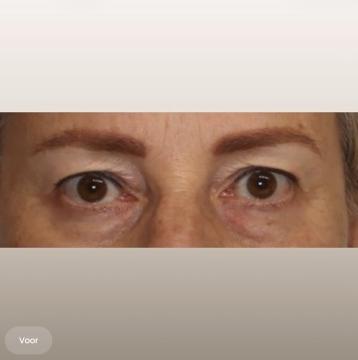
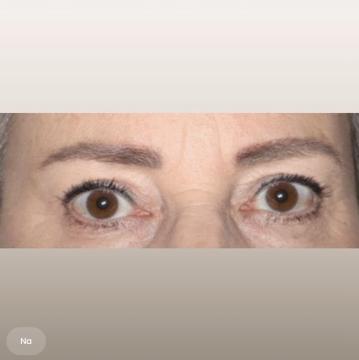
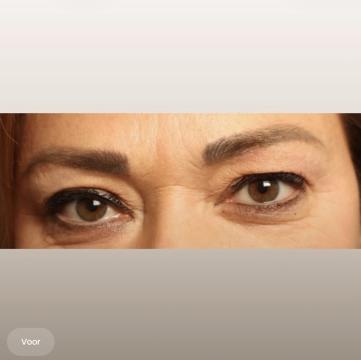
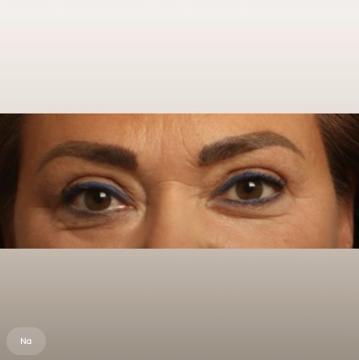
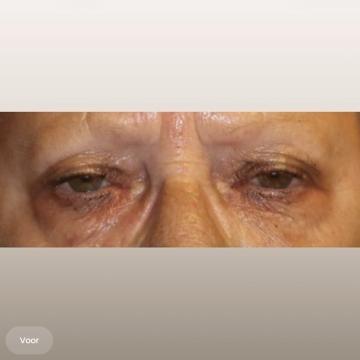
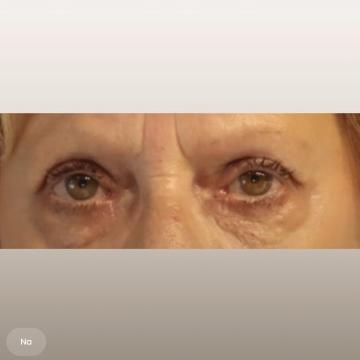


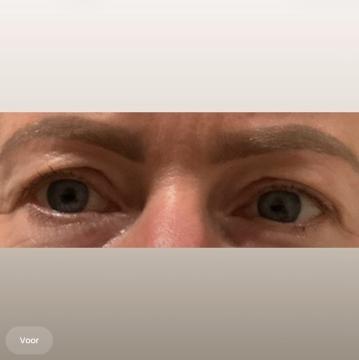
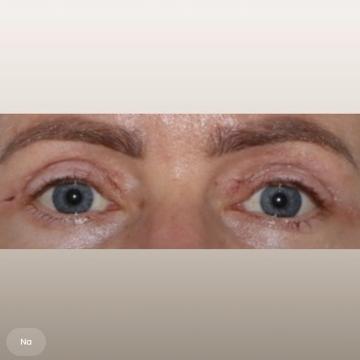
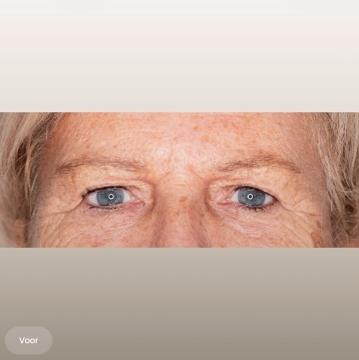
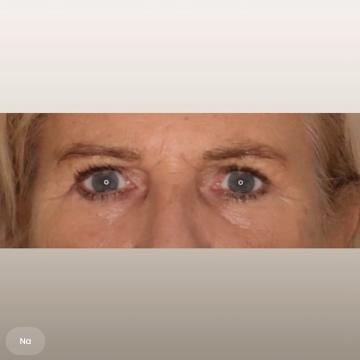
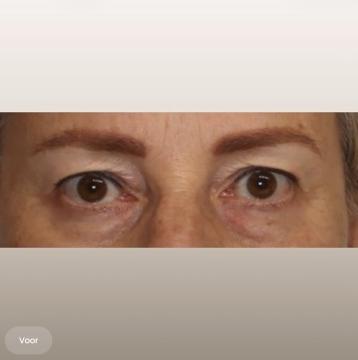
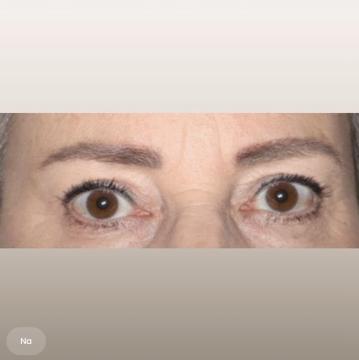
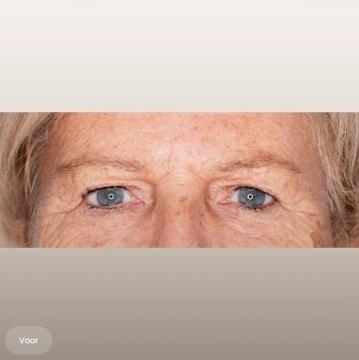
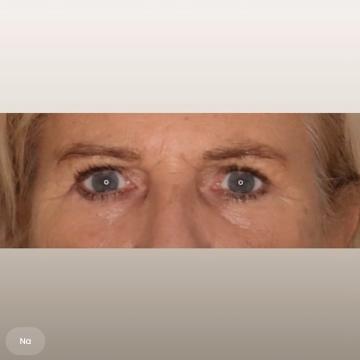


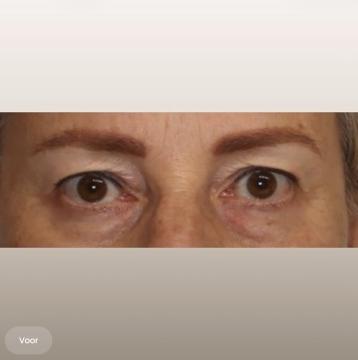
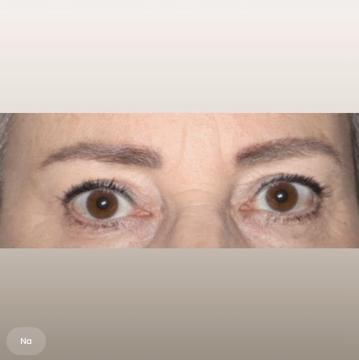
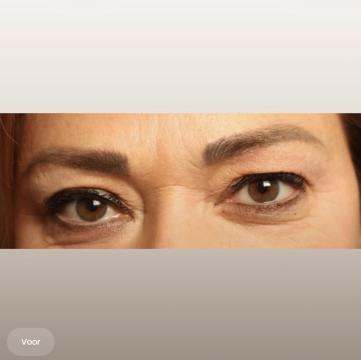
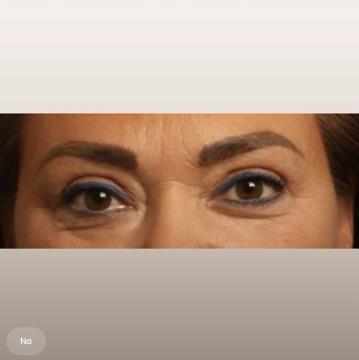
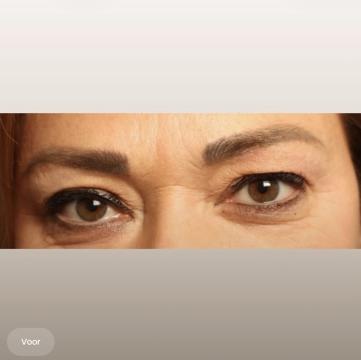
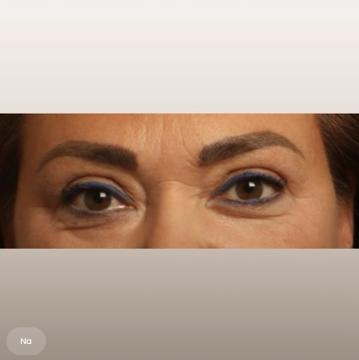
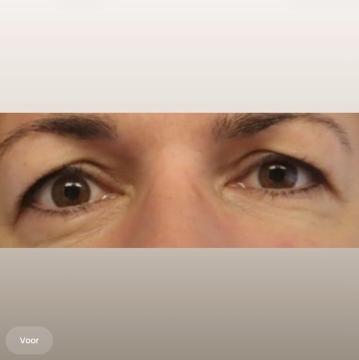
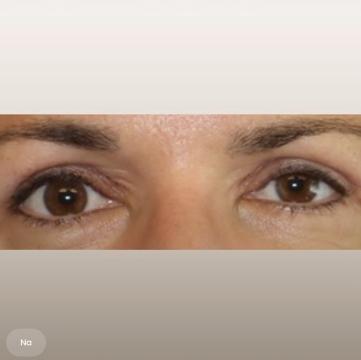
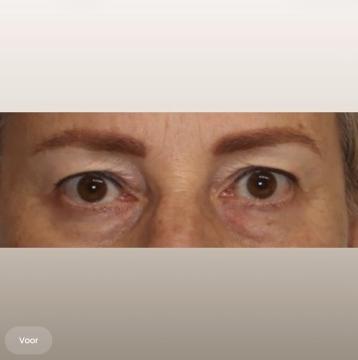
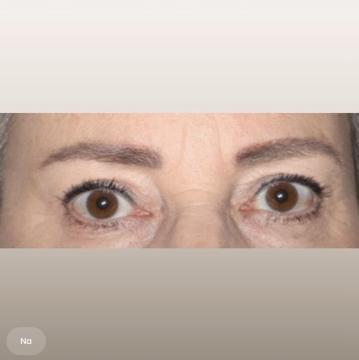
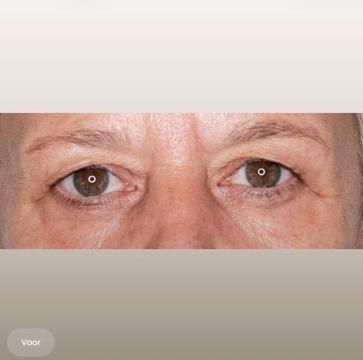
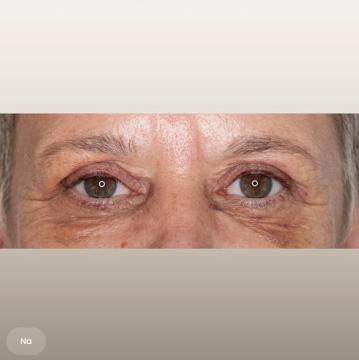
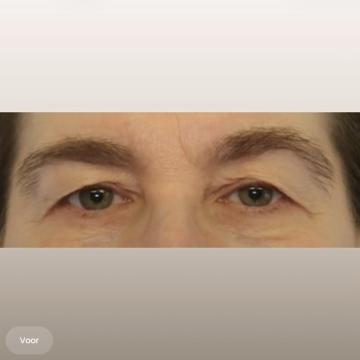
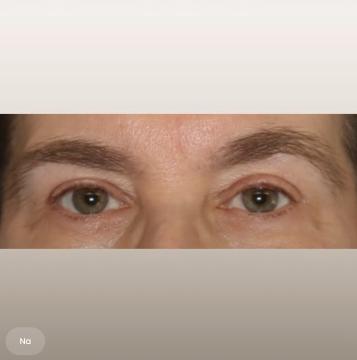
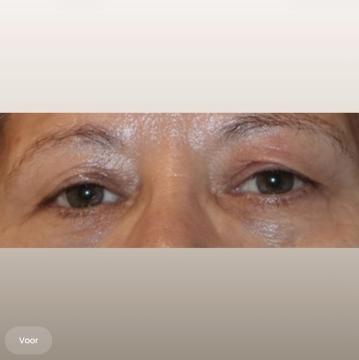
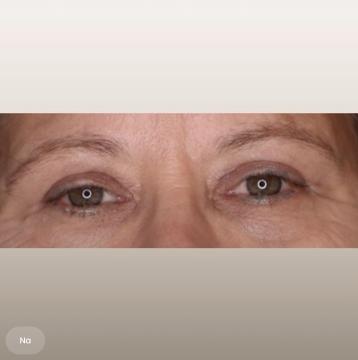
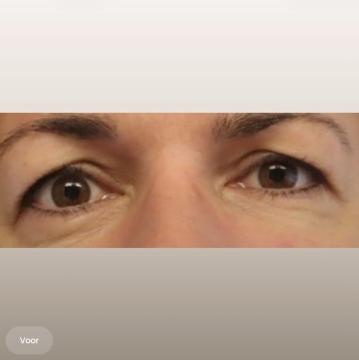
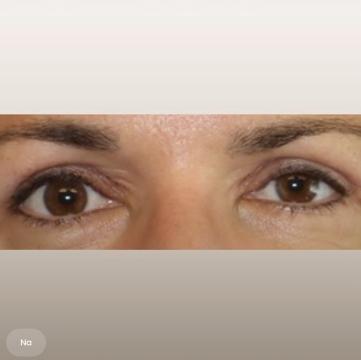
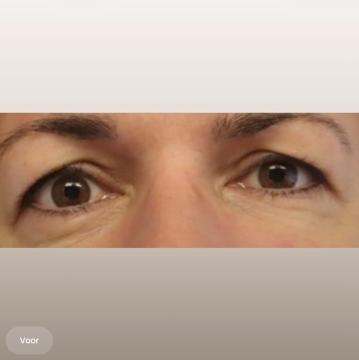
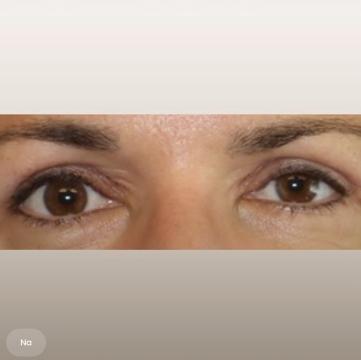
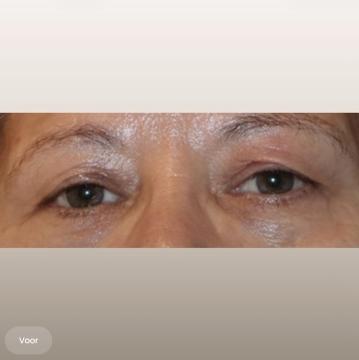
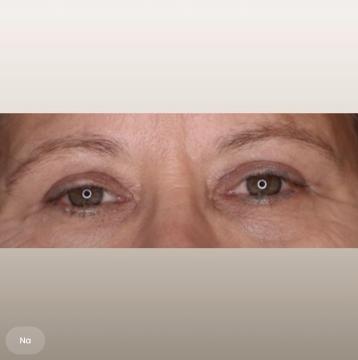
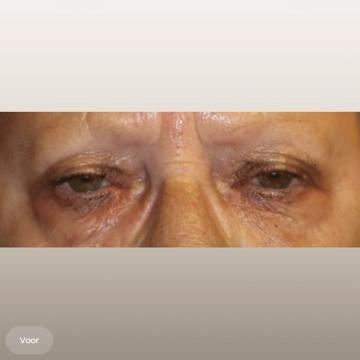
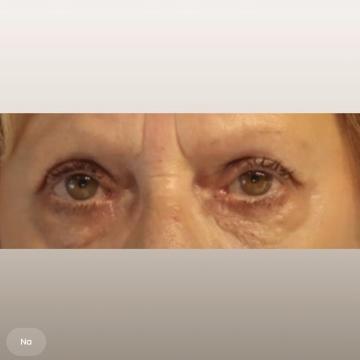
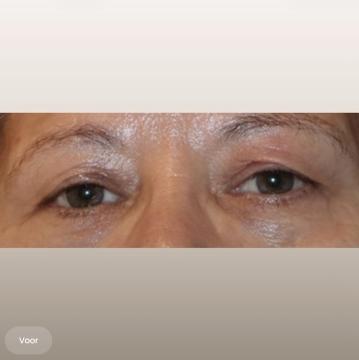
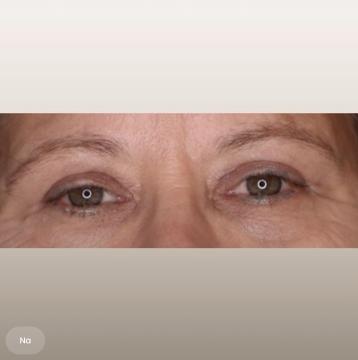
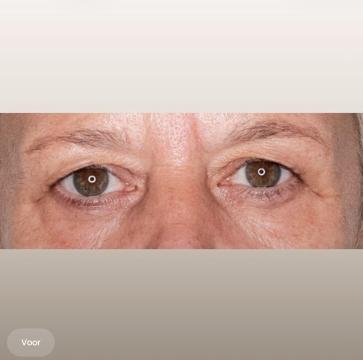
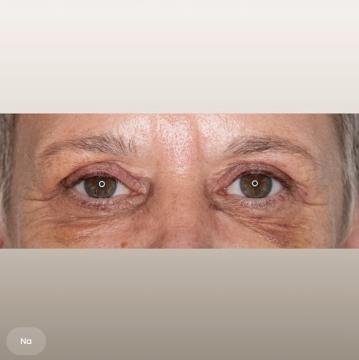
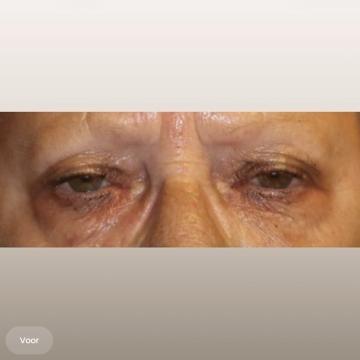
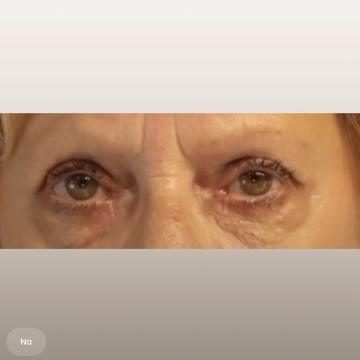
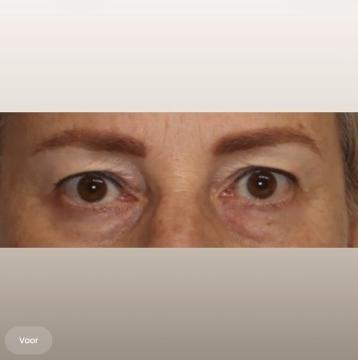
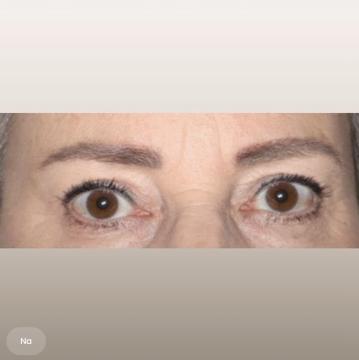
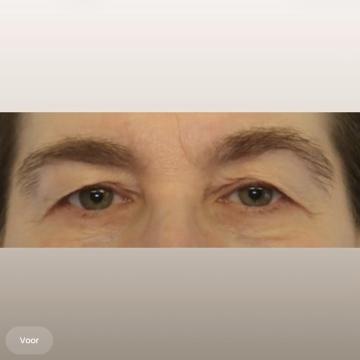
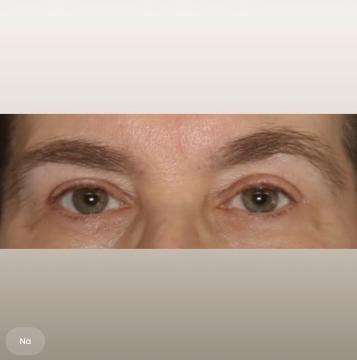
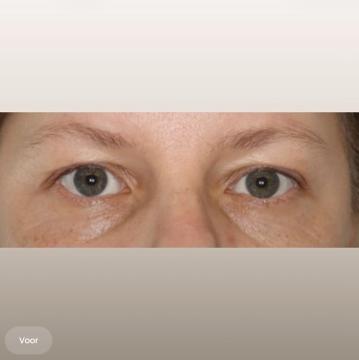
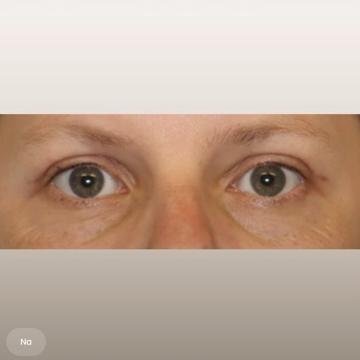
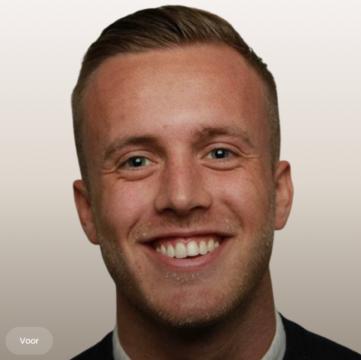

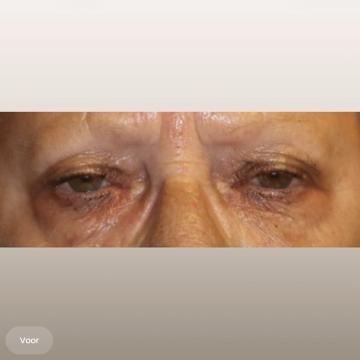
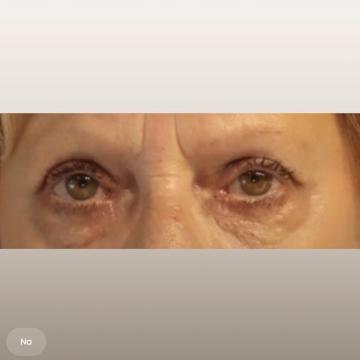
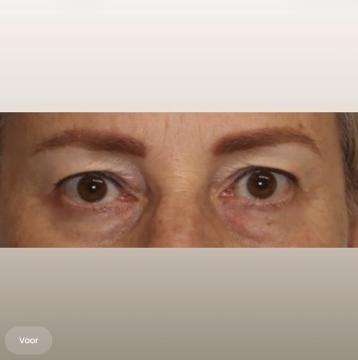
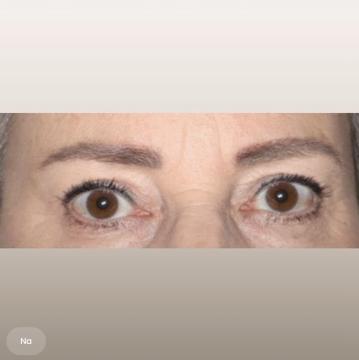
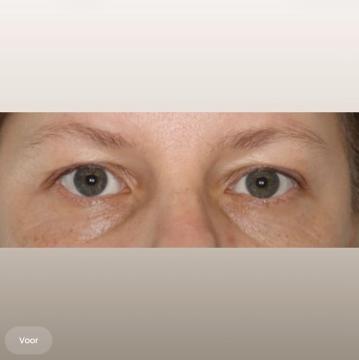
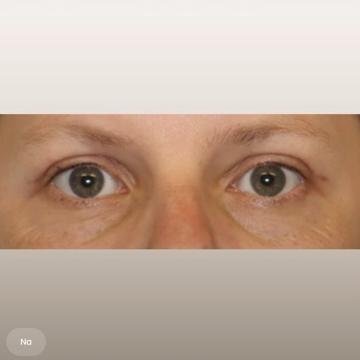
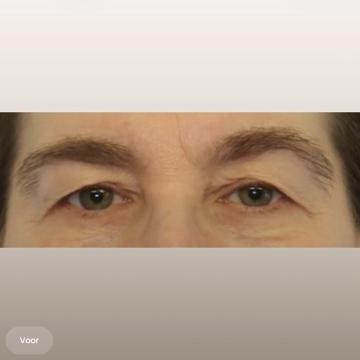
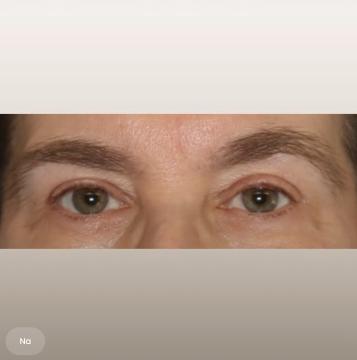
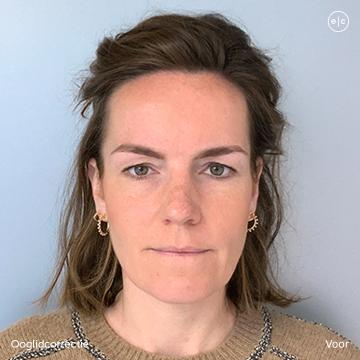
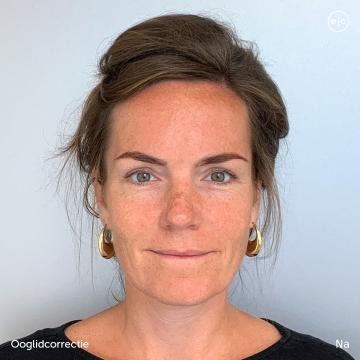
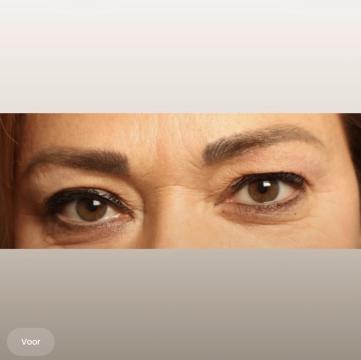
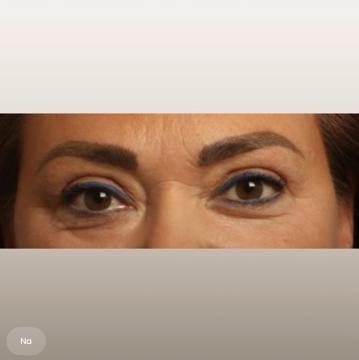
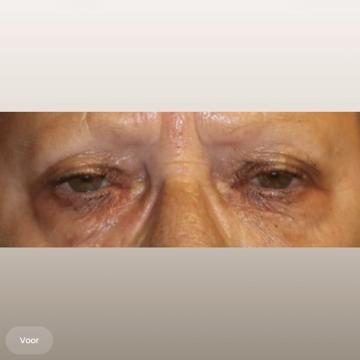
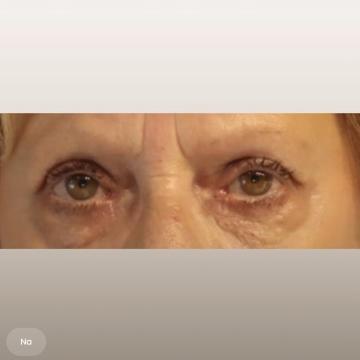
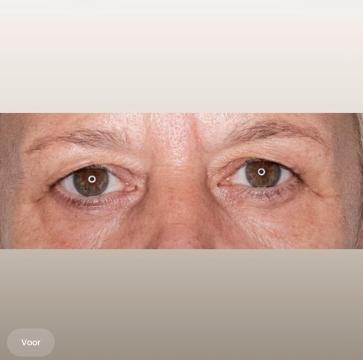
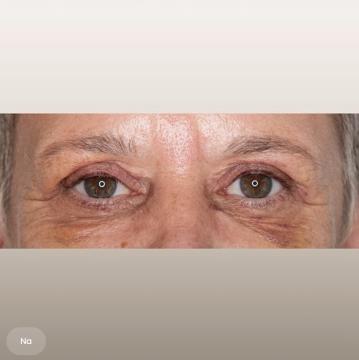
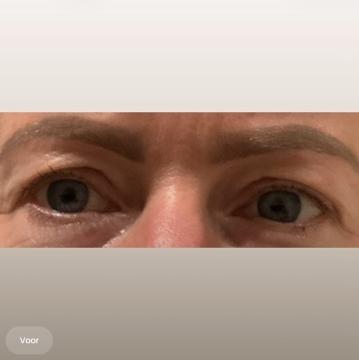
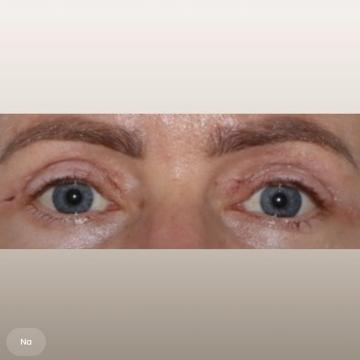
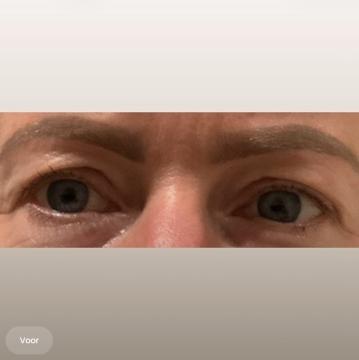
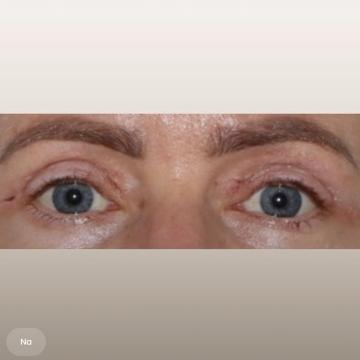
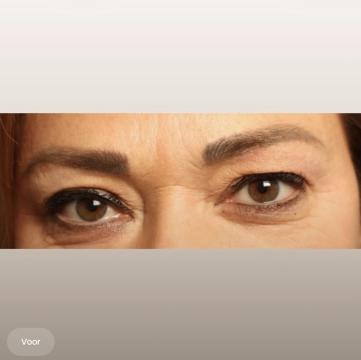
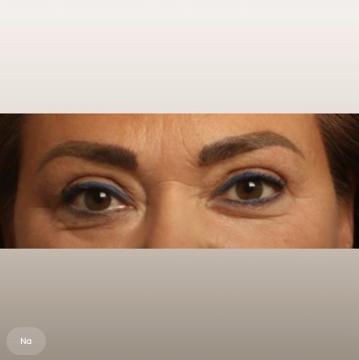
Eyelid surgery aftercare
Cool the area during the first 24–48 hours
Avoid heavy physical activity or bending over
Do not rub or massage the eyelids
Use prescribed eye drops or ointment
Eyelid surgery: Who is it suitable / less suitable for
Suitable if:
You want to correct drooping eyelids
You want to remove under-eye bags or excess skin
You want to restore a natural eye contour
Less suitable if:
You are pregnant or breastfeeding
You have active eye infections or serious eye conditions
You have insufficient skin elasticity
How do you determine if eyelid surgery is right for you?
- 1 Do you have excess skin or under-eye bags?
- 2 Do you want a fresher eye appearance without invasive surgery?
- 3 Are your expectations realistic?
- 4 Are you willing to follow aftercare and a recovery period?
- 5 Do you want an experienced specialist for a natural result?
Eyelid surgery: Prices, experiences & comparison
Depending on upper eyelid, lower eyelid, or combination. Comparing helps you understand quality, experience, and costs.
| Treatment | Unit | City/country | Price | |
|---|---|---|---|---|
| Eyelid correction | For both eyes | United Kingdom | £ 250 | Lowest price |
| Eyelid correction | For both eyes | United Kingdom | £ 2771 | Average price |
| Eyelid correction | For both eyes | United Kingdom | £ 5100 | Highest price |
Compare prices in your area
Compare on experience & price Make an appointment immediately
Eyelid surgery experiences: what people pay attention to
Natural result
Clear explanation from the surgeon
Good aftercare and recovery support
Transparent pricing
Minimizing scar formation
Eyelid surgery reviews
It’s only been a day since having my Botox, so it’s still very early to see the full results, but I’m already really pleased with how it’s looking. Sophie was so thorough and knowledgeable, and took the time to make sure I was comfortable throughout the whole treatment.
Such a lovely experience from start to finish. I felt completely confident in Sophie’s hands and will definitely be returning. ⭐️⭐️⭐️⭐️⭐️ Show less »
Eyelid surgery: comparing doctors & clinics
Compare based on:
Experience with eyelid surgery
Consultation quality
Results & photos
Reviews & aftercare
Cosmetic specialists in United Kingdom

- Botox zone from
- £ 180,00
- Filler per ml from
- £ 250,00

- Botox zone from
- £ 300,00
- Filler per ml from
- £ 450,00
- Botox zone from
- £ 129,00
- Filler per ml from
- £ 250,00

- Botox zone from
- £ 129,00
- Filler per ml from
- £ 250,00
- Botox zone from
- £ 135,00
- Filler per ml from
- £ 210,00

- Botox zone from
- £ 135,00
- Filler per ml from
- £ 210,00

- Botox zone from
- £ 135,00
- Filler per ml from
- £ 210,00

- Botox zone from
- £ 135,00
- Filler per ml from
- £ 210,00
Eyelid surgery: Differences between clinics
Personalized treatment plan
Surgical technique and experience
Aftercare protocol
Pricing structure
Experience and reviews
Compare clinics in United Kingdom

- Botox zone from
- £ 180,00
- Filler per ml from
- £ 250,00
- Profhilo per 2 ml from
- £ 300,00



- Botox zone from
- £ 300,00
- Filler per ml from
- £ 450,00
- Profhilo per 2 ml from
- £ 400,00

- Botox zone from
- £ 129,00
- Filler per ml from
- £ 250,00
- Profhilo per 2 ml from
- £ 195,00
- Botox zone from
- £ 129,00
- Filler per ml from
- £ 250,00
- Profhilo per 2 ml from
- £ 195,00
- Botox zone from
- £ 129,00
- Filler per ml from
- £ 250,00
- Profhilo per 2 ml from
- £ 195,00
- Botox zone from
- £ 129,00
- Filler per ml from
- £ 250,00
- Profhilo per 2 ml from
- £ 195,00
- Botox zone from
- £ 129,00
- Filler per ml from
- £ 250,00
- Profhilo per 2 ml from
- £ 195,00
- Botox zone from
- £ 129,00
- Filler per ml from
- £ 250,00
- Profhilo per 2 ml from
- £ 195,00
Frequently Asked Questions about Eyelid Surgery
What is the best age for eyelid surgery?
There is no fixed “best age” for eyelid surgery. Most people choose treatment between the ages of 35 and 60, when skin laxity and fat accumulation around the eyes become clearly visible. Suitability mainly depends on the degree of excess skin, muscle structure, and overall health, not just age. Younger people with hereditary drooping eyelids may also be eligible.
How long does eyelid surgery last?
The result of upper eyelid surgery often remains visible for 10 to 15 years, and in many cases even longer. Lower eyelid surgery generally has a long-lasting or permanent effect. Although the natural aging process continues, the removed skin and fat usually do not return to the same extent. Lifestyle, skin type, and genetics play a role in how long the result is maintained.
What are the disadvantages of eyelid surgery?
As with any surgical procedure, there are risks and disadvantages. Possible side effects include swelling, bruising, temporary dry eyes, and scarring. In rare cases, asymmetry, infection, or problems closing the eye may occur. Careful preparation and an experienced plastic surgeon significantly reduce these risks.
What are the problems with lower eyelid surgery?
Lower eyelid surgery is more complex than upper eyelid surgery. Possible issues include prolonged swelling, sensitivity, asymmetry, or in rare cases ectropion (an outward-turning lower eyelid). Temporary dryness or irritation may also occur. An experienced surgeon and proper surgical technique are crucial to minimize complications.
How long should I avoid flying after eyelid surgery?
After eyelid surgery, it is usually advised not to fly for at least one to two weeks. This is due to swelling, cabin pressure changes, and the risk of complications during the early recovery phase. The exact advice depends on your recovery and the assessment of the treating doctor.
How can you get rid of drooping eyelids?
Drooping eyelids can be treated with upper eyelid surgery, where excess skin and fat are removed. In milder cases, non-surgical treatments such as Botox (for brow lift), fillers, or skin-tightening treatments may provide slight improvement. When there is significant excess skin, surgical correction usually offers the most effective and long-lasting result.
Who is suitable for eyelid surgery?
Patients with excess skin, under-eye bags, or drooping eyelids and sufficient skin elasticity are generally eligible.
Eyelid surgery is a safe and effective way to correct drooping eyelids and under-eye bags and achieve a fresher eye appearance. The result is long-lasting and natural when performed by an experienced surgeon. By comparing doctors and clinics, you gain insight into experience, costs, and treatment approach, contributing to a successful and safe procedure.