Botox lips

Drs. Tom van Eijk
Botox lips is a broad term commonly used for botulinum toxin treatment around the upper lip. Often, the treatment being described is a lip flip, where selected muscle activity is temporarily reduced so that slightly more of the existing upper lip may remain visible.
Botulinum toxin does not add volume to the lips. If your main goal is physically fuller lips or a different lip contour, that requires a different treatment approach.
The possible change depends on factors including your anatomy and how your upper lip moves when you smile and speak. A practitioner can assess this during consultation and explain what may or may not be achievable.
Choosing not to have treatment, or considering another option, can also be a valid outcome of that consultation.
You can also read more about Botox treatments.

What does Botox lips mean?
The term “Botox lips” does not describe one standard treatment.
Botox is a brand of botulinum toxin. Botulinum toxin temporarily reduces activity in selected muscles rather than adding material to the lips.
Around the upper lip, the treatment goal may involve changing how the lip moves. For example, if the upper lip turns inwards when smiling, temporarily reducing selected muscle activity may allow slightly more of the existing lip to remain visible.
This means Botox around the lips can change movement or position, but it cannot create additional lip volume.
For more detail about the underlying mechanism, read how Botox works.
What result are you actually looking for?
Before comparing treatments, identify the specific change you are considering.
Slightly more of your existing upper lip visible
If your upper lip turns inwards when you smile, a lip flip may be relevant to discuss. The treatment changes muscle activity rather than adding volume.
More actual lip volume
Botulinum toxin does not physically fill the lips. If your goal is increased volume or a more defined contour, Botox alone does not produce that type of change.
Less gum visible when you smile
If the main concern is how much gum becomes visible during smiling, that is a different treatment question.
Read more about Botox for a gummy smile.
Another change around the mouth
Asymmetry, mouth-corner position and lines around the mouth can have different causes. They should not automatically be approached in the same way simply because they occur near the lips.
Botox lips or lip filler: what is the main difference?
The most important difference is muscle movement versus added volume.
Botox around the upper lip
Botulinum toxin temporarily changes selected muscle activity.
This may allow slightly more of the existing upper lip to remain visible during movement.
It does not add volume.
Lip filler
Lip filler adds injectable material and can therefore physically change lip volume or contour.
Which difference matters for your goal?
Consider whether the change you are researching is mainly about:
how your upper lip moves;
how much of your existing upper lip is visible;
or actual lip volume and contour.
A consultation can help clarify which treatment category, if any, is relevant.
What happens before Botox around the lips?
- 1 Explain the specific change you are considering
- 2 Review relevant health information and medicines
- 3 Assess the upper lip at rest and during movement
- 4 Discuss realistic limitations and alternatives
- 5 Review possible side effects and risks
- 6 Decide whether you want to proceed
Why does upper-lip movement matter?
The muscles around the mouth are involved when you smile, speak, drink, whistle and purse your lips.
This means the appearance of your lips while your face is at rest does not provide the full picture for treatment planning. A practitioner may also assess how the upper lip behaves during movement.
Two people with a similar lip shape at rest may have very different movement when smiling. The possible effect of reducing muscle activity can therefore differ.
Existing asymmetry may also remain visible after treatment. Botox should not be expected to make both sides perfectly identical.
When can you see the result?
Botulinum toxin does not reach its full effect immediately.
During the first few days
Activity in the treated muscles may gradually begin to change. An early visible effect can develop during this period, although timing varies between individuals.
Around 10 to 14 days
The result can generally be assessed more meaningfully once the treatment has had time to develop its effect.
In the months afterwards
The effect is temporary. Muscle activity gradually returns as the treatment wears off.
A repeat treatment is optional rather than necessary.
For more detail, read how long Botox lasts.
Side effects and risks of Botox around the lips
What can happen around an injection point?
Small injection marks, redness, tenderness, limited swelling or bruising can occur after treatment.
The amount and duration vary between individuals.
Can your smile temporarily change?
Yes. Muscles around the lips contribute to facial expression, so changing their activity may temporarily affect how your smile feels or looks.
Existing asymmetry may also remain visible.
Can speaking, drinking or pursing the lips feel different?
It can.
Some people may temporarily notice less strength or control when pursing their lips. This may affect movements involved in speaking, whistling or drinking through a straw.
Contact the clinic if a change is significant, unexpected or worsening.
Can Botox be dissolved?
No. Botulinum toxin cannot be directly dissolved.
If the effect differs from what was intended, it will generally need to reduce as the medicine gradually wears off.
When should you seek urgent medical attention?
Rarely, botulinum toxin effects can extend beyond the intended treatment area.
Seek immediate medical help if you develop symptoms such as difficulty breathing, difficulty swallowing or slurred speech after treatment.
For broader risk information, read about Botox treatment complications.
Aftercare after Botox around the lips
Follow the individual aftercare instructions provided by your practitioner.
Avoid deliberately rubbing or massaging the treated area immediately after treatment unless specifically advised otherwise.
If you take prescribed medication, do not stop it independently because you have had cosmetic treatment. Discuss medication questions with the relevant healthcare professional.
Contact the clinic if symptoms are unexpected or become worse.
For more detailed guidance, read about Botox aftercare.
How much does Botox around the lips cost?
Prices can differ between clinics because treatment around the upper lip is not always described or priced in exactly the same way.
One clinic may list a specific lip flip price, while another may calculate the cost according to a small treatment area or Botox zone.
Before comparing prices, check:
what treatment the quoted amount actually covers;
whether consultation is included;
whether a review appointment is included;
whether further treatment would cost extra;
who is responsible for prescribing;
who will administer the treatment;
what relevant experience the practitioner has with this area.
A lower price does not by itself show whether a treatment plan is appropriate.
See the dedicated guide to Botox costs for broader pricing information.
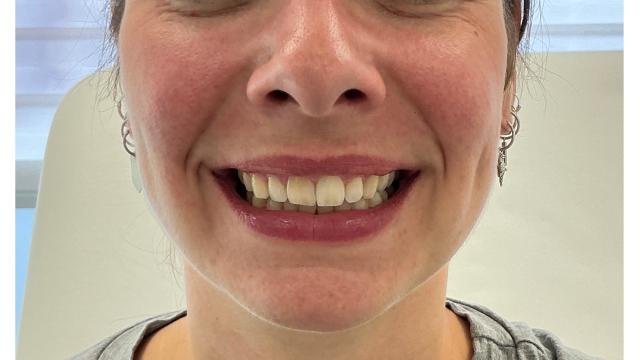
Botox lips before and after
Before-and-after photographs can help illustrate the type of change that may occur when more of the existing upper lip remains visible.
Check:
whether the treatment shown was actually a lip flip;
whether lip filler was also used;
when the after photograph was taken;
whether facial expression is comparable;
whether the lighting and camera angle are reasonably similar.
A lip flip result should not be presented as though botulinum toxin created added volume if filler was also used.
Before-and-after photographs show what happened for individual people. They do not predict your own result.
For broader guidance, see Botox before and after.
Lip flip before and after photos




Lip flip reviews
How do you compare practitioners for Botox around the lips?
Botulinum toxin products such as Botox are prescription-only medicines in the UK.
Before treatment, establish who is responsible for prescribing the medicine and who will administer the injections.
When comparing practitioners, consider:
their professional background;
relevant professional registration where applicable;
training in botulinum-toxin treatment;
relevant experience around the lips;
whether your lip is assessed at rest and during movement;
whether treatment limitations are clearly explained;
whether side effects and complications are discussed;
what follow-up is available if you have concerns.
Registration is an important control point, but registration alone does not prove extensive experience with Botox around the lips.
Read more about choosing a Botox practitioner.
Compare clinics in United Kingdom
- Lip flip from
- £ 75,00


- Lip flip from
- £ 75,00
- Lip flip from
- £ 75,00
- Lip flip from
- £ 75,00
- Lip flip from
- £ 75,00
- Lip flip from
- £ 75,00
- Lip flip from
- £ 75,00
- Lip flip from
- £ 75,00
Frequently asked questions about Botox lips
What are Botox lips?
“Botox lips” is a broad term for botulinum toxin treatment around the lips. It often refers to a lip flip, where selected muscle activity is temporarily changed so that slightly more of the existing upper lip may remain visible.
Can Botox make your lips bigger?
No. Botulinum toxin does not add physical volume. More of the existing upper lip may become visible, which can make it appear slightly fuller.
Is Botox lips the same as a lip flip?
Often, but not always. People commonly use “Botox lips” when referring to a lip flip, although botulinum toxin may be discussed for other treatment goals around the mouth.
What is the difference between Botox lips and lip filler?
Botulinum toxin temporarily changes selected muscle activity. Lip filler adds material to change or support volume and contour.
Why is lip movement assessed before treatment?
Muscles around the mouth are active during smiling, speaking and drinking. How your upper lip moves can affect whether changing muscle activity may create the type of change you are considering.
When can you see the result?
The effect develops gradually. Early changes may appear during the first few days, while the result can generally be assessed more meaningfully around 10 to 14 days.
Is Botox around the lips permanent?
No. The effect is temporary and gradually reduces as muscle activity returns.
Can Botox around the lips affect smiling?
It can temporarily affect lip movement because muscles around the mouth contribute to smiling and other facial expressions.
Can a lip flip affect speaking or drinking?
Some people may temporarily notice changes in lip strength or control. Contact the clinic if speaking, drinking or another function becomes significantly difficult or symptoms worsen.
Can Botox around the lips be dissolved?
No. Botulinum toxin cannot be directly dissolved. Its effect generally reduces gradually with time.