Frown line Botox treatment – prices, results & comparing clinics

Drs. Tom van Eijk
Botox for frown lines usually refers to treatment with botulinum toxin type A in selected muscles between the eyebrows. By temporarily reducing the muscle activity that creates a frown, treatment may soften vertical lines, particularly when they are mainly visible during facial expression.
A deeper line that remains visible while your face is relaxed may also soften, but it does not always disappear. Botulinum toxin reduces muscle movement; it does not fill an existing crease in the skin.
These vertical lines are also called glabellar lines or “11 lines”. Botox is one brand of botulinum toxin. For a broader overview of the treatment and its different uses, read about Botox.
On Injectablesbooking, you can compare clinics and treatment information before deciding whether you want to request a consultation. Choosing not to proceed with treatment remains an option.
How does Botox work on frown lines?
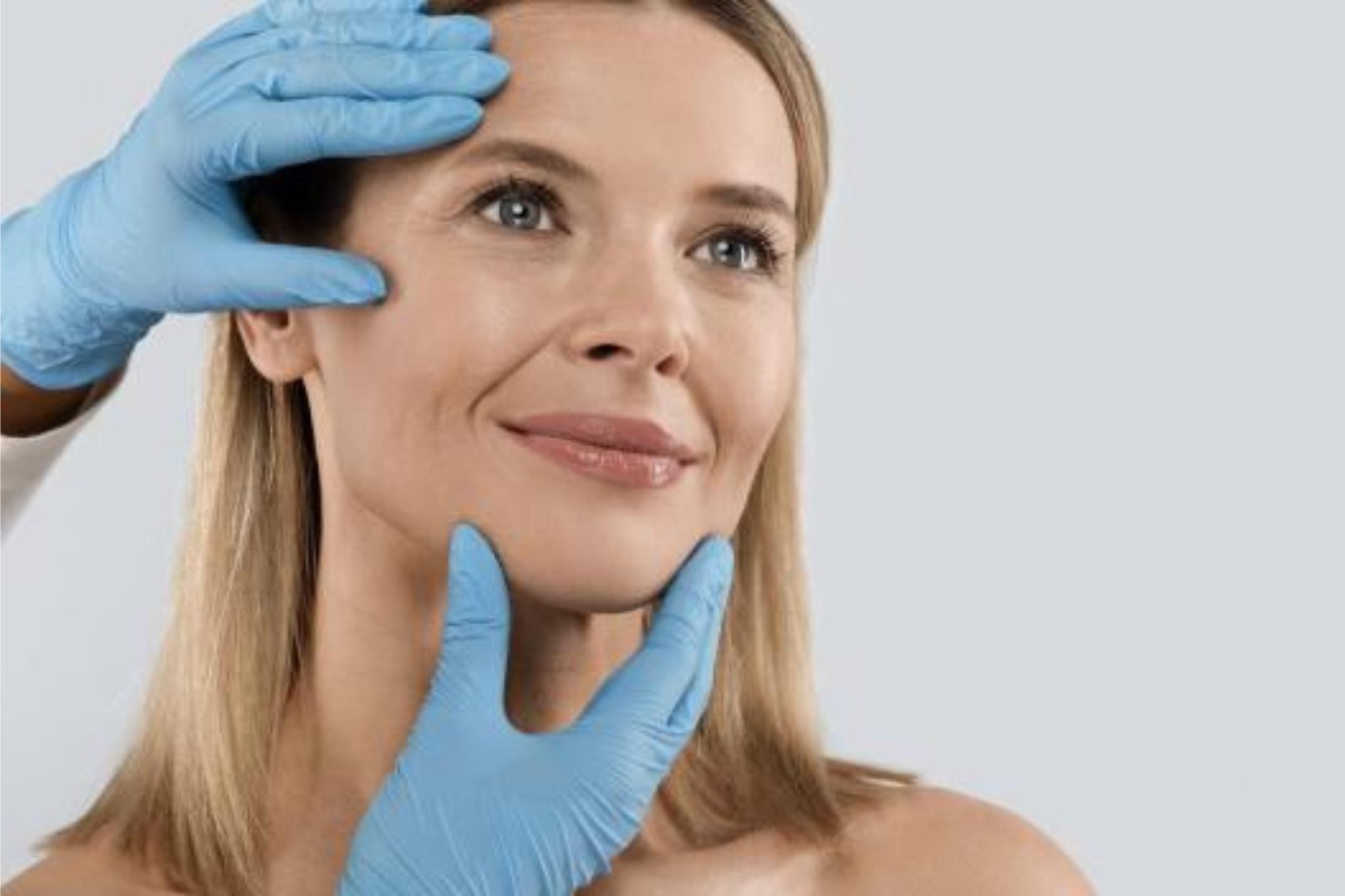
Botulinum toxin type A temporarily reduces the signals that cause selected muscles to contract strongly. For frown lines, treatment focuses on muscles involved in drawing the eyebrows together and creating vertical folds between them.
Two important muscles in this area are the corrugator supercilii and procerus. You do not need to know these anatomical names to compare treatment, but the person planning the injections needs to understand how your individual muscles and eyebrows move.
What is assessed before treatment?
The practitioner may look at:
how the line appears while your face is relaxed;
where the crease forms when you frown;
how strongly the muscles contract;
how your eyebrows move;
how forehead movement affects the upper face;
previous treatment in the same area;
how much facial movement you would prefer to retain.
The treatment plan, injection sites and dose can then be adapted to the individual pattern of movement. More product does not automatically mean a better result.
For a broader explanation of the mechanism rather than this specific treatment area, read how Botox works.
When might Botox for frown lines be considered?
Someone may consider discussing botulinum toxin when vertical lines between the eyebrows are noticeable to them and repeated muscle movement contributes to those lines.
Whether treatment is medically appropriate, how much movement should be reduced and where injections should be placed cannot be determined from a photograph or online description alone.
During consultation, the practitioner should consider the frown line both at rest and during movement, your medical information, medicines, previous treatments and what you do or do not want to change.
A consultation does not commit you to treatment. Expectations may be adjusted, treatment may be postponed, or you may decide not to proceed.
If you have not had botulinum toxin treatment before, the first-time Botox guide explains the wider consultation process.
What does frown line Botox do & how does it work?
Frown line Botox at a glance
Type of treatment: Injections with botulinum toxin
Purpose: Relaxation of the frown muscles
Visible result: Yes
Average duration: 10–20 minutes
Main success factor: Practitioner’s experience
What happens during a frown line Botox treatment?
During the consultation, the practitioner analyses muscle activity and facial expression. Small amounts of Botox are then injected into specific muscle points.
How does Botox reduce wrinkles in frown lines?
Botox temporarily blocks nerve signals to the muscle, preventing it from contracting strongly. As a result, the skin can relax and frown lines become less deeply visible.
Is the effect of Botox on frown lines permanent?
No, the body gradually breaks down Botox. After several months, muscle activity returns.
What happens during frown-line treatment?
- 1 Discuss your goals and medical information
- 2 Assess the frown line while your face is relaxed
- 3 Assess muscle movement while you frown
- 4 Discuss the possible result and movement you want to retain
- 5 Plan the dose and injection sites
- 6 Inject the selected muscles
- 7 Receive aftercare and follow-up information
When can you expect to see results?
The effect of botulinum toxin is not immediate. Muscle activity may begin to reduce during the days after treatment, while the appearance can continue to develop afterwards.
Immediately after treatment
Small red injection marks, mild swelling or tenderness may temporarily be visible. These early changes are not the final treatment result.
During the first week
The treated muscles may gradually become less active. The effect may still be developing, so judging the final result very early can be misleading.
Around two weeks
Some clinics arrange a review around this stage, although follow-up protocols differ. The frown can be assessed both while your face is relaxed and while you actively frown.
During the following months
The effect is temporary. Muscle activity gradually returns as the treatment wears off.
For more detail about treatment longevity and the factors that may influence it, read how long Botox lasts.
Botox for frown lines before and after
Before-and-after photos may help you see how a frown line changed in another person, but the comparison is most useful when both photographs were taken under similar conditions.
When assessing frown-line photographs, check:
whether the face is shown from the same angle;
whether lighting is similar;
whether the facial expression is the same;
whether images show the area at rest and during a frown;
when the after photograph was taken;
whether the image appears filtered or heavily edited.
For frown-line treatment, seeing both rest and movement is particularly useful. A relaxed after-photo alone does not show how much frowning movement remains.
Another person's result does not predict your own. Muscle strength, anatomy, existing skin creases, treatment plan and individual response can differ.
For broader guidance on assessing treatment photographs, see Botox before and after.
Why can a deep frown line remain visible after Botox?
A frown line may remain visible after treatment when the crease was already present before treatment while your face was relaxed. This is generally described as a static frown line.
Botulinum toxin reduces the muscle activity that repeatedly folds the skin, but it does not fill an established crease. A deep static line may therefore soften without disappearing completely.
Timing can also matter. If treatment was performed recently, the effect may still be developing. The result should be assessed at the review point agreed with the clinic rather than assuming immediately that additional treatment is required.
If the response appears different from what you expected, the dedicated guide explains possible reasons why Botox does not work as expected.
Questions to ask before frown-line treatment
What does the quoted price include?
Ask whether the amount applies to the complete planned treatment of the frown area and whether consultation and follow-up are included. A treatment “zone” is a pricing description and does not necessarily represent the same dose at every clinic.
How much movement will remain?
Explain how much facial expression you would prefer to retain. The practitioner can discuss what may be realistic based on your muscle activity, anatomy and treatment plan.
What does my frown line look like at rest?
Ask the practitioner to explain the difference between the line while your face is relaxed and while you actively frown. This can help set realistic expectations about what reducing muscle activity may and may not change.
When will my treatment be reviewed?
Ask whether a review is offered, when it takes place, what will be assessed and whether further treatment discussed at review could involve an additional cost.
Who should I contact afterwards?
Check how the clinic can be contacted after treatment and who will assess unexpected symptoms, an unwanted effect or another concern.
What are the possible side effects and risks?
Botulinum toxin treatment is not risk-free. Temporary reactions around the frown area can include redness at the injection sites, tenderness, mild swelling or bruising. Headache can also occur.
Other unwanted effects can include:
asymmetry;
a heavy feeling around the brow;
an unwanted change in eyebrow position;
drooping of an eyelid or eyebrow;
an effect on a nearby muscle that was not intended to be treated;
a hypersensitivity reaction.
The risks relevant to your circumstances should be discussed before treatment.
When should you seek medical help?
Contact the clinic if symptoms are unexpected, clearly worsening or causing concern.
Botulism following botulinum toxin treatment is rare but can be serious. Seek immediate medical attention if symptoms such as difficulty swallowing, slurred speech or breathing difficulty develop after treatment.
For a more detailed explanation of risks beyond this specific treatment area, read about Botox treatment complications.
Aftercare after Botox for frown lines
Follow the aftercare instructions provided for your own treatment. Advice can differ depending on the product, treatment plan and individual circumstances.
Avoid firmly rubbing or massaging the injected area unless you have specifically been advised to do so. Ask the clinic what instructions apply to exercise, facial treatments and other activities after your appointment rather than relying on generic social-media advice.
Contact the clinic if you develop unexpected or worsening symptoms.
For the full guidance rather than duplicating it here, read Botox aftercare.
What does Botox for frown lines cost?
The price shown for frown-line treatment should be considered together with what the clinic includes in its treatment plan.
Some clinics describe the frown as one treatment area or “zone”. A zone is a pricing model rather than a standard amount of botulinum toxin, so apparently similar prices do not necessarily describe identical treatment.
Before comparing prices, check:
whether the amount covers the complete planned frown treatment;
whether it is a starting price;
whether consultation is included;
whether a follow-up review is included;
whether an adjustment discussed at review could involve an additional cost;
who will prescribe and administer the treatment.
Do not compare clinics on price alone. Relevant treatment experience, consultation quality, treatment planning and follow-up also matter.
Current clinic-controlled prices can be displayed below. For broader UK pricing information, see Botox costs.
Compare clinics in your area
Compare on experience & price Make an appointment immediately
How do you compare clinics and practitioners for frown-line treatment?
Botulinum toxin injections are prescription-only medicines in the UK. Before treatment, make sure you understand who will prescribe the medicine, who will administer the injections and what relevant training and experience they have.
Experience with the frown area
Ask about experience assessing and treating the area between the eyebrows and wider upper-face movement. Treatment planning should consider more than the vertical crease itself because brow and forehead movement may influence the assessment.
Consultation
A useful consultation should cover your medical information, goals, the line at rest and during movement, expected limitations, possible risks and what follow-up is available.
Product used
Ask which botulinum toxin product will be used. A brand name alone does not prove quality, experience or suitability.
Follow-up
Check whether a review is offered and how the clinic can be contacted if you develop an unwanted effect or have concerns afterwards.
Before-and-after examples
Look for frown-specific examples taken under comparable conditions rather than relying on heavily edited or generic facial photographs.
Reviews
Reviews can provide context about consultation, communication and aftercare. They cannot guarantee your own result.
For more information about comparing professional background and relevant treatment experience, read the guide to choosing a Botox doctor or practitioner.
Reviews of Botox for frown lines
It’s only been a day since having my Botox, so it’s still very early to see the full results, but I’m already really pleased with how it’s looking. Sophie was so thorough and knowledgeable, and took the time to make sure I was comfortable throughout the whole treatment.
Such a lovely experience from start to finish. I felt completely confident in Sophie’s hands and will definitely be returning. ⭐️⭐️⭐️⭐️⭐️ Show less »
Stacey takes the time to speak with me.
Gives me the best results for chin filler.
Amazing shape for lip filler.
Botox appointments are always good.
Stacey takes the time to speak with me.
Gives me the best results for chin filler.
Amazing shape for lip filler.
Botox appointments are always good.
Compare clinics in United Kingdom

- Frown lines from
- £ 180,00




- Frown lines from
- £ 129,00

- Frown lines from
- £ 129,00

- Frown lines from
- £ 129,00

- Frown lines from
- £ 129,00

- Frown lines from
- £ 129,00

- Frown lines from
- £ 129,00
Frequently asked questions about Botox for frown lines
How much does Botox for frown lines cost?
Prices vary between clinics and treatment plans. Check what the quoted amount includes, whether consultation and review are included and whether the frown is priced as a treatment area or zone.
Is the frown usually one Botox area?
A clinic may describe the frown as one treatment area or zone, but a zone is a pricing category rather than a standard dose. The treatment plan depends on individual assessment.
How quickly does Botox work on frown lines?
The effect is not immediate. Muscle activity may start to reduce during the days after treatment, with the appearance continuing to develop afterwards.
How long does Botox for frown lines last?
The effect is temporary and muscle activity gradually returns. Duration can vary depending on the product, dose, treatment plan, muscle activity and individual response.
Can Botox completely remove a deep frown line?
Not necessarily. Botulinum toxin reduces muscle movement but does not fill an existing skin crease. A deep static frown line may soften while remaining partly visible.
Can frown lines be treated without treating the forehead?
The frown can be assessed as a separate treatment area, but the practitioner should still consider brow and forehead movement because the muscles of the upper face interact. If horizontal forehead lines are your main concern, read about Botox for forehead wrinkles.
Will I still be able to frown after Botox?
That depends on the dose, injection sites, muscle activity and treatment plan. Discuss how much movement you would prefer to retain before treatment.
What are the possible side effects of Botox between the eyebrows?
Temporary redness, tenderness, swelling, bruising or headache can occur. Other unwanted effects can include asymmetry, heaviness around the brow or a change in eyelid or eyebrow position.