Everything you need to know about hair transplantation
Hair loss is common in both men and women and can have a significant impact on self-confidence and appearance. Receding hairlines, thinning hair, or bald spots on the scalp often develop gradually and cannot always be restored with care products.
A hair transplantation is an effective medical treatment in which your own hair follicles are moved to areas with hair loss. This results in permanent, natural hair growth. Because methods, experience, and results can vary greatly between clinics, it is important to carefully compare providers.
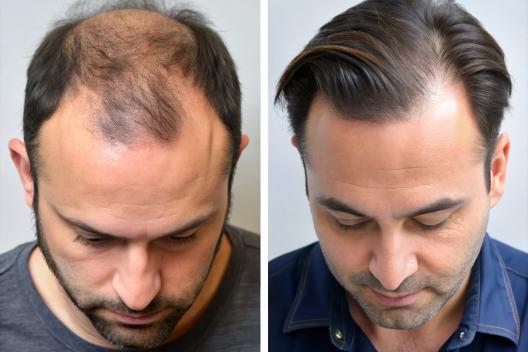
This is what you need to know about hair transplantation
• Uses your own hair follicles
• The result is permanent
• Most commonly used methods: FUE and DHI
• Treatment takes on average 4–8 hours
• New hair growth visible after several months
• Full result after approximately 12 months
• Comparing helps in choosing an experienced specialist
Why results and experiences with a hair transplantation can differ
Why does the result of a hair transplantation look different for everyone?
The result of a hair transplantation differs per person due to variations in hair density, hair quality, and scalp condition. During the procedure, hair follicles are relocated; the survival and growth of these grafts depend on blood circulation and wound healing. Genetic predisposition and the degree of progressive hair loss also influence the final pattern. In addition, technique and placement determine the natural direction and density of the hair. As a result, visible density and coverage vary from person to person.
Why does one person see results faster after a hair transplantation than another?
The speed of results after a hair transplantation varies due to differences in the hair growth cycle, blood circulation, and wound healing. After transplantation, many transplanted hairs initially fall out, after which the follicles enter a resting phase before new growth begins. The duration of this phase depends on individual growth cycles and metabolic activity. Age and overall health also influence how quickly new hairs become visible. Therefore, one person may see hair growth sooner than another.
Why do transplanted hairs sometimes fall out first after a hair transplantation?
Transplanted hairs sometimes fall out initially due to a temporary disruption of the hair growth cycle. During transplantation, hair follicles are relocated, which causes a stress response in the surrounding tissue. As a result, the hairs often enter the telogen (resting) phase, after which the hair shaft detaches and falls out. The follicle itself remains intact and starts a new growth phase after several months. This process is also called “shock loss” and is a normal physiological response.
Why are multiple treatments sometimes needed for a hair transplantation?
Multiple treatments may be necessary due to limited donor material and the extent of hair loss. In one session, only a certain number of hair follicles can be safely transplanted without disrupting blood circulation. In cases of extensive baldness, a single procedure is often insufficient to achieve adequate density. Progressive hair loss may also create new thinning areas. As a result, additional sessions may be required to maintain balanced coverage.
Why do prices differ per clinic for a hair transplantation?
Prices for a hair transplantation vary per clinic due to differences in technique, staffing, and cost structure. Methods such as FUE or FUT require different durations and equipment, which influence the price. The number of grafts also determines workload; more grafts require more extraction, preparation, and implantation. In addition, the experience of the team, surgical facilities, and aftercare policies differ per provider. This leads to price differences between clinics for comparable treatments.
Why is comparing important when considering a hair transplantation?
Hair transplantations differ in technique, the experience of the treatment team, and medical facilities. These factors determine how carefully grafts are harvested, preserved, and implanted, which affects follicle survival and growth direction. Incorrect placement can lead to low density, an unnatural hairline, or scarring. Aftercare and assessment of the donor area also vary per clinic. By comparing clinics, you gain insight into expertise and treatment quality, increasing the predictability of the result.
What is a hair transplantation & how does it work?
Hair transplantation in brief
• Type of treatment: Surgical hair restoration procedure
• Purpose: Permanent hair growth
• Visible result: Yes
• Average duration: 4–8 hours
• Main success factor: Experience and technique of the doctor
What happens during a hair transplantation treatment?
Hair follicles are harvested from the donor area and implanted one by one into the recipient area.
Is a hair transplantation painful?
The treatment is performed under local anesthesia.
Which side effects are most common after a hair transplantation?
After a hair transplantation, swelling of the forehead or eyelids, redness of the scalp, and small scabs around the implanted hair follicles may occur. These symptoms are normal and usually disappear within a few days to a week. Temporary numbness or mild itching can also occur during the recovery process.
Can the result of a hair transplantation look unnatural?
Yes, when the hairline is not properly designed or the hair follicles are placed at the wrong angle, the result can appear unnatural. This risk is higher with insufficient experience of the practitioner. A natural hair direction, proper density, and realistic hairline design are essential for a good final result.
Is a hair transplantation safe in the long term?
Yes, provided it is performed by an experienced doctor with knowledge of hair and scalp anatomy. Because your own hair follicles are used, there is no risk of rejection. Long-term safety mainly depends on the technique, hygiene, and proper aftercare.
Can transplanted hairs still fall out after a hair transplantation?
In the first weeks, the hairs may temporarily fall out during the so-called shedding phase. This is normal. The hair follicles remain intact and later produce new, permanent hairs. Permanent loss of transplanted hair is rare when the donor area is suitable.
When should you contact a doctor after a hair transplantation?
Contact a doctor in case of persistent pain, increasing redness, signs of infection, pus formation, or swelling that lasts longer than a few days. If you have doubts about the recovery, it is advisable to consult the clinic.
Can a hair transplantation be corrected?
In some cases, a corrective treatment is possible, for example in cases of insufficient density or an unnatural hairline. This often requires additional planning and an experienced specialist.
Popular hair transplantation areas
• Hairline
• Receding temples
• Crown
• Full scalp
• Eyebrows / beard (selective)
Hair transplantation – Result, duration & safety
Hair transplantation provides:
• Permanent hair growth
• A natural hairline
• Improved self-confidence
Safety depends on:
• The specialist’s experience
• Sterile working methods
• Proper aftercare
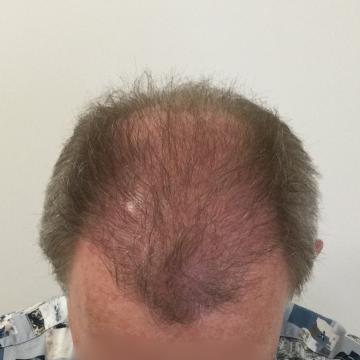
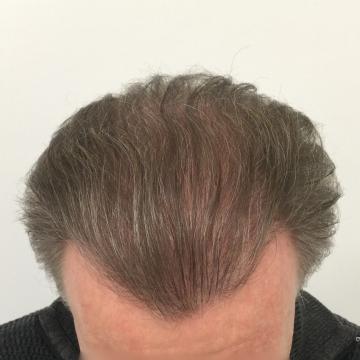
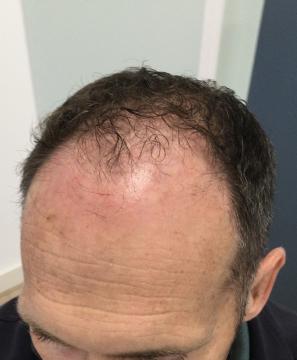
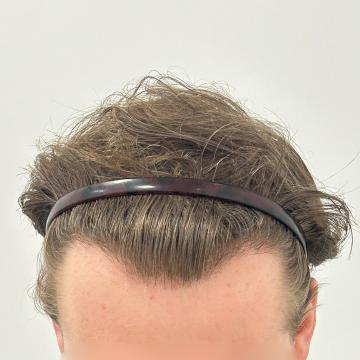
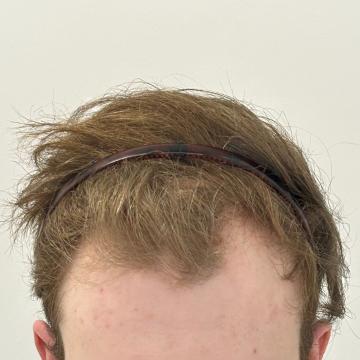
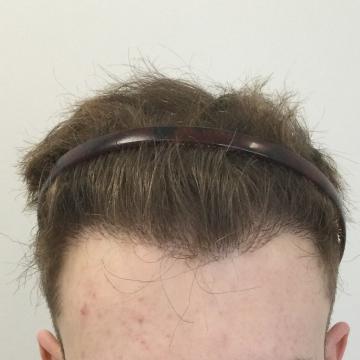
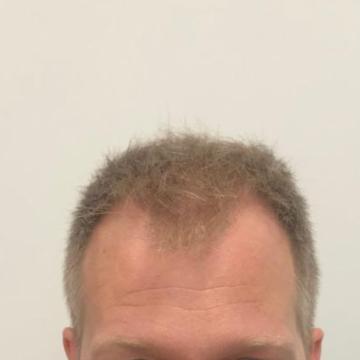
Before and after photos of hair transplantation
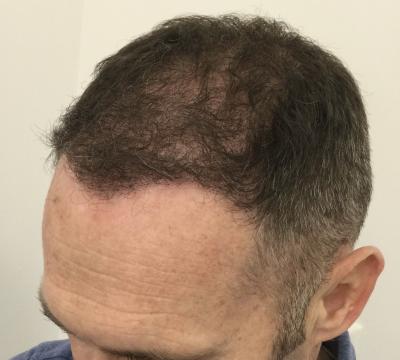
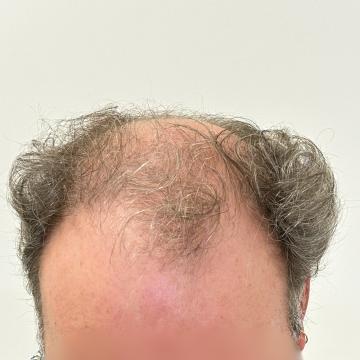
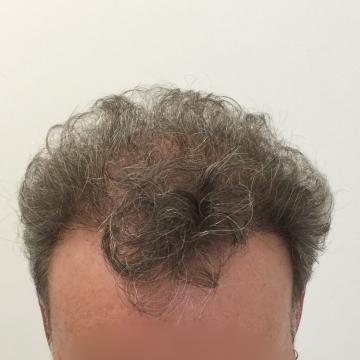
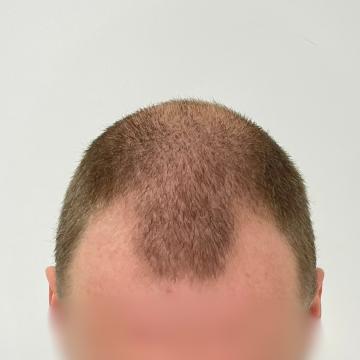


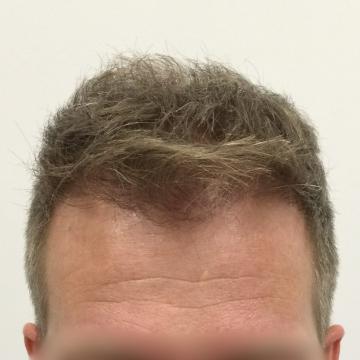


Hair transplantation recovery & aftercare
• Handle the scalp carefully during the first 7–10 days
• No exercise or sauna during the first week
• Scabs fall off naturally
• Shedding phase is normal
• New growth starts after 3–4 months
Hair transplantation – Suitable for whom / less suitable
Suitable if:
• You have stable hair loss
• You have sufficient donor hair
• You have realistic expectations
Less suitable if:
• Active scalp problems
• Insufficient donor area
How do you determine whether a hair transplantation is right for you?
- 1 Do you have permanent hair loss?
- 2 Is your donor area strong enough?
- 3 Do you want a permanent solution?
- 4 Are you open to a recovery period?
- 5 Do you have realistic expectations?
Hair transplantation – Prices, experiences & comparison
• Price depends on the number of grafts
• Comparing helps estimate quality and cost
| Treatment | Unit | City/country | Price | |
|---|---|---|---|---|
| Hair transplantation | Per treatment | United Kingdom | £ 0 | Lowest price |
| Hair transplantation | Per treatment | United Kingdom | £ 0 | Average price |
| Hair transplantation | Per treatment | United Kingdom | £ 0 | Highest price |
Compare prices in your area
Compare on experience & price Make an appointment immediately
Hair transplantation compared with alternatives
• Hair transplantation vs hair medication — permanent vs maintenance
• Hair transplantation vs PRP — relocation vs stimulation
• Hair transplantation vs hairpieces — own hair vs temporary
Hair transplantation Doctors & clinics comparison
Compare on:
• Experience with hair transplantations
• Results
• Reviews
• Aftercare
• Transparency
Cosmetic specialists in United Kingdom

- Botox zone from
- £ 180,00
- Filler per ml from
- £ 250,00

- Botox zone from
- £ 300,00
- Filler per ml from
- £ 450,00

- Botox zone from
- £ 129,00
- Filler per ml from
- £ 250,00

- Botox zone from
- £ 129,00
- Filler per ml from
- £ 250,00

- Botox zone from
- £ 135,00
- Filler per ml from
- £ 210,00

- Botox zone from
- £ 135,00
- Filler per ml from
- £ 210,00

- Botox zone from
- £ 135,00
- Filler per ml from
- £ 210,00

- Botox zone from
- £ 135,00
- Filler per ml from
- £ 210,00
Hair transplantation Differences between clinics
• Technique (FUE / DHI)
• Experience of the doctor
• Treatment team
• Aftercare protocol
• Pricing structure
Compare clinics in United Kingdom

- Botox zone from
- £ 180,00
- Filler per ml from
- £ 250,00
- Profhilo per 2 ml from
- £ 300,00



- Botox zone from
- £ 300,00
- Filler per ml from
- £ 450,00
- Profhilo per 2 ml from
- £ 400,00


- Botox zone from
- £ 129,00
- Filler per ml from
- £ 250,00
- Profhilo per 2 ml from
- £ 195,00

- Botox zone from
- £ 129,00
- Filler per ml from
- £ 250,00
- Profhilo per 2 ml from
- £ 195,00

- Botox zone from
- £ 129,00
- Filler per ml from
- £ 250,00
- Profhilo per 2 ml from
- £ 195,00

- Botox zone from
- £ 129,00
- Filler per ml from
- £ 250,00
- Profhilo per 2 ml from
- £ 195,00

- Botox zone from
- £ 129,00
- Filler per ml from
- £ 250,00
- Profhilo per 2 ml from
- £ 195,00

- Botox zone from
- £ 129,00
- Filler per ml from
- £ 250,00
- Profhilo per 2 ml from
- £ 195,00
Frequently asked questions about hair transplantation
How long does a hair transplantation last?
A hair transplantation is in principle permanent. The transplanted hairs are usually taken from the donor area (the back and sides of the head), where hairs are genetically less sensitive to hair loss. These hairs retain that characteristic after transplantation and generally continue to grow for life. However, the existing non-transplanted hair may continue to fall out in the future, which may make additional treatments necessary.
What are the disadvantages of hair transplantation?
Although a hair transplantation is generally safe, there are possible disadvantages. Immediately after the treatment, swelling, redness, and scab formation may occur. There is a recovery period of several days to weeks. In some cases, shock loss may occur, where existing hair temporarily falls out. In addition, the result depends on the quality of the donor area and the experience of the surgeon. An unnatural hairline or low density can occur if the procedure is performed incorrectly.
What is the best age for a hair transplantation?
Most specialists recommend a hair transplantation from around the age of 25 to 30. At a younger age, the pattern of hair loss is often not yet stable, which can affect the result due to future hair loss. However, the best age depends on individual factors such as genetics, degree of hair loss, and expectations.
Is one hair transplantation enough?
For many people, one hair transplantation is sufficient to achieve the desired result, especially in cases of mild to moderate hair loss. In advanced baldness or continued progression of hair loss, a second session may be necessary. The treatment plan is tailored to the available donor hair and long-term expectations.
How many grafts do I need?
This varies per person and depends on the size of the treatment area, hair density, and desired coverage.
What is the difference between FUE and DHI?
With FUE, grafts are first harvested and then placed. With DHI, the hair follicles are implanted directly using a special pen. Both methods can produce natural results.
Can everyone undergo a hair transplantation?
Not always. Sufficient donor hair, stable hair loss, and a healthy scalp are important.
Are there risks associated with a hair transplantation?
With an experienced doctor, risks are small. Possible side effects include swelling, redness, or temporary numbness.
Can I work after the treatment?
Many people resume light work after a few days. Heavy physical work is usually discouraged for 7–10 days.
A hair transplantation is a proven and effective solution for permanent hair loss. With the right technique and an experienced specialist, a natural and long-lasting result is possible. By comparing clinics and doctors, you gain insight into quality, safety, and costs, which is essential for a successful treatment.