Liquid facelift: Read reviews, compare prices and clinics
As we age, the face loses volume, firmness, and contour. Cheeks may begin to sag, jawlines become less defined, and the skin appears less fresh. This process is caused by volume loss, bone resorption, and a decrease in collagen and elastin.
A liquid facelift is a non-surgical treatment in which different injectables are combined to lift, tighten, and rejuvenate the face. Instead of treating a single area, the face is approached as a whole.
Because a liquid facelift is customized and highly dependent on analysis, product selection, and injection technique, comparing clinics and doctors in your area is essential for a safe and natural result.

This is what you need to know about a liquid facelift
Combines fillers and sometimes skinboosters
Focused on lifting, contouring, and restoring volume
Treats multiple areas in one session
Results are often visible immediately
Treatment takes approximately 30–60 minutes
Effects last 9 to 18 months
Fully customized per face
Comparing clinics in your area helps you choose an experienced doctor
Why results and experiences with a liquid facelift can differ
Why does the result of a liquid facelift look different for everyone?
The result of a liquid facelift varies per person due to differences in anatomy, skin quality, and the degree of volume loss. A liquid facelift usually combines fillers and botulinum toxin to restore volume and modulate muscle activity. When baseline bone structure, fat distribution, and collagen density differ, the tissue responds differently to treatment. Product placement and quantity also influence the balance between lift and contour. As a result, the degree of rejuvenation and facial proportion varies per individual.
Why is one liquid facelift more subtle than another?
The level of subtlety depends on product choice, dosage, and injection placement. Fillers restore volume in specific fat compartments, while botulinum toxin reduces muscle activity that causes wrinkles. When smaller amounts are used and anatomical proportions are carefully respected, the change appears gradual and harmonious. Larger volume corrections or different distribution can make the effect more noticeable. Therefore, the treatment may appear either subtle or more pronounced.
Why are different products used in a liquid facelift?
Depending on the treatment goal, fillers with different rheological properties are used, sometimes combined with skinboosters. Fillers with higher cohesivity and elasticity are suitable for structural volume correction, while softer variants are intended for superficial contour refinement. Skinboosters usually contain low-viscosity hyaluronic acid that primarily improves hydration within the extracellular matrix. Product selection influences how the tissue is supported and how the result develops. Therefore, the treatment is tailored to the desired outcome and the patient’s anatomical starting point.
Why do prices vary between clinics for a liquid facelift?
Prices vary due to differences in the amount of product used, treatment complexity, and practitioner experience. A liquid facelift often combines multiple injectables, so total material costs depend on the number of areas treated and the milliliters required. Consultation time, medical responsibility, and clinic operating costs also influence pricing. Clinics with higher overhead or specialized physicians typically charge higher fees to cover these costs. This leads to price variation between clinics for the same indication.
Why is comparing clinics important for a liquid facelift?
Comparing clinics in your area is important because treatment strategy, product choice, and experience differ per provider. A liquid facelift often combines fillers and botulinum toxin, requiring precise anatomical knowledge for safe and balanced correction. Variations in injection technique and dosage influence volume distribution and lifting effect. Consultation depth and medical assessment also differ between practices. Therefore, comparing clinics helps clarify factors that determine safety, treatment planning, and results.
What is a liquid facelift & how does it work?
Liquid facelift in short
Type of treatment: Combination of injectables
Goal: Lift, volume restoration, and rejuvenation
Visible results: Yes
Average duration: 30–60 minutes
Key success factor: Analysis and injection technique
What exactly does a liquid facelift do?
By strategically adding volume and restoring contours, a lifting effect is achieved without surgery.
How does the treatment proceed for a facelift?
Preparation: Extensive facial analysis
Treatment: Injections in multiple areas
Immediately after: Mild swelling may occur
Is a liquid facelift an alternative to surgery?
Yes, in cases of mild to moderate aging, it can delay or replace a surgical facelift.
What can go wrong with a liquid facelift?
With a liquid facelift, where multiple filler treatments are combined to lift and rejuvenate the face, side effects may occur. The most common reactions are temporary swelling, redness, and bruising in the treated areas. These symptoms usually resolve within a few days. Because multiple facial areas are treated, a well-structured treatment plan and thorough knowledge of facial anatomy are essential. In rare cases, complications can arise due to incorrect placement, inappropriate product selection, or overcorrection. The risk depends less on the type of filler and more on the doctor’s experience, technique, and aesthetic judgment. Comparing doctors and clinics in your area is therefore important for safety and a natural result.
What are the most common side effects of a liquid facelift?
After a liquid facelift, swelling, redness, and bruising may occur at the injection sites. The face may also feel temporarily tender or tight. Because multiple zones are treated, recovery may be slightly more noticeable than after a single filler treatment. These side effects usually decrease within a few days to a week. The final result should only be evaluated once the swelling has fully subsided.
Can the face look unnatural after a liquid facelift?
Yes, overcorrection or inappropriate product selection can make the face appear too voluminous or less natural. This may result in a heavy or puffy appearance, especially if too much filler is used at once. An experienced doctor works with subtle amounts and gradually builds the result. The goal of a liquid facelift is to restore proportions and contours, not to change facial expression.
Is a liquid facelift safe?
A liquid facelift is safe when performed by an experienced doctor with in-depth knowledge of facial anatomy. Because multiple injection points and zones are involved, understanding blood vessels, muscle structures, and fat compartments is crucial. Safety is determined not only by the product but mainly by technique, dosage, and proper patient selection. A comprehensive consultation beforehand is therefore an important part of the treatment.
When should you contact a doctor after a liquid facelift?
You should contact your treating doctor if you experience persistent pain, increasing swelling, skin discoloration, or noticeable asymmetry that does not improve after the first few days. If you feel unusual tightness or have concerns about recovery, it is advisable to seek medical assessment. Early evaluation can help prevent complications and ensure safe healing.
Can the result of a liquid facelift be corrected?
Yes, liquid facelifts typically use hyaluronic acid fillers, which are adjustable and reversible. If the result is unsatisfactory or if overcorrection occurs, the filler can be refined or partially dissolved using a specific enzyme. This provides additional reassurance and flexibility, especially when multiple areas are treated at the same time.
Popular areas treated in a liquid facelift
Cheeks: lift and volume
Jawline: tighter contour
Temples: support for the upper face
Chin: balance and profile
Nasolabial fold: softening
Liquid facelift results, duration & safety
A liquid facelift provides:
A lifted appearance
Tighter contours
A fresher look
Average duration: 9 to 18 months
Safety depends on:
The experience of the doctor
Anatomical knowledge
Injection technique
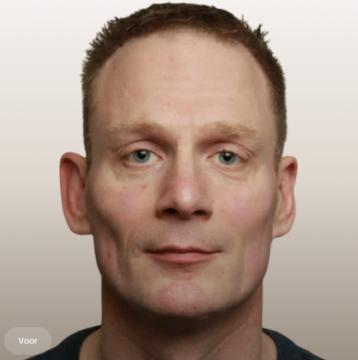
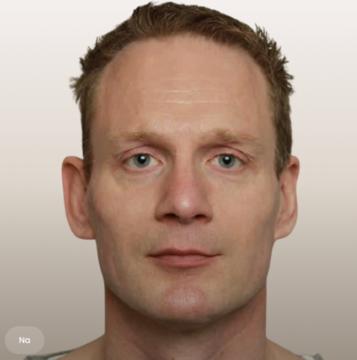
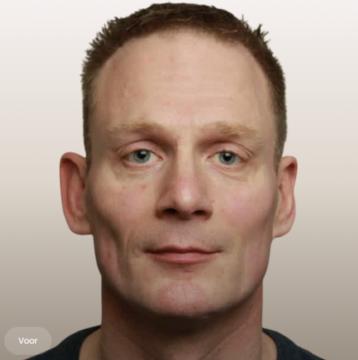
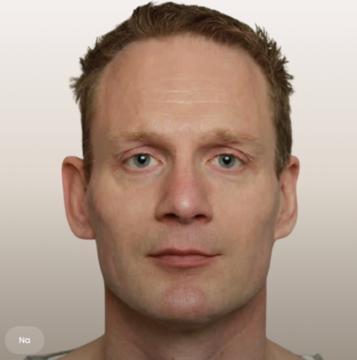
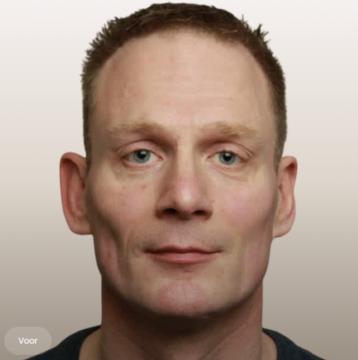
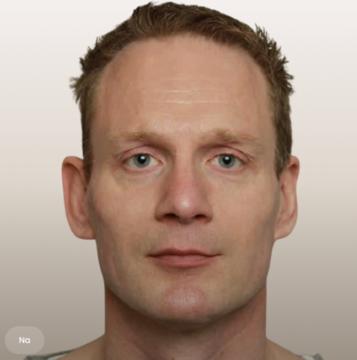
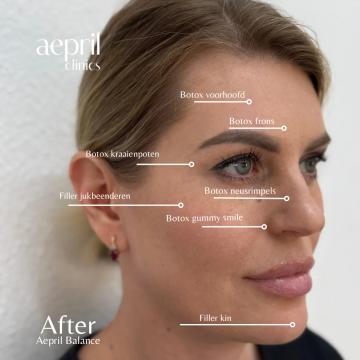
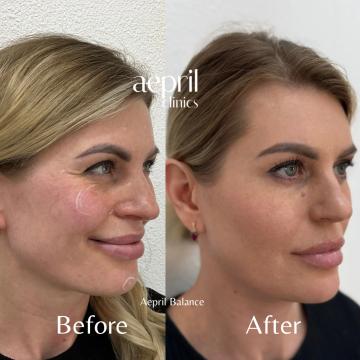
Liquid Facelift before and after photos




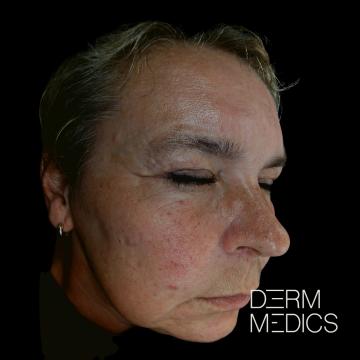
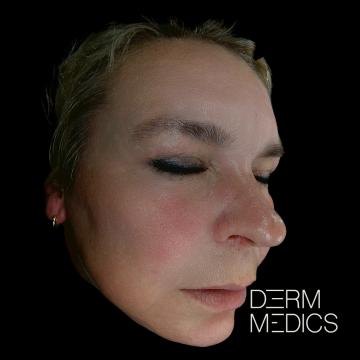


How long does a liquid facelift last & aftercare
On average, 9 to 18 months.
Aftercare:
Do not massage
Avoid intense exercise for 24 hours
Avoid heat and alcohol
Liquid facelift: who is it suitable / less suitable for
Suitable if:
You want to restore volume loss
You want a lift without surgery
You want a natural-looking result
Less suitable if:
You have severe skin laxity
You are pregnant or breastfeeding
You have active infections
How do you determine if a liquid facelift is right for you?
- 1 Do you want to treat multiple areas?
- 2 Do you want a lift without surgery?
- 3 Are you open to a customized treatment?
- 4 Do you have realistic expectations?
- 5 Are you willing to maintain the results?
Liquid facelift prices, experiences & comparison
Average price: £655 – £1,746
Depends on the number of areas treated and the products used
Comparing clinics in your area helps with transparency
| Treatment | Unit | City/country | Price | |
|---|---|---|---|---|
| Liquid Facelift | Treatment | United Kingdom | £ 200 | Lowest price |
| Liquid Facelift | Treatment | United Kingdom | £ 665 | Average price |
| Liquid Facelift | Treatment | United Kingdom | £ 999 | Highest price |
Compare prices in your area
Compare on experience & price Make an appointment immediately
Liquid facelift experiences: what do people pay attention to?
A natural-looking result
A lift without an “overdone” appearance
Expert analysis
Transparent costs
Trust in the doctor
Reviews
and a very friendly welcome awaits. Show less »
Liquid facelift compared with alternatives
Liquid facelift vs facelift — injectables vs surgery
Liquid facelift vs individual zone fillers — full-face vs targeted
Liquid facelift vs skinboosters — lifting vs skin quality improvement
Liquid facelift: comparing doctors and clinics
Compare based on:
Experience with liquid facelift treatments
Analysis and treatment plan
Results
Reviews
Cosmetic specialists in United Kingdom

- Botox zone from
- £ 180,00
- Filler per ml from
- £ 250,00

- Botox zone from
- £ 300,00
- Filler per ml from
- £ 450,00

- Botox zone from
- £ 129,00
- Filler per ml from
- £ 250,00

- Botox zone from
- £ 129,00
- Filler per ml from
- £ 250,00

- Botox zone from
- £ 135,00
- Filler per ml from
- £ 210,00

- Botox zone from
- £ 135,00
- Filler per ml from
- £ 210,00

- Botox zone from
- £ 135,00
- Filler per ml from
- £ 210,00

- Botox zone from
- £ 135,00
- Filler per ml from
- £ 210,00
Liquid facelift differences between clinics
Treatment approach
Product selection
Injection technique
Aftercare
Compare clinics in United Kingdom

- Botox zone from
- £ 180,00
- Filler per ml from
- £ 250,00
- Profhilo per 2 ml from
- £ 300,00



- Botox zone from
- £ 300,00
- Filler per ml from
- £ 450,00
- Profhilo per 2 ml from
- £ 400,00


- Botox zone from
- £ 129,00
- Filler per ml from
- £ 250,00
- Profhilo per 2 ml from
- £ 195,00

- Botox zone from
- £ 129,00
- Filler per ml from
- £ 250,00
- Profhilo per 2 ml from
- £ 195,00

- Botox zone from
- £ 129,00
- Filler per ml from
- £ 250,00
- Profhilo per 2 ml from
- £ 195,00

- Botox zone from
- £ 129,00
- Filler per ml from
- £ 250,00
- Profhilo per 2 ml from
- £ 195,00

- Botox zone from
- £ 129,00
- Filler per ml from
- £ 250,00
- Profhilo per 2 ml from
- £ 195,00

- Botox zone from
- £ 129,00
- Filler per ml from
- £ 250,00
- Profhilo per 2 ml from
- £ 195,00
Frequently asked questions about the liquid facelift treatment
How long does a liquid facelift last?
The result of a liquid facelift is typically visible for about 6 to 18 months. Fillers usually last longer than Botox, which typically wears off after around 3 to 6 months. The exact duration depends on the type of injectable, your metabolism, lifestyle, and the area treated.
Are liquid facelifts worth it?
For many people, liquid facelifts are worth it, especially with early signs of aging and volume loss. They offer a visible rejuvenating effect without surgery, with minimal downtime and immediate results. With severe skin laxity, a surgical facelift is often more effective.
What does a liquid facelift do?
A liquid facelift combines fillers and sometimes Botox to lift the face, restore volume, and reduce wrinkles. The treatment improves facial contours, restores balance, and creates a fresher, more rested look without surgery.
What is the best age for a facelift?
There is no single best age for a facelift. Many people choose a liquid facelift or injectables in their 30s to 50s, while a surgical facelift may be more suitable at an older age when skin laxity is more advanced. Skin quality and the degree of aging are more important than age itself.
What is the best facelift without surgery?
The best non-surgical facelift depends on the skin concern. Common options include a liquid facelift, HIFU, radiofrequency treatments, and collagen-stimulating injectables. These methods can tighten and lift the skin without incisions or long recovery time.
Which areas are usually treated in a liquid facelift?
Common areas include the cheeks, jawline, chin, temples, and nasolabial folds. The exact areas vary per person and treatment plan.
What is the least invasive facelift?
The least invasive facelift consists of treatments such as Botox, small amounts of fillers, skinboosters, or energy-based skin tightening like HIFU. These options have little downtime and are mainly suitable for mild signs of aging.
Can the face look unnatural after a liquid facelift?
With over-treatment or the wrong product choice, the result can become too voluminous. An experienced doctor aims for subtle corrections while preserving natural facial expression.
What are the most common side effects?
Swelling, redness, and bruising are most common and usually resolve within a few days to a week.
Can a liquid facelift be removed?
Yes. If hyaluronic acid fillers were used, they can be dissolved if necessary using hyaluronidase.
How much filler is needed for a liquid facelift?
This varies widely per person, but usually around 2 to 6 ml of filler is used, distributed across multiple areas.
What should you not do after a liquid facelift?
Do not massage or press on the treated area. Avoid intense exercise for 24 hours. Avoid sauna, tanning beds, and alcohol for 24 to 48 hours.
What does a liquid facelift cost on average?
The average price is between £655 and £1,747, depending on the number of areas treated, the products used, and the doctor’s experience.
Who is a liquid facelift suitable for?
For people with early to moderate volume loss who want lifting and rejuvenation without surgery.
Why is comparing clinics important?
Because a liquid facelift is customized and involves multiple areas, comparing clinics helps you understand experience, treatment approach, results, and safety.
The liquid facelift is an effective and non-surgical way to lift the face, restore contours, and bring back a fresh appearance. The result is immediately visible and fully tailored to the individual.
By comparing doctors and clinics in your area, you gain insight into expertise, costs, and treatment strategy, which contributes to a safe and natural result.