Gummy smile

Drs. Tom van Eijk
A gummy smile means that more gum is visible above your upper teeth when you smile. Botulinum toxin, commonly referred to by the brand name Botox, may temporarily reduce this when strong upward movement of the upper lip is an important part of the cause.
Botulinum toxin cannot change the amount of gum tissue, the position or visible length of your teeth, your bite or the shape of your upper jaw. This is why identifying the likely cause matters before deciding whether treatment around the upper lip is relevant.
A gummy smile does not need to be treated. If you are considering treatment, a consultation should help establish what is contributing to your smile and what a treatment can realistically change.
You can also read the broader guide to Botox treatments if you want information about botulinum toxin beyond gummy smile treatment.
What is a gummy smile?
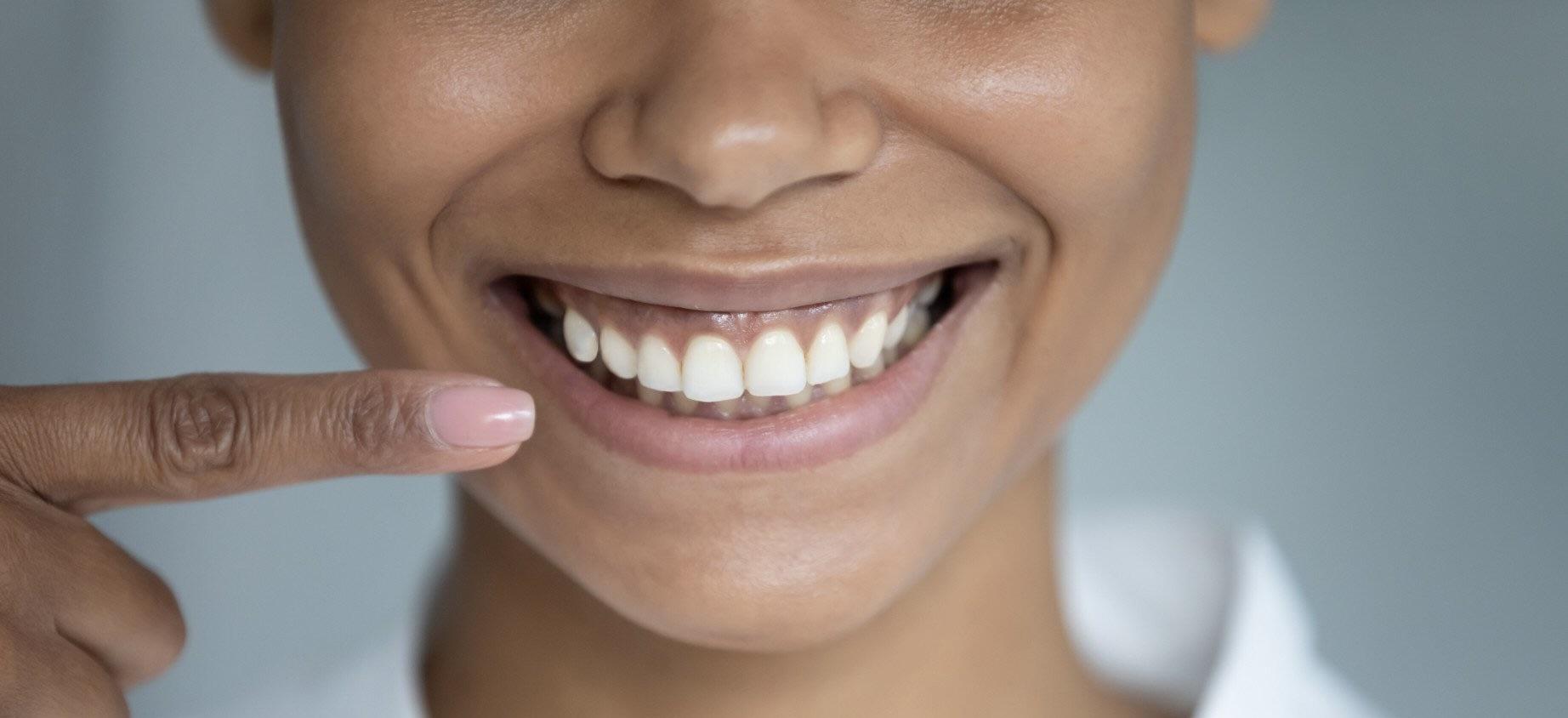
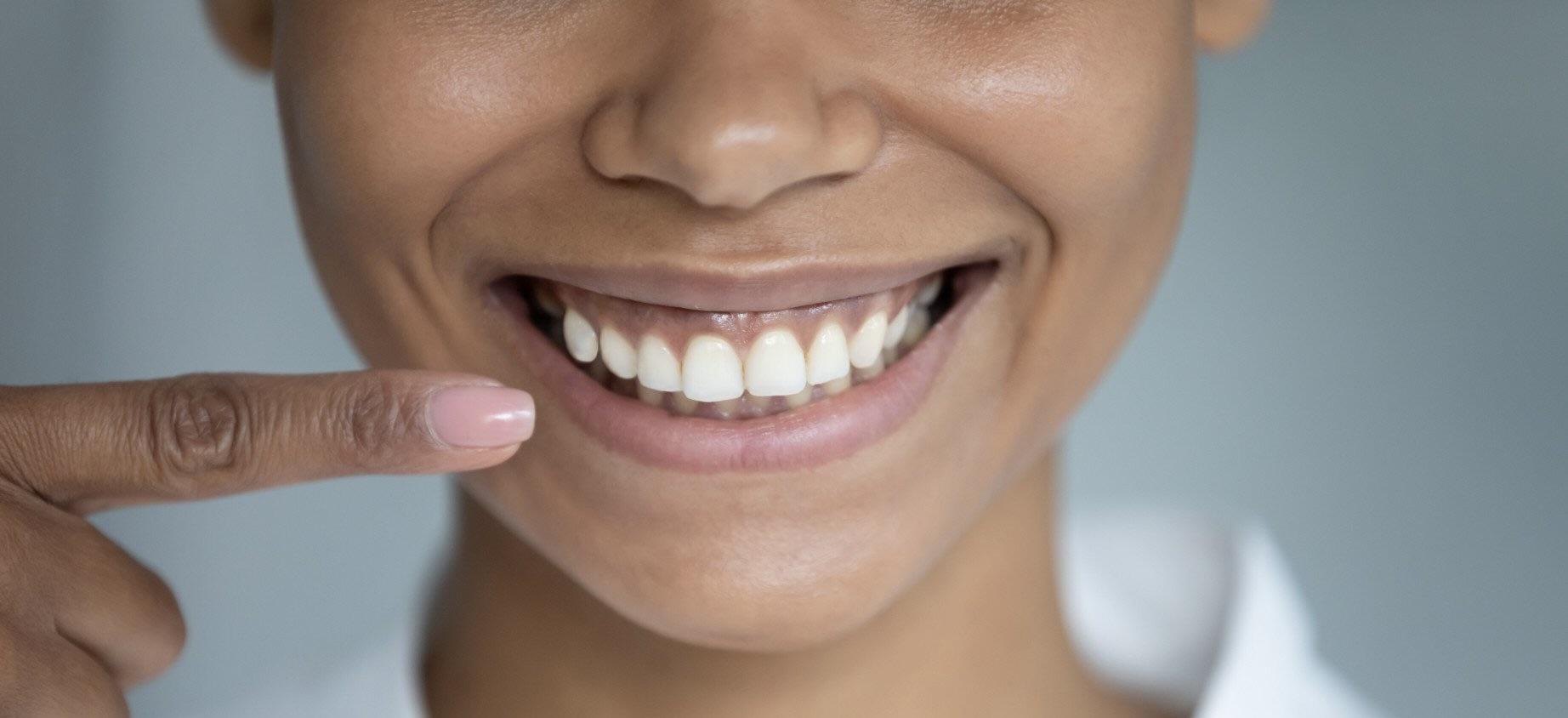
A gummy smile, sometimes called excessive gingival display, describes a smile in which a relatively large amount of gum is visible above the upper teeth.
How much gum is visible can be influenced by several parts of your anatomy. The movement and length of the upper lip can contribute, but so can the gums, teeth, bite and upper jaw.
A dynamic or structural gummy smile
A more dynamic gummy smile becomes especially noticeable when you smile because the upper lip moves relatively far upwards. Reducing the activity of selected muscles may therefore change how high the lip rises.
A more structural gummy smile is mainly related to factors such as the gum covering the teeth, the visible length or position of the teeth, the bite or the proportions of the upper jaw. Botulinum toxin does not change these structures.
Some people have more than one contributing factor. A strong upper-lip movement can, for example, occur alongside short-looking teeth or greater gum display.
This distinction is important because gummy smile Botox only targets muscle activity. It does not correct every possible cause of visible gum.
When can Botox reduce a gummy smile?
Botulinum toxin may reduce a gummy smile when strong upward movement of the upper lip is an important reason why the gum becomes visible. The treatment temporarily reduces the activity of selected muscles that lift the upper lip.
As those muscles contract less strongly, the upper lip may rise less when you smile. This can reduce the amount of gum that is visible without changing the teeth or gums themselves.
When might muscle activity be relevant?
Upper-lip muscle activity may be an important factor when:
most of the extra gum becomes visible during a broad smile;
the upper lip moves noticeably upwards as you smile;
the amount of gum visible changes substantially between rest and smiling;
reducing lip elevation, rather than changing the teeth or gums, matches the treatment goal.
These characteristics do not establish whether treatment is appropriate for you. A practitioner needs to assess your smile and relevant medical history before treatment.
When may Botox have limited effect?
Botox may make little difference if visible gum is mainly related to:
the amount or shape of gum tissue;
teeth that appear relatively short;
tooth position;
your bite;
the proportions of your upper jaw;
a combination of factors in which upper-lip muscle activity plays only a small role.
In these situations, reducing muscle activity cannot correct the underlying structural cause.
How is a gummy smile assessed?
- 1 Look at your mouth and upper lip at rest
- 2 Assess your natural and full smile
- 3 Check how far the upper lip moves
- 4 Assess where the gum is most visible
- 5 Consider the teeth, gums and bite
- 6 Discuss your medical history and treatment goal
What happens during a gummy smile consultation?
A gummy smile should not be assessed from the amount of gum visible in one photograph alone. The practitioner needs to consider how your upper lip and mouth move as you smile.
The assessment may include your lip position at rest, your natural smile, a broader smile, differences between the two sides of the mouth and where the greatest gum exposure occurs.
Your practitioner may also consider the visible length and position of your upper teeth, the appearance of your gums and whether your bite or facial structure could be contributing.
Medical history is also relevant. Tell the practitioner about medicines, medical conditions, previous botulinum toxin treatment and any unexpected reactions you have experienced.
If the main contributor appears to be dental, gingival or skeletal rather than muscular, the consultation may conclude that Botox is unlikely to address the main cause.
A consultation does not commit you to treatment. Deciding not to have treatment remains an option.
How does gummy smile Botox work?
Botulinum toxin temporarily reduces communication between nerves and selected muscles. For a muscle-related gummy smile, the goal is to reduce excessive upward movement of the upper lip when you smile.
The aim is not to stop the mouth moving normally. Treatment planning needs to account for the fact that muscles around the lips contribute to facial expression and mouth function.
The precise treatment pattern depends on the anatomy being assessed and the botulinum toxin product being used. Botulinum toxin products use product-specific potency units, so unit numbers should not be treated as interchangeable between different products.
If you want a broader explanation of the biological mechanism rather than gummy smile treatment specifically, see how Botox works.
When will you see the result of gummy smile Botox?
The effect develops gradually rather than immediately. Your upper lip may therefore still move normally directly after the injections.
During the first few days, the effect continues to develop. It is too early at this stage to judge the final change in gum visibility.
Around two weeks after treatment is a more useful point for assessing how the upper lip responds and whether the smile remains balanced.
What result can gummy smile Botox produce?
When upper-lip muscle activity is an important part of the cause, treatment may result in:
less upward movement of the upper lip;
less gum visible during a full smile;
a change that remains dependent on your original anatomy.
A complete removal of visible gum should not be expected or promised. If dental, gingival or skeletal factors also contribute, some gum may remain visible after the muscle activity has been reduced.
How long does the effect last?
The effect is temporary and gradually wears off as muscle activity returns.
How long a visible change lasts differs between individuals and can also depend on the treatment plan and product used. There is therefore no single repeat-treatment interval that applies to everyone.
What are the possible side effects of gummy smile Botox?
Botulinum toxin treatment involves injections and can cause temporary reactions around the treatment area. These may include redness, tenderness, minor swelling or bruising.
Because the treatment affects muscles close to the mouth, the position and movement of the upper lip are particularly relevant.
Possible unwanted effects can include:
temporary unevenness when smiling;
the upper lip moving less than intended;
less of the upper teeth showing when you smile;
a change in the position of the corners of the mouth;
an altered feeling when smiling;
unintended effects on nearby muscles;
less reduction in gum display than expected;
an existing asymmetry becoming more noticeable.
Botulinum toxin cannot be dissolved in the way that some hyaluronic acid fillers can. If an unwanted muscle effect occurs, it generally reduces as the botulinum toxin effect wears off.
For a broader explanation of possible adverse outcomes rather than the mouth-specific risks above, read about Botox treatment complications.
Safety information about gummy smile Botox
Can gummy smile Botox be an off-label treatment?
Yes. Gummy smile treatment may involve off-label use depending on the botulinum toxin product being used.
Off-label means that the medicine is being used for a purpose that is not included as an authorised indication in that product's official information.
Before treatment, the practitioner should explain what product is being proposed, why it is being considered for your gummy smile and what relevant risks and limitations apply.
When might treatment be postponed?
Treatment may need to be postponed when there is an infection or inflammation around the planned injection area.
Other medical conditions, medicines or a history of unexpected reactions to botulinum toxin may also affect whether treatment is appropriate. Give the practitioner an accurate medical history before any injections are planned.
What about pregnancy or breastfeeding?
Cosmetic botulinum toxin treatment is generally avoided during pregnancy. If you are pregnant, trying to become pregnant or breastfeeding, tell the practitioner before treatment is considered.
For more specific information, see Botox during pregnancy.
When should you seek medical help?
Contact the treating clinic if you develop an unexpected or increasing problem with your smile or mouth function.
Rarely, the effects of botulinum toxin can extend beyond the injection area. Seek immediate medical advice if you develop symptoms such as difficulty breathing, swallowing or speaking, or significant muscle weakness.
Gummy smile Botox or a lip flip?
Gummy smile Botox and a lip flip both involve botulinum toxin around the upper-lip area, but they do not have the same primary goal.
For a muscle-driven gummy smile, treatment aims to reduce how strongly the upper lip rises and therefore reduce the amount of gum showing.
A lip flip is primarily intended to alter how the border of the upper lip turns outwards. It is not automatically a treatment for the cause of excessive gum display.
Read the dedicated lip flip guide if that is the treatment you are researching.
What if the cause is your gums, teeth or jaw?
If gum tissue, tooth position, your bite or upper-jaw proportions appear to be the main cause, Botox cannot change those structures.
A practitioner may therefore advise that a dental or other relevant assessment is more appropriate before deciding what, if anything, you want to treat.
How much does gummy smile Botox cost in the UK?
The cost of gummy smile treatment varies between clinics, and comparing a quoted price only makes sense when you understand what the quote includes.
Check whether the price covers:
the consultation;
the proposed gummy smile treatment;
a follow-up appointment where offered;
whether additional treatment would involve another charge;
the botulinum toxin product being used.
Price alone does not tell you whether the proposed treatment matches the cause of your gummy smile or how much relevant experience the practitioner has around the mouth.
For broader information about how botulinum toxin treatment is priced, see Botox costs.
| Treatment | Unit | City/country | Price | |
|---|---|---|---|---|
| Gummy Smile botox | Treatment | United Kingdom | £ 20 | Lowest price |
| Gummy Smile botox | Treatment | United Kingdom | £ 162 | Average price |
| Gummy Smile botox | Treatment | United Kingdom | £ 8080 | Highest price |
Reviews of gummy smile treatment
I’m so pleased with the outcome. It looks really natural, and it’s given me so much more confidence when I smile. I’m really glad I chose Dr P and wouldn’t hesitate to recommend her to anyone considering treatment. Show less »
From the very beginning, Dr. Alison took the time to explain everything in detail. She carefully talked me through each recommended injection, explaining which muscles would be targeted, how the treatment would work, and what results I could realistically expect.
One concern I had always been self-conscious about was my gummy smile. Whenever I smiled, my upper lip would roll inwards, exposing more of my gums than I liked. After discussing this with Dr. Alison, we agreed on a treatment plan to help reduce the appearance of my gummy smile.
I cannot express how grateful I am for the results. The improvement has been amazing, I can now smile confidently without my gums showing excessively or my upper lip rolling inwards. The result looks completely natural and has made such a positive difference to my confidence.
Thank you, Dr. Alison, for your expertise, honesty, and exceptional care!
Highly recommend to anyone considering aesthetic treatments. Show less »
How do you compare practitioners for gummy smile Botox?
Gummy smile treatment is performed close to muscles that influence the smile. Comparing practitioners should therefore involve more than checking whether a clinic simply lists the treatment.
Ask how the cause is assessed
A practitioner should be able to explain whether upper-lip muscle activity appears to be an important contributor and what Botox would not change.
Be cautious if treatment is proposed without considering the movement of your smile or whether the teeth, gums or jaw may be contributing.
Check relevant experience
Ask about the practitioner's professional background and experience using botulinum toxin around the mouth and treating gummy smiles specifically.
A professional title alone does not establish experience with this treatment area.
Ask which product is being used
Different botulinum toxin products are not identical. Ask which product is proposed and whether its use for your gummy smile would be off-label.
Compare follow-up arrangements
Find out what happens if you have questions after treatment, when the clinic usually assesses the result and how it manages an unexpected change in smile movement or asymmetry.
Before deciding, you can read more about what to consider when choosing a Botox practitioner.
Compare clinics in United Kingdom



- Gummy smile from
- £ 85,00

- Gummy smile from
- £ 85,00
- Gummy smile from
- £ 85,00
- Gummy smile from
- £ 85,00
- Gummy smile from
- £ 85,00
- Gummy smile from
- £ 85,00
- Gummy smile from
- £ 85,00
Frequently asked questions about gummy smile Botox
What is a gummy smile?
A gummy smile means that a relatively large amount of gum is visible above the upper teeth when you smile. It may be influenced by upper-lip movement, gum tissue, tooth position, your bite, upper-jaw proportions or a combination of factors.
Can Botox reduce a gummy smile?
It may help when strong upward movement of the upper lip is an important part of the cause. Botulinum toxin temporarily reduces selected muscle activity so the lip may rise less when you smile.
When will Botox not fix a gummy smile?
Botox cannot correct excess gum tissue, tooth position, your bite or upper-jaw structure. If these are the main causes of gum visibility, reducing upper-lip muscle activity may have limited effect.
How quickly does gummy smile Botox work?
The effect develops gradually over the first days. Around two weeks after treatment is usually a more useful time to assess the change in upper-lip movement and gum display.
How long does gummy smile Botox last?
The effect is temporary and gradually wears off as muscle activity returns. Duration varies between individuals, so there is no single repeat-treatment interval that applies to everyone.
Can gummy smile Botox make your smile uneven?
Temporary asymmetry is possible because muscles around the upper lip influence smile movement. The two sides can respond differently, and a pre-existing asymmetry may also become more noticeable.
Is gummy smile Botox off-label in the UK?
It can be, depending on the botulinum toxin product used. Off-label means that treating a gummy smile is not included as an authorised indication in that product's official information. The practitioner should explain this before treatment.
Is gummy smile Botox the same as a lip flip?
No. Gummy smile treatment aims to reduce excessive upward movement of the upper lip when this contributes to gum display. A lip flip primarily aims to change how the border of the upper lip turns outwards.
Can a gummy smile be treated without Botox?
Potential options depend on the underlying cause. When visible gum is mainly related to the gums, teeth, bite or jaw rather than upper-lip muscle activity, another type of assessment may be more relevant. Treatment is not necessary if you do not want to change your smile.