Choosing a Filler Clinic

Drs. Tom van Eijk
Choosing a filler clinic should start with who will perform the treatment and how the clinic manages consultation, product information, risks and aftercare — not simply the cheapest price or nearest location.
Check that you know who will treat you, what relevant experience they have, which filler is being proposed and why, what the total cost includes and how the clinic handles questions or concerns after treatment.
Use this page as a practical clinic-selection checklist. If you first want an overview of the treatment itself, read our guide to dermal fillers.
A consultation does not commit you to having treatment. You should have enough information and time to decide whether the clinic and proposed treatment are right for your circumstances.

How to choose a filler clinic
- 1 Check who will perform the treatment
- 2 Check relevant filler experience
- 3 Ask which filler product will be used
- 4 Expect a proper consultation
- 5 Check how risks are explained
- 6 Review realistic treatment examples
- 7 Read recent and specific reviews
- 8 Understand what the price includes
- 9 Ask how aftercare works
- 10 Watch for pressure or unrealistic promises
Find filler clinics in the UK
Compare on experience & price Make an appointment immediately
How do you choose a reliable filler clinic?
A reliable filler clinic should be transparent about who performs the treatment, their relevant experience, the proposed filler product, the consultation process, possible risks and the aftercare available afterwards.
Check who will actually treat you
Do not assess a clinic only by its brand name or website. Check the full name and professional role of the person who would perform your treatment.
Where qualifications, professional registration or other credentials are stated, check that the information can be verified rather than relying only on marketing wording.
Relevant filler experience also matters. A professional title alone does not tell you how much experience someone has with the particular treatment or anatomical area you are considering.
For a more practitioner-specific checklist, see how to choose a filler practitioner.
Look for experience relevant to your treatment area
Experience with fillers in general and experience with a particular anatomical area are not necessarily the same thing.
Ask whether the practitioner regularly assesses and treats the area you are considering. Different areas require different treatment planning, anatomical knowledge and product selection.
You do not need a clinic to promise that it is an “expert” or “the best”. You need enough specific information to judge whether the practitioner has relevant experience.
Ask which filler is being proposed
The clinic should be able to tell you what product is being considered and why it may be appropriate for the proposed treatment plan.
Ask for the product name rather than accepting a vague description such as “premium filler”.
A particular filler brand does not automatically mean that the treatment will be safer, better or more suitable for you. Product choice should form part of the consultation and treatment plan.
Check what happens after treatment
Choosing a clinic also means considering what happens after you leave.
What should happen during a filler consultation?
A filler consultation should give you enough information to understand what is being proposed, why it is being proposed, the main limitations and risks, what it may cost and what happens afterwards.
The practitioner should first understand what you want to discuss rather than moving immediately to treatment.
A consultation may include discussion of:
your treatment goals;
relevant medical history;
previous cosmetic treatments where relevant;
the area being assessed;
whether filler may be appropriate in your circumstances;
the proposed product and treatment plan;
the approximate amount of product that may be considered;
possible temporary reactions;
relevant risks and complications;
expected aftercare;
the total proposed cost;
alternatives, including deciding not to have treatment.
You should also have the opportunity to ask questions.
Be cautious if the consultation feels mainly focused on selling a particular amount of filler, upgrading your treatment or encouraging you to proceed immediately.
A responsible consultation can also end with the decision not to treat, or to reconsider the plan later.
Questions to ask before choosing a filler clinic
Who will perform my treatment?
Ask for the practitioner's full name and professional role. You can also ask about relevant training, experience with dermal fillers and experience with the area you are considering.
Where professional registration is claimed, verify the stated information through the appropriate register.
Ask whether the practitioner has appropriate insurance covering the procedure.
What filler product will be used?
Ask for the product name and why it is being proposed for your treatment plan.
The clinic should be able to explain what type of filler is being considered without relying on vague terms such as “high-end”, “premium” or “best”.
You can also ask how the clinic obtains its products if you want more information about product sourcing.
What are the risks of this treatment?
Ask which temporary reactions and possible complications are relevant to the area being treated.
The practitioner should explain this in understandable language and tell you what you should do if you become concerned afterwards.
Be cautious if filler treatment is described as completely safe or risk-free.
What happens after the treatment?
Ask how to contact the clinic after treatment, what aftercare guidance you will receive and whether review is available when appropriate.
You should also know what the clinic expects you to do if you develop an unexpected symptom or have concerns about your recovery.
What exactly does the quoted price include?
Ask whether the price includes:
the consultation;
the proposed amount of filler;
the stated filler product;
aftercare;
any planned review;
how the clinic handles concerns or possible corrective treatment.
Compare like with like rather than comparing only the headline fee.
What are red flags when choosing a filler clinic?
Red flags include unclear practitioner information, vague product information, pressure to proceed, guaranteed-result claims, poor risk explanations, unclear pricing and no obvious aftercare route.
You cannot clearly identify the practitioner
You should know who is expected to perform your treatment before you agree to it.
Be cautious if practitioner information is missing, inconsistent or only provided after payment.
The filler product is unclear
A clinic should be able to tell you which product is being proposed.
Statements such as “we only use the best filler” are not a substitute for a product name and an explanation of why it is being considered.
You are pressured to decide immediately
Price reductions and promotions should not prevent you from taking time to consider the treatment.
Be cautious if you feel pressured to pay, upgrade or have treatment immediately because an offer is supposedly about to disappear.
Results are guaranteed
No clinic can guarantee that another person's before-and-after result will be reproduced in you.
Your anatomy, treatment plan, previous procedures and individual response can all affect the outcome.
Claims such as “perfect results”, “completely safe” or “zero risk” should be treated cautiously.
Risks are minimised or avoided
A consultation should not discuss only the desired result.
The clinic should also explain possible adverse effects and what happens if a concern develops. More detailed information belongs on our dedicated guide to filler complications.
There is no clear aftercare route
Before treatment, you should know how to contact the clinic afterwards.
If nobody can explain what happens when you have a question, unexpected reaction or concern after treatment, consider this before deciding whether to proceed.
Dermal filler reviews
Stacey takes the time to speak with me.
Gives me the best results for chin filler.
Amazing shape for lip filler.
Botox appointments are always good.
Stacey takes the time to speak with me.
Gives me the best results for chin filler.
Amazing shape for lip filler.
Botox appointments are always good.
Highly recommend!
How should you assess filler clinic reviews and before-and-after photos?
Reviews and before-and-after photos can provide useful context, but neither should be treated as proof that you will have the same experience or result.
Look beyond the average review score
Useful reviews tend to be specific.
Look for comments about:
the consultation;
whether expectations were discussed clearly;
communication;
the treatment experience;
aftercare;
follow-up;
how the clinic responded when the reviewer had a question or concern.
Check whether the review actually relates to fillers rather than another service offered by the clinic.
Recent reviews are generally more useful for understanding the clinic's current service than very old experiences.
If you want to assess patient feedback in more depth, see our guide to filler reviews.
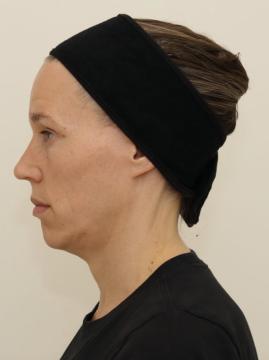
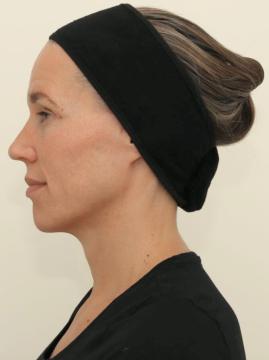
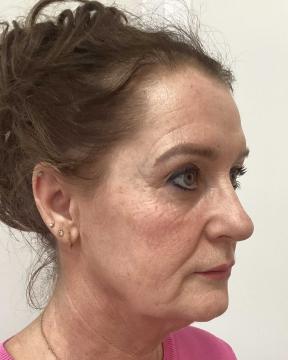
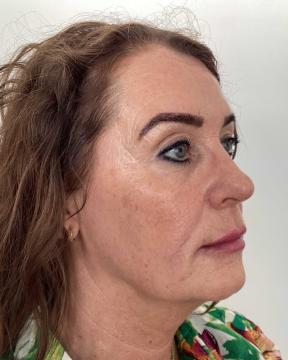
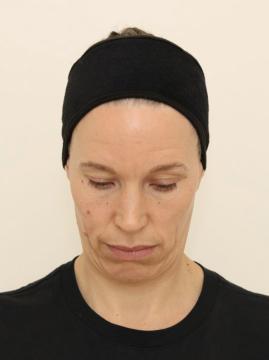
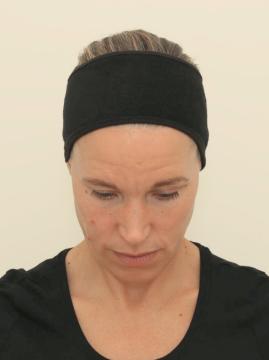
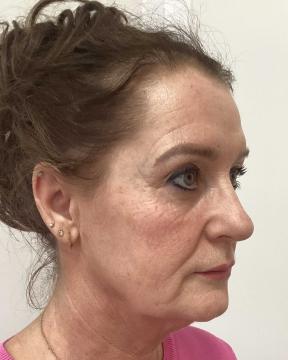
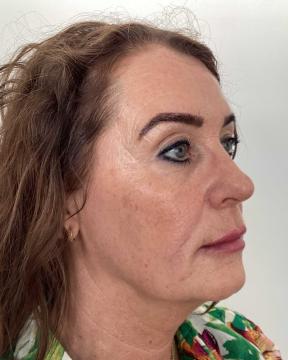
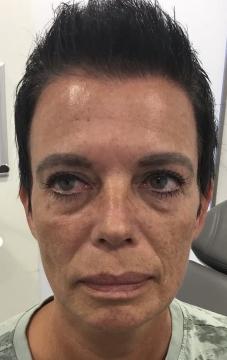
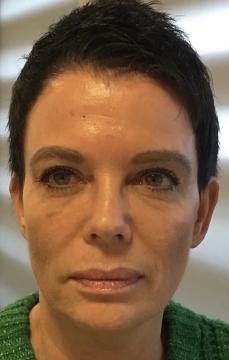
Treat photographs as examples, not promises
Before-and-after photographs may help you understand the type of work a clinic performs.
Where possible, look for examples involving the same treatment area you are considering and check whether the photography appears consistent in angle, lighting and expression.
Photographs should support your consultation rather than replace it. Individual results vary and another person's result cannot predict yours.
Dermal filler before and after examples


Does price tell you whether a filler clinic is good?
Price alone cannot tell you whether a filler clinic is suitable for you. Compare what the quoted price includes together with practitioner information, consultation quality, the proposed product and aftercare.
A lower price does not automatically mean poor treatment. Equally, paying more does not guarantee a better result.
Ask the clinic:
what amount of filler the quote covers;
which product is proposed;
whether consultation is included;
whether any planned review is included;
what aftercare is provided;
whether there could be additional charges under the proposed treatment plan.
This makes it easier to compare clinics on the same basis rather than comparing headline prices that may represent different treatments or inclusions.
For UK pricing information based on clinic listings, see filler costs.
Compare filler clinics using the same checklist
When comparing filler clinics, apply the same criteria to each clinic rather than changing your standard based on price, location or advertising.
Compare information such as:
who performs filler treatments;
the practitioner information available;
treatments offered;
clinic location;
listed prices where available;
patient reviews;
consultation information;
the clinic's approach to aftercare.
Injectablesbooking brings clinic, treatment, practitioner, review and pricing information together where this information is available.
Use those details as a starting point for comparison, then use your consultation to ask the clinic the questions that matter to your individual treatment decision.
You are not required to choose the clinic with the lowest price, highest review score or shortest travel distance. The purpose of comparison is to help you make a more informed decision.
Compare clinics in United Kingdom

- Filler from
- £ 250,00



- Filler from
- £ 250,00


- Filler from
- £ 250,00

- Filler from
- £ 250,00

- Filler from
- £ 250,00

- Filler from
- £ 250,00

- Filler from
- £ 250,00

- Filler from
- £ 250,00
Frequently asked questions about choosing a filler clinic
How do I choose a good filler clinic?
Check who will perform the treatment, their relevant filler experience, what product is proposed, how the consultation works, how risks are explained and what aftercare is available. Do not choose on price or location alone.
What should I check before booking fillers?
Check the practitioner's identity and relevant experience, the proposed filler product, the consultation process, possible risks, total cost and how you can contact the clinic after treatment.
Is the cheapest filler clinic a good choice?
Price alone cannot determine whether a clinic is right for you. Compare what the price includes together with practitioner experience, consultation quality, product information and aftercare.
What are red flags at a filler clinic?
Possible red flags include unclear practitioner information, no clear product name, pressure to proceed immediately, guaranteed-result claims, little discussion of risks and no clear aftercare contact.
What questions should I ask during a filler consultation?
Ask who will treat you, what relevant experience they have, which product is proposed, why it is being considered, what risks apply, what the price includes and what happens if you have concerns afterwards.
How can I check a filler practitioner's qualifications?
Ask for the practitioner's full name, professional role and relevant training. Where professional registration or other credentials are claimed, verify them through the appropriate register rather than relying only on clinic marketing.
Are filler clinic reviews reliable?
Reviews can provide useful context about consultation, communication, treatment and aftercare, but they do not prove medical safety or predict your result. Look for recent, specific reviews rather than relying only on the average rating.
Should a filler clinic show before-and-after photos?
Before-and-after photos can help you understand examples of a clinic's work, particularly for the area you are considering. They should be treated as examples only because individual results vary.
Should I have filler treatment at the first consultation?
You do not have to proceed at the first consultation. You should have enough information and time to consider the proposed treatment, risks, costs and alternatives before deciding.
What should a filler clinic explain about aftercare?
The clinic should explain what to expect after treatment, what aftercare guidance to follow, how to contact them with a concern and what happens if further assessment is needed.