Salmon sperm treatment and polynucleotides: innovations in skin rejuvenation
More and more people are seeking skin-improving treatments that not only fill wrinkles but strengthen and restore the skin from within. The salmon sperm and polynucleotide treatment, also known as a regenerative skinbooster, was developed to improve skin quality by stimulating cellular renewal.
Polynucleotides are natural building blocks of DNA derived from salmon DNA. They stimulate the skin to repair itself, improve elasticity, deeply hydrate, and support collagen production. As a result, the skin looks fresher, smoother, and firmer without adding volume.
Because results depend heavily on technique, product quality, and the doctor’s experience, comparing clinics in your area is essential. Not only price, but also treatment approach, expertise, and aftercare help determine the final outcome.
This is what you need to know about salmon sperm & polynucleotide treatment
Polynucleotides stimulate skin repair and cellular renewal.
The result is firmer, smoother, and better-hydrated skin.
The treatment focuses on skin quality, not on adding volume.
Improvement builds gradually in the weeks after treatment.
Multiple sessions are usually needed for optimal results.
Safety and effectiveness strongly depend on the doctor’s experience.
Comparing clinics in your area helps you find qualified practitioners.
Why can results and experiences with salmon sperm & polynucleotide treatments differ per person?
Why does skin improvement from salmon sperm & polynucleotides appear faster in some people?
Skin improvement from salmon DNA-derived polynucleotides may be visible sooner in some individuals due to differences in skin condition, cellular activity, and circulation. Polynucleotides stimulate fibroblasts through biological signaling pathways to repair damaged tissue and promote collagen production. When metabolism and regenerative capacity are higher, this cellular activation occurs more efficiently. As a result, improvements in hydration, elasticity, and skin structure become visible more quickly. With a slower tissue response, the effect develops more gradually.
Why are multiple treatments sometimes needed with salmon sperm & polynucleotides?
Multiple treatments may be necessary due to differences in the degree of skin aging and tissue damage. Polynucleotides stimulate fibroblast activity and support restoration of the extracellular matrix through biological signaling pathways. When collagen density is reduced or chronic skin damage is present, a single stimulation session is often insufficient to achieve structural improvement. Repeated treatments enhance and prolong regenerative processes. This leads to gradual and cumulative improvement in skin structure and elasticity.
Why do results vary between clinics for salmon sperm & polynucleotide treatments?
Results vary between clinics due to differences in injection technique, dosage, and treatment protocol. These factors determine how deeply and evenly the product is distributed within the tissue. Distribution influences the level of fibroblast activation and collagen production in the extracellular matrix. Variations in medical assessment of skin condition can also result in adjusted treatment strategies. Therefore, both the speed and degree of skin improvement may vary between clinics.
Why do prices for salmon sperm & polynucleotide treatments vary so much?
Prices differ due to variations in purchasing costs, product concentration, and the amount required per session. These factors determine the direct material cost of treatment. Additionally, practitioner experience, consultation time, and clinic overhead affect the total price. Clinics with higher operating costs or specialized doctors often charge higher fees to cover these expenses. This results in clear price differences between practices for similar indications.
Why is comparing salmon sperm & polynucleotide treatments important?
Comparing salmon DNA-derived polynucleotide treatments is important because composition, concentration, and injection technique may differ between clinics. These factors influence how the product spreads within the tissue and the extent of fibroblast stimulation. Variations in medical assessment and treatment protocols affect both safety and consistency of results. Pricing structures and product volumes may also vary. Comparing clinics in your area therefore provides insight into factors that influence outcomes and risk profile.
What does a salmon sperm & polynucleotide treatment do & how does it work?
Polynucleotides in short
Type of treatment: Injectable skin-repairing skinbooster
Goal: Improve skin quality and stimulate cellular regeneration
Visible results: Yes, gradually
Average duration: 30 minutes
Key success factor: The doctor’s experience
What happens during a polynucleotide treatment?
The doctor injects small amounts of polynucleotides superficially into the skin at specific points. The substance spreads within the skin tissue and stimulates repair processes.
How do polynucleotides improve the skin?
They activate fibroblasts (cells that produce collagen), improve circulation, and support hydration. As a result, the skin becomes more elastic and smoother.
Is the result of a polynucleotide treatment permanent?
No, the effect is long-lasting but not permanent. Maintenance treatments are usually required.
What can go wrong with a polynucleotide treatment?
With a polynucleotide treatment, mild side effects may occur, such as temporary swelling, redness, and small bruises at the injection sites. These usually resolve on their own within a few days. Serious complications are rare, especially when the treatment is performed by an experienced doctor using proper injection technique.
What are the most common side effects of polynucleotides?
The most common side effects are mild swelling, redness, and small bruises around the injection points. This is a normal skin reaction to the treatment and typically disappears within a few days.
Can the skin feel temporarily sensitive after a polynucleotide treatment?
Yes, after the injections the skin may feel slightly sensitive or tight. This sensation is usually mild and subsides on its own within a short time.
Are serious complications possible with polynucleotides?
Serious complications are rare when the treatment is carried out correctly by an experienced professional. Proper technique and hygiene play an important role in minimizing risks.
When should you contact a doctor after a polynucleotide treatment?
It is advisable to contact a doctor if swelling, pain, or signs of infection persist for more than a few days. If in doubt, it is always best to seek professional advice.
Can the results of polynucleotides be adjusted?
Yes, treatment plans can be adjusted based on skin response and the desired outcome. Through multiple sessions and a personalized treatment plan, the effect can be further optimized.
Popular polynucleotide treatments by area
Face: overall skin improvement
Neck: firming and hydration
Décolleté: smoothing and refreshing
Hands: more youthful appearance
Polynucleotides results, duration & safety
A polynucleotide treatment improves skin structure, elasticity, and hydration without adding volume.
Average duration of results: 6 to 12 months
Safety is determined by:
The experience of the doctor
Proper technique
Product quality
Hygienic practice
Polynucleotide treatment before and after photos



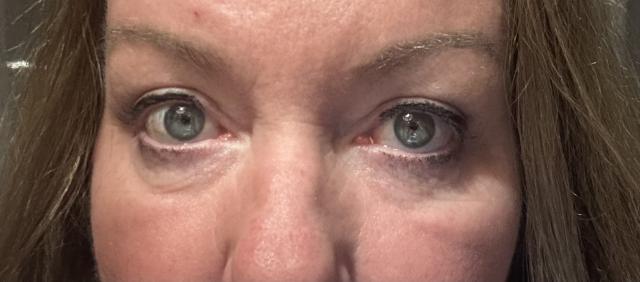
Polynucleotides: how long does the effect last & aftercare
On average, 6 to 12 months.
Aftercare:
Avoid exercise for 24 hours
Do not massage
Avoid heat (sauna)
Polynucleotides: who is it suitable / less suitable for
Suitable if:
You want to improve skin quality
You want to address fine lines and dull skin
You are looking for natural skin rejuvenation
Less suitable if:
You expect volume restoration
You are pregnant or breastfeeding
You have active skin infections
How do you determine if polynucleotides are right for you?
- 1 What is your current skin condition?
- 2 Do you mainly have skin laxity or dullness?
- 3 Do you mainly have skin laxity or dullness?
- 4 Does the doctor have experience with regenerative injectables?
- 5 Are you willing to undergo a treatment course?
Polynucleotides prices, experiences & comparison
Costs depend on the product, number of ampoules, and areas treated. Comparing helps make quality and market prices clear.
| Treatment | Unit | City/country | Price | |
|---|---|---|---|---|
| Polynucleotide treatment | - | United Kingdom | £ 80 | Lowest price |
| Polynucleotide treatment | - | United Kingdom | £ 259 | Average price |
| Polynucleotide treatment | - | United Kingdom | £ 1200 | Highest price |
Compare prices in your area
Compare on experience & price Make an appointment immediately
Polynucleotide experiences: what do people really pay attention to?
Improvement of skin quality
A natural-looking result
Clear explanation
Transparent costs
Aftercare
Reviews polynucleotide treatment
Dr Raquel is incredibly knowledgeable, warm, and approachable and takes the time to explain everything thoroughly. During my initial consultation, I learned so much about my skin and was given personalised recommendations that I’ve continued to follow, which have made a real difference to my skin’s dryness. She also talked me through the possible downtime and even showed me photos of what to expect after polynucleotides, something that hadn’t been mentioned during my previous consultations. It really showed how thorough she is and how much she genuinely cares about making sure her patients are fully informed and prepared.
I was quite nervous about having polynucleotides, but Dr Raquel completely put me at ease. Every step of the procedure was explained, and as someone who’s a complete wimp when it comes to treatments, I can honestly say there was nothing to worry about.
I’ve now had three polynucleotide treatments, as well as other procedures, and I’ve been so impressed with the results and the professionalism throughout. While the clinic is more expensive than some others, it is absolutely worth every penny for the expertise, care and peace of mind you receive.
A special mention also goes to Natalie, who is so friendly and welcoming. The aftercare is fantastic too, they genuinely care about their patients and always check in afterwards to make sure you’re recovering well and to answer any questions.
I wouldn’t hesitate to return or recommend Dr Raquel to anyone looking for expert, honest, and high quality aesthetic care. Thank you Dr Raquel. Show less »
Stacy was professional, knowledgeable, and made me feel completely at ease throughout the treatment. She explained everything clearly and the whole experience felt really comfortable and reassuring. I’m so happy with the improvement already that I’ll definitely be booking my second treatment with her.
Highly recommend Stacy if you’re considering polynucleotide treatments! Show less »
Polynucleotides: comparing doctors & clinics
Compare based on:
Experience with regenerative injectables
Consultation quality
Transparency
Reviews
Cosmetic specialists in United Kingdom

- Botox zone from
- £ 180,00
- Filler per ml from
- £ 250,00

- Botox zone from
- £ 300,00
- Filler per ml from
- £ 450,00
- Botox zone from
- £ 129,00
- Filler per ml from
- £ 250,00

- Botox zone from
- £ 129,00
- Filler per ml from
- £ 250,00

- Botox zone from
- £ 135,00
- Filler per ml from
- £ 210,00

- Botox zone from
- £ 135,00
- Filler per ml from
- £ 210,00

- Botox zone from
- £ 135,00
- Filler per ml from
- £ 210,00

- Botox zone from
- £ 135,00
- Filler per ml from
- £ 210,00
Polynucleotides differences between clinics
Personal skin analysis
Personalized treatment plan
Aftercare and follow-up
Compare clinics in United Kingdom

- Botox zone from
- £ 180,00
- Filler per ml from
- £ 250,00
- Profhilo per 2 ml from
- £ 300,00



- Botox zone from
- £ 300,00
- Filler per ml from
- £ 450,00
- Profhilo per 2 ml from
- £ 400,00

- Botox zone from
- £ 129,00
- Filler per ml from
- £ 250,00
- Profhilo per 2 ml from
- £ 195,00
- Botox zone from
- £ 129,00
- Filler per ml from
- £ 250,00
- Profhilo per 2 ml from
- £ 195,00
- Botox zone from
- £ 129,00
- Filler per ml from
- £ 250,00
- Profhilo per 2 ml from
- £ 195,00
- Botox zone from
- £ 129,00
- Filler per ml from
- £ 250,00
- Profhilo per 2 ml from
- £ 195,00
- Botox zone from
- £ 129,00
- Filler per ml from
- £ 250,00
- Profhilo per 2 ml from
- £ 195,00
- Botox zone from
- £ 129,00
- Filler per ml from
- £ 250,00
- Profhilo per 2 ml from
- £ 195,00
Frequently asked questions about polynucleotides
Are polynucleotides actually salmon sperm?
No, polynucleotides are not salmon sperm. They are derived from purified salmon DNA, usually extracted from salmon cells, and are then highly purified and medically processed. The final product contains no living cells or sperm, but only biocompatible DNA fragments that are safely used in aesthetic treatments.
What is a polynucleotide (salmon DNA) treatment?
A polynucleotide treatment is an injectable skin-improving procedure in which DNA fragments from salmon are used to stimulate skin repair. Polynucleotides enhance cellular regeneration, promote collagen production, and support the skin in recovery, hydration, and elasticity. The treatment focuses on skin quality, not volume.
How many weeks apart should polynucleotide treatments be performed?
Polynucleotide treatments are usually performed with an interval of 2 to 4 weeks. This gives the skin enough time to respond to the cell-stimulating effects. A course of multiple sessions is often recommended for optimal and longer-lasting results.
Is one session of polynucleotides enough?
In most cases, one session is not sufficient for visible and lasting results. Polynucleotides work cumulatively and are therefore usually administered in a course of 2 to 4 treatments, depending on skin condition and treatment goals.
Why should you not drink alcohol after polynucleotides?
Alcohol is discouraged for at least 24 hours after treatment because it dilates blood vessels. This can lead to increased swelling, redness, and bruising, and may negatively affect skin recovery.
What can I apply to my face after a polynucleotide treatment?
After a polynucleotide treatment, it is best to use soothing and hydrating products, such as a gentle cream containing hyaluronic acid, panthenol, or ceramides. Avoid active ingredients such as retinol, acids, or vitamin C for the first 24–48 hours to prevent skin irritation.
The salmon sperm and polynucleotide treatment is an innovative and safe way to improve the skin from within. By stimulating cellular renewal, the treatment creates fresher, firmer, and healthier-looking skin without adding volume. Because results strongly depend on the doctor’s technique and expertise, comparing clinics in your area, prices, and experiences is essential for making an informed choice.