Sunken Cheeks Fillers

Drs. Tom van Eijk
Fillers can sometimes make sunken or hollow cheeks look less pronounced when the appearance is mainly related to reduced volume or support in the cheek or midface. They temporarily add volume, but they do not address every reason cheeks can look hollow.
During a consultation, a practitioner should assess where the hollowing sits, your facial structure and what you would actually like to change. The aim is not simply to add as much volume as possible. In some situations, adding filler may not be the most appropriate approach.
If you first want a broader overview of the treatment category, read about dermal fillers.
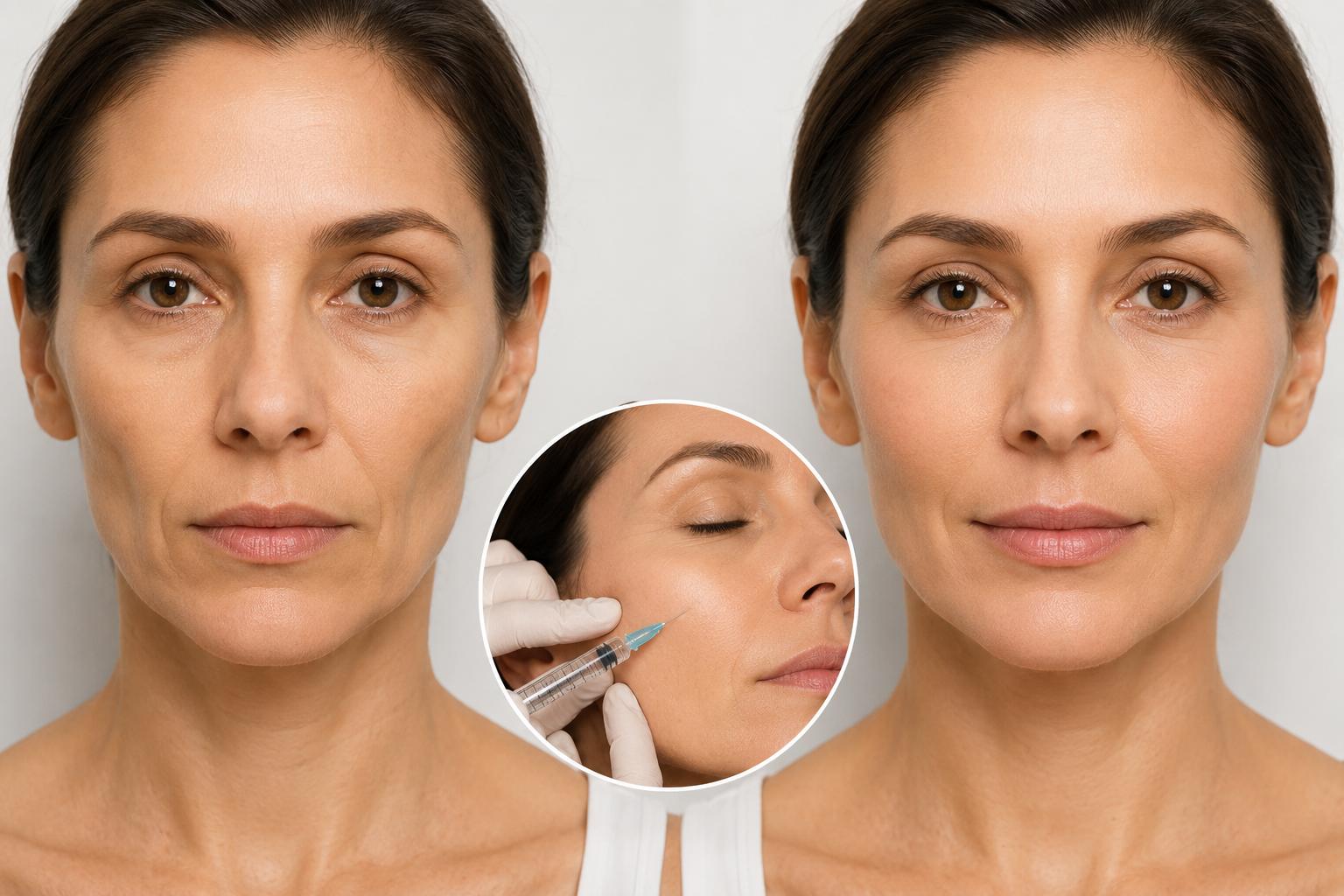
What are sunken cheeks?
Sunken cheeks are areas of the cheek or midface that look relatively hollow or less full. Some people naturally have a slimmer or more angular facial structure, while in others the appearance becomes more noticeable over time.
A hollow cheek does not automatically mean that treatment is needed or that filler is the correct treatment.
What can make cheeks look sunken?
The appearance can be influenced by factors such as:
your natural facial structure;
changes in facial fat and soft tissue;
changes in the support of the midface;
weight loss;
changes in the skin and underlying structures over time.
More than one factor can contribute at the same time. This is why an assessment should focus on where the hollowing is and what is contributing to it, rather than starting with a predetermined amount of filler.
If changes affect several areas of the face rather than mainly the cheeks, see the dedicated guide to facial volume loss.
When can fillers help with sunken cheeks?
Fillers may be considered when a hollow appearance is mainly associated with insufficient volume or support in part of the cheek or midface. The treatment adds volume at selected points but cannot correct every possible cause of cheek hollowing.
When might a practitioner consider filler?
Filler may be discussed when:
a specific part of the cheek appears to have relatively little volume;
adding support or volume matches the treatment goal;
you are considering a temporary injectable treatment;
the expected degree of change is realistic for filler;
your anatomy allows the area to be treated appropriately.
When might simply adding filler be less appropriate?
Filler may be less suitable when:
skin laxity is the main concern;
the goal is primarily stronger cheekbone projection rather than reducing hollowness;
adding more volume would not address the main reason the cheek looks sunken;
there is a reason to postpone injectable treatment;
the result you want cannot reasonably be achieved with filler.
A practitioner can assess during a consultation whether adding filler may be appropriate in your individual circumstances. Choosing not to proceed with treatment is also an option.
Adding volume to the cheeks
Your cheeks do not need to look sunken for cheek volume to be considered. This topic focuses more broadly on adding volume, shape or support to the cheek area.
Read more about Adding volume to the cheeks.
Cheekbone fillers
Cheekbone filler focuses more specifically on contour, projection or support around the cheekbone rather than primarily filling a hollow cheek.
Read more about Cheekbone fillers.
How does a practitioner assess sunken cheeks?
- 1 Discuss what looks hollow to you and what you would like to change.
- 2 Assess where the apparent loss of volume or support is located.
- 3 Look at the cheek, midface, skin and surrounding facial structure.
- 4 Decide whether adding volume matches the treatment goal.
- 5 Discuss the proposed product, amount and placement if filler is being considered.
- 6 Explain expected limitations, possible risks, aftercare and follow-up.
Which filler may be used for sunken cheeks?
Temporary hyaluronic acid filler is one type of filler that may be used to add volume or support in the cheek and midface. Different products have different characteristics, so choosing a filler involves more than selecting a brand.
A practitioner may consider:
exactly where volume or support is required;
the anatomy of the cheek and midface;
the depth at which the product will be placed;
the degree of correction being considered;
the properties of the filler;
the planned injection technique.
For a more detailed explanation of this filler category, see hyaluronic acid fillers.
How much filler is needed for sunken cheeks?
There is no standard amount of filler for sunken cheeks.
The amount considered depends on factors such as the location and degree of hollowing, facial proportions, treatment goal, product and injection plan. The two sides of the face may also require different consideration because natural facial asymmetry is common.
A predetermined number of millilitres therefore tells you little without an individual assessment. Using more filler does not automatically create a more appropriate result.
What happens during a sunken cheeks filler treatment?
If you decide to proceed after consultation, the practitioner first confirms the intended treatment areas, product and placement plan. The skin is then prepared and the filler is injected into the selected areas of the cheek or midface.
Depending on the treatment plan, a practitioner may use a needle, a cannula or a combination of techniques. One technique is not automatically better for every person or every injection point.
After treatment, the clinic should explain what you may experience during recovery, what aftercare applies to you and how to contact them if you have concerns.
When can you see a change?
Because filler physically adds volume, a difference may be visible immediately after treatment. However, early swelling can temporarily affect the shape and fullness of the cheeks.
The appearance immediately after injection should therefore not automatically be treated as the final result.
How noticeable the eventual change is depends on factors including:
your starting anatomy;
where the filler is placed;
the product used;
the amount used;
swelling and recovery;
the treatment goal.
Existing differences between the left and right sides of your face may still remain after treatment.
How long do fillers in the cheeks last?
Cheek fillers are temporary, but there is no single duration that applies to everyone. Product characteristics, placement, amount and individual differences can all influence how long a visible effect remains.
See the dedicated guide to how long fillers last for a broader explanation.
What is recovery like after cheek filler?
Temporary swelling, tenderness, redness or bruising can occur around injection sites. This can make the cheeks look fuller or slightly uneven during the early recovery period.
Follow the aftercare instructions provided by your own treating clinic. Do not massage, press or try to reshape the area unless your practitioner has specifically instructed you to do so.
Safety and practical considerations
What reactions can occur after cheek filler?
Temporary reactions can include swelling, tenderness, redness and bruising around the injection sites. Swelling can also temporarily make the treated area appear less even.
Your clinic should explain what it expects during normal recovery and when it wants you to contact them.
Which symptoms need medical assessment?
Filler complications are uncommon but can require prompt assessment.
Contact the treating clinic urgently or seek appropriate medical care if you develop symptoms such as severe or increasing pain, unusual skin discolouration, rapidly worsening swelling or visual symptoms.
Read more about filler complications.
When might treatment be postponed?
Before treatment, tell the practitioner about your health, medication, allergies and previous injectable treatments.
Treatment may need to be postponed or avoided in some circumstances, including when there is an active infection or inflammation around the proposed injection area. Your practitioner should assess relevant medical considerations during consultation rather than relying on a general online suitability checklist.
Can hyaluronic acid filler in the cheeks be dissolved?
Hyaluronic acid filler can sometimes be reduced or dissolved using hyaluronidase. This does not mean that every unwanted filler outcome is simple to reverse, and not every injectable product can be treated in the same way.
A practitioner should first assess what has happened and what response may be appropriate.
Read more about hyaluronidase.
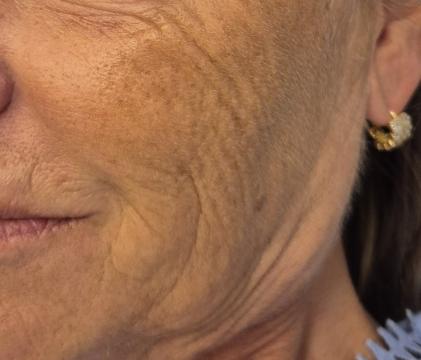
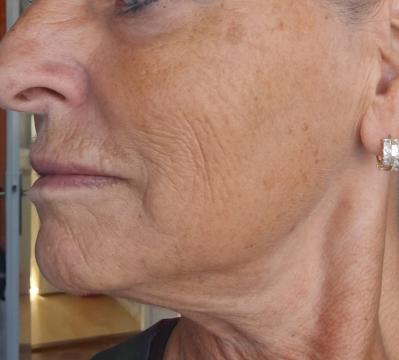
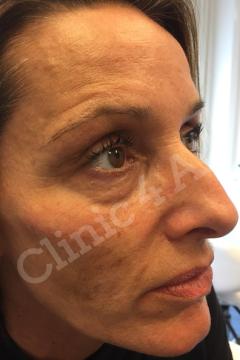
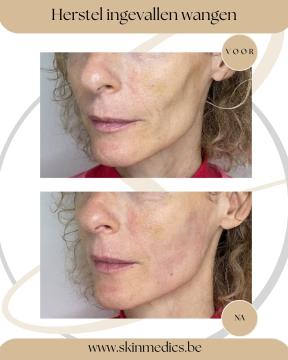
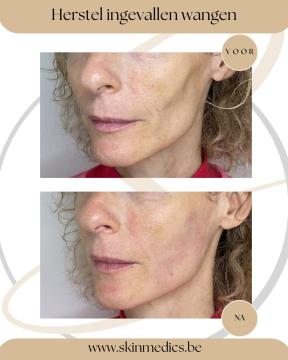
Sunken cheeks filler before and after
Before-and-after photographs can help you understand the type and degree of change achieved in other people, but they cannot predict your own result.
When reviewing photographs, look for cases where the starting concern is genuinely comparable to hollow or sunken cheeks rather than only cheekbone enhancement. Differences in anatomy, filler placement, product, amount and photography can all affect how a result appears.
Sunken cheeks filler before and after photos





How much do fillers for sunken cheeks cost?
The price can vary because people with sunken cheeks do not all require the same treatment plan.
The final cost can be influenced by:
the filler selected;
the amount used;
whether one or several areas of the cheek require treatment;
the practitioner and clinic;
what consultation, review and aftercare are included.
When comparing clinics, check what the quoted price actually covers rather than comparing only the lowest headline price.
For broader UK filler pricing information, see dermal filler costs.
How do you compare clinics for sunken cheeks fillers?
For a sunken-cheek treatment, compare more than price and distance. The quality of the assessment matters because the practitioner first needs to determine whether adding volume is actually relevant to the hollow area you want to change.
Look at:
who will perform the treatment;
the practitioner's medical or clinical background;
relevant professional registration where applicable;
training and experience with injectable treatments;
experience treating the cheek and midface;
how carefully your facial anatomy is assessed;
why a particular filler and placement are being proposed;
how the practitioner explains the amount of filler being considered;
whether limitations and possible risks are discussed;
what follow-up and aftercare are available;
how you can contact the clinic if a problem develops;
what is included in the quoted price.
A professional registration or job title alone does not tell you how much experience someone has treating sunken cheeks with fillers. Treatment-specific experience, anatomical knowledge, consultation quality and arrangements for managing complications are separate considerations.
Where registration information is shown on an Injectablesbooking practitioner profile, you can use it as one part of your comparison alongside the other information available.
For a broader checklist, see how to choose a filler clinic.
Compare clinics for sunken cheeks fillers
Compare clinics that offer fillers and review practitioner information, treatment pricing where available, location and client experiences before deciding whether to request a consultation.
A consultation should give you the opportunity to discuss why your cheeks appear hollow, what degree of change may be realistic and whether adding filler is appropriate for the specific area you want assessed.
Compare clinics in United Kingdom

- Cheek fillers from
- £ 250,00



- Cheek fillers from
- £ 250,00


- Cheek fillers from
- £ 250,00

- Cheek fillers from
- £ 250,00

- Cheek fillers from
- £ 250,00

- Cheek fillers from
- £ 250,00

- Cheek fillers from
- £ 250,00

- Cheek fillers from
- £ 250,00
Frequently asked questions about sunken cheeks fillers
Can fillers be used for sunken cheeks?
Yes, fillers may be used to add temporary volume to a hollow cheek or midface when reduced volume or support is contributing to the appearance. A practitioner should first assess the cause of the hollowing and whether adding volume matches your treatment goal.
What causes sunken cheeks?
Cheeks can look sunken because of natural facial structure, changes in facial fat and soft tissue, weight loss or changes in the supporting structures of the midface over time. More than one factor can contribute.
Which filler is used for sunken cheeks?
Temporary hyaluronic acid fillers may be used to add cheek or midface volume. The specific product should be selected according to factors such as your anatomy, the area being treated, required support and planned placement rather than brand name alone.
How much filler is needed for sunken cheeks?
There is no standard amount. The practitioner should consider where volume is lacking, facial proportions, the product being used and the degree of change being planned before deciding how much filler may be appropriate.
How long do fillers in the cheeks last?
Cheek fillers are temporary. How long the effect remains visible varies according to the filler, placement, amount used and individual factors, so there is no single duration that applies to everyone.
What is the difference between sunken cheeks filler and cheekbone filler?
Sunken-cheek treatment mainly focuses on restoring volume or support where part of the cheek looks hollow. Cheekbone filler more commonly focuses on projection, contour or structural definition around the cheekbone. The injection areas can overlap, but the treatment goals are different.
What are the risks of fillers for sunken cheeks?
Temporary reactions can include swelling, tenderness, redness and bruising. Filler treatment can also cause less common complications that require medical assessment, so risks and arrangements for contacting the clinic should be discussed before treatment.
When should I contact the clinic after cheek filler?
Contact the treating clinic urgently or seek appropriate medical assessment if you develop severe or increasing pain, unusual skin discolouration, rapidly worsening swelling or visual symptoms after filler treatment.
Can filler in the cheeks be dissolved?
Hyaluronic acid filler can sometimes be reduced or dissolved with hyaluronidase. Not every injectable filler can be treated this way, and a practitioner should first assess the problem before deciding what action may be appropriate.