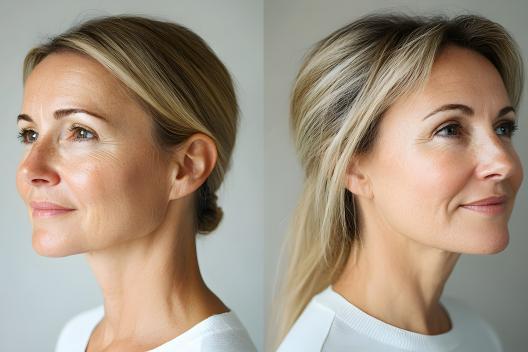
Give volume to cheeks

Drs. Tom van Eijk
Cheek fillers can be used to restore lost volume, support the mid-face or create more definition around the cheekbones. Most treatments use temporary hyaluronic acid fillers.
Every treatment should be planned around your individual facial proportions. During a consultation, the practitioner will assess your skin, facial structure, medical history and treatment goals before discussing whether fillers are suitable.
On Injectablesbooking.co.uk, you can compare clinics offering cheek fillers by location, practitioner profile, treatment information, reviews and available prices.
Read more about dermal fillers.

What are cheek fillers for volume?
Cheek filler treatment involves placing dermal filler at selected points in the cheek or cheekbone area. The aim may be to replace volume, improve support or add subtle definition to the mid-face.
The treatment may also be described as cheek augmentation, cheek enhancement or cheekbone filler. The placement technique and amount used depend on your facial structure and the result being discussed.
Cheek fillers may be considered for:
Loss of volume through the mid-face
Cheeks that appear hollow or less supported
Cheekbones that have become less defined
Changes associated with ageing or weight loss
Support for the transition between the cheeks and lower face
Facial balancing alongside areas such as the chin or jawline
Supporting the cheeks may sometimes affect the appearance of nearby folds, but it is not automatically the right treatment for lines around the mouth.
A practitioner may recommend a different approach, such as skin treatment, chin filler, jawline filler or no injectable treatment. This should be decided after assessing the face as a whole.
Read more about cheek fillers.
How does cheek filler treatment work?
The filler is injected at carefully selected points to support the shape and proportions of the mid-face. It may be placed at different depths depending on the treatment plan, product and area being addressed.
Good cheek filler treatment is not simply about adding more volume. Using too much product or placing it poorly can make the face look heavy or unbalanced. A measured approach may produce a more subtle result.
What results can you expect?
An initial change may be visible immediately after treatment. Swelling, tenderness or bruising can temporarily affect how the area looks, so the final result should not be judged straight away.
Results vary according to:
Your natural facial structure
The amount and type of filler used
The injection technique
The condition of your skin and tissues
How your body responds to the product
Cheek fillers may improve volume or definition, but a particular facial shape or exact result cannot be guaranteed.
Read more about how dermal filler treatment works.
Cheek fillers before and after
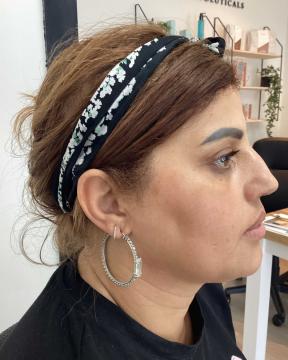
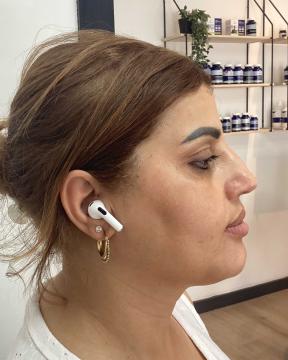
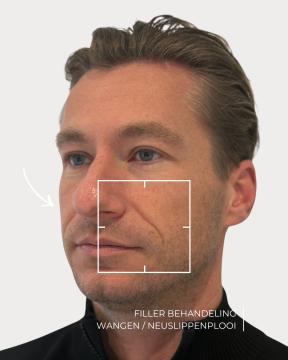
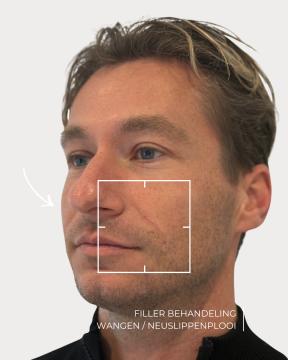
What happens during cheek filler treatment?
- 1 Consultation and assessment of your face and treatment goals
- 2 Discussion of the proposed product, amount, cost and risks
- 3 Cleaning and marking the treatment area where needed
- 4 Careful placement of the filler
- 5 Assessment of the contour, balance and symmetry
- 6 Aftercare advice and guidance on when to contact the clinic
Why do cheeks lose volume?
The appearance of the cheeks can change because of ageing, genetics, weight changes and differences in skin quality.
Ageing affects more than the skin. Changes can also take place in facial fat, bone structure and the tissues that support the mid-face. This may make the cheeks look flatter, less defined or more hollow.
Weight loss can also reduce facial fullness. For this reason, a consultation should consider the entire face rather than treating the cheeks as an isolated area.
What are the risks of cheek fillers?
Cheek filler is a medical aesthetic treatment. Temporary swelling, redness, tenderness and bruising can occur. Less common complications are also possible.
Before proceeding, ask the clinic about:
The practitioner’s qualifications and relevant experience
The filler product being used
Possible side effects and complications
The clinic’s emergency procedures
Who to contact after the appointment
Contact the clinic promptly if you experience severe or increasing pain, unusual skin colour changes, worsening swelling or symptoms that cause concern.
Read more about dermal filler side effects and complications.
How much do cheek fillers cost?
The cost of cheek filler treatment varies between clinics. Important factors include:
The amount of filler required
The product or brand selected
The complexity of the treatment plan
The practitioner’s experience
The clinic’s location
Whether review appointments or aftercare are included
A smaller amount may be suitable for subtle support. More noticeable volume loss may require additional product or treatment over more than one appointment.
Price should not be considered on its own. When comparing clinics, review the practitioner’s profile, experience with cheek treatments, product information, treatment plan, patient feedback and aftercare arrangements.
Ask for a clear explanation of the total expected cost before agreeing to treatment.
Read more about dermal filler costs.
Comparing clinics for cheek fillers
When comparing cheek filler clinics, consider more than distance or price. Look at who will perform the procedure, their experience with the mid-face and the information provided about products, risks and aftercare.
Useful questions to ask during a consultation include:
Which product do you recommend, and why?
How much filler may be needed?
Where will the filler be placed?
What result is realistic for my face?
What side effects or complications should I know about?
Who can I contact if I have concerns afterwards?
Is a review appointment included?
A responsible practitioner should be prepared to explain why the proposed treatment is appropriate and should not pressure you into proceeding.
Compare clinics in United Kingdom

- Cheek fillers from
- £ 250,00



- Cheek fillers from
- £ 250,00


- Cheek fillers from
- £ 250,00

- Cheek fillers from
- £ 250,00

- Cheek fillers from
- £ 250,00

- Cheek fillers from
- £ 250,00

- Cheek fillers from
- £ 250,00

- Cheek fillers from
- £ 250,00
Frequently asked questions about cheek fillers for volume
What are cheek fillers for volume?
Cheek fillers use an injectable dermal filler, usually made with hyaluronic acid, to add volume, support or definition to the cheek area.
Who may consider cheek fillers?
They may be considered by adults with reduced cheek volume, hollow-looking cheeks or less defined mid-face contours. A consultation is needed to determine suitability.
How long do cheek fillers last?
The duration varies according to the product, amount used, treatment area and individual response. Your practitioner should explain what may reasonably be expected from the recommended filler.
Are cheek fillers painful?
The injections can feel uncomfortable, although treatment is generally brief. Some filler products contain a local anaesthetic, and the clinic should explain how discomfort will be managed.
How much do cheek fillers cost?
Cost depends mainly on the amount and type of filler used, the treatment plan, clinic location and practitioner experience. Ask for the full price before treatment.
Are cheek fillers safe?
Side effects and complications are possible. Choose an appropriately trained practitioner and make sure the clinic provides clear information about risks, aftercare and emergency contact arrangements.