Treatment of sagging cheeks with injectables
Compare clinics in the United Kingdom offering treatments for sagging cheeks on Injectablesbooking
Sagging cheeks are a common cosmetic concern, where the skin in the lower face gradually loses firmness and begins to droop. This can contribute to a tired or aged appearance. A range of non-surgical treatments may help improve this. Below, you can find key information about available options.
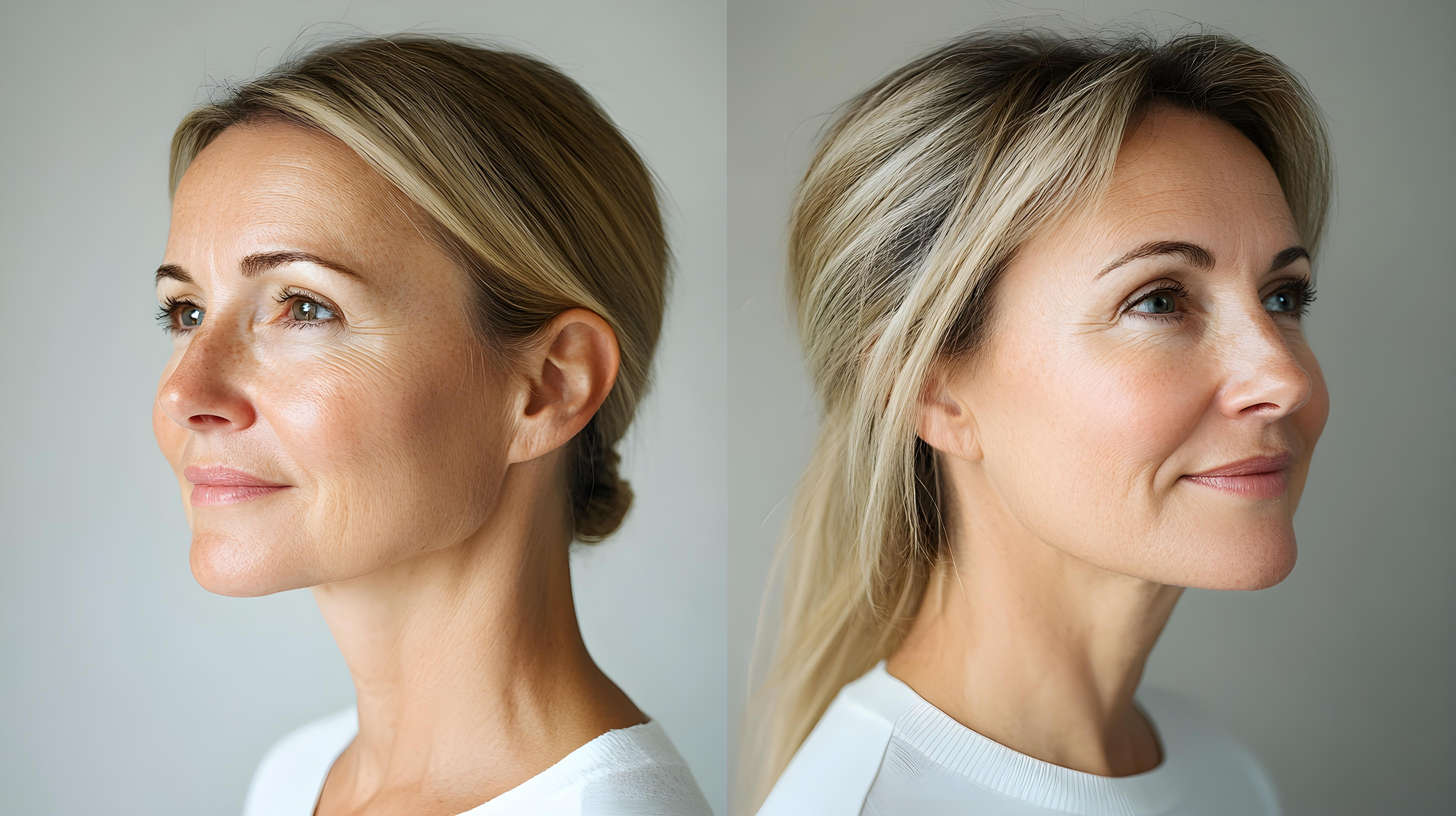
What are sagging cheeks?
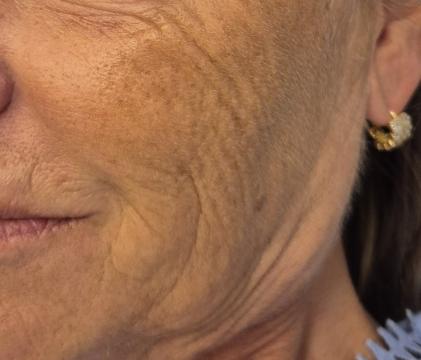
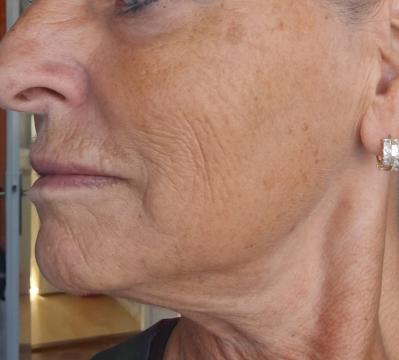
Sagging cheeks occur when the skin and underlying fat gradually shift downwards, leading to reduced definition along the jawline.
Why do cheeks sag?
As part of the natural ageing process, the skin produces less collagen and elastin, which are essential for firmness and elasticity. In addition, changes in fat distribution and muscle support contribute to reduced facial structure. Factors such as sun exposure, smoking, and weight changes may accelerate this process.
How can sagging cheeks be treated without surgery?
Sagging cheeks may be addressed with various injectable and non-surgical treatments. Common approaches include:
Dermal fillers: Hyaluronic acid fillers are used to restore volume in the cheeks and jawline, which may help improve facial contours.
Calcium hydroxylapatite fillers: These may support collagen production and improve skin firmness.
Anti-wrinkle injections: In selected cases, muscle-relaxing injections may be used to support overall facial balance.
Thread lifts: Dissolvable threads are placed under the skin to provide a lifting effect and stimulate collagen production.
What is the price of a treatment?
The cost varies depending on the type of treatment and the amount required. On average:
Dermal fillers: £300–£515 per treatment. At some clinics, smaller treatments (e.g. 0.5 ml) may start from around £110.
Calcium hydroxylapatite fillers: £385–£685 per treatment.
Thread lift: £685–£1,285 per treatment.
At what age do sagging cheeks appear?
Sagging cheeks often become noticeable from the age of 35–40, when early signs of skin laxity develop. The timing varies depending on genetics, lifestyle, and environmental factors.
Treatment
How can sagging cheeks be treated with injectables?
Sagging cheeks may be improved using dermal fillers to restore volume in the mid and lower face. Hyaluronic acid fillers are commonly used due to their established safety profile. Other options include collagen-stimulating injectables such as calcium hydroxylapatite or poly-L-lactic acid.
Calcium hydroxylapatite: What can you expect?
This type of filler provides immediate volume and may stimulate collagen production over time, which can help improve firmness in areas such as the jawline and cheeks.
Treatment:
A qualified and registered medical professional injects the product into targeted areas to support lifting and contouring.
The procedure typically takes 30–45 minutes and usually requires little to no downtime.
A local anaesthetic may be used to improve comfort.
Results:
Immediate volume improvement.
Gradual increase in skin firmness over several weeks.
Duration: approximately 12–18 months.
Poly-L-lactic acid: What can you expect?
This collagen-stimulating treatment gradually supports volume restoration by encouraging the body’s natural collagen production.
Treatment:
Injected into deeper layers of the skin, often across multiple sessions spaced several weeks apart.
Results develop gradually as collagen production increases.
Results:
Subtle, progressive improvement in facial contours.
Skin may appear firmer over time.
Duration: up to around 2 years, depending on individual factors.
Can these treatments improve sagging cheeks?
These injectable treatments may help improve the appearance of sagging cheeks. Some provide immediate volume, while others work gradually by supporting collagen production. A combination approach may be considered depending on individual goals and clinical assessment.
How can sagging cheeks be lifted?
In addition to injectables and thread lifts, skin-tightening treatments such as laser therapy or other collagen-stimulating procedures may support a subtle lifting effect.
What are the risks of these injectable treatments?
Injectable treatments are generally considered safe when carried out by a qualified and registered medical professional. However, potential risks may include:
Bruising or swelling at the injection site
Allergic reactions (rare)
Temporary asymmetry
Redness or sensitivity
Choosing an appropriately qualified practitioner helps reduce these risks.
How long are the treatments effective?
The duration of results depends on the treatment type and individual factors such as age and skin condition. On average:
Dermal fillers: 9–18 months
Calcium hydroxylapatite fillers: 12–18 months
Thread lift: 12–24 months
Compare clinics on Injectablesbooking
Comparing clinics can help you make an informed decision. Consider:
Experience and qualifications – Choose practitioners registered with recognised UK regulatory bodies such as the GMC, GDC, NMC, or HCPC.
Reviews – Read feedback from other patients.
Consultation – Arrange a consultation to discuss your goals and suitability.
Pricing – Ensure clear and transparent pricing.
Aftercare – Check whether appropriate aftercare is provided.
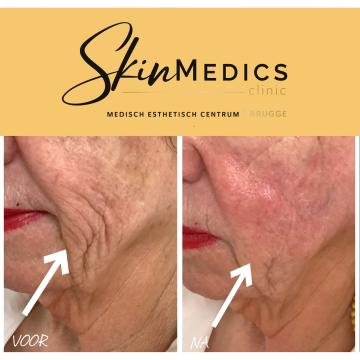
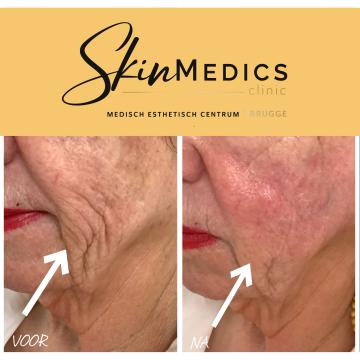
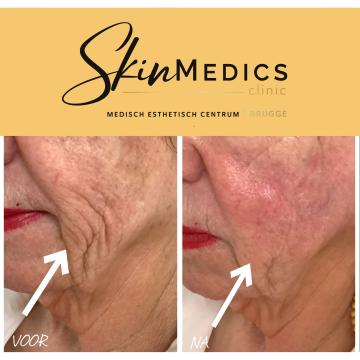
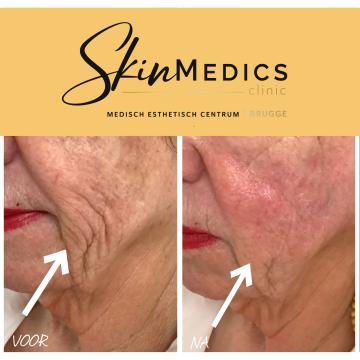
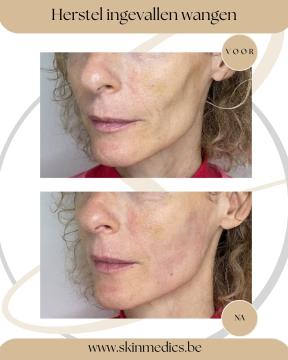
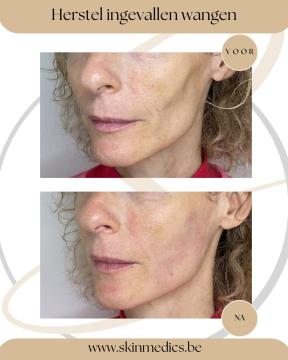
Sagging cheeks before and after photos