What safe and effective options are available for treating eye wrinkles in the UK?
Wrinkles around the eyes are often one of the first visible signs of skin ageing. Because the eye area is delicate and constantly in motion, fine lines and creases can appear earlier than in other parts of the face. This article explains what eye wrinkles are, why they develop, and which eye wrinkles treatment options are commonly used in UK medical aesthetics clinics.
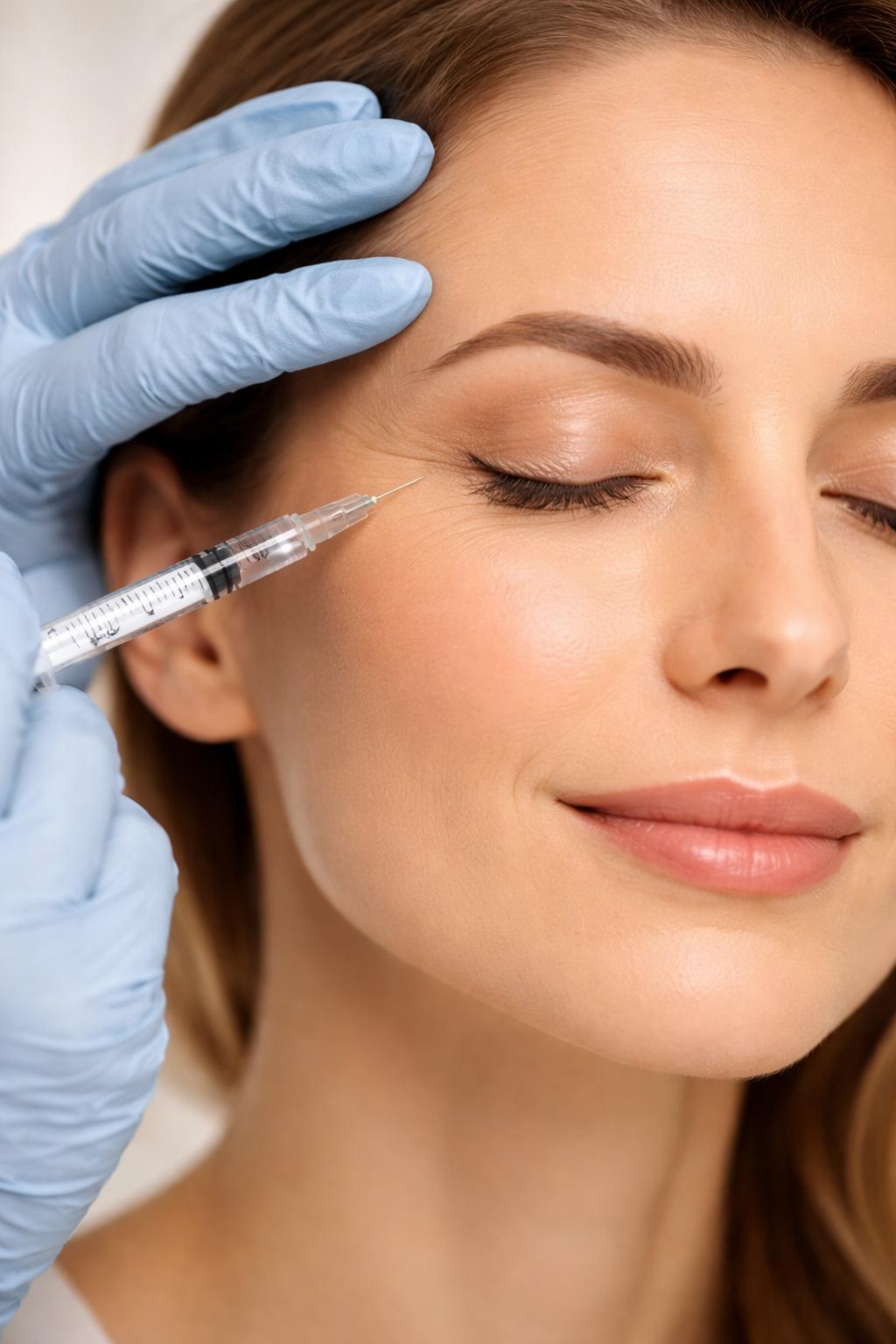
What Are Eye Wrinkles?
Eye wrinkles are fine lines or deeper creases that form around the eyes, including crow’s feet, under-eye lines, and eyelid wrinkles. The skin here is thinner and contains fewer oil glands, making it more prone to dryness and loss of elasticity.
Types of Eye Wrinkles
Some eye wrinkles are dynamic, meaning they appear with facial movement, while others are static and visible at rest. The type of wrinkle influences which eye wrinkle treatment may be considered appropriate.
Causes of Eye Wrinkles
Eye wrinkles develop due to a combination of intrinsic ageing and external factors. Over time, the skin loses structural support, and repeated movement can cause lines to become more pronounced.
Compare clinics in United Kingdom

- Botox zone from
- £ 180,00
- Filler per ml from
- £ 250,00
- Profhilo per 2 ml from
- £ 300,00



- Botox zone from
- £ 300,00
- Filler per ml from
- £ 450,00
- Profhilo per 2 ml from
- £ 400,00


- Botox zone from
- £ 129,00
- Filler per ml from
- £ 250,00
- Profhilo per 2 ml from
- £ 195,00
- Botox zone from
- £ 135,00
- Filler per ml from
- £ 210,00
- Profhilo per 2 ml from
- £ 325,00

- Botox zone from
- £ 129,00
- Filler per ml from
- £ 250,00
- Profhilo per 2 ml from
- £ 195,00

- Botox zone from
- £ 129,00
- Filler per ml from
- £ 250,00
- Profhilo per 2 ml from
- £ 195,00

- Botox zone from
- £ 129,00
- Filler per ml from
- £ 250,00
- Profhilo per 2 ml from
- £ 195,00

- Botox zone from
- £ 129,00
- Filler per ml from
- £ 250,00
- Profhilo per 2 ml from
- £ 195,00
Symptoms & Features of Eye Wrinkles
Eye wrinkles are an early sign of skin ageing, caused by repeated facial expressions, thinning skin, and a natural decline in collagen and elasticity. They commonly appear around the eyes and can make the face look tired or older over time.
Fine lines around the eyes (crow’s feet), especially when smiling or squinting
Static wrinkles that remain visible even at rest
Thin, crepey, or fragile skin around the eye area
Loss of firmness leading to sagging or drooping
Under-eye lines and folds that add to a tired appearance
Dry or rough skin that makes wrinkles more noticeable
Wrinkles that deepen with facial expressions
Risks & Complications
Temporary redness, swelling, or tenderness
Bruising around the eye area
Mild discomfort, tightness, or headache
Possible asymmetry or unnatural results
Temporary dry or irritated eyes
Rare risks: infection, allergic reaction, or eyelid drooping
Most side effects are short-lived and risks are minimised when treatment is performed by a qualified professional.
Cosmetic specialists in United Kingdom

- Botox zone from
- £ 180,00
- Filler per ml from
- £ 250,00

- Botox zone from
- £ 300,00
- Filler per ml from
- £ 450,00

- Botox zone from
- £ 129,00
- Filler per ml from
- £ 250,00

- Botox zone from
- £ 129,00
- Filler per ml from
- £ 250,00

- Botox zone from
- £ 135,00
- Filler per ml from
- £ 210,00

- Botox zone from
- £ 135,00
- Filler per ml from
- £ 210,00

- Botox zone from
- £ 135,00
- Filler per ml from
- £ 210,00

- Botox zone from
- £ 135,00
- Filler per ml from
- £ 210,00
Treatment Options Compared
Anti-wrinkleinjections | Dermal fillers |
|---|---|
Pros:
| Pros:
|
Cons:
| Cons:
|
Realistic Results of Eye Wrinkle Treatments
Eye wrinkle treatments can significantly soften fine lines and refresh the appearance of the eye area, but results are subtle and natural rather than dramatic. The goal is to reduce the visibility of wrinkles while maintaining normal facial expression.
Fine lines and crow’s feet appear smoother and less noticeable
Skin around the eyes looks more refreshed and rested
Dynamic wrinkles improve more than deep, static lines
Results develop gradually and vary per individual
Treatments are temporary and require maintenance for long-term results
A consultation with a qualified practitioner helps set realistic expectations based on skin condition, age, and treatment type.
Risks & Side Effects of Eye Wrinkle Treatments
Eye wrinkle treatments are generally safe when performed by a qualified professional, but mild side effects can occur, especially due to the sensitivity of the eye area.
Temporary redness, swelling, or tenderness
Bruising around the eyes
Mild discomfort, tightness, or headache
Temporary dry or irritated eyes
Uneven or unnatural-looking results (usually temporary)
Rare side effects include infection, allergic reactions, or temporary eyelid drooping
Most side effects are short-lived and resolve on their own. Choosing an experienced practitioner and following aftercare instructions significantly reduces risks.
Safe Use of Eye Wrinkle Treatments
Eye wrinkle treatments should always be carried out by a qualified medical professional, as the eye area is delicate and requires precise technique. Proper assessment and aftercare help ensure safe, natural-looking results while minimising risks.
Checklist:
Ensure treatment is performed by a licensed and experienced practitioner
Have a thorough consultation to discuss medical history, suitability, and expected results
Confirm the correct treatment is chosen for the eye area (e.g. muscle relaxers or skin boosters)
Follow post-treatment care instructions, such as avoiding sun exposure, alcohol, smoking, and certain medications for the recommended period
Why Practitioner Verification Matters
Verified practitioners ensure that your treatment is performed safely and legally. Always check registration with UK medical boards such as the GMC, NMC (Nursing and Midwifery Council), or HCPC (Health and Care Professions Council) before booking.
Check GMC, NMC, or HCPC registration before booking.
FAQ
What is the most effective eye wrinkles treatment?
Effectiveness depends on the type and cause of wrinkles. A medical consultation is required to determine suitability.
Can eyelid wrinkles be treated safely?
Yes, when assessed and treated by an experienced medical professional using appropriate techniques.
Do eye wrinkle treatments remove wrinkles completely?
Treatments aim to soften and improve appearance, not eliminate all lines.
Is there downtime after treatment?
Most treatments involve minimal downtime, though temporary swelling or redness may occur.
Can eyebags and eye wrinkles be treated together?
In some cases, combined treatment plans may be considered following assessment.