What Are the Causes of Fine Lines Under the Eyes, and How Can They Be Effectively Treated?
Fine lines under the eyes are often one of the first visible signs of skin ageing. Because the under-eye area is delicate and constantly moving, fine wrinkles can develop earlier than in other parts of the face. This guide explains what causes fine lines under the eyes, how they differ from deeper wrinkles, and which treatments may be suitable when assessed by a qualified medical professional in the UK.
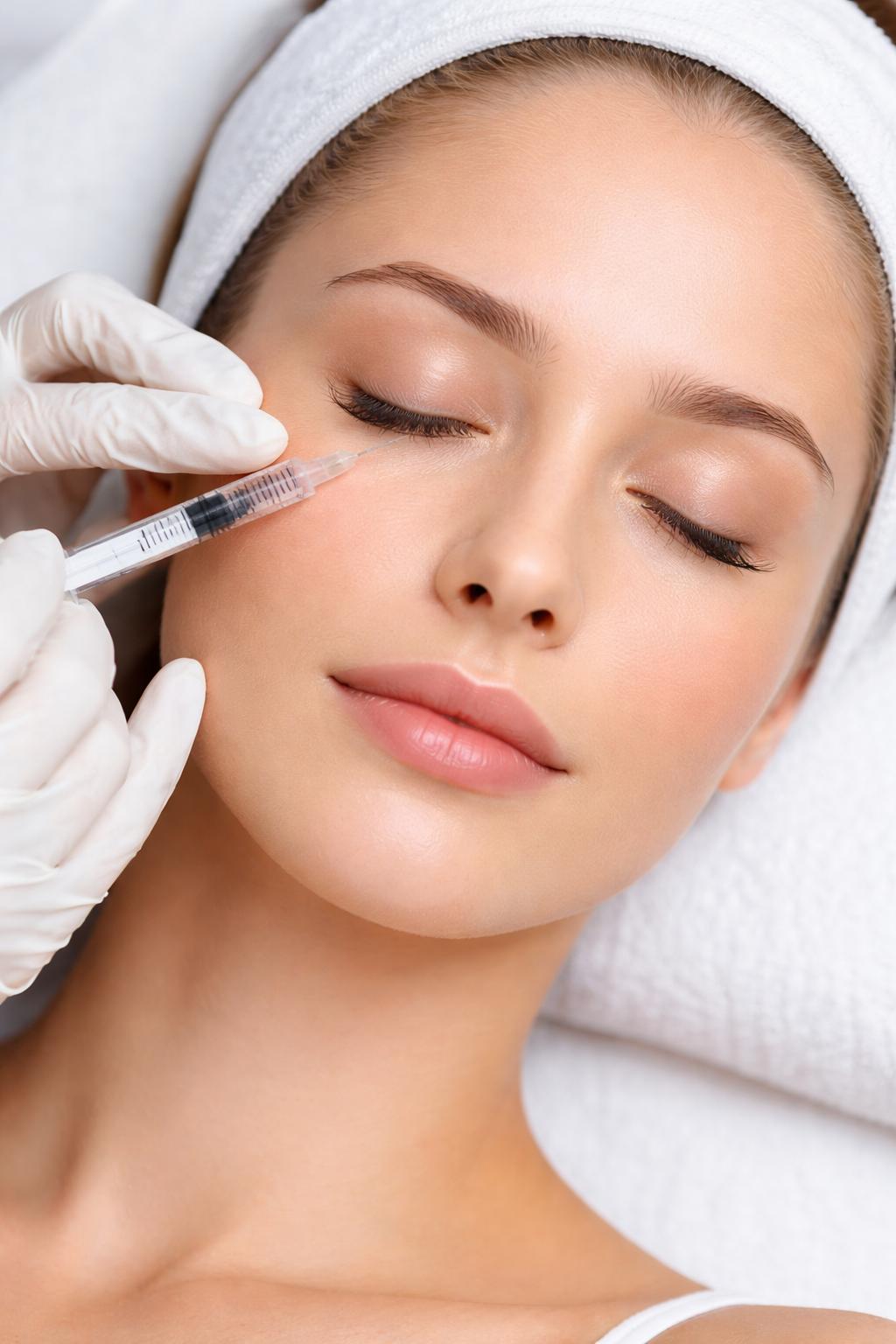
What Are Fine Lines Under the Eyes?
Fine lines under the eyes are shallow wrinkles that appear beneath the lower eyelid. They are usually caused by skin thinning, dehydration, and repetitive facial movement rather than significant sagging or volume loss.
Unlike deeper wrinkles, fine wrinkles under the eyes are often most noticeable when smiling, squinting, or applying makeup, and they tend to progress gradually over time.
Why the Under-Eye Area Ages Faster
The skin beneath the eyes is thinner and more fragile than elsewhere on the face. It contains fewer oil glands and less supportive collagen, making it more vulnerable to environmental damage and dehydration. As a result, fine lines around the eyes often appear earlier than lines on the cheeks or jawline.
Causes of Fine Lines Under Eyes
Age-Related Collagen Loss
Facial Movement and Expression
Lifestyle and Environmental Factors
Compare clinics in United Kingdom

- Botox zone from
- £ 225,00
- Filler per ml from
- £ 365,00
- Profhilo per 2 ml from
- -

- Botox zone from
- £ 180,00
- Filler per ml from
- £ 250,00
- Profhilo per 2 ml from
- £ 300,00



- Botox zone from
- £ 300,00
- Filler per ml from
- £ 450,00
- Profhilo per 2 ml from
- £ 400,00


- Botox zone from
- £ 129,00
- Filler per ml from
- £ 250,00
- Profhilo per 2 ml from
- £ 195,00

- Botox zone from
- £ 135,00
- Filler per ml from
- £ 210,00
- Profhilo per 2 ml from
- £ 325,00

- Botox zone from
- £ 129,00
- Filler per ml from
- £ 250,00
- Profhilo per 2 ml from
- £ 195,00

- Botox zone from
- £ 129,00
- Filler per ml from
- £ 250,00
- Profhilo per 2 ml from
- £ 195,00

- Botox zone from
- £ 129,00
- Filler per ml from
- £ 250,00
- Profhilo per 2 ml from
- £ 195,00
Symptoms & Features
Fine lines and creases: Small, shallow lines that become more visible with facial movement or smiling.
Thin, delicate skin: The under-eye area often appears fragile or translucent, making lines more noticeable.
Loss of elasticity: Skin may look less firm and bounce back more slowly over time.
Dry or crepey texture: A rough, paper-like appearance that can emphasize fine lines.
Shadowing or tired appearance: Lines may create the illusion of dark circles or fatigue, even with adequate rest.
Risks & Complications
Bruising and swelling: The delicate skin under the eyes is prone to temporary bruising, puffiness, or redness after treatments such as fillers, lasers, or injectables.
Asymmetry or uneven results: Fine lines may improve unevenly, leading to subtle differences between both eyes.
Overcorrection or lumpiness: Excess product or incorrect placement can cause a puffy, unnatural look or small visible lumps.
Skin sensitivity and irritation: Treatments may trigger dryness, itching, or increased sensitivity, especially in people with thin or reactive skin.
Rare but serious complications: In uncommon cases, infection, prolonged discoloration, or vascular issues can occur when procedures are not performed correctly.
Cosmetic specialists in United Kingdom

- Botox zone from
- £ 225,00
- Filler per ml from
- £ 365,00

- Botox zone from
- £ 180,00
- Filler per ml from
- £ 250,00

- Botox zone from
- £ 225,00
- Filler per ml from
- £ 365,00

- Botox zone from
- £ 225,00
- Filler per ml from
- £ 365,00

- Botox zone from
- £ 225,00
- Filler per ml from
- £ 365,00

- Botox zone from
- £ 300,00
- Filler per ml from
- £ 450,00

- Botox zone from
- £ 129,00
- Filler per ml from
- £ 250,00

- Botox zone from
- £ 129,00
- Filler per ml from
- £ 250,00
Treatment Options Compared
Medical-GradeSkincare | Skin Boosters |
|---|---|
Pros:
| Pros:
|
Cons:
| Cons:
|
Realistic Results
Softer, smoother appearance: Fine lines under the eyes can be reduced, but not completely erased.
Natural-looking improvement: Results typically enhance the skin’s texture without dramatically changing facial features.
Gradual changes: Many treatments show subtle improvement over time rather than instant perfection.
Temporary outcomes: Most non-surgical treatments require maintenance, as results fade over months.
Individual variation: Results depend on skin type, age, lifestyle, and the chosen treatment method.
Risks & Side Effects
Redness, swelling, and bruising: Common, temporary reactions due to the sensitivity of the under-eye area.
Tenderness or discomfort: Mild soreness or pressure may occur shortly after treatment.
Uneven texture or puffiness: Overcorrection or fluid retention can make the area look lumpy or swollen.
Skin irritation or dryness: Especially common after laser treatments, peels, or active skincare products.
Rare complications: Infection, prolonged discoloration, or vascular issues can occur if treatments are performed incorrectly or by inexperienced providers.
Safety Considerations for Under-Eye Treatments
The under-eye area is anatomically complex, with delicate blood vessels and thin skin. Treatments in this area should only be performed following a face-to-face consultation with a qualified medical professional.
Practitioner is medically qualified and insured
Full consultation and suitability assessment completed
Risks and alternatives explained clearly
UK advertising and prescribing regulations followed
Why Practitioner Verification Matters
Verified practitioners ensure that your treatment is performed safely and legally. Always check registration with UK medical boards such as the GMC, NMC (Nursing and Midwifery Council), or HCPC (Health and Care Professions Council) before booking.
Check GMC, NMC, or HCPC registration before booking.
FAQ
What causes fine lines under the eyes at a young age?
Genetics, sun exposure, dehydration, and frequent facial expressions are common contributing factors.
Can fine wrinkles under eyes be completely removed?
Treatments aim to soften and improve appearance rather than permanently remove all lines.
Is Botox® safe for fine lines around eyes?
When used appropriately by a qualified medical professional, it can be safe and effective for expression-related lines.
How long do results from fine lines treatment last?
Depending on the treatment, results may last between 3 and 12 months.
Do under-eye treatments hurt?
Most treatments cause minimal discomfort, and numbing options may be used where appropriate.