Botox nose tip lift

Drs. Tom van Eijk
Botox may create a subtle temporary lift when your nose tip is pulled down mainly by muscle activity during smiling, speaking or other facial movement. The treatment works by reducing the activity of a small muscle beneath the nose rather than changing the structure of the nose itself.
If your nose tip points down to a similar degree when your face is completely relaxed, the underlying cartilage, bone and structural support may play a larger role. Botox cannot reshape those structures or permanently reposition the nose.
This page focuses specifically on Botox for downward movement of the nose tip: when it may have an effect, what the treatment can and cannot change, how the result develops, the risks that matter in this anatomical area and what to compare between clinics.
For a broader introduction to the treatment category, see our guide to Botox treatments.
Can Botox lift the nose tip?
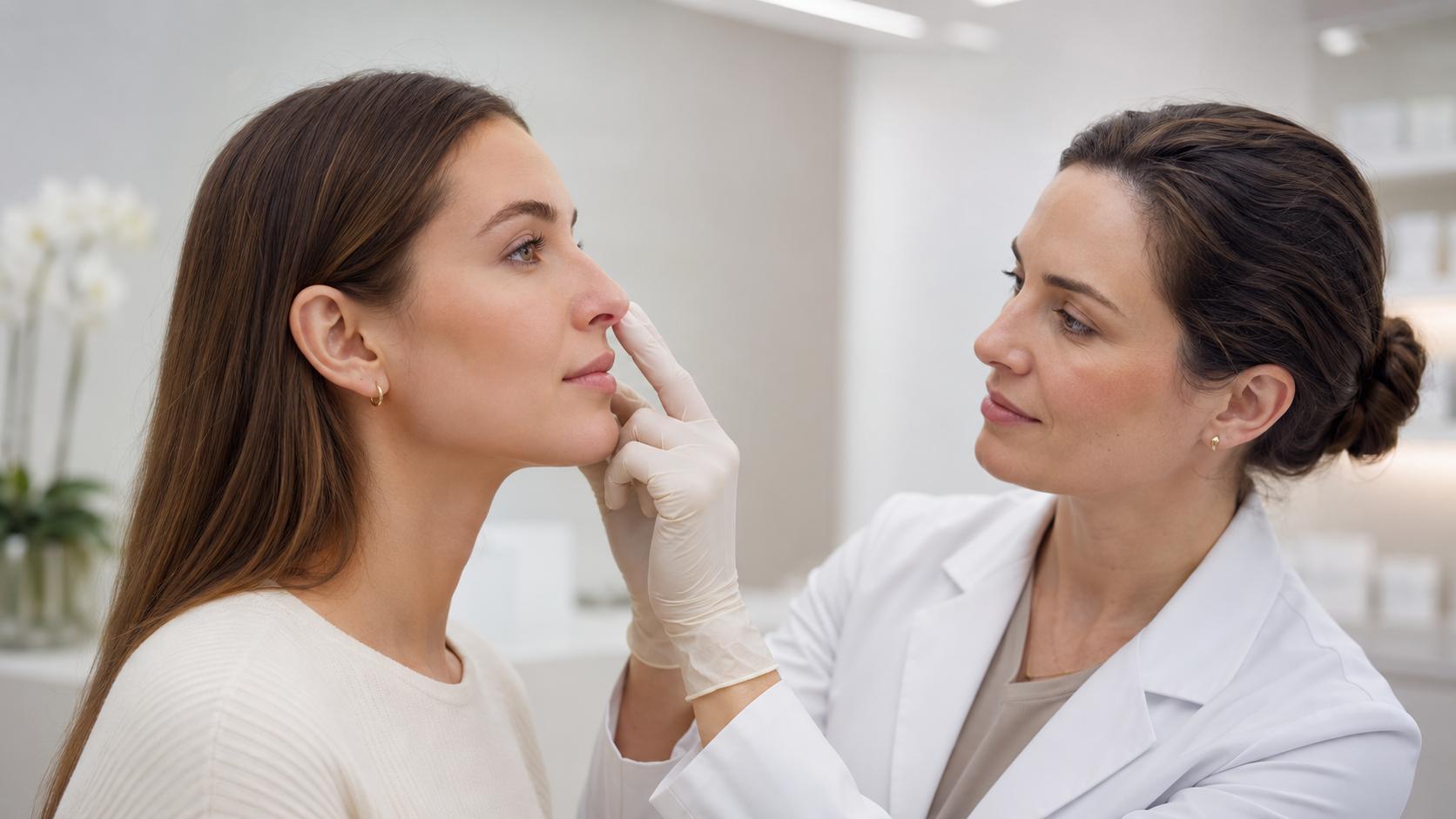
Yes, Botox may subtly reduce downward movement of the nose tip when an active muscle pulls the tip down during smiling or speaking. The possible change is generally about movement and position during facial expression, not structural reshaping of the nose.
This distinction matters because two people whose nose tips look similar at first glance may have very different reasons for that position.
A practitioner should assess the nose both while your face is relaxed and during movement before deciding whether reducing muscle activity is relevant to your goal.
Dynamic nose-tip movement
The nose tip sits in one position at rest but moves noticeably further down when you smile, speak or animate the upper lip. Muscle activity may be contributing to the movement.
Structural nose-tip position
The nose tip remains relatively downward-facing even when the face is fully relaxed. Cartilage, bone and structural support may then contribute more to its position, which Botox cannot change.
How does nose tip Botox work?
A muscle called the depressor septi nasi can contribute to pulling the nose tip down. Its effect can become more noticeable when you smile or move the upper lip.
Botulinum toxin temporarily reduces activity in the targeted muscle. When downward pull from the depressor septi nasi is an important part of the movement, reducing that activity may allow the tip to move down less strongly during facial expression.
The possible result depends on your anatomy, how strongly the muscle contracts, the position of the nose at rest and the treatment plan. It is therefore more accurate to think of nose tip Botox as modifying muscle movement rather than reshaping the nose.
If your main concern is that the nostrils widen during smiling rather than the tip moving down, see the separate guide to Botox for the nostrils and nasal wings.
What happens during a nose tip Botox treatment?
- 1 The practitioner assesses your nose tip at rest and during facial movement
- 2 You discuss the specific movement you would like assessed and the limits of Botox
- 3 The practitioner considers your anatomy, medical history and previous botulinum toxin treatments
- 4 A treatment plan is determined for the relevant muscle area
- 5 Botulinum toxin is administered according to the individual treatment plan
- 6 The developing effect is assessed after the treatment has had time to take effect
When can you see results from nose tip Botox?
The effect of botulinum toxin develops gradually, so the position of your nose immediately after the injection does not show the final result.
During the following days, activity in the treated muscle may begin to reduce. For nose-tip treatment, the most useful comparison is often how the tip behaves during the same facial movement that previously pulled it down, such as smiling.
The developed effect is commonly assessed at around two weeks rather than on the day of treatment. A follow-up can then consider movement, symmetry and whether the result corresponds with the original treatment goal.
How long can the effect last?
Nose tip Botox is temporary. Published nasal botulinum toxin studies report variable durations, and there is no single duration that applies to every person.
How long you notice a difference can depend on factors including individual muscle activity, anatomy, the botulinum toxin product used and the treatment plan.
A clinic should therefore avoid guaranteeing an exact duration or identical result for every patient.
What can nose tip Botox change?
When downward muscle pull is an important part of the movement, treatment may:
reduce how far the nose tip moves down during smiling;
reduce downward movement during speaking or animation;
create a subtle temporary change in the tip's position during movement.
The size of that change varies between individuals.
What can't Botox change?
Botox does not:
make the nose structurally smaller;
remove a dorsal hump or bump;
straighten nasal bones;
change cartilage;
add volume;
provide a permanent nose-tip correction.
The treatment target is muscle activity. If the appearance you want to change is mainly determined by the structure of the nose, relaxing one muscle may produce little or no meaningful change.
Before and after nose tip Botox
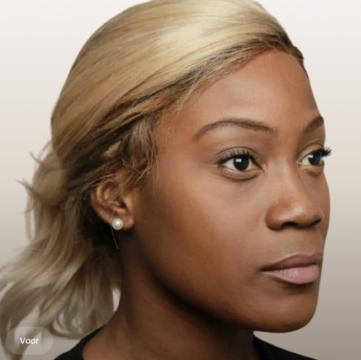
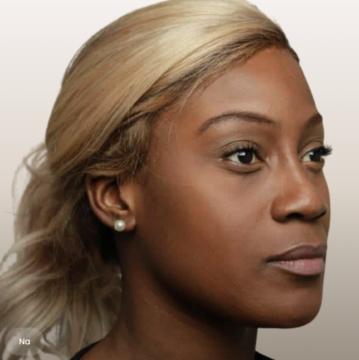
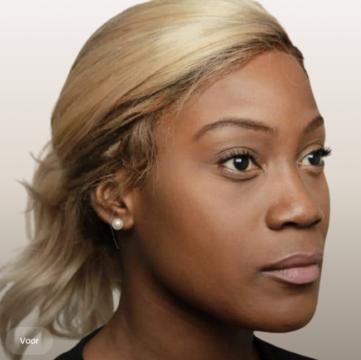
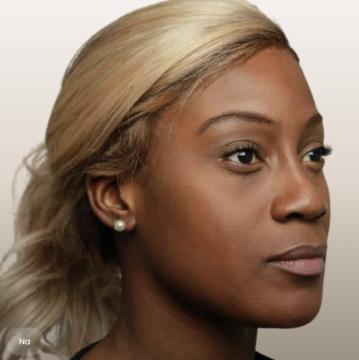
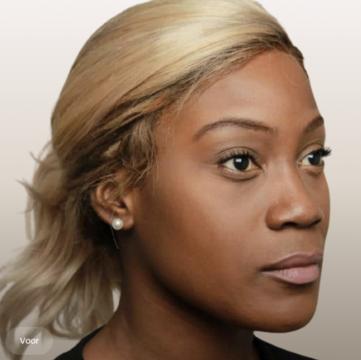
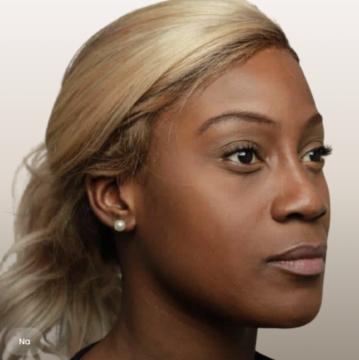
Before-and-after photographs can help show the type of subtle change that may occur when downward muscle movement is successfully reduced. For this treatment, images taken during the same facial expression can be particularly useful because the difference may be more apparent during smiling than at rest.
Photographs from another person cannot predict your own result. Anatomy, muscle activity, treatment planning and the position of the nose at rest all influence the outcome.
Before and after nose tip Botox


How much does nose tip Botox cost?
The price of nose tip Botox can differ between UK clinics. A small treatment area is not automatically priced identically everywhere, and a clinic's commercial definition of a “zone” does not represent a universal medical dose.
When comparing prices, check what the listed amount actually includes. Relevant differences can include the consultation, treatment, follow-up policy and how that clinic categorises the nose-tip area.
For more context on how clinics use treatment-area pricing, see what a Botox zone means.
Use the current clinic prices below rather than assuming that every clinic charges the same amount for nose-tip treatment.
What are the risks of Botox in the nose tip?
Nose tip Botox is a medical treatment and can cause side effects. Temporary reactions around an injection site can include tenderness, redness, swelling, bruising or discomfort.
The location also creates a more specific consideration: botulinum toxin affects muscle activity, and unwanted spread to neighbouring muscles may temporarily alter movement around the upper lip, smile or nose. Published literature on nasal botulinum toxin describes possible effects such as asymmetry, flattening around the philtrum or upper-lip drooping when nearby muscles are affected.
The likelihood and nature of a complication can depend on anatomy, product, treatment plan and injection technique.
For a broader explanation of adverse effects and complications, see Botox complications.
When should you seek urgent medical help?
Rarely, the effect of botulinum toxin can spread beyond the treated area. Seek immediate medical attention if you develop symptoms such as difficulty swallowing, slurred speech or breathing difficulty following treatment.
Medical considerations before and after nose tip Botox
What should you discuss before treatment?
Tell the prescriber about relevant medical conditions, medicines, previous reactions to botulinum toxin and previous treatments. The product used also matters because contraindications, warnings and dosing instructions are product-specific.
The practitioner should assess whether the intended treatment goal is realistically related to muscle activity before proceeding.
What if there is an infection or problem around the treatment area?
Tell the practitioner about active skin problems, inflammation or infection around the proposed injection area before treatment. The prescriber should determine whether treatment needs to be postponed.
What about pregnancy or breastfeeding?
Tell the prescriber if you are pregnant, breastfeeding, think you may be pregnant or are trying to conceive before considering cosmetic botulinum toxin treatment.
For more detail, see Botox during pregnancy.
What should you do after nose tip Botox?
Follow the aftercare instructions provided by the treating clinic and avoid judging the result immediately after treatment because the effect develops gradually.
If you develop an unexpected local reaction or a change in movement that concerns you, contact the treating clinic for assessment.
For more detailed general guidance, see Botox aftercare.
When is urgent medical assessment needed?
Seek immediate medical attention if you develop symptoms such as difficulty swallowing, slurred speech or breathing difficulty after botulinum toxin treatment.
Is nose tip Botox off-label in the UK?
Yes. Treating the nose tip is an off-label use of commonly used botulinum toxin medicines because nose-tip lifting is not one of their authorised UK cosmetic indications.
Off-label use means a licensed medicine is being prescribed outside its authorised indication or conditions of use. It does not, by itself, tell you whether treatment is appropriate in an individual case.
Because the nose tip is an off-label treatment area, the prescriber should explain why the treatment is being considered, what change is realistically expected and what uncertainties and risks are relevant to you before you decide whether to proceed.
Nose tip or nostril movement?
A nose tip that moves down and nostrils that flare outward are different treatment questions. If nostril widening is your main concern, use the dedicated nostril Botox guide.
Read more about botox nostrils.
Botox or filler?
Botox changes muscle activity. Fillers add material to alter volume or contour, so they address a different treatment goal.
Read more about botox vs fillers.
How do you compare clinics for nose tip Botox?
For a small, movement-dependent area such as the nose tip, price alone tells you relatively little about how the treatment will be planned.
When comparing clinics, consider:
Assessment during movement: does the consultation include looking at the nose at rest and while you smile or speak?
Relevant experience: ask about experience treating the nose area with botulinum toxin, rather than Botox experience in general.
Treatment limitations: does the practitioner explain when structural anatomy means Botox may have little effect?
Prescribing: botulinum toxin injections are prescription-only medicines in the UK, so check who is prescribing your treatment.
Administration: establish who will perform the injections and what relevant training and experience they have.
Product information: ask which botulinum toxin medicine is being used.
Follow-up: check what happens if the result is asymmetric, limited or different from what was discussed.
Complication management: understand how the clinic handles unexpected reactions or changes in facial movement.
Registration or a professional title alone does not tell you how much experience someone has with this particular anatomical area. Compare professional background, relevant treatment experience, consultation quality and follow-up together.
For more guidance on evaluating a practitioner, see how to compare a Botox doctor.
Compare clinics in United Kingdom
- Botox from
- £ 180,00



- Botox from
- £ 129,00
- Botox from
- £ 129,00
- Botox from
- £ 129,00
- Botox from
- £ 129,00
- Botox from
- £ 129,00
- Botox from
- £ 129,00
Reviews of nose tip Botox
Reviews can help you understand other clients' experiences with aspects such as the consultation, communication, expectations and follow-up.
They cannot prove that a clinic is medically safe or predict whether you will achieve the same nose-tip result. For this treatment in particular, individual anatomy and muscle movement can substantially affect what is possible.
Reviews of nose tip Botox
I honestly can’t say enough good things about this place! From the moment you walk in, you’re greeted with warmth and friendliness, making you feel completely at ease. The cleanliness, decor and professionalism are second to none, and the entire team goes above and beyond to ensure every treatment is flawless. Any treatment I have had whether it be lash extensions, lip filler, Botox, cheek fillers or nose tip filler I have had countless compliments.
Their lash and aesthetic treatments are simply perfect every time—consistently high-quality with stunning results. All the staff take the time to communicate thoroughly, ensuring you get exactly what you want while also providing expert advice. Each appointment feels like a treat, and I genuinely look forward to catching up with the team.
After 20 years of visiting beauty salons, this is by far the best experience I’ve ever had. If you’re looking for top-tier service with a friendly and welcoming atmosphere, this is the place to go! I’m so glad I’ve found this salon. I’ve told Sam already she is never allowed to close!! Show less »
Frequently asked questions about nose tip Botox
Can Botox lift the tip of my nose?
Botox may subtly reduce downward movement when the nose tip is pulled down by muscle activity during smiling or speaking. It does not change cartilage, bone or the permanent structural position of the nose.
Which muscle is treated for a drooping nose tip?
The depressor septi nasi can contribute to downward movement of the nose tip. A practitioner needs to assess your individual movement and anatomy rather than assuming this muscle is the cause in every case.
What if my nose tip points down when my face is relaxed?
Structural anatomy may then contribute more to its position. Because Botox changes muscle activity rather than cartilage or bone, the possible effect may be more limited.
When can I assess the result?
The effect develops gradually rather than immediately. The developed result is often assessed at around two weeks, including how the nose tip behaves during smiling or speaking.
How long does nose tip Botox last?
The effect is temporary, but there is no single duration that applies to everyone. Individual muscle activity, anatomy, product and treatment plan can influence how long a difference remains noticeable.
Can Botox make my nose smaller?
No. Botox does not remove tissue or change nasal cartilage or bone. It may alter movement of the nose tip when muscle activity contributes to that movement.
What are the risks of nose tip Botox?
Temporary injection-site reactions can occur. Unwanted effects on neighbouring muscles may also temporarily change movement around the nose, smile or upper lip. Rare systemic effects of botulinum toxin require urgent medical assessment.
Is nose tip Botox off-label in the UK?
Yes. Nose-tip treatment is not an authorised cosmetic indication for commonly used UK botulinum toxin medicines, so it is an off-label use. The prescriber should explain the expected result, limitations and relevant risks before treatment.
Compare nose tip Botox clinics
Nose tip Botox is most relevant when muscle activity contributes to downward movement of the tip, particularly during facial expression. The possible change is temporary and usually more limited than a structural nose correction.
When comparing clinics, look beyond the advertised price. Consider how your nose is assessed during movement, who prescribes and administers the medicine, relevant experience with the nose area, how realistic the proposed result sounds and what follow-up is available.
You can compare available clinics above before deciding whether you want to request a consultation. Choosing not to have treatment remains an option.