Botox for Nasal Wings Nostrils

Drs. Tom van Eijk
Botox for Nasal Wings Nostrils may reduce how far your nostrils move outwards when you smile, laugh or make certain facial expressions. It does not physically make the nasal wings smaller or change the cartilage, skin or underlying structure of your nose.
The treatment is therefore mainly relevant when the apparent width of the nostrils increases during movement. If your nasal wings are broad even when your face is relaxed, the possible effect of botulinum toxin is usually more limited.
On this page, you can learn what Botox for Nasal Wings may change, when the result may be subtle, which risks matter and what to compare between clinics and practitioners.
For broader information about botulinum toxin treatment, see our guide to Botox.
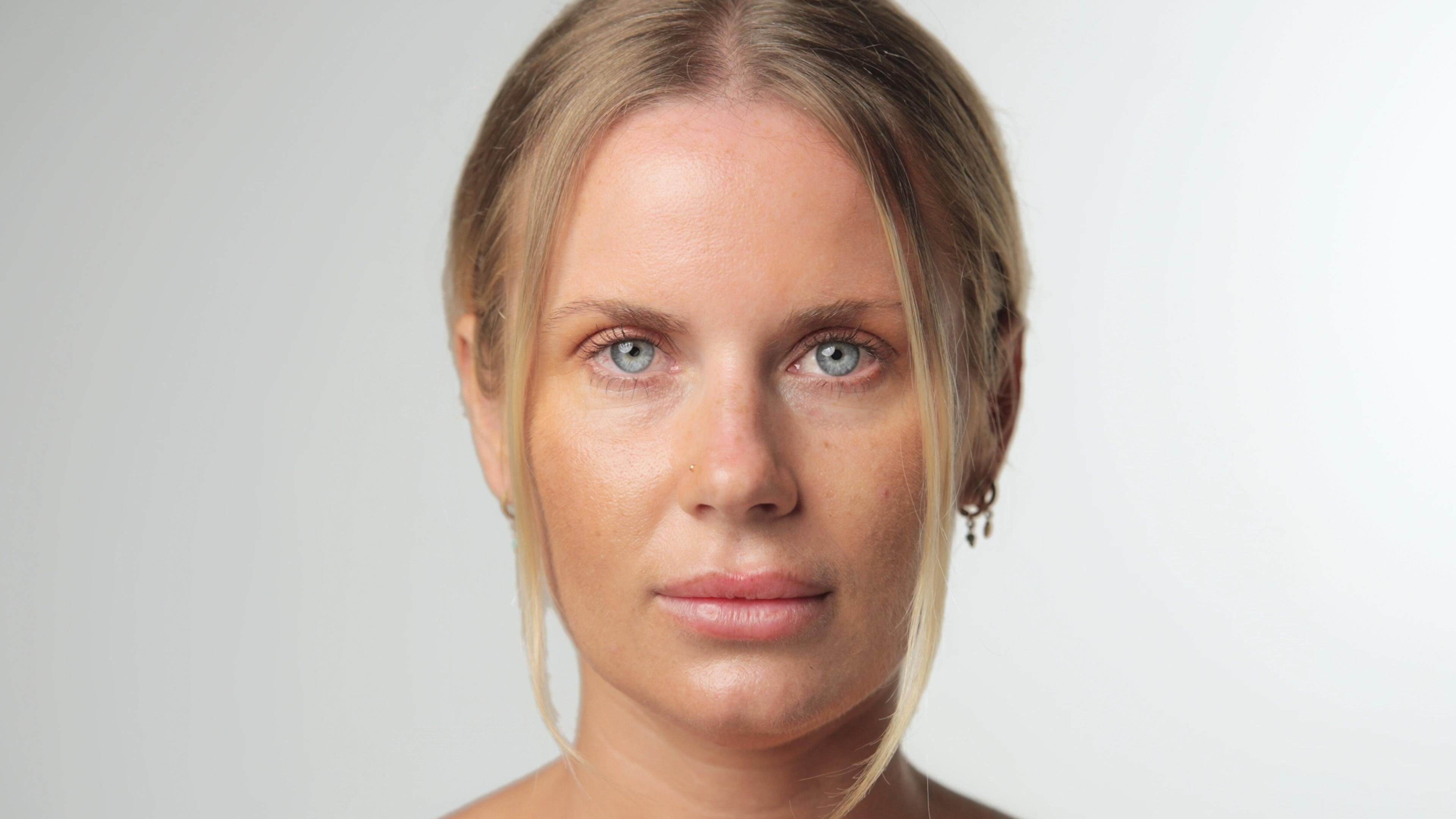
How does Botox for Nasal Wings work?
Botox for Nasal Wings uses botulinum toxin to temporarily reduce activity in muscles that contribute to outward nostril movement.
The important point is that this is a movement-based treatment.
Botulinum toxin affects muscle activity. It does not remove skin or other tissue and it does not reshape the cartilage or bone of the nose.
The possible difference is therefore generally most noticeable during the expression that normally causes your nasal wings to flare.
Can Botox make your nasal wings smaller?
Botox cannot structurally make the nasal wings smaller.
It may make them appear less wide during smiling or other facial movement when muscular activity is responsible for part of the visible flare.
For example, someone whose nostrils remain relatively narrow at rest but widen noticeably when smiling may have a different treatment potential from someone whose nasal base remains broad regardless of facial expression.
This is why assessment should include both the relaxed nose and the way your nasal wings move during facial expression.
Does Botox permanently narrow the nostrils?
No. Botox for Nasal Wings does not permanently narrow the nostrils.
Its effect on muscle activity is temporary. The underlying anatomy of the nose remains unchanged.
When may Botox for Nasal Wings help?
Botox for Nasal Wings may be considered when the nostrils noticeably flare outwards because of muscular movement.
During a consultation, a practitioner may look at:
how your nasal wings appear when your face is relaxed;
how far they move when you smile or laugh;
whether the movement is similar on both sides;
whether muscle activity appears to be a significant part of the visible widening;
how much change you are hoping to achieve.
A practitioner should assess the movement rather than judging treatment solely from a photograph of your nose at rest.
When is Botox for Nasal Wings likely to have a limited effect?
The possible result may be limited when:
the nasal wings are already broad when your face is relaxed;
cartilage, skin or other structural anatomy mainly determines the width;
very little additional widening occurs when you smile;
you want a large reduction in the physical width of the nostrils;
you expect the change to be permanent.
Botulinum toxin cannot remove or reposition nasal tissue.
A practitioner can assess whether reducing muscle activity is likely to create a noticeable enough difference for your individual anatomy and expectations.
Choosing not to have treatment remains a valid option if the likely change is small.
How does treatment for the nasal wings usually proceed?
- 1 Discuss when your nostrils flare
- 2 Assess your nose at rest and during facial expression
- 3 Discuss the possible result and limitations
- 4 Review risks and the proposed botulinum toxin product
- 5 Proceed with treatment if you decide it is appropriate
- 6 Attend follow-up if advised
What results can you expect from Botox for Nasal Wings?
The intended result is a reduction in outward nostril movement, not a structurally smaller nose.
If treatment has an effect, you may notice that your nasal wings move less prominently when you smile or make the facial expression that previously caused them to flare.
The size of the visible change varies. Some people may notice a subtle difference, while others may have anatomy in which reducing muscle activity makes relatively little visible difference.
Perfect symmetry cannot be guaranteed because the two sides of the face do not necessarily move identically before treatment.
When can you see the result?
Botulinum toxin does not reach its full effect immediately.
Changes in muscle activity develop gradually after treatment, so the final result should not be judged directly after the injections.
The exact timing can differ between individuals and products.
How long does Botox for Nasal Wings last?
The effect is temporary. Muscle activity gradually returns as the effect of botulinum toxin wears off.
There is no single duration that can be promised for every person having treatment around the nostrils.
For broader information, see how long Botox lasts.
What does Botox for Nasal Wings cost?
The cost of Botox for Nasal Wings can differ between UK clinics because this small treatment area is not necessarily priced in the same way everywhere.
A clinic may treat it as:
a specific nasal-area treatment;
a small Botox treatment area;
part of another appropriate treatment plan.
Before comparing prices, check what the quoted amount actually includes.
Useful questions include whether the price covers the consultation, treatment, a follow-up assessment and support if you have concerns afterwards.
The lowest price does not automatically indicate which practitioner has the most relevant experience treating movement around the nostrils.
For broader pricing information, see our guide to Botox costs.
Risks and medical considerations
What temporary reactions can happen?
Temporary redness, tenderness, swelling or bruising may occur around an injection point.
Temporary differences in movement between the two sides may also occur.
Results vary because the muscles and anatomy around the nose differ between individuals.
Can Botox for Nasal Wings change your smile?
Yes, this is possible.
The muscles involved in nostril movement sit close to muscles involved in upper-lip and smile movement.
If neighbouring muscle activity is affected, your smile or upper-lip movement may temporarily look or feel different from what you expected.
This risk should be discussed before treatment.
Can Botox make the nostrils uneven?
Temporary asymmetry is possible.
The two sides may already move differently before treatment, and the response to botulinum toxin does not have to be identical on both sides.
Assessment before treatment should therefore include movement of both nasal wings.
What medical information should you discuss beforehand?
Tell your practitioner about your relevant medical history, medicines and any previous reactions to injectable treatments.
Certain neuromuscular conditions, infection or inflammation around the planned treatment area and other medical circumstances may affect whether treatment should proceed.
Suitability should be assessed individually.
Is Botox for Nasal Wings off-label?
Treatment of nasal flaring with botulinum toxin is generally an off-label cosmetic use in the UK.
Off-label means a medicine is being used outside the indications included in its product authorisation.
Your practitioner should explain which botulinum toxin product is being proposed and why this use is being considered.
When should you seek medical help?
Contact the treating practitioner if you develop unexpected, worsening or persistent symptoms after treatment.
Seek urgent medical attention if you develop difficulty breathing, swallowing or speaking after botulinum toxin treatment.
For broader information about treatment-related problems, see Botox complications.
What should you do after Botox for Nasal Wings?
Follow the personalised aftercare instructions provided by your practitioner.
Avoid firmly pressing or massaging the treated area unless you have specifically been advised to do so.
How do you compare practitioners for Botox for Nasal Wings?
Not every practitioner who offers Botox necessarily treats nostril flaring.
When comparing options, look beyond the general statement that a clinic offers Botox and consider whether the practitioner has relevant experience with movement around the nose.
Useful points to compare include:
who actually performs the treatment;
what verified professional information is shown;
experience with botulinum toxin around the nose;
whether your nose is assessed both at rest and while smiling;
whether the practitioner explains how much change may realistically be possible;
whether the possibility of smile or upper-lip changes is discussed;
how asymmetry is assessed;
what follow-up arrangements are available;
what happens if you have concerns after treatment.
Professional registration is useful information where verified, but registration alone does not show how much experience someone has treating this specific area.
For broader comparison criteria, see our guide to choosing a Botox practitioner.
Compare clinics in United Kingdom
- Botox from
- £ 225,00
- Botox from
- £ 180,00



- Botox from
- £ 129,00
- Botox from
- £ 129,00
- Botox from
- £ 129,00
- Botox from
- £ 129,00
- Botox from
- £ 129,00
Botox for Nasal Wings, nose filler or nostril surgery?
These treatments address different causes and should not be considered interchangeable.
Botox for Nasal Wings affects muscle activity. It may be relevant when the nostrils widen mainly during smiling or other facial movement.
Nose filler adds volume to change certain contours. It does not physically remove tissue or make a broad nasal base structurally smaller.
Nostril reduction surgery changes the anatomy itself and belongs to a different treatment category.
The useful distinction is therefore whether what you want to change is mainly caused by movement, contour or structural anatomy.
If your main concern is a nasal tip that moves downwards during facial expression rather than nostril flaring, see our separate guide to Botox for the nose tip.
Frequently asked questions about Botox for Nasal Wings
What is Botox for Nasal Wings?
Botox for Nasal Wings is a botulinum toxin treatment intended to temporarily reduce muscle activity that contributes to outward nostril flaring during facial expression.
Can Botox make my nasal wings smaller?
Botox cannot structurally make the nasal wings smaller. It may reduce how far they move outwards when you smile if muscle activity contributes significantly to the flare.
Can Botox stop my nostrils flaring when I smile?
It may reduce outward movement in some people. The possible effect depends on your anatomy and how strongly muscle activity contributes to the visible flare.
Does Botox for Nasal Wings work if my nostrils are wide at rest?
The effect is usually more limited when the width is mainly determined by cartilage, skin or the natural structure of the nasal base rather than muscular movement.
Does Botox change the cartilage of the nose?
No. Botulinum toxin temporarily affects muscle activity. It does not reshape nasal cartilage or bone.
When can you see results from Botox for Nasal Wings?
The effect develops gradually rather than immediately after treatment. The exact timing can vary between individuals and products.
How long does Botox for Nasal Wings last?
The effect is temporary. There is no fixed duration that applies to everyone because muscle activity, anatomy and treatment factors can differ.
Can Botox for Nasal Wings affect my smile?
Yes, temporarily. The muscles around the nostrils are close to muscles involved in upper-lip and smile movement, so this possibility should be discussed before treatment.
Can Botox make one nostril look different from the other?
Temporary asymmetry is possible. The two sides may already move differently before treatment and may not respond identically.
Is Botox for Nasal Wings off-label?
Yes, treatment of nostril flaring is generally an off-label cosmetic use of botulinum toxin in the UK. The practitioner should explain the proposed product and what off-label use means.
What does Botox for Nasal Wings cost?
The price varies between clinics and may depend on how the clinic categorises this small treatment area. Compare what the price includes as well as practitioner experience and follow-up arrangements.