What Are the Most Effective Treatments for Sagging Jowls?
Sagging jowls are a common facial ageing concern that can affect jawline definition and overall facial balance. This article explains what causes sagging jowls, how to recognise them, and which non-surgical treatments are commonly used to improve skin firmness and contour in the lower face.
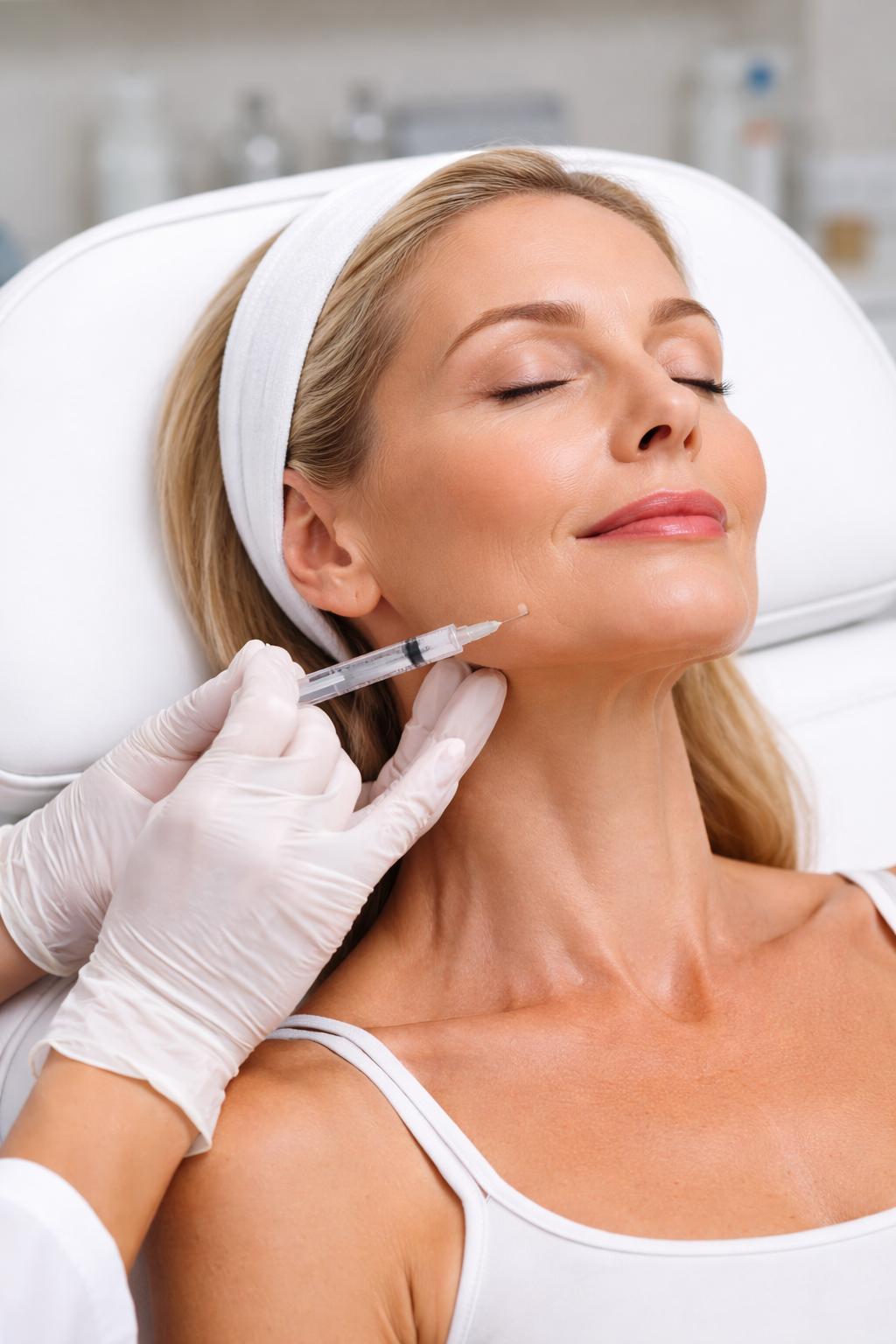
What Are Sagging Jowls?
Sagging jowls refer to the downward movement of skin and soft tissue along the jawline, resulting in a less defined lower face. They develop gradually and are considered a natural part of facial ageing, though lifestyle and genetic factors can influence their severity.
What Causes Sagging Jowls?
Sagging in the lower face is rarely caused by a single factor. Instead, it results from a combination of structural and skin-related changes over time.
Age-Related Collagen and Elastin Loss
Volume Loss in the Mid-Face
Lifestyle and Environmental Factors
Compare clinics in United Kingdom

- Botox zone from
- £ 180,00
- Filler per ml from
- £ 250,00
- Profhilo per 2 ml from
- £ 300,00



- Botox zone from
- £ 300,00
- Filler per ml from
- £ 450,00
- Profhilo per 2 ml from
- £ 400,00

- Botox zone from
- £ 129,00
- Filler per ml from
- £ 250,00
- Profhilo per 2 ml from
- £ 195,00
- Botox zone from
- £ 135,00
- Filler per ml from
- £ 210,00
- Profhilo per 2 ml from
- £ 325,00
- Botox zone from
- £ 129,00
- Filler per ml from
- £ 250,00
- Profhilo per 2 ml from
- £ 195,00
- Botox zone from
- £ 129,00
- Filler per ml from
- £ 250,00
- Profhilo per 2 ml from
- £ 195,00
- Botox zone from
- £ 129,00
- Filler per ml from
- £ 250,00
- Profhilo per 2 ml from
- £ 195,00
- Botox zone from
- £ 129,00
- Filler per ml from
- £ 250,00
- Profhilo per 2 ml from
- £ 195,00
Symptoms and Features
Sagging jowls develop when the skin and underlying tissues around the jawline begin to lose firmness. This often happens gradually with age as collagen levels drop and facial fat shifts downward, softening the once-defined jawline. While sagging jowls are completely natural, many people seek treatment to restore a more lifted and youthful lower-face appearance.
Symptoms & Features:
Loss of jawline definition
Drooping skin along the sides of the mouth
Heaviness or sagging in the lower cheeks
Formation of jowls near the chin area
A tired or aged appearance of the lower face
Risks or Complications
Most treatments for sagging jowls are considered safe when performed by a qualified practitioner. However, as with any aesthetic procedure, potential risks and side effects should be considered before treatment.
Temporary swelling or bruising
Redness or tenderness at the treatment site
Mild discomfort during or after the procedure
Asymmetry or uneven results
Infection or delayed healing (rare)
Unsatisfactory aesthetic outcome if treatment is not properly planned
Cosmetic specialists in United Kingdom

- Botox zone from
- £ 180,00
- Filler per ml from
- £ 250,00

- Botox zone from
- £ 300,00
- Filler per ml from
- £ 450,00

- Botox zone from
- £ 129,00
- Filler per ml from
- £ 250,00

- Botox zone from
- £ 129,00
- Filler per ml from
- £ 250,00

- Botox zone from
- £ 135,00
- Filler per ml from
- £ 210,00

- Botox zone from
- £ 135,00
- Filler per ml from
- £ 210,00

- Botox zone from
- £ 135,00
- Filler per ml from
- £ 210,00

- Botox zone from
- £ 135,00
- Filler per ml from
- £ 210,00
Treatment Options Compared
Dermal Fillers | Skin Tightening |
|---|---|
Pros:
| Pros:
|
Cons:
| Cons:
|
Realistic Results
Treatments for sagging jowls can improve jawline definition and create a more lifted appearance, but they do not stop the natural aging process. Results are typically subtle and aim to refresh the lower face rather than completely change it. The best outcomes look natural and enhance your existing features.
Improved jawline contour and definition
Reduction in the appearance of sagging or heaviness
A fresher, more youthful lower-face look
Results vary depending on age, skin quality, and treatment type
Maintenance treatments may be needed over time
Risks & Side Effects
Most treatments for sagging jowls are generally safe when performed by an experienced medical professional. Still, as with any cosmetic procedure, temporary side effects and potential risks can occur.
Mild swelling or bruising
Redness or tenderness at the treatment area
Temporary discomfort or tightness
Minor asymmetry during healing
Infection or allergic reaction (rare)
Unnatural results if over-treated or poorly planned
Safety Considerations
The lower face and jawline are structurally complex areas that contain important nerves, muscles, and blood vessels. Treatments aimed at improving sagging jowls should only be performed following a face-to-face consultation with a qualified medical professional to ensure safety, suitability, and natural-looking results.
Treatment is carried out by a medically qualified, licensed, and insured practitioner
A comprehensive medical consultation and lower-face assessment are completed prior to treatment
Individual suitability, potential risks, limitations, and alternative treatment options are clearly explained
Appropriate techniques are used to minimise the risk of complications in the jawline and lower-face area
All applicable advertising, prescribing, and clinical safety regulations are strictly followed
Why Practitioner Verification Matters
Verified practitioners ensure that your treatment is performed safely and legally. Always check registration with UK medical boards such as the GMC, NMC (Nursing and Midwifery Council), or HCPC (Health and Care Professions Council) before booking.
Check GMC, NMC, or HCPC registration before booking.
FAQ
What is the best non-surgical treatment for sagging jowls?
The most suitable treatment depends on skin quality, facial structure, and treatment goals. A professional consultation is essential.
Can sagging jowls be treated without injections?
Yes, skin-tightening technologies such as ultrasound or radiofrequency may help improve firmness without injectables.
Are sagging jowls the same as a sagging face?
Sagging jowls affect the lower face, while a sagging face refers to more general facial skin laxity.
How long do results last?
Results vary by treatment but typically last between several months and over a year, depending on the method used.
Is downtime required after treatment?
Most non-surgical treatments involve minimal downtime, though temporary swelling or redness can occur.