Swelling after fillers

Drs. Tom van Eijk
Swelling after fillers is common during the first few days after treatment. It is often most noticeable during the first 48–72 hours and should then gradually become less obvious. Mild residual swelling can take longer to settle, depending on the treatment area, product used and how your tissue responds.
Temporary swelling can make the treated area look fuller, firmer or less symmetrical than the eventual result. For that reason, avoid judging the cosmetic outcome while obvious swelling is still present.
If swelling is becoming significantly worse rather than better, particularly alongside severe or increasing pain, unusual skin colour changes or new problems with your vision, seek prompt medical assessment.
If you are still researching what the procedure itself involves, see our guide to filler treatment.
Compare dermal filler clinics near you
Compare on experience & price Make an appointment immediately
How long does swelling last after fillers?
Swelling is often most noticeable during the first two or three days after filler treatment. For many people it then reduces substantially during the first week, although mild swelling can remain for longer.
There is no single recovery time that applies to everyone. The treatment area, injection technique, amount and type of filler used and your individual tissue response can all affect how noticeable the swelling is and how quickly it settles.
The most useful sign is the direction of recovery. With uncomplicated healing, swelling should generally become less noticeable rather than progressively more pronounced.
Does swelling differ by treatment area?
Yes. Swelling can look very different depending on where filler has been placed.
Lips: swelling can be particularly noticeable because relatively small changes in volume are easy to see in this area.
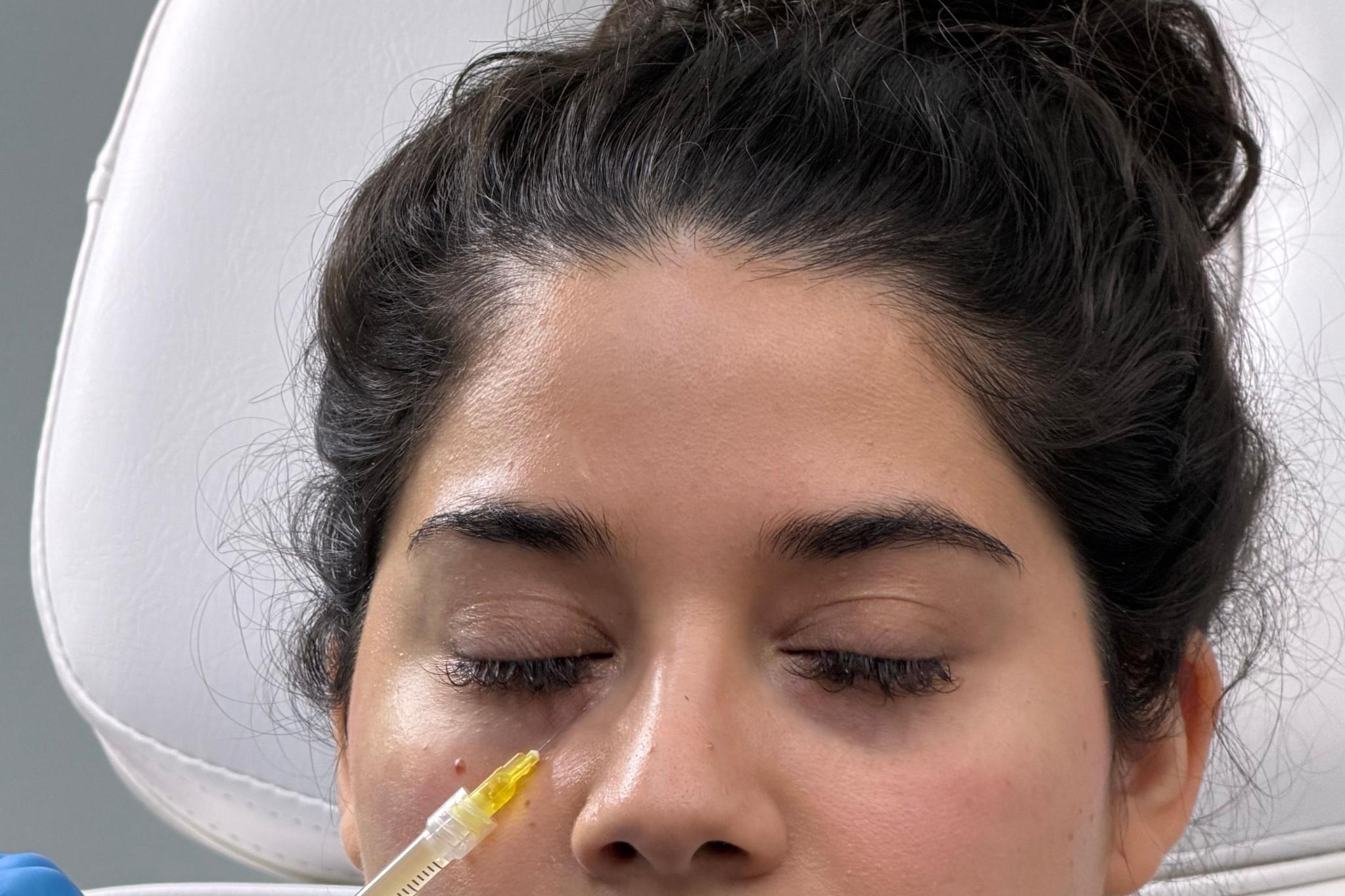
Under the eyes: even mild fluid retention can look obvious because the tissues around the eyes are relatively delicate.
Cheeks: localised fullness or tenderness may temporarily make one side look more prominent than the other.
Chin and jawline: swelling can temporarily soften the definition that the treatment was intended to create.
These are general patterns rather than a prediction of your individual recovery.
Filler swelling recovery timeline
- 1 First 24 hours: local swelling, redness, tenderness and temporary fullness may be visible around the injection sites
- 2 Days 2–3: swelling may still be noticeable and can temporarily make the treated area look fuller or less symmetrical
- 3 Days 4–7: uncomplicated swelling should generally be becoming less obvious rather than progressively worse
- 4 Around days 10–14: much of the early swelling has often settled, making the treated area easier to assess, although individual recovery varies
- 5 After this period: persistent, returning or worsening swelling should be discussed with the treating clinic or medically assessed where appropriate
Is swelling after fillers normal?
Mild to moderate swelling can be part of the expected early response to filler injections. A reassuring recovery pattern is one in which the swelling gradually settles rather than continuing to increase.
Temporary redness, tenderness, bruising or slight asymmetry can occur at the same time. For example, one side may temporarily appear fuller simply because more fluid has collected there.
Wait until obvious swelling has reduced before judging whether the treatment looks symmetrical.
Swelling should not automatically be dismissed as normal simply because you recently had fillers. If it becomes increasingly painful, hot, red or markedly more swollen, contact the treating clinic or seek medical assessment. For a broader overview of expected reactions, see filler side effects.
Swelling or a lump after fillers: what is the difference?
Swelling is usually more diffuse and affects a broader part of the treated area. A lump or firm area is more localised and may be easier to identify with a fingertip.
During the first part of recovery, however, swelling and temporary firmness can occur together. A slightly uneven or firm area shortly after treatment therefore does not automatically mean that the filler has formed a persistent lump.
Do not repeatedly press or massage an area simply to test it. A clearly defined lump should be reviewed if it becomes larger, increasingly painful, red or warm, appears after the initial recovery period or remains while surrounding swelling has settled.
For more detail about localised firmness, see lumps after fillers.
Why does swelling happen after fillers?
Filler treatment involves injections into or beneath the skin. The tissue can respond to the injections with temporary inflammation and fluid accumulation around the treated area. This fluid build-up is called oedema.
With hyaluronic acid fillers, the filler material itself can also bind water. This can contribute to temporary fullness while the area is settling. This explanation does not apply in exactly the same way to every type of filler.
How much swelling develops can be influenced by:
the anatomical area treated;
the product used;
the amount injected;
injection technique;
the number of injection points;
your individual tissue response.
More swelling does not automatically mean that more filler was used, that the treatment has worked better or that the eventual result will be better.
You can read more about the material itself in our guide to hyaluronic acid fillers.
Why can lip swelling look more obvious?
The lips can change visibly even with a relatively small amount of temporary swelling. Early swelling may therefore make them appear considerably fuller or temporarily uneven.
That early appearance should not be treated as the final filler result.
What can you do about swelling after fillers?
- 1 Follow the aftercare instructions given by the practitioner or clinic that performed your treatment
- 2 If cooling has been recommended, cool the area gently and avoid placing ice directly against the skin
- 3 Avoid pressing, manipulating or massaging the treated area unless your practitioner has specifically told you to do so
- 4 Give the tissue time to settle before assessing volume, definition or symmetry
- 5 Contact the treating clinic if swelling is worsening, behaving unexpectedly or occurring with other concerning symptoms
Can swelling after fillers come back later?
Yes. Swelling can sometimes appear again after the initial post-treatment swelling has already settled. This is different from the ordinary swelling that develops immediately after injections.
Late or recurrent swelling can have more than one possible cause. It cannot be reliably identified from appearance alone, and the cause should not be self-diagnosed from photographs or online descriptions.
Contact the treating clinic or seek medical assessment if swelling returns after a previously settled period, particularly if it is accompanied by redness, pain, heat or a new firm area.
Do not repeatedly massage the area or attempt to dissolve or otherwise treat the filler yourself.
When should you seek medical help after fillers?
Severe or increasing pain
Mild tenderness can occur after injections. Pain that becomes severe, feels unexpected or continues to worsen — particularly when accompanied by other changes in the treated area — requires prompt medical assessment.
Unusual skin colour changes
Bruising can cause normal temporary discolouration. However, skin that becomes unusually pale, grey, dusky, mottled or otherwise significantly different from an ordinary bruise should be assessed promptly, particularly if there is increasing pain.
Increasing redness, warmth or feeling unwell
Some temporary redness around injection sites can occur. Redness that continues to spread, increasing warmth, worsening pain, discharge, fever or feeling generally unwell can indicate a problem that needs medical assessment.
New problems with your vision
If you develop sudden blurred vision, reduced vision, loss of vision or another new visual change after filler treatment, seek urgent medical assessment immediately. Visual complications associated with fillers are rare but can be serious.
Swelling that returns or is not improving
If swelling returns after the area had already settled, becomes progressively worse or remains without an expected pattern of improvement, contact the treating clinic or obtain medical assessment. For a broader explanation of abnormal problems after filler treatment, see filler complications.
Considering fillers in the future?
If you currently have unexpected swelling or other concerning symptoms after filler treatment, contact the clinic that treated you or seek appropriate medical assessment first. Comparing another clinic online is not a substitute for assessment of a possible complication.
If you are instead researching a future treatment, Injectablesbooking can help you compare clinics offering fillers. Review the information shown on each clinic or practitioner profile, including available treatment information, prices, reviews and practitioner details, before deciding whether to request a consultation.
Compare clinics in United Kingdom

- Filler from
- £ 250,00



- Filler from
- £ 250,00


- Filler from
- £ 250,00

- Filler from
- £ 250,00

- Filler from
- £ 250,00

- Filler from
- £ 250,00

- Filler from
- £ 250,00

- Filler from
- £ 250,00
Frequently asked questions about swelling after fillers
How long does swelling after fillers last?
Swelling is often most noticeable during the first two or three days and commonly reduces substantially during the first week. Mild swelling can last longer, and recovery varies by treatment area, product and individual response. Swelling should generally become less noticeable rather than progressively worse.
Can filler swelling get worse before it gets better?
Swelling can become more noticeable during the early recovery period before it starts to settle. If it continues to increase rather than improve, particularly with increasing pain or unusual skin changes, contact the treating clinic or seek medical assessment.
What can help reduce swelling after fillers?
Follow the aftercare instructions given by your practitioner. If cooling has been recommended, do it gently and avoid placing ice directly against the skin. Do not massage or repeatedly press the area unless you have specifically been advised to do so.
Is uneven swelling after fillers normal?
Temporary asymmetry can occur because both sides do not always swell equally. Avoid assessing the final symmetry while obvious swelling is still present. Contact the treating clinic if the difference is becoming more pronounced or occurs with increasing pain or unusual skin changes.
Is a hard area after fillers caused by swelling?
It can be difficult to distinguish swelling from temporary firmness during early recovery. Swelling is generally more diffuse, whereas a lump is usually more localised. A firm area should be reviewed if it grows, becomes painful, red or hot, appears later or does not settle.
Why does filler swelling look worse in the morning?
Fluid distribution can change while you are lying down, so some people notice that a treated area looks puffier after waking. The overall recovery pattern remains more important than a single morning: swelling should generally reduce as recovery progresses.
What is the difference between swelling and bruising after fillers?
Swelling is caused by fluid within the tissue and makes an area look temporarily fuller. Bruising results from bleeding beneath the skin and mainly causes colour changes. Both can occur at the same time after injections.
When should I contact the clinic about filler swelling?
Contact the treating clinic if swelling is progressively worsening, returns after initially settling or occurs with increasing pain, redness, warmth or another unexpected change. Unusual skin colour changes also require prompt assessment.
Is vision change after fillers an emergency?
Any new visual problem after filler treatment, including sudden blurred or reduced vision, requires urgent medical assessment. Although visual complications are rare, they can be serious.
When can I judge my filler results after swelling?
Wait until the obvious early swelling has largely settled before judging volume, definition or symmetry. This commonly becomes easier during the following one to two weeks, although the exact recovery period varies between individuals and treatment areas.