Filler lumps

Drs. Tom van Eijk
A lump after a dermal filler treatment may be visible, or you may only notice it when touching the area. During early recovery, swelling and temporary firmness can make the skin feel less even than expected.
Small areas of unevenness often improve as the swelling settles. However, a lump can also be associated with the filler’s placement, migration or a tissue reaction. The timing of the lump and symptoms such as pain, warmth or skin colour changes are therefore important.
This page explains possible causes, how recovery may develop and when to contact your clinic or seek medical advice.
Read more about filler treatment.
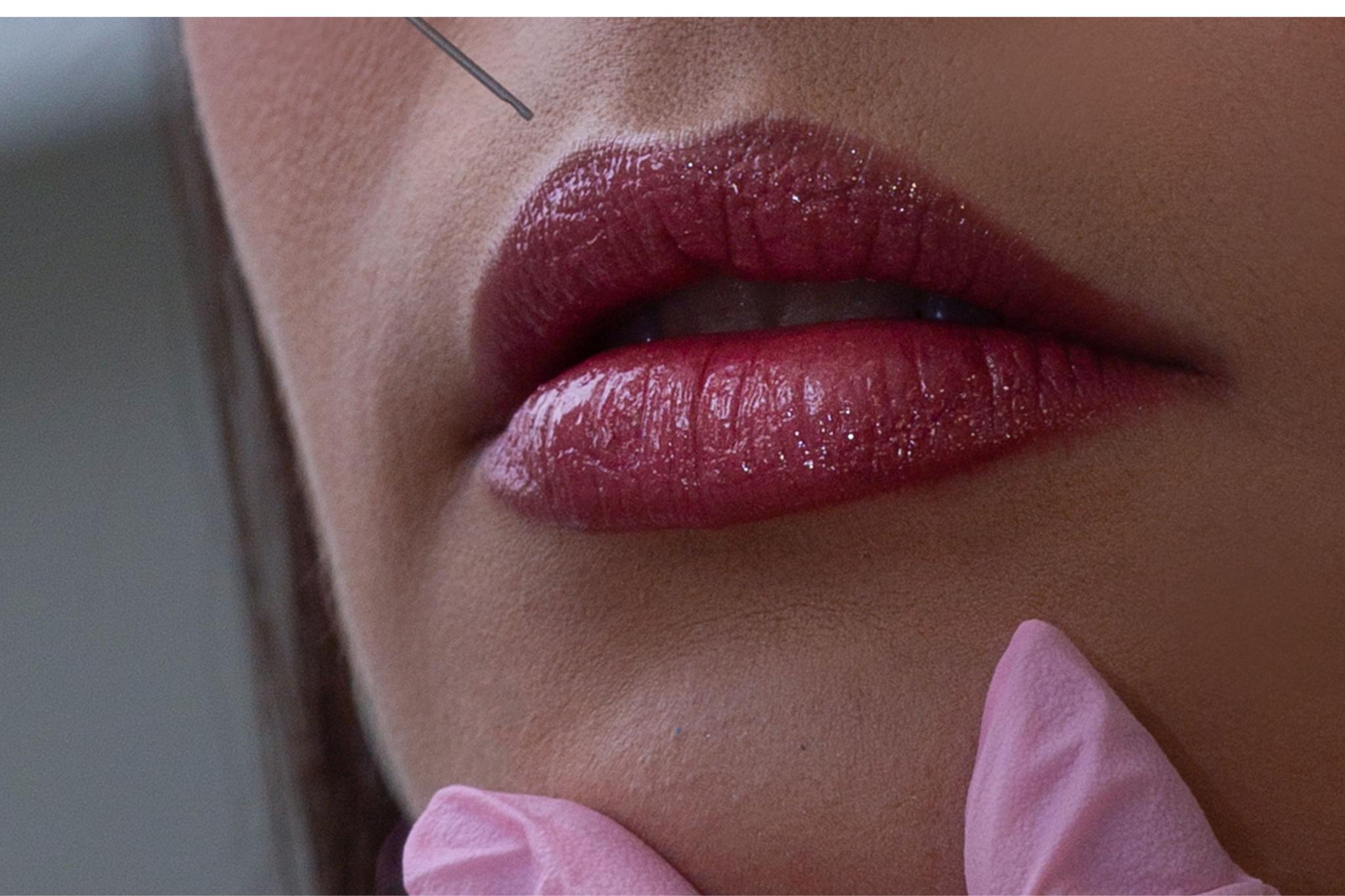
Are filler lumps normal?
A small, soft lump can be part of early recovery, particularly when it appears shortly after treatment and gradually becomes less noticeable.
Arrange a review when a lump becomes larger, harder or more painful, or when the surrounding skin becomes increasingly red, warm or discoloured. A practitioner must assess the area to determine the likely cause.
Read more about what fillers are.
When should a filler lump be checked?
A lump is more likely to be related to early recovery when it:
appears during the first few days;
feels soft rather than fixed;
becomes smaller as the swelling settles;
is not accompanied by increasing pain;
does not cause unusual changes to the skin.
Contact your treating clinic when the lump:
continues to increase in size;
feels firm, fixed or increasingly tender;
remains unchanged after the recovery period discussed with you;
develops alongside spreading redness or warmth;
is associated with discharge, fever or feeling unwell.
Seek urgent medical advice for sudden severe pain, rapidly changing skin colour or symptoms that worsen quickly. Unexpected blurred or reduced vision after filler treatment requires immediate emergency medical help.
What causes filler lumps?
“Filler lump” is a general description rather than a diagnosis. Possible causes include:
swelling around an injection point;
a small localised collection of filler;
filler placed close to the skin’s surface;
temporary firmness during healing;
filler that appears to have moved from its intended position;
an inflammatory or infectious reaction.
A practitioner will consider when the lump appeared, whether it is changing and which product and treatment technique were used. The same-looking lump can have different causes, so photographs alone may not provide a reliable diagnosis.
Is it swelling or a filler lump?
Swelling is usually spread across part of the treated area rather than concentrated in one small spot. It often develops soon after treatment and should gradually begin to settle.
A filler lump tends to feel more localised. It may be present immediately or become noticeable later, and it can remain after the surrounding swelling has reduced.
Contact your clinic when you cannot tell the difference, particularly if the area is becoming painful, hot, hard or more prominent.
Read more about swelling after fillers.
Lumps after lip fillers
Swelling and temporary firmness can be especially noticeable after lip filler because the lips contain delicate, mobile tissue. During early recovery, the lips may feel uneven even when the surface looks relatively smooth.
You may notice:
temporary asymmetry;
small areas of firmness;
uneven swelling;
a slightly bumpy feeling;
tenderness around an injection point.
Is it normal to feel lumps after lip filler?
Small areas of firmness can occur during early healing. They should become less noticeable rather than harder, larger or more painful.
How long do lips feel firm?
Recovery differs according to the product, amount injected, technique and individual healing response. Follow the timescale and aftercare advice given by your own practitioner.
Does a lump mean the filler has migrated?
Not necessarily. Swelling and early firmness are more common explanations shortly after treatment. Migration may be considered when filler appears to extend beyond the intended area or changes the contour after swelling has settled.
Read more about filler migration.
How long can a filler lump take to settle?
- 1 First 48 hours: Swelling, tenderness and mild unevenness may be noticeable around the injection points.
- 2 Days three to seven: Early swelling should begin to reduce, although the treated area may still feel firmer than usual.
- 3 Around two weeks: The area is often easier to assess once much of the initial swelling has settled.
- 4 Two to four weeks: Contact your clinic if a lump has not improved, remains firm or is affecting the result.
- 5 Later in recovery: A new lump that appears weeks or months after treatment should be medically assessed rather than treated at home.
Important
Do not press, puncture or massage a filler lump unless your treating practitioner has examined the area and specifically advised you to do so.
Massage may be suitable in some circumstances but inappropriate in others. Trying to correct the area yourself can make assessment more difficult.
When should you contact a clinic or doctor?
The lump is getting larger
A lump that continues to grow does not fit a straightforward pattern of improving early swelling. Arrange an assessment with your treating clinic.
The area is red, hot or producing discharge
Increasing redness, warmth, swelling or discharge may indicate inflammation or infection and requires medical assessment.
Pain is increasing
Mild tenderness can occur after injections. Pain that becomes stronger, severe or unusual should be assessed promptly.
The lump is not improving
Arrange a review when a firm or visible area remains unchanged beyond the recovery period explained by your practitioner.
The skin changes colour
Sudden paleness, mottling, darkening or another unusual colour change, particularly with pain, requires urgent same-day medical assessment.
You develop a problem with your sight
Blurred vision, reduced vision or another unexpected sight problem after filler treatment requires immediate emergency medical help.
What is a granuloma after filler treatment?
A granuloma is a specific type of inflammatory tissue reaction. It is different from ordinary swelling and cannot be diagnosed simply because a lump feels firm.
Delayed inflammatory lumps can develop weeks or months after treatment and may have several possible causes. A doctor may need information about the filler product, earlier treatments and your medical history before recommending further investigation or treatment.
A persistent lump should therefore not automatically be described or treated as a granuloma without a clinical assessment.
Read more about filler complications.
Can hyaluronidase treat a filler lump?
Hyaluronidase is an enzyme that can break down hyaluronic acid filler. A medical practitioner may consider it when an assessment indicates that dissolving the product is appropriate.
It does not dissolve every type of filler, and it is not automatically the correct treatment for every lump. The practitioner should first consider whether the area represents simple product placement, inflammation, infection or another problem.
Do not arrange dissolving treatment solely from a photograph or attempt to obtain or use dissolving products yourself.
Read more about dissolving fillers.
Compare UK filler clinics by practitioner experience, available follow-up care, patient reviews and treatment information. When you already have a lump or another concern, tell the clinic that you are seeking an assessment rather than booking a new filler treatment.
Read more about choosing a filler clinic.
Compare clinics in United Kingdom

- Filler from
- £ 250,00



- Filler from
- £ 250,00


- Filler from
- £ 250,00

- Filler from
- £ 250,00

- Filler from
- £ 250,00

- Filler from
- £ 250,00

- Filler from
- £ 250,00

- Filler from
- £ 250,00
Frequently asked questions about filler lumps
Are filler lumps normal?
Small, soft areas of unevenness can occur during early recovery. They should gradually improve rather than become larger, harder or more painful.
How long do filler lumps last?
There is no single recovery time. Some early lumps settle as swelling reduces, while persistent or delayed lumps may need assessment.
Can a filler lump disappear without treatment?
Yes. A lump caused by swelling or temporary firmness may improve naturally. Do not assume that every lump will disappear without assessment.
Is a hard filler lump normal?
Temporary firmness can occur soon after treatment. Contact your clinic when the area remains hard, becomes fixed or is associated with pain, warmth or redness.
Can a filler lump appear months later?
Yes. Delayed inflammatory reactions and other concerns may appear weeks or months after treatment. A newly developing lump should be medically assessed.
Should fillers feel completely smooth?
The area may temporarily feel firm or slightly uneven during recovery. Persistent irregularities should be discussed with the treating clinic.
Should I massage a filler lump?
Only when your practitioner has examined the area and specifically advises massage. Do not massage it on your own initiative.
Can a filler lump become softer?
A temporary lump may soften as swelling settles. A lump that remains unchanged or becomes harder should be reviewed.
Can filler migration cause a lump?
It can contribute to localised fullness or an uneven contour, but it is not the only possible cause.
When should I contact my clinic?
Contact the clinic for a growing or persistent lump, increasing pain, redness, warmth or concerns about recovery. Seek urgent help for severe pain, rapid skin changes or sight problems.