Dark circle fillers:

Drs. Tom van Eijk
Dark circle fillers may help when the dark appearance beneath the eyes is mainly caused by a deep tear trough, volume loss or shadow between the lower eyelid and cheek. The filler does not change the colour of the skin, but it may soften the hollow and make the shadow less noticeable.
Not every type of dark circle is suitable for filler. Pigmentation, thin skin, fluid retention, prominent eye bags or loose skin may require a different approach. A consultation should therefore begin by identifying whether the concern is caused by shadow, colour, swelling, skin quality or facial anatomy.
Use Injectablesbooking.co.uk to compare practitioners and clinics offering dark circle fillers by location, reviews, treatment options and available rates.
Read more about under-eye fillers.

Can dark circle fillers help?
Dark circle fillers may help when the dark area is mainly caused by a hollow beneath the eye or a pronounced tear trough. The difference in volume between the lower eyelid and cheek can create a shadow. Carefully placed filler may soften this transition and reduce the appearance of depth.
Dark circle fillers do not remove skin pigmentation. Brown pigmentation, bluish colour caused by thin skin or darkness associated with swelling may remain visible after treatment.
Hyaluronic acid filler is commonly considered for the under-eye area because it can be placed conservatively and may be dissolved when medically appropriate. Suitability still depends on an individual assessment.
Read more about how dermal fillers work.
What causes dark circles beneath the eyes?
Dark circles can have more than one cause. They may result from facial structure, skin colour, thin skin, swelling or a combination of factors.
Common causes include:
a deep tear trough;
loss of volume beneath the eyes;
reduced cheek volume;
shadow between the lower eyelid and cheek;
naturally thin skin;
visible blood vessels;
pigmentation;
fluid retention;
prominent fat pads or eye bags;
loose skin;
hereditary facial anatomy.
Dark circle fillers may be considered when volume loss or a hollow is creating the shadow. Pigmentation, persistent swelling and loose skin usually require a different approach.
Read more about filler treatment.
When may dark circle fillers be suitable?
Dark circle fillers may be considered when there is:
a visible hollow beneath the eye;
a defined line between the lower eyelid and cheek;
shadow that changes with the lighting;
volume loss around the tear trough;
a tired appearance caused mainly by facial depth rather than skin colour.
Dark circle fillers are generally less suitable when the main concern is:
brown or blue skin discolouration;
changing or persistent swelling;
prominent fluid-filled or fatty eye bags;
significant loose skin;
very thin skin with visible vessels.
The practitioner should assess the tear trough, skin thickness, cheek support, symmetry, swelling and treatment expectations before recommending filler.
A useful distinction is whether the darkness looks like a shadow or a change in skin colour. Filler may help a shadow caused by a hollow, but it does not remove pigmentation.
Read more about what fillers are.
Dark circles, eye bags and tear troughs: what is the difference?
Dark circles describe colour or shadow beneath the eyes. They may be associated with pigmentation, thin skin, volume loss or facial structure.
Eye bags usually involve swelling, fluid retention or prominent fat beneath the eyes. Dark circle fillers are not always suitable for eye bags and may make swelling more noticeable in some people.
A tear trough is the hollow or line between the lower eyelid and cheek. When this hollow creates a shadow, carefully selected filler treatment may soften its appearance.
Dark circle fillers are therefore most relevant when a tear trough or volume loss is contributing to the darkness.
Read more about tear trough filler.
When are dark circle fillers less suitable?
Dark circle fillers are often less appropriate when darkness is mainly caused by colour, swelling or loose skin rather than volume loss.
Treatment may not be recommended for people with:
pronounced pigmentation;
persistent fluid retention;
prominent fatty eye bags;
significant loose skin;
extremely thin skin;
active irritation or infection near the treatment area;
previous filler complications requiring further assessment;
expectations that all darkness will disappear.
A responsible practitioner should explain when dark circle fillers are unlikely to address the main concern. Another treatment or no cosmetic treatment may sometimes be the more appropriate advice.
What are the alternatives to dark circle fillers?
The most appropriate option depends on what is causing the dark circles.
Pigmentation may be assessed for medical skincare, chemical peels or certain laser treatments. Thin or crepey skin may be assessed for treatments intended to support skin quality.
Persistent swelling should be investigated before cosmetic treatment is considered. Prominent fat pads or significant loose skin may require assessment by a suitably qualified surgical specialist.
Other treatments that may be discussed include:
polynucleotides;
skin boosters;
Profhilo;
laser treatments;
medical skincare;
chemical peels;
eyelid surgery.
These treatments are not direct substitutes for one another. Suitability depends on the cause of the dark circles, skin quality, anatomy, medical history and expectations.
What happens during a dark circle filler treatment?
A dark circle filler treatment normally begins with a consultation and facial assessment.
The process may include:
discussing the concern, medical history and expectations;
assessing the tear trough, cheeks, skin and facial proportions;
explaining whether dark circle fillers are suitable;
discussing possible risks and limitations;
choosing an appropriate product and conservative quantity;
cleaning the treatment area;
placing the filler using a needle or cannula;
checking the distribution and symmetry;
providing aftercare advice.
Practitioners often use small amounts of filler beneath the eyes. Excessive filler may create visible swelling, irregularity or an unnatural result.
Experience with under-eye anatomy is especially important because the skin is thin and changes can be more noticeable in this area.
Read more about choosing a filler practitioner.
Before and after dark circle fillers


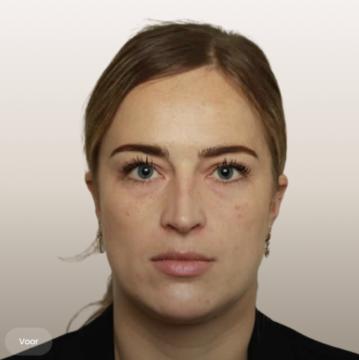
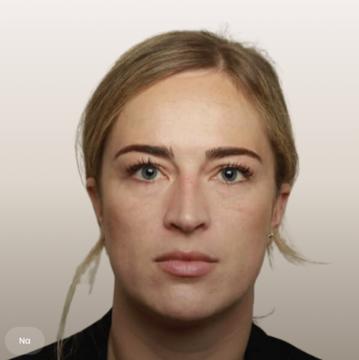
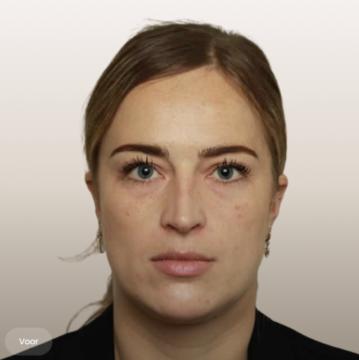
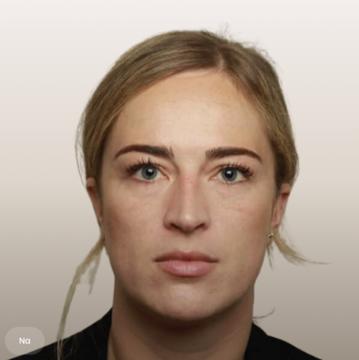
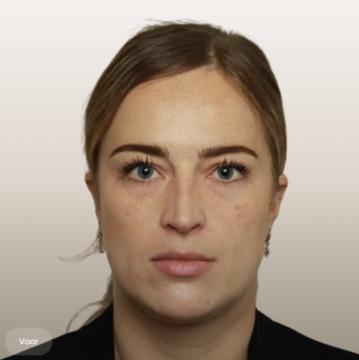
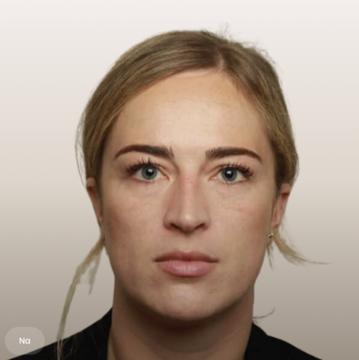
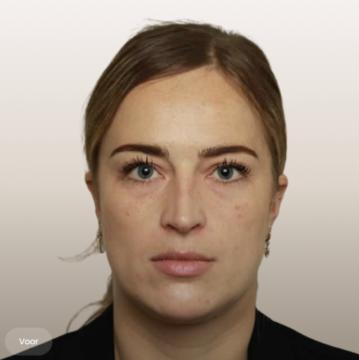
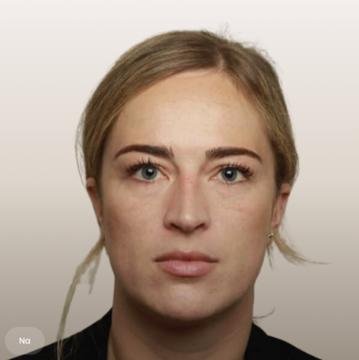
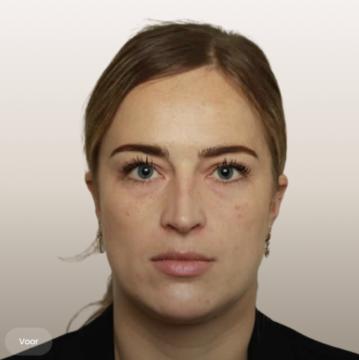
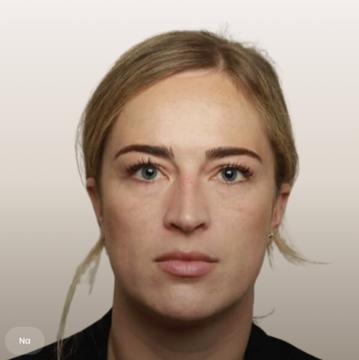
What results can you expect from dark circle fillers?
In a suitable patient, dark circle fillers may soften the hollow beneath the eye and create a smoother transition between the lower eyelid and cheek. This may reduce shadow and produce a subtle change.
Dark circle fillers do not remove pigmentation or change the natural colour of the skin. Discolouration may therefore remain visible when it is caused by pigment, thin skin or visible blood vessels.
The result depends on:
the cause of the dark circles;
skin thickness and quality;
the product used;
the quantity placed;
filler placement;
facial anatomy;
practitioner experience.
Before-and-after photographs may help when comparing clinics, but they cannot predict an individual result.
Read more about filler before-and-after.
How long do dark circle fillers last?
Dark circle fillers are temporary. The length of time the result remains visible varies according to the product, quantity, placement, skin, metabolism and individual anatomy.
The under-eye area does not move as much as some other parts of the face, but this does not mean that every person will have the same treatment duration.
Because the skin is thin and sensitive, practitioners usually favour conservative treatment rather than placing a large amount in one session.
The practitioner should explain the expected duration, whether a review appointment is included and when further treatment might be considered.
Read more about how long fillers last.
Risks and side effects of dark circle fillers
The eye area has thin skin and complex anatomy. Dark circle fillers should be performed by an appropriately trained practitioner with specific experience in the under-eye area.
Possible side effects and complications include:
temporary swelling;
bruising;
redness;
tenderness;
asymmetry;
lumps or irregularities;
overcorrection;
prolonged swelling;
a blue-grey appearance known as the Tyndall effect;
infection;
rare vascular complications.
Hyaluronic acid filler may sometimes be dissolved using hyaluronidase after assessment by a qualified medical practitioner.
Seek urgent advice from the treating clinic if there is severe or increasing pain, unusual skin discolouration, visual symptoms or another unexpected reaction.
Read more about filler side-effects.
Aftercare following dark circle fillers
Follow the instructions provided by the treating practitioner. General advice may include avoiding unnecessary touching, rubbing or pressure around the eyes shortly after treatment.
The practitioner may also advise temporarily avoiding:
strenuous exercise;
saunas or steam rooms;
intense heat;
strong sun exposure;
alcohol;
certain facial treatments.
Aftercare recommendations can vary, so the clinic’s own instructions should take priority.
Contact the clinic if swelling continues to increase, the area becomes increasingly painful, there are signs of infection, the skin changes colour or you are concerned about the recovery.
How much do dark circle fillers cost?
The cost of dark circle fillers varies between UK clinics.
Factors that may affect the price include:
the practitioner’s experience;
the product used;
the amount of filler required;
the complexity of the under-eye area;
whether a consultation is included;
whether a review appointment is included;
the clinic’s location.
Do not compare clinics using price alone. Experience with the under-eye area, careful assessment, clear information about risks and access to aftercare are particularly important.
Read more about fillers cost.
What should you check before having dark circle fillers?
- 1 Ask for the cause of the dark circles to be assessed.
- 2 Choose a practitioner experienced in the under-eye area.
- 3 Ask whether filler is suitable for your skin and anatomy.
- 4 Discuss the risks, limitations and alternatives.
- 5 Ask which product and quantity may be used.
- 6 Review genuine before-and-after photographs.
- 7 Check what the price, review and aftercare include.
- 8 Expect a subtle improvement rather than complete removal.
Compare practitioners and clinics for dark circle fillers
Before considering dark circle fillers, ask whether the dark appearance is mainly caused by a hollow, volume loss, pigmentation, swelling or loose skin. This assessment helps establish whether filler is a reasonable option.
Use Injectablesbooking.co.uk to compare practitioners and clinics by:
location;
reviews;
available rates;
treatment options;
practitioner experience;
before-and-after photographs.
Look for experience in the under-eye area, clear explanations of risks, realistic expectations and accessible aftercare.
It is also useful to ask how the clinic handles review appointments, unexpected results and possible complications.
Read more about choosing a filler clinic.
Compare clinics in United Kingdom

- Tear trough / bags under eyes from
- £ 400,00



- Tear trough / bags under eyes from
- £ 500,00


- Tear trough / bags under eyes from
- £ 400,00

- Tear trough / bags under eyes from
- £ 400,00

- Tear trough / bags under eyes from
- £ 400,00

- Tear trough / bags under eyes from
- £ 400,00

- Tear trough / bags under eyes from
- £ 400,00

- Tear trough / bags under eyes from
- £ 400,00
Frequently asked questions about dark circle fillers
Can dark circle fillers help?
Dark circle fillers may help when the dark appearance is mainly caused by a tear trough, volume loss or shadow. They are less likely to help pigmentation, swelling or loose skin.
When are dark circle fillers suitable?
They may be suitable when there is a visible hollow beneath the eye and the shadow is caused by lost volume. A consultation is needed to assess the skin and anatomy.
When do dark circle fillers not work well?
They are usually less effective when the darkness is mainly caused by pigmentation, thin skin, fluid retention, prominent eye bags or loose skin.
What is the difference between dark circles, eye bags and a tear trough?
Dark circles involve colour or shadow. Eye bags usually involve swelling or prominent fat. A tear trough is the hollow between the lower eyelid and cheek.
Can dark circle fillers remove pigmentation?
No. Filler does not change the colour of the skin. It may only reduce shadow when pigmentation is also accompanied by a hollow.
Can dark circle fillers help blue circles beneath the eyes?
Only in some cases. A blue appearance may be caused by thin skin or visible blood vessels. Filler may help if there is also a significant hollow.
Can dark circle fillers make swelling worse?
Yes. Some people are prone to fluid retention, and inappropriate product placement or excessive filler may make swelling more noticeable.
What are the disadvantages of dark circle fillers?
Possible disadvantages include swelling, bruising, asymmetry, lumps, overcorrection and a blue-grey appearance. Rare complications are also possible.
How much filler is needed for dark circles?
The amount varies. Practitioners usually use small quantities and base the treatment on the tear trough, skin thickness, symmetry and facial structure.
How long do dark circle fillers last?
Duration varies according to the product, quantity, placement, metabolism and individual anatomy. The practitioner should provide a personalised estimate.
Can dark circles look worse after filler?
They may look worse if swelling develops, too much filler is used or the original concern was mainly caused by fluid retention or thin skin.
Can dark circle fillers be dissolved?
Hyaluronic acid filler may sometimes be dissolved using hyaluronidase following assessment by a qualified medical practitioner.
Compare clinics for dark circle fillers
Compare on experience & price Make an appointment immediately