Fillers Not Working

Drs. Tom van Eijk
Fillers do not always look exactly as expected straight away. Sometimes the result is still settling, swelling changes the appearance, or the treatment was intentionally subtle for a natural-looking outcome.
The visible effect can also depend on the amount of filler used, the area treated, the type of filler, your facial anatomy, the injection technique and how your body breaks filler down.
This does not automatically mean the treatment has failed. It is important to assess the result at the right time and contact the treating clinic if you are unsure. Seek urgent medical advice if you notice increasing pain, unusual skin discolouration, severe swelling or any problems with vision.
On this page, you can read why fillers may seem not to work, when results can usually be assessed and what safe next steps may be.

Why do fillers sometimes seem not to work?
Fillers may seem not to work if the result is judged too early, if swelling or bruising affects the appearance, or if only a small amount of filler was used. In some cases, filler may not be the most suitable treatment for the concern.
Common reasons include:
the area is still swollen or bruised
the treatment was deliberately subtle
too little filler was used for the desired change
the concern is not mainly caused by volume loss
the filler type or technique was not ideal for the area
the body breaks the filler down faster than expected
If the result still looks too subtle, uneven or different from what was discussed after the settling period, contact the treating clinic for advice.
First make this distinction
When fillers seem not to work, there are usually a few possible situations:
Situation | What it may mean | What to do |
|---|---|---|
You see little change | The treatment may be subtle or still settling | Wait until swelling has reduced and ask for a review |
The result looked better at first | Early swelling may have made the area look fuller | Reassess once the area has settled |
The result is uneven | Swelling, anatomy or placement may be involved | Contact the treating clinic |
The original concern remains | Filler may not be the right treatment | Ask about alternatives |
You have pain or colour changes | This needs medical assessment | Contact the clinic urgently |
Do not try to massage, move or treat filler yourself unless your clinic has specifically advised you to do so.
What does “fillers not working” mean?
People use this phrase in different ways. Some mean they see no visible change. Others feel the result is too subtle, uneven or has disappeared faster than expected.
What you notice | Possible explanation | Safe next step |
|---|---|---|
No visible result | Subtle treatment, swelling or too little filler | Wait until the area has settled, then ask for a review |
Result is too subtle | A natural approach or limited volume | Discuss whether a touch-up is suitable |
Filler seems to fade quickly | Swelling has gone down or the area moves a lot | Ask about filler type, amount and area |
Result is uneven | Swelling, anatomy or placement may play a role | Contact the treating clinic |
Concern has not improved | Filler may not be the best option | Ask about other treatments |
Result looks wrong | Overcorrection, lumps or migration may be involved | Have it assessed by a qualified practitioner |
For related concerns, link to pages about swelling after fillers, lumps after fillers and filler migration where available.
When can you assess filler results?
Filler can give visible volume immediately, but the first result is not always the final result. Redness, swelling, bruising and tenderness can affect the appearance in the first few days.
Timing | What can be normal | Advice |
|---|---|---|
Immediately after treatment | Redness, swelling or extra fullness | Do not judge the final result yet |
First few days | Bruising, tenderness or mild unevenness | Follow the clinic’s aftercare advice |
After 1 to 2 weeks | The result is usually easier to assess | Arrange a review if you are unsure |
After several weeks | Ongoing concerns may need advice | Discuss correction, touch-up or alternatives |
If you mainly want to know how long results usually last, link to how long fillers last.
Possible reasons for little or no filler result
A subtle result does not always mean the treatment was done incorrectly. Some filler treatments are designed to restore balance gradually rather than create a dramatic change.
The treatment was intentionally subtle
Many practitioners prefer a gradual approach, especially for a first treatment. This can help avoid an overfilled look, but it may feel less noticeable than expected.
Too little filler was used
For deeper folds, larger treatment areas or visible volume loss, a small amount of filler may create only a limited change. Extra filler should only be considered after the area has settled and been reviewed.
The filler may not suit the area
Different areas need different product choices and techniques. Lips, tear troughs, cheeks, chin, jawline and nasolabial folds are not treated in the same way.
Your anatomy affects the result
Bone structure, skin thickness, facial fat, muscle movement and natural asymmetry all influence how visible filler results are.
Filler may not match your concern
Fillers can add volume, support contours and soften some folds. They cannot correct every wrinkle, skin texture concern or skin laxity issue. In some cases, another treatment may be more suitable.
Why does my filler seem to disappear quickly?
Filler can seem to disappear quickly when early swelling goes down. Immediately after treatment, the area may look fuller because of temporary swelling. Once this settles, the true filler result becomes clearer.
How long filler remains visible can also depend on:
the treatment area
how much movement the area has
the type of filler used
the amount placed
your metabolism
your skin quality and treatment history
If the result lasts much less time than expected, ask the treating clinic whether a different approach, product or treatment plan may be more suitable.
Is filler the right treatment for your concern?
Sometimes filler appears not to work because the concern is better treated in another way.
Concern | Is filler usually suitable? | Possible alternative |
|---|---|---|
Volume loss | Often suitable | Different filler plan or combination treatment |
Dynamic expression lines | Usually limited | Anti-wrinkle treatment may be more suitable |
Dry or thin-looking skin | Limited | Skinbooster or Profhilo-type treatment |
Skin texture or pigmentation | Limited | Skin treatment, peel or laser-based treatment |
Skin laxity | Sometimes limited | Combination treatment or surgical advice |
A consultation can help decide whether filler, anti-wrinkle treatment, skinbooster, Profhilo-type treatment or another option is more appropriate.
What can you do if fillers seem not to work?
- 1 Wait until swelling and bruising have settled.
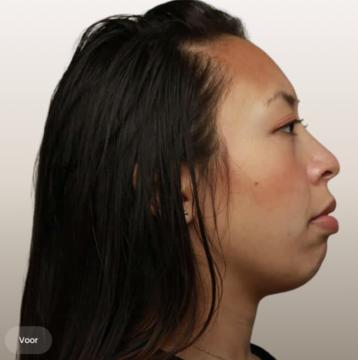
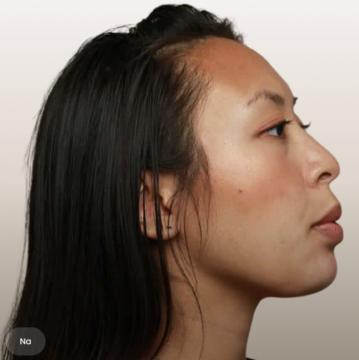
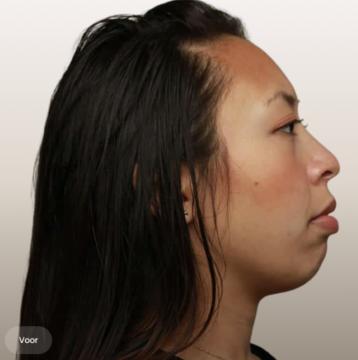
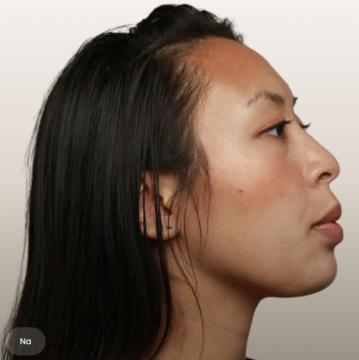
- 2 Compare before and after photos in similar lighting.
- 3 Follow the clinic’s aftercare advice.
- 4 Contact the treating clinic if you are unsure.
- 5 Ask whether a review or touch-up is appropriate.
- 6 Do not add more filler without assessment.
- 7 Ask about correction or dissolving if the result remains unwanted.
- 8 Compare clinics carefully before booking another treatment.
When should you contact the clinic?
Contact the treating clinic if you are worried about the result or if symptoms are getting worse. Some signs should be assessed quickly.
Situation | Can it be normal? | When to contact the clinic |
|---|---|---|
Mild swelling | Often temporary | If it worsens or becomes painful |
Small bruise | Can happen | If discolouration becomes unusual or spreads |
Subtle result | Can be part of the plan | If you remain unhappy after settling |
Hard or painful lump | Should not be ignored | Ask the clinic to assess it |
Increasing pain | No | Contact the clinic promptly |
Pale, blue, purple or dark skin changes | No | Seek urgent medical advice |
Problems with vision | No | Seek urgent medical help immediately |
Other symptoms to take seriously include heat, pus, fever, sudden worsening or severe asymmetry.
Can fillers be corrected, topped up or dissolved?
If the result is too subtle, a touch-up may sometimes be discussed. If the result is unwanted, correction may be needed. What is possible depends on the filler type, the area treated and the clinical assessment.
Some hyaluronic acid fillers can be dissolved with hyaluronidase. This does not apply to every type of filler. Always have the filler assessed before planning correction or further treatment.
Permanent or long-lasting fillers can be more difficult to correct. If you do not know which filler was used, ask the original clinic for details or arrange an assessment before having more treatment.
How to choose a clinic if your filler result is disappointing
Choose a clinic that takes time to assess what has happened. Look for clear explanations, realistic expectations, experience with filler treatments, aftercare, reviews and transparent cost information.
Useful questions to ask:
What type of filler was used or is recommended?
Is the result ready to assess yet?
Would waiting, touch-up, correction or dissolving be safer?
What risks or side effects are relevant?
What should I do if symptoms worsen?
Who will assess and perform the treatment?
For clinic comparison, link to pages about choosing a filler clinic, filler practitioners, filler reviews and filler prices where available.
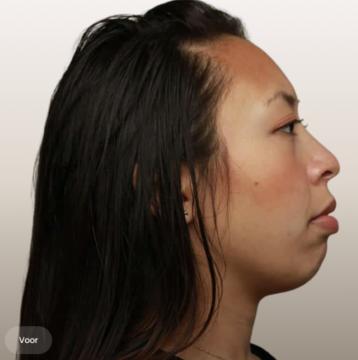
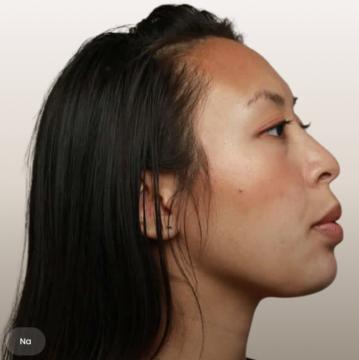
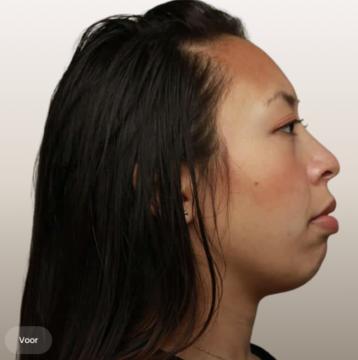
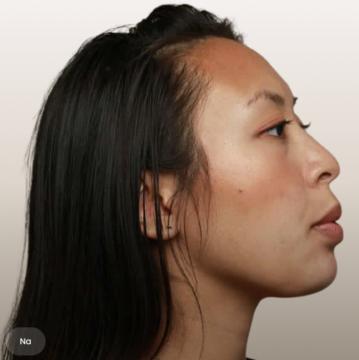
Before and after photos of filler treatments




Compare clinics in United Kingdom

- Botox zone from
- £ 180,00
- Filler per ml from
- £ 250,00
- Profhilo per 2 ml from
- £ 300,00



- Botox zone from
- £ 300,00
- Filler per ml from
- £ 350,00
- Profhilo per 2 ml from
- £ 350,00


- Botox zone from
- £ 129,00
- Filler per ml from
- £ 250,00
- Profhilo per 2 ml from
- £ 259,00

- Botox zone from
- £ 129,00
- Filler per ml from
- £ 250,00
- Profhilo per 2 ml from
- £ 259,00

- Botox zone from
- £ 129,00
- Filler per ml from
- £ 250,00
- Profhilo per 2 ml from
- £ 259,00

- Botox zone from
- £ 129,00
- Filler per ml from
- £ 250,00
- Profhilo per 2 ml from
- £ 259,00

- Botox zone from
- £ 129,00
- Filler per ml from
- £ 250,00
- Profhilo per 2 ml from
- £ 259,00

- Botox zone from
- £ 129,00
- Filler per ml from
- £ 250,00
- Profhilo per 2 ml from
- £ 259,00
Reviews of filler treatments in the UK
10th June
Had upper lip filler for lines. I wanted natural but refreshed look and again Steffi was able to achieve this. Thank you Steffi xx Show less »
I’m so pleased with my results and always feel completely comfortable and confident in her care. If you’re considering aesthetic treatments, I would highly recommend Nicola and Symmetry Aesthetics. Show less »
The results exceeded my expectations, and I couldn’t be happier with the improvement. Thank you, Dr. Ria!🙏🙏🙏 Show less »
Frequently asked questions about fillers not working
Why can I not see results after fillers?
This may happen if the result is judged too early, swelling is affecting the appearance, the treatment was intentionally subtle or too little filler was used for the desired change.
Can fillers simply not work for me?
Fillers can look different from person to person. The result depends on the filler type, amount, area treated, anatomy, technique and how your body breaks filler down.
How long does it take to see the final filler result?
You may see a change straight away, but swelling and bruising can affect the early result. The area is usually easier to assess once it has settled.
Why does my filler look smaller after a few days?
Early swelling can make the area look fuller. When swelling reduces, the true filler result becomes clearer.
Why does my filler disappear quickly?
Movement in the treated area, filler type, amount used, metabolism and the area treated can all affect how long results remain visible.
What if my filler result is too subtle?
A subtle result may be intentional. If you still feel the result is too mild after settling, ask the clinic whether a review or touch-up is suitable.
Can I have more filler added?
Sometimes, but only after assessment. Adding more filler too quickly can increase the risk of an unnatural result or complications.
What if fillers do not help my wrinkles?
Fillers are mainly used for volume, contour and some folds. Expression lines or skin quality concerns may need a different treatment approach.
Can filler be placed incorrectly?
Placement, depth and technique can affect the result. If you notice lumps, asymmetry, migration, pain or an unnatural look, contact the clinic.
Can fillers be dissolved if I dislike the result?
Some hyaluronic acid fillers can be dissolved with hyaluronidase, but not all fillers can. A qualified practitioner should assess this first.
Should I return to the same clinic?
It is usually sensible to contact the treating clinic first, because they know what product, amount and technique were used. You can also seek a second opinion.
When should I seek urgent advice after fillers?
Seek urgent medical advice if you have increasing pain, unusual pale, blue, purple or dark skin changes, severe swelling, fever, sudden worsening or any problems with vision.
Read more about fillers
To understand filler results, safety and next steps, link to related UK pages where available:
Fillers
How do fillers work?
What are fillers?
How long do fillers last?
Filler side effects
Filler complications
Swelling after fillers
Lumps after fillers
Filler migration
Filler necrosis
Dissolving fillers
Hyaluronidase
Temporary fillers
Hyaluronic acid fillers
Filler before and after
Filler reviews
Choosing a filler clinic
Filler practitioners
Compare fillers
Filler costs