Bruising after fillers

Drs. Tom van Eijk
Bruising after fillers is a common temporary reaction. It usually happens when a needle or cannula affects a small blood vessel during the injection, allowing a small amount of blood to collect beneath the skin.
A bruise can look red, blue, purple, green, yellow or brown as it heals. Most filler-related bruising becomes less noticeable over several days and commonly settles within around two weeks, although recovery varies between people and treatment areas.
A bruise can also become darker during the first few days before it begins to fade. Increasing pain, rapidly spreading or unusual skin discolouration, cold skin, altered sensation or visual symptoms are not typical features of a straightforward bruise and need prompt assessment.
If you are still researching treatment, you can also read our overview of dermal fillers.
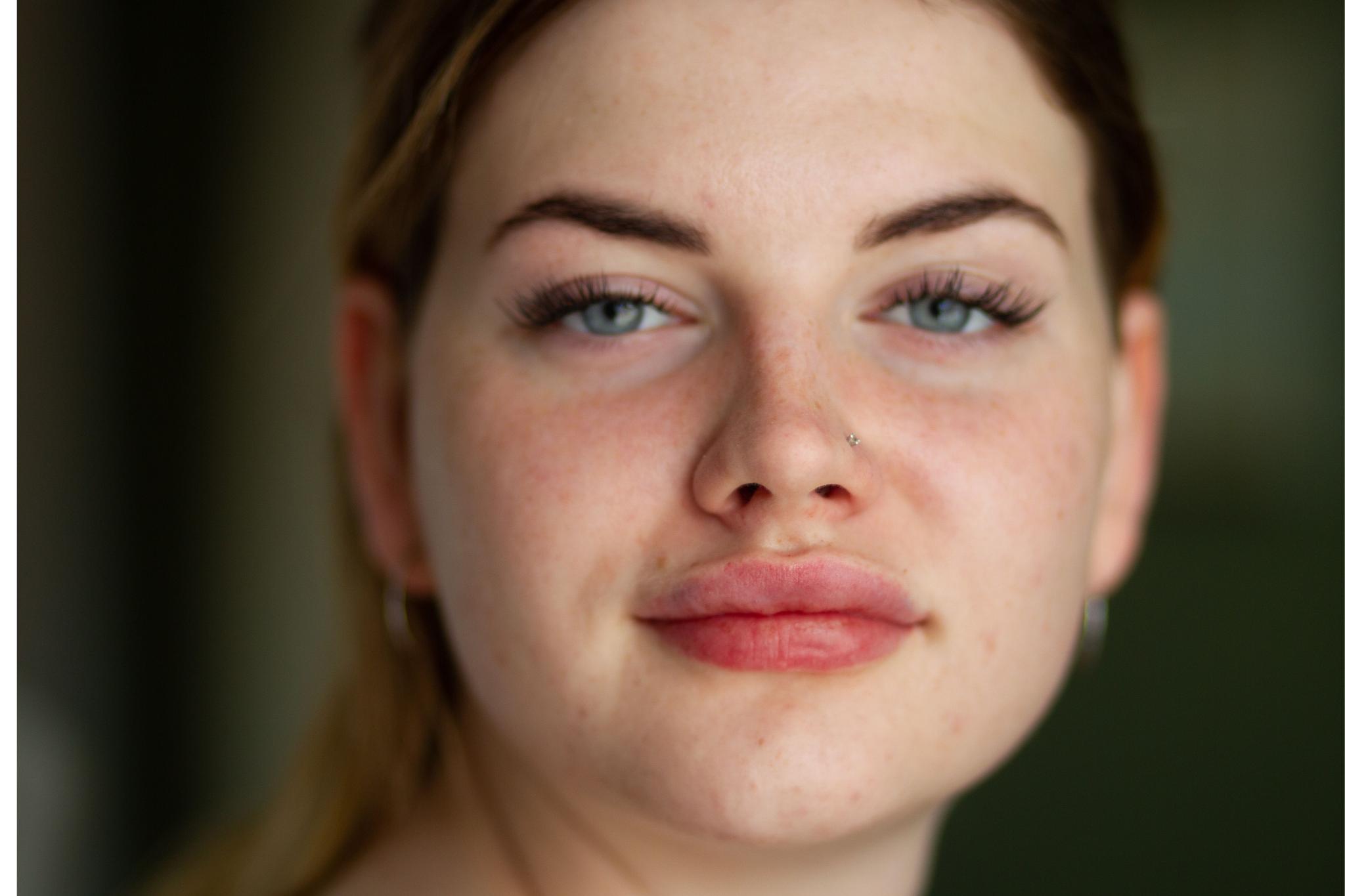
Why can bruising happen after fillers?
A bruise develops when a small blood vessel is damaged during an injection. A small amount of blood then moves into the surrounding tissue and becomes visible beneath the skin.
How noticeable the bruise becomes can depend on several factors, including:
the number and location of injection points
the blood supply in the treated area
the injection technique
whether a needle or cannula is used
your individual tendency to bruise
medicines or supplements that can affect bleeding
Bruising can occur even when treatment has been performed appropriately. Its presence alone does not mean that the filler has been injected incorrectly.
Tell your practitioner about medicines and supplements you use before treatment. Do not stop prescribed blood-thinning medication simply to try to prevent bruising unless the healthcare professional responsible for that medication advises you to do so.
Is bruising after fillers normal?
Yes. Localised bruising can be a normal temporary reaction after a filler injection, particularly when a small blood vessel has been affected.
Typical bruising may include:
blue, purple, red, green, yellow or brown discolouration
mild tenderness or a bruised feeling
colour that changes gradually as the area heals
a bruise that becomes less noticeable with time
mild swelling around the injection area
The amount of bruising varies considerably. One person may develop almost no visible bruising while another may bruise more noticeably after a similar procedure.
Bruising is only one possible reaction after filler treatment. See our separate guide to filler side effects for a broader overview.
How long does bruising after fillers last?
Most filler-related bruising fades over several days and is commonly much less noticeable or resolved within around two weeks.
A small bruise may disappear sooner. A larger or more visible bruise can take longer to settle.
Recovery can vary according to:
the size of the bruise
the treatment area
individual healing
the number of injection points
medicines that affect bleeding or bruising
The important pattern is usually gradual improvement rather than an exact number of days.
Contact the treating clinic if the bruising is not improving as expected, is becoming significantly worse or is accompanied by other concerning symptoms.
Typical stages of bruising after fillers
- 1 Days 1–2: red, blue or purple — A bruise may become more noticeable or darker after the initial treatment.
- 2 Days 3–5: darker discolouration — Some bruises are most visible during the first few days before they begin to fade.
- 3 Days 5–10: changing colour — The bruise may become green, yellow or brown as the trapped blood is broken down.
- 4 Around days 10–14: continuing to fade — Many uncomplicated bruises are considerably less visible by this stage.
Not every bruise follows the same colour sequence or timetable. Some remain small and disappear quickly, while others are more visible for longer.
What matters most is that an uncomplicated bruise should generally move towards improvement. A change in colour on its own can be part of normal healing.
What may help bruising after fillers?
Bruising usually resolves as the body clears the small amount of blood beneath the skin. The main aim during recovery is to avoid unnecessary irritation and follow the individual aftercare instructions provided by the treating practitioner.
Depending on the treatment and your practitioner's advice, this may include:
leaving the treated area alone rather than repeatedly touching it
avoiding unnecessary pressure on the injection sites
using a wrapped cool compress if your practitioner advises this
temporarily avoiding strenuous exercise
avoiding excessive heat while the area is freshly bruised or swollen
following any treatment-specific aftercare you were given
Do not aggressively massage a bruised area unless your practitioner has specifically instructed you to do so.
Arnica and vitamin K products are sometimes used for bruising, but they should not be presented as proven methods for making filler bruises disappear faster. Ask your practitioner before applying a new product to recently treated skin.
What to avoid while filler bruising settles
- 1 Avoid repeatedly pressing, rubbing or checking the bruised area.
- 2 Avoid strenuous exercise for the period advised by your practitioner.
- 3 Avoid excessive heat such as saunas or very hot baths while the area is freshly bruised or swollen.
- 4 Do not massage filler unless you have specifically been told to do so.
- 5 Do not stop prescribed medication simply to reduce bruising without medical advice.
When should you contact your practitioner about bruising?
Contact your treating practitioner promptly if a bruise is becoming more painful or is developing changes that do not fit the pattern of an ordinary healing bruise.
Seek assessment if you notice:
pain that is increasing rather than improving
severe or disproportionate pain
rapidly spreading or unusual discolouration
skin that becomes unusually pale, grey, dusky or mottled
skin that feels noticeably colder than the surrounding area
numbness or another new change in sensation
blistering or deterioration of the skin
symptoms that are becoming worse rather than settling
New visual symptoms following facial filler treatment require urgent medical assessment.
These features do not automatically mean that a serious complication has occurred, but they should not be assumed to be ordinary bruising. You can read more about warning signs on our dedicated page about filler complications.
Bruising or another reaction?
Bruising
A bruise is blood beneath the skin after a small blood vessel has been affected. It usually changes colour over time and gradually becomes less visible.
Swelling
Swelling is a temporary increase in volume around the treated area and is different from bruising, although both can occur together after injections.
For more detail, see swelling after fillers.
Persistent blue-grey discolouration
Not every blue or grey mark after filler is a bruise. A persistent blue-grey appearance that does not evolve like a normal bruise should be assessed by the treating practitioner.
Concerning skin changes
Increasing pain, pallor, mottled or dusky skin, cold skin, altered sensation or deterioration of the skin should not be treated as ordinary bruising. Contact the practitioner promptly for assessment.
Does the treatment area affect bruising?
Yes. Bruising can be more noticeable in areas where the skin is thin or where there are many small blood vessels, including the lips and under-eye area.
The number and position of injection points also matter. This means two different treatment areas — or two different people receiving treatment in the same area — can have very different amounts of visible bruising.
The amount of bruising alone does not show whether a filler treatment was performed correctly.
Frequently asked questions about bruising after fillers
How long does bruising after fillers last?
Most bruising becomes less noticeable over several days and commonly settles within around two weeks. Larger bruises can remain visible for longer.
Is bruising after fillers normal?
Yes. Localised bruising is a common temporary reaction after injections and can occur when a small blood vessel is affected.
Can a filler bruise look worse before it gets better?
Yes. A bruise can become darker or more visible during the first few days before gradually changing colour and fading.
What helps bruising after fillers?
Follow your practitioner's aftercare instructions, avoid unnecessary pressure on the area and allow it time to heal. A cool compress may be appropriate if your practitioner advises it.
Can I use a cold compress after fillers?
A wrapped cool compress may sometimes be advised for bruising or swelling. Avoid applying ice directly to the skin or pressing firmly on the treated area.
Is bruising more noticeable after lip or under-eye filler?
It can be. The lips have a rich blood supply and the skin beneath the eyes is thin, which can make even a small bruise more visible.
What is the difference between normal bruising and concerning discolouration?
A normal bruise generally changes colour and gradually improves. Increasing pain, pale, grey, dusky or mottled skin, cold skin or altered sensation needs prompt professional assessment.
When should I contact my clinic about bruising?
Contact your clinic if bruising is getting significantly worse rather than better, pain is increasing, unusual skin changes appear or you are concerned about how the area is healing.
What should you compare when choosing a filler clinic?
Bruising cannot be completely ruled out, so it is useful to consider how a practitioner explains expected recovery and what support is available if you have concerns afterwards.
When comparing clinics, look at information such as:
the practitioner's professional background shown on their profile
relevant experience with fillers and the treatment area
how risks and expected recovery are explained during consultation
aftercare arrangements
how the clinic advises you to make contact if something feels wrong
treatment prices
independent client reviews
Practitioner profiles on Injectablesbooking can help you review available professional information and compare providers before deciding whether you want a consultation.
For a more detailed comparison process, see our guide to choosing a filler clinic.
Compare clinics in United Kingdom

- Filler from
- £ 250,00



- Filler from
- £ 250,00


- Filler from
- £ 250,00

- Filler from
- £ 250,00

- Filler from
- £ 250,00

- Filler from
- £ 250,00

- Filler from
- £ 250,00

- Filler from
- £ 250,00