Treat rosacea with Botox | Effect, experiences & cost

Drs. Tom van Eijk
Botulinum toxin type A may reduce persistent facial redness and flushing in some people with rosacea. Small clinical studies are promising, but the evidence is still limited and treatment methods are not yet standardised.
Using BOTOX specifically for rosacea is an off-label use in the UK, meaning rosacea is not one of the product's licensed indications. Treatment should therefore be considered differently from a routine cosmetic Botox treatment.
Research has mainly investigated superficial or intradermal injections for redness and flushing. It does not show that botulinum toxin cures rosacea or reliably treats every rosacea symptom.
What is rosacea?
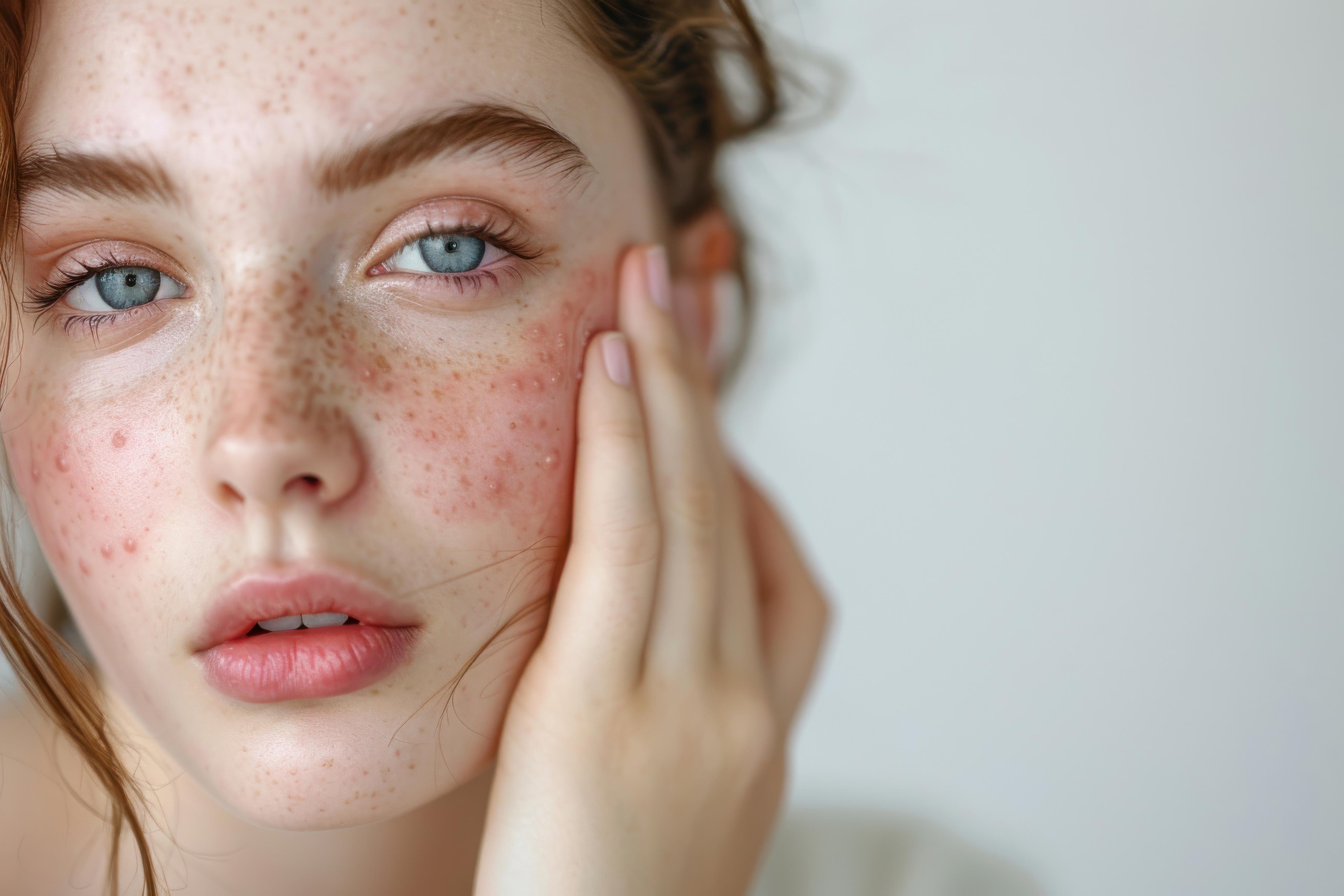
Rosacea is a long-term skin condition that mainly affects the face. It can cause episodes of flushing, persistent redness, burning or stinging, visible small blood vessels and, in some people, spots or inflammatory bumps.
The symptoms vary considerably between individuals. This matters when considering botulinum toxin because the current research does not suggest that it addresses every feature of rosacea.
Botulinum toxin research has focused particularly on persistent facial redness, also called erythema, and facial flushing.
What does the research say about Botox for rosacea?
Research suggests that intradermal botulinum toxin type A may reduce facial redness and flushing in some people with rosacea, but the evidence base remains relatively small.
A 2026 systematic review identified three randomised controlled trials specifically studying botulinum toxin type A in adults with erythematotelangiectatic rosacea. The studies reported improvements in erythema and flushing, but the review also highlighted small participant numbers, short follow-up periods and differences in study design.
A wider review of intradermal botulinum toxin for rosacea-related erythema also found improvements in redness, while noting differences between treatment protocols and the need for further randomised research.
For this reason, Botox for rosacea is better described as an emerging treatment option rather than an established or predictable treatment for everyone with rosacea.
Persistent facial redness
This is one of the main rosacea features investigated in studies of intradermal botulinum toxin. Some participants experienced reduced erythema, but individual response varies.
Facial flushing
Flushing has also been studied. Current evidence suggests botulinum toxin may reduce flushing in some people, but it cannot guarantee that episodes will stop.
Visible blood vessels
Do not assume that reducing redness means visible blood vessels will disappear. Vascular treatments such as laser or IPL have a more established role in persistent erythema and visible vessels.
Spots and other rosacea symptoms
Current Botox research is mainly focused on redness and flushing. It should not be presented as a treatment for every rosacea symptom.
What happens if you are considering Botox for rosacea?
- 1 Rosacea and symptom assessment
- 2 Review of previous and current treatments
- 3 Discussion of the off-label use
- 4 Treatment plan for the affected facial areas
- 5 Superficial injections if treatment is agreed
- 6 Follow-up to assess the response
How does Botox fit alongside other rosacea treatments?
Botulinum toxin is not currently a standard first-line treatment for rosacea in the UK. Established treatment options depend on which symptoms are present.
For example, prescription creams or gels and oral medicines may be considered for some forms of rosacea. For persistent facial redness and visible blood vessels, vascular laser or intense pulsed light (IPL) may also be considered.
Botulinum toxin therefore should not be presented as automatically "better" than laser, IPL or medication. A suitable approach depends on the symptoms being treated, previous treatment response, medical history and the assessment made during consultation.
Risks and practical considerations
Temporary reactions after the injections
Redness, tenderness, swelling or bruising can occur around injection sites. The exact reaction and recovery can differ between individuals.
Unintended facial muscle effects
Botulinum toxin works by affecting nerve signals to muscles. With superficial facial injections, unintended spread or placement can therefore affect nearby facial muscles. Studies of intradermal treatment for rosacea have reported temporary facial muscle effects in some participants.
For a broader explanation of possible problems following botulinum toxin treatment, see Botox treatment complications.
Why is Botox for rosacea off-label?
An off-label treatment uses a licensed medicine in a way that is outside its specific authorised indication. Rosacea is not listed among the current UK therapeutic indications for BOTOX.
Off-label does not automatically mean that a treatment is inappropriate, but the reason for using it, the evidence, alternatives and relevant uncertainty should be discussed during consultation.
When should you seek urgent medical help?
Serious reactions after botulinum toxin are rare. Seek immediate medical help if you develop symptoms such as difficulty breathing, difficulty swallowing, slurred speech or severe drooping of the upper eyelids after treatment.
How long can the effect of Botox for rosacea last?
There is not yet a well-established standard duration for Botox used specifically for rosacea. Published studies generally have relatively short follow-up periods, and treatment techniques are not standardised.
This means the usual duration quoted for cosmetic wrinkle treatment should not automatically be applied to rosacea. Improvement may be temporary, and some people may consider further treatment after reassessment.
For general information about treatment duration in other Botox applications, see how long Botox lasts.
How much does Botox for rosacea cost in the UK?
There is no single price that applies to every Botox-for-rosacea treatment. Cost can depend on the area being treated, the treatment plan, the amount of product required and the clinic or practitioner providing the treatment.
Rosacea may also require a different injection approach from standard anti-wrinkle treatment, so a generic "one Botox area" price should not automatically be treated as the price of rosacea treatment.
You can review broader Botox cost information when comparing clinics, but check whether a clinic lists a specific price for rosacea treatment.
Reviews relevant to Botox and rosacea
I developed rosacea during menopause and as I was getting married this summer I wanted to start treatment in good time with specially targeted treatments and products that weren’t going to make it worse.
As a wedding make up artist myself I tried multiple products that I thought were helpful only to discover that they were making things worse. I am delighted that I found Angela and Toni, both of whom are super knowledgeable about their products and so lovely too. Their calm and friendly approach puts you at ease straight away.
I love my 6 weekly medical grade facials that make me feel relaxed and pampered whilst my face feels super hydrated. I recommend the orchard aesthetics clinic to anyone having issues with their skin as well as all my clients. Keep up the great work ladies 👌 Show less »
What should you ask a practitioner before Botox for rosacea?
Experience with standard anti-wrinkle injections does not automatically mean that someone frequently treats rosacea with botulinum toxin. Ask specifically about their experience assessing facial redness and flushing and using superficial or intradermal botulinum toxin techniques.
Useful questions include:
Which of my rosacea symptoms would the treatment aim to address?
Why are you considering botulinum toxin rather than an established rosacea treatment?
Which botulinum toxin product would be used?
What does off-label use mean in my circumstances?
What unwanted facial muscle effects are possible?
What happens if I do not respond as expected?
What follow-up is available?
For broader provider-comparison guidance, see how to choose a Botox practitioner.
Compare clinics for Botox and rosacea
Not every clinic that provides Botox will necessarily offer botulinum toxin for rosacea. When comparing clinics, check whether rosacea or facial flushing is specifically mentioned and whether the clinic can discuss the off-label nature of the treatment before you decide how to proceed.
Compare the treatment information available for each clinic, ask what the proposed treatment is intended to target and discuss alternatives during consultation.
Choosing not to proceed with treatment remains an option.
Compare clinics in United Kingdom

- Botox from
- £ 180,00




- Botox from
- £ 129,00
- Botox from
- £ 129,00
- Botox from
- £ 129,00
- Botox from
- £ 129,00
- Botox from
- £ 129,00
- Botox from
- £ 129,00
Frequently asked questions about Botox for rosacea
Can Botox help rosacea?
Botulinum toxin type A may reduce facial redness and flushing in some people with rosacea. Small trials have produced promising results, but the evidence remains limited and treatment is not established for every type or symptom of rosacea.
Is Botox for rosacea licensed in the UK?
Rosacea is not a listed therapeutic indication for BOTOX in the current UK product information. Using it specifically for rosacea is therefore an off-label use.
Which rosacea symptoms has Botox been studied for?
Research has mainly investigated persistent facial redness and flushing, particularly in erythematotelangiectatic rosacea. It should not be assumed to treat every rosacea symptom.
Does Botox remove visible blood vessels caused by rosacea?
Botulinum toxin should not be presented as a reliable way to remove visible facial blood vessels. Vascular laser and IPL are among the more established procedural approaches used for persistent redness and visible vessels.
How long does Botox for rosacea last?
There is no well-established standard duration specifically for rosacea. Existing studies have relatively short follow-up periods, and results and treatment protocols differ.
What are the risks of Botox for rosacea?
Possible reactions include redness, swelling, bruising and unwanted effects on nearby facial muscles. Rare but serious botulinum toxin complications can also occur, so risks and warning signs should be discussed before treatment.
Is Botox better than laser or IPL for rosacea?
There is not enough evidence to say Botox is generally better. The appropriate approach depends on which rosacea features are being treated, previous treatments, medical circumstances and practitioner assessment.
How much does Botox for rosacea cost in the UK?
Prices vary between clinics and treatment plans. Compare the specific treatment being offered rather than assuming that a standard anti-wrinkle Botox-area price also applies to rosacea treatment.
Is Botox a cure for rosacea?
No. Rosacea is a long-term condition, and botulinum toxin should not be presented as a cure. Research is investigating whether it can temporarily reduce particular symptoms such as redness and flushing.