Masseter Botox treatment

Drs. Tom van Eijk
Masseter Botox uses botulinum toxin to temporarily reduce activity in the masseter muscles at the sides of the jaw. If enlarged or particularly active masseters contribute significantly to the width of your lower face, reducing their activity may gradually make the jaw area appear narrower.
The treatment does not reduce jawbone width or remove facial fat. It may also be considered in selected cases of jaw clenching or teeth grinding, but reducing masseter activity does not treat every cause of bruxism, jaw pain or temporomandibular problems.
A practitioner should assess the muscle itself, your facial anatomy and your treatment goal before deciding whether masseter treatment may be appropriate. For a broader overview, see our guide to Botox treatments.
Compare clinics for masseter Botox
Compare on experience & price Make an appointment immediately
What is masseter Botox?
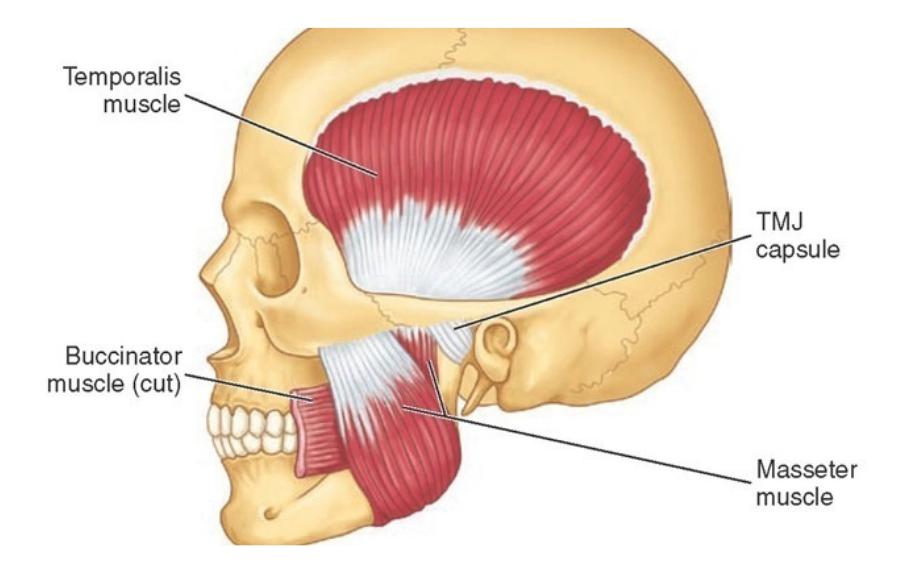
The masseter is one of the main muscles used for chewing. It runs along the side of the jaw and usually becomes easier to feel when you firmly clench your teeth.
During masseter Botox treatment, small injections of botulinum toxin are placed into selected parts of the muscle. This temporarily reduces signals between the nerve and the treated muscle fibres, decreasing muscle activity.
In someone with prominent masseter muscles — sometimes called masseter hypertrophy — repeated muscle activity can contribute to a broader lower-face contour. As activity reduces, the treated muscle may gradually become less prominent.
Muscle relaxation and visible jaw slimming are not the same result. Changes in muscle activity can occur before any noticeable reduction in lower-face width.
Although “Botox” is commonly used as a search term, Botox is a brand name. Clinics may use different authorised botulinum toxin products, and their units should not automatically be treated as interchangeable.
Is masseter Botox off-label in the UK?
Yes. Using botulinum toxin in the masseter for cosmetic jaw slimming or for bruxism is outside the usual authorised cosmetic indications of botulinum toxin products such as Botox in the UK.
This is known as off-label use. Off-label prescribing is not automatically inappropriate, but it means the prescriber should have a clear clinical reason for considering the treatment and should explain the relevant limitations, possible benefits, risks and alternatives.
Botulinum toxin is also a prescription-only medicine in the UK. Whether treatment is prescribed should therefore follow an appropriate clinical assessment rather than being decided purely from photographs, a requested number of units or an advertised treatment package.
Does a wide jaw always come from large masseter muscles?
No. Lower-face width can come from muscle, bone, fat, skin and other soft tissues. Masseter Botox acts on muscle activity, so identifying what actually creates the width matters before treatment is considered.
Prominent masseter muscles
A large or highly active masseter can become more noticeable when you clench your jaw. If the muscle is an important contributor to lower-face width, reducing its activity may gradually reduce its prominence.
Jawbone structure
Botulinum toxin does not make the jawbone narrower. If the shape of your lower face is mainly determined by bone structure, masseter treatment may create little visible change.
Facial fat and soft tissue
Masseter Botox does not remove facial fat or directly reduce other soft-tissue volume.
Skin and lower-face support
Reducing masseter volume does not tighten loose skin. In some people, changing the volume underneath the skin can alter how existing skin laxity appears.
This is why facial shape alone is not enough to determine whether masseter Botox is likely to produce the change you want.
When might masseter Botox be considered?
Masseter Botox may be discussed when the masseter muscles clearly contribute to the concern or treatment goal. A selfie or face shape alone cannot reliably show whether the muscle is the main factor.
During an assessment, a practitioner may consider:
the size of each masseter at rest;
how strongly each side contracts when you clench;
differences between the left and right side;
how much muscle contributes compared with bone and other tissues;
whether you report clenching, grinding or related symptoms;
your intended treatment goal;
whether the expected change is realistic;
previous botulinum toxin treatment and how you responded.
Having strong or prominent masseters does not mean that treatment is necessary. The purpose of the consultation is to determine whether reducing masseter activity is relevant to your individual treatment goal.
Masseter Botox for jaw slimming versus jaw clenching
The same muscle may be treated for different reasons. The treatment goal changes what needs to be assessed and what counts as a useful result.
Jaw slimming
If relatively large masseter muscles contribute substantially to the width of the lower face, reducing muscle activity may gradually reduce muscle prominence.
The amount of visible slimming depends on your starting anatomy. If bone or other tissues are the main reason for lower-face width, the cosmetic change may be limited.
Jaw clenching or teeth grinding
Botulinum toxin can reduce the strength and activity of a treated masseter. This may be relevant for selected adults with excessive jaw-muscle activity.
However, teeth grinding and clenching can have several causes. Masseter Botox does not automatically treat the underlying cause, and improvement in one symptom should not be interpreted as treatment of every form of bruxism or temporomandibular disorder.
How does a masseter Botox treatment work?
- 1 Consultation and treatment goal
- 2 Assessment of the masseter muscles
- 3 Comparison of left and right sides
- 4 Individual treatment plan
- 5 Botulinum toxin injections
- 6 Aftercare instructions
- 7 Follow-up assessment if appropriate
When do you see results from masseter Botox?
The effect on muscle activity can become noticeable before the lower face looks visibly different. Jaw slimming depends on the treated masseter gradually becoming less prominent, so cosmetic contour changes generally develop more slowly than the initial muscle-relaxing effect.
You may therefore notice that clenching feels different while seeing little change in facial width at first.
The eventual result depends on factors including your original masseter size, facial structure, treatment plan and individual response. Masseter Botox cannot guarantee a particular face shape or amount of narrowing.
Masseter Botox before and after
Before-and-after photographs can show how another person's lower-face contour changed after treatment, but they cannot predict your own result.
When comparing images, look for similar head position, facial expression, camera distance and lighting. Also check whether photographs were taken at comparable stages after treatment.
Pay particular attention to natural left-right differences. A dramatic change in angle, expression or lighting can make the jaw appear narrower even without treatment.
You can view dedicated masseter Botox before and after examples separately.
How long does masseter Botox last?
Masseter Botox is temporary. The reduction in muscle activity generally lasts for several months, but duration differs between individuals and treatment plans.
Muscle activity returns gradually as the effect of botulinum toxin wears off. Muscle strength and visible masseter size do not necessarily return at exactly the same rate.
A repeat treatment should therefore not be presented as automatically necessary after a fixed interval. A new assessment can establish how much effect remains and whether further treatment is being considered.
For broader information, see how long Botox lasts.
What are the risks and disadvantages of masseter Botox?
Tenderness, swelling or bruising
Temporary tenderness, mild swelling or bruising can occur around injection sites.
Reduced strength when chewing firmly
The masseter is an important chewing muscle. Reducing its activity can temporarily make forceful chewing feel weaker or different.
Left-right asymmetry
The two masseter muscles may differ before treatment and can also respond differently afterwards. This can affect symmetry in the lower face.
A change in your smile
If botulinum toxin affects a nearby muscle involved in facial expression, the smile may temporarily appear different or asymmetrical.
Temporary bulging when clenching
In some cases, one part of the masseter can remain more active than another and become more prominent when the jaw is clenched. Assessment by the treating practitioner can determine what may be contributing.
More facial slimming than intended
A substantial reduction in masseter volume can change lower-face proportions more than expected. Existing skin laxity can also become more noticeable in some people.
Little or no visible cosmetic change
Masseter Botox may create limited jaw-slimming results if muscle contributes only a small proportion of the lower-face width.
When should you seek urgent medical help?
Seek urgent medical assessment if you develop serious difficulty breathing, swallowing or speaking, or unusual widespread muscle weakness after botulinum toxin treatment. These symptoms are uncommon but require prompt assessment.
More general information is available in our guide to Botox complications.
What medical information should you discuss before treatment?
Tell the prescriber about relevant medicines, previous reactions to botulinum toxin and any medical condition that may affect nerves or muscles. An infection, inflammation or skin problem around the proposed injection area should also be discussed before treatment.
You should also tell the practitioner about previous facial or dental procedures that may be relevant to assessing the jaw area.
If you are pregnant, planning pregnancy or breastfeeding, raise this before any cosmetic botulinum toxin treatment. More information is available in our guide to Botox during pregnancy.
The prescriber should determine which parts of your medical history are relevant to treatment.
Aftercare after masseter Botox
Masseter Botox does not usually involve an extensive recovery period, but you should follow the instructions given by your treating clinic.
Avoid pressing, rubbing or massaging the treated area if your practitioner has advised against this. Do not try to alter the result yourself by repeatedly clenching, massaging or manipulating the jaw.
The effect develops gradually. Contact the treating clinic if you develop symptoms that were not explained during your consultation or if you are concerned about the way the area is responding.
For general guidance, see our separate Botox aftercare page.
Masseter Botox for teeth grinding, jaw clenching and TMD
Excessive activity of the jaw muscles can contribute to clenching or grinding in some people. Reducing masseter activity with botulinum toxin may change muscle force and may influence symptoms in selected cases.
However, bruxism is not one single condition with one single cause. Stress, sleep-related factors, dental issues, medication and other factors may be relevant depending on the individual.
Temporomandibular disorders are also broader than masseter-muscle activity. Pain or dysfunction can involve the jaw joint, muscles and other structures, so masseter Botox should not be presented as a universal “TMJ treatment”.
If you have persistent jaw pain, difficulty opening your mouth, damaged teeth or significant problems chewing, an appropriate dental or medical assessment may be more important than choosing an injectable treatment first.
What does masseter Botox cost?
The cost of masseter Botox varies between clinics and individual treatment plans. A single advertised price does not necessarily show what is included or whether the same treatment approach is being compared.
Factors that can affect the quoted cost include:
whether one or both masseters are being treated;
muscle size and activity;
treatment goal;
the botulinum toxin product being used;
the amount required within the individual treatment plan;
whether consultation or follow-up is included.
Be cautious when comparing treatment purely by the advertised number of units. Units from different botulinum toxin products are not automatically equivalent.
For detailed UK pricing information, see our dedicated guide to masseter Botox cost.
Masseter Botox reviews
The whole treatment was incredibly smooth and virtually painless. Dr Negar is extremely knowledgeable, reassuring and thorough, taking the time to explain everything clearly throughout the process so you always know what to expect.
I felt completely at ease in her care and would highly recommend her. Show less »
I've had multiple masseter Botox treatments with Kelsey, and yesterday I had my first microneedling session with R-Marni, Both of them are incredibly professional, knowledgeable, and easy to talk to. They immediately put me at ease, took the time to answer all of my questions, and made the whole experience feel comfortable and reassuring.
One thing I really appreciate is that there is never any pressure to purchase additional treatments. Instead, they provide honest, personalised recommendations based on your skin and what would genuinely benefit you. I found that really refreshing.
Every visit has been a positive experience, and I've always left feeling well looked after and confident that I'm in safe hands. I highly recommend KB Aesthetics London to anyone looking to improve their skin or anyone who values high-quality aesthetic treatments with a caring and professional team. Show less »
The clinic is welcoming and professional, and Dr Shabri takes the time to explain everything clearly, making you feel completely at ease. I felt genuinely listened to and well taken care of throughout both appointments.
I highly recommend Dr Shabri to anyone looking for expert care in a friendly, professional environment. Show less »
Recently, I went to see her about my lips. I had existing lip filler from a previous clinic that was not looking its best. Dr Amy was brilliant—she clearly explained why the old filler looked the way it did and gave me honest, expert advice. Following her recommendation but under no pressure to do so I chose to have the old filler dissolved. I returned two weeks later to have them re-filled, and both procedures were completely painless.
I am very happy with the results and Dr Amy has an incredible eye for detail. She is professional, highly skilled, and makes you feel completely safe. I cannot recommend her and Muse Medical enough! Show less »
How do you compare masseter Botox clinics and practitioners?
The cheapest treatment or largest advertised number of units does not automatically represent the most appropriate treatment plan.
When comparing providers, look at whether:
your masseter is assessed before treatment;
the left and right sides are assessed separately;
the practitioner explains whether muscle actually contributes to your concern;
your treatment goal and expected limitations are discussed;
the botulinum toxin product being used is clearly identified;
you are told what is included in the quoted price;
aftercare and follow-up arrangements are explained;
the clinic has a clear process for managing unexpected effects;
the practitioner's professional background, training and relevant masseter experience are clear.
Professional registration and job title can provide useful context when verified, but they do not by themselves show how much experience somebody has treating the masseter.
For more comparison criteria, see our guide to choosing a Botox practitioner.
Compare clinics in United Kingdom


- Face slimming from
- £ 260,00


- Face slimming from
- £ 380,00
- Face slimming from
- £ 295,00
- Face slimming from
- £ 325,00

- Face slimming from
- £ 250,00
Frequently asked questions about masseter Botox
What is masseter Botox?
Masseter Botox uses botulinum toxin to temporarily reduce activity in the masseter muscles at the sides of the jaw. If enlarged masseters contribute significantly to lower-face width, the muscles may gradually become less prominent.
Can masseter Botox make your face look slimmer?
It may make the lower face appear narrower when prominent masseter muscles are an important cause of the width. It does not reduce jawbone size or remove facial fat.
How do I know whether my masseter muscles are large?
Face shape alone is not enough to tell. A practitioner can assess the masseters at rest and while you clench, while also considering jawbone, fat, skin and other tissues.
When do you see masseter Botox results?
Changes in muscle activity may be noticeable before changes in facial contour. Visible reduction in masseter prominence develops more gradually because the muscle needs time to reduce in volume.
How long does masseter Botox last?
The effect is temporary and usually lasts for several months, although duration varies between individuals, products and treatment plans.
What are the disadvantages of masseter Botox?
Possible disadvantages include tenderness, bruising, reduced strength when chewing firmly, asymmetry, smile changes, unwanted facial slimming and little visible benefit if muscle is not the main cause of jaw width.
Can masseter Botox change your smile?
It can in some cases if the effect of botulinum toxin reaches a nearby muscle involved in facial expression. Anatomy, injection placement and the treatment plan can influence this risk.
Can you chew normally after masseter Botox?
Many everyday activities may remain possible, but the treatment intentionally reduces activity in a chewing muscle. Some people notice less strength or a different sensation when chewing firm foods.
Does masseter Botox help teeth grinding?
It may reduce masseter-muscle activity in selected people with clenching or grinding, but it does not treat every cause of bruxism and should not be presented as a universal solution.
Is masseter Botox the same as TMJ treatment?
No. The masseter is one part of the jaw system. Temporomandibular disorders can involve muscles, joints and other structures, so reducing masseter activity does not treat every cause of jaw-joint pain or dysfunction.
Is masseter Botox licensed for jaw slimming in the UK?
Using botulinum toxin in the masseter for cosmetic jaw slimming is an off-label use in the UK. The prescriber should explain why treatment is being considered and discuss relevant risks, limitations and alternatives.
How much does masseter Botox cost?
Cost varies between clinics and individual treatment plans. Factors include muscle size, whether one or both sides are treated, the product used, the treatment plan and what the clinic includes in its quoted price.