Wrinkles Around Eyes: What Causes Them, How Are They Treated, and What Results Can You Expect?
Wrinkles around the eyes are a common sign of aging, often caused by facial expressions, sun exposure, and natural collagen loss. This article explains why they appear, available treatments, and how to achieve safe, natural-looking results.
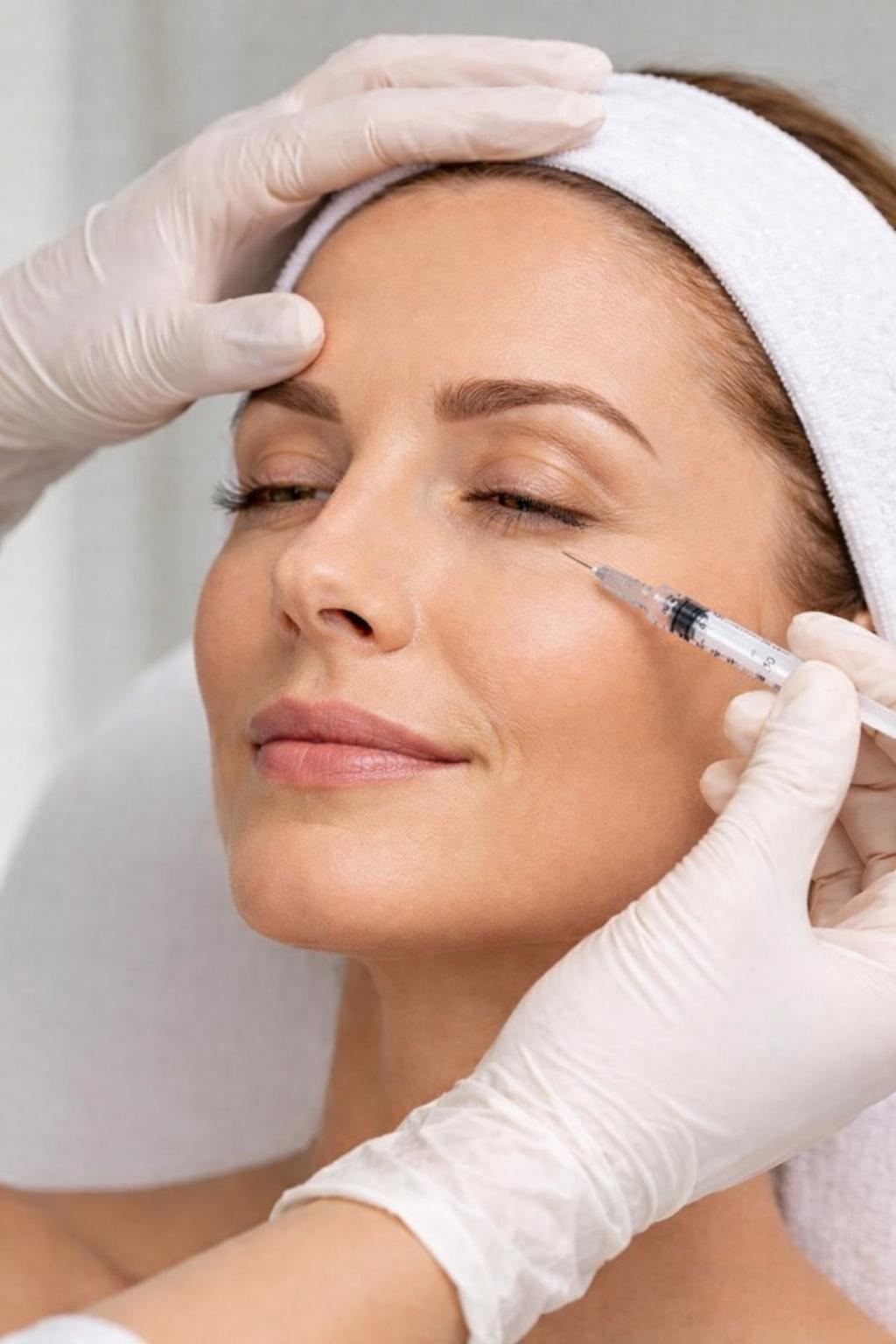
What Are Wrinkles Around the Eyes?
Wrinkles around the eyes, also known as crow’s feet, are fine lines appearing at the outer corners and sometimes under the eyes. These lines develop as the skin loses elasticity and collagen. Wrinkles can also form by the eyes or below them, especially when smiling or squinting.
Causes of Eye Wrinkles
Multiple factors contribute to wrinkles around the eyes, ranging from natural aging to lifestyle habits. Understanding the causes helps in selecting the right treatment approach.
Aging and Collagen Loss
Sun Exposure
Facial Expressions
Lifestyle and Genetics
Compare clinics in United Kingdom
- Botox zone from
- £ 225,00
- Filler per ml from
- £ 365,00
- Profhilo per 2 ml from
- -

- Botox zone from
- £ 180,00
- Filler per ml from
- £ 250,00
- Profhilo per 2 ml from
- £ 300,00



- Botox zone from
- £ 300,00
- Filler per ml from
- £ 450,00
- Profhilo per 2 ml from
- £ 400,00


- Botox zone from
- £ 129,00
- Filler per ml from
- £ 250,00
- Profhilo per 2 ml from
- £ 195,00
- Botox zone from
- £ 135,00
- Filler per ml from
- £ 210,00
- Profhilo per 2 ml from
- £ 325,00

- Botox zone from
- £ 129,00
- Filler per ml from
- £ 250,00
- Profhilo per 2 ml from
- £ 195,00

- Botox zone from
- £ 129,00
- Filler per ml from
- £ 250,00
- Profhilo per 2 ml from
- £ 195,00

- Botox zone from
- £ 129,00
- Filler per ml from
- £ 250,00
- Profhilo per 2 ml from
- £ 195,00
Symptoms and Features
Eye wrinkles are among the earliest visible signs of skin ageing due to the thin, delicate nature of the skin around the eyes and its constant movement. They develop gradually and may vary in depth, location, and appearance depending on factors such as facial expression, skin quality, and environmental exposure.
Fine lines and shallow creases around the eyes
Crow’s feet at the outer corners, often more visible when smiling
Under-eye wrinkles and crinkling of the skin
Crepey or thin skin texture with reduced elasticity
Dynamic wrinkles that appear with facial movement
Static wrinkles visible even at rest
Are There Risks or Complications?
There can be risks and potential complications associated with treatments for wrinkles around the eyes, as this area is particularly delicate and anatomically complex. While most procedures are well tolerated when performed by a qualified medical professional, outcomes depend on the treatment type, technique, and individual factors.
Temporary redness, swelling, or bruising
Mild discomfort or tenderness at the treatment site
Dryness or increased sensitivity of the under-eye area
Asymmetry or uneven results
Overcorrection or unnatural appearance if excessive product is used
Rare complications such as vascular injury or prolonged swelling
Cosmetic specialists in United Kingdom

- Botox zone from
- £ 225,00
- Filler per ml from
- £ 365,00

- Botox zone from
- £ 180,00
- Filler per ml from
- £ 250,00

- Botox zone from
- £ 225,00
- Filler per ml from
- £ 365,00

- Botox zone from
- £ 225,00
- Filler per ml from
- £ 365,00

- Botox zone from
- £ 225,00
- Filler per ml from
- £ 365,00

- Botox zone from
- £ 300,00
- Filler per ml from
- £ 450,00

- Botox zone from
- £ 129,00
- Filler per ml from
- £ 250,00

- Botox zone from
- £ 129,00
- Filler per ml from
- £ 250,00
Treatment Options Compared
Botox® | Dermal Fillers |
|---|---|
Pros: Smooths dynamic wrinkles, quick results (3–7 days), lasts 3–6 months | Pros: Restores volume under eyes, immediate results, lasts 6–12 months |
Cons: Temporary, requires repeat sessions | Cons: Minor bruising or swelling, not for dynamic lines alone |
Realistic Results
Results from eye wrinkle treatments can be noticeable but vary depending on the type of treatment, skin quality, and individual ageing patterns. While no procedure can completely stop the natural ageing process, many treatments can significantly reduce the appearance of lines and improve skin texture for a refreshed, more youthful look.
Smoother, softened fine lines around the eyes
Reduced appearance of crow’s feet and under-eye wrinkles
Improved skin hydration and elasticity in the treated area
Results typically visible within days to a few weeks, depending on treatment
Effects may last several months, with maintenance sessions recommended
Natural-looking outcomes that enhance the overall eye area without overcorrection
Risks & Side Effects
Treatments for eye wrinkles are generally safe when performed by qualified medical professionals, but the delicate nature of the eye area means some risks and side effects can occur. Most are temporary and resolve within a few days, but awareness and proper aftercare are important.
Temporary redness, swelling, or bruising at the injection or treatment site
Mild discomfort, tenderness, or itching
Dryness or increased sensitivity of the under-eye skin
Uneven results or asymmetry if the product or technique is not applied correctly
Overcorrection leading to unnatural appearance
Rare complications such as infection, prolonged swelling, or vascular injury
Safety Considerations for Wrinkle Treatments Around the Eyes
The eye area is one of the most delicate and anatomically complex regions of the face, with thin skin, sensitive muscles, and fine blood vessels. Treatments designed to decrease wrinkles around the eyes should only be carried out after a face-to-face consultation with a qualified medical professional to ensure safety, suitability, and natural-looking results.
Treatment is performed by a medically qualified, licensed, and insured practitioner
A full medical consultation and facial assessment are completed prior to treatment
Individual suitability, risks, limitations, and alternative treatment options are clearly explained
Appropriate techniques are used to minimise the risk of complications in the peri-orbital area
All UK advertising, prescribing, and clinical safety regulations are strictly followed
This approach helps ensure that wrinkle treatments around the eyes are delivered safely, responsibly, and in line with current medical and regulatory standards.
Why Practitioner Verification Matters
Verified practitioners ensure that your treatment is performed safely and legally. Always check registration with UK medical boards such as the GMC, NMC (Nursing and Midwifery Council), or HCPC (Health and Care Professions Council) before booking.
Check GMC, NMC, or HCPC registration before booking.
FAQ
Can wrinkles under eyes be completely removed?
No treatment permanently removes all wrinkles, but Botox, fillers, and skin boosters can significantly reduce their appearance.
Are treatments painful?
Most involve minimal discomfort; topical anesthetics or ice can reduce pain.
How long do results last?
Botox lasts 3–6 months, fillers 6–12 months, and skin boosters 4–6 months depending on skin type and lifestyle.
Is there downtime?
Minimal downtime; most patients return to daily activities immediately.
Are treatments safe for all adults?
Generally yes, but a medical consultation is essential to confirm suitability.