What Age Can You Start Rejuran?

Drs. Tom van Eijk
What age can you have Rejuran? There is no single best age to start Rejuran. Whether treatment may be appropriate depends more on your skin concern, treatment area, medical history and expectations than on reaching a particular birthday.
Someone in their 20s may investigate Rejuran for a specific concern, while someone in their 40s, 50s or later may consider it for different skin-quality changes. Being younger does not automatically mean you should start treatment preventively, and being older does not automatically make you unsuitable.
Rejuran is a polynucleotide-based injectable treatment intended to support skin quality rather than add the type of structural volume associated with traditional dermal fillers. If you are new to the treatment, start with our guide to Rejuran.
A consultation should establish what you want to improve, whether Rejuran is relevant to that concern and what it can realistically achieve. Choosing not to have treatment is also a valid outcome of that discussion.
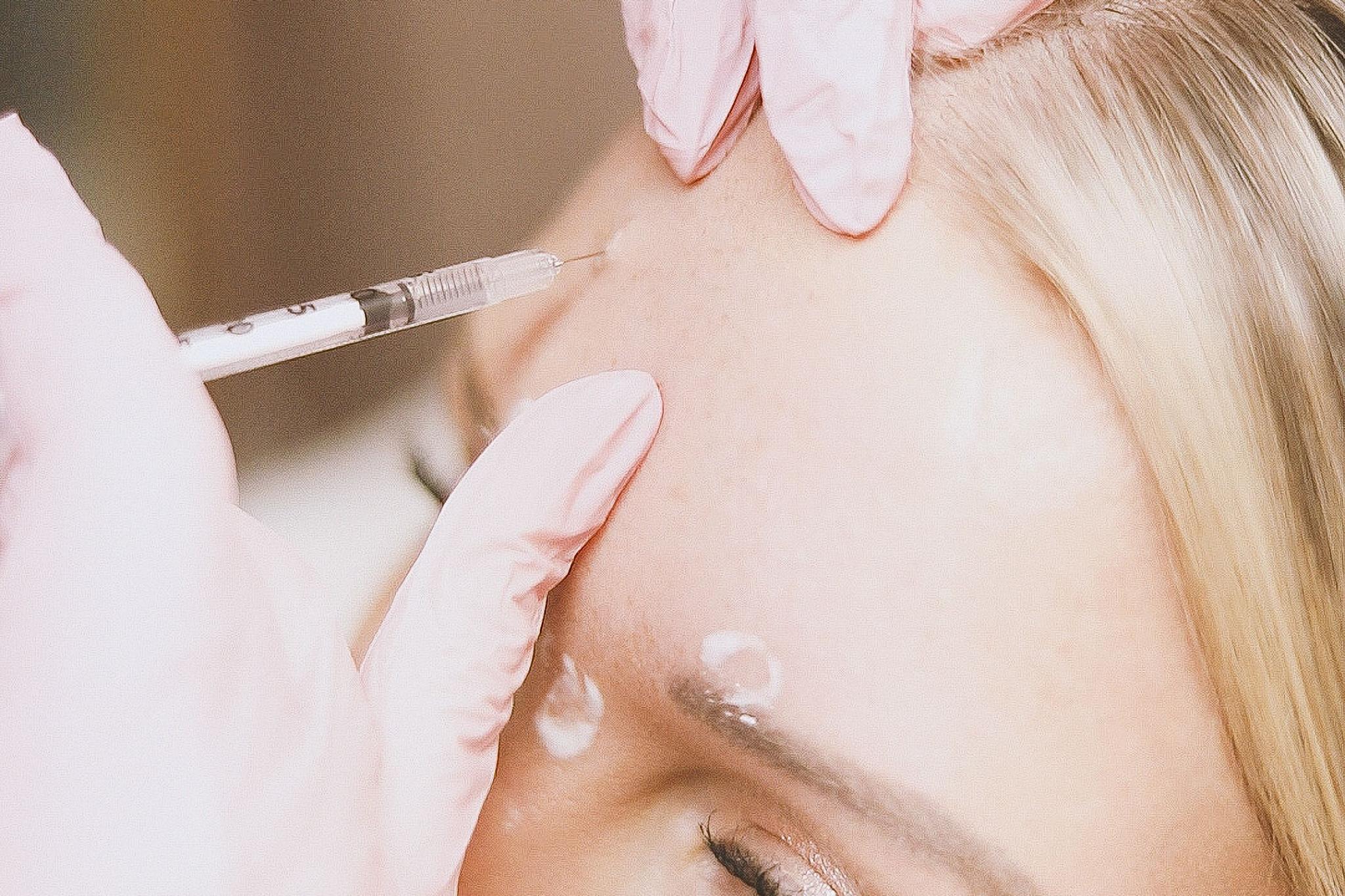
Find a Rejuran clinic near you
Compare on experience & price Make an appointment immediately
Is there a best age to start Rejuran?
No. There is no established evidence-based age at which everyone should start Rejuran.
Some adults first become interested in polynucleotide treatments when they notice changes such as fine lines, altered skin texture or reduced skin elasticity. Others investigate treatment because of a specific concern rather than age-related changes.
This distinction matters. A person's chronological age does not tell a practitioner:
what is causing the concern;
whether Rejuran is the most relevant option;
how much improvement may be realistic;
whether treatment is medically appropriate.
Claims that everyone should begin Rejuran in their mid-20s to “prevent ageing” are therefore too simplistic. Normal ageing does not create an automatic need for cosmetic treatment.
What matters more than your age?
- 1 The skin concern you want assessed
- 2 The area you are considering treating
- 3 Your medical history and current health
- 4 What result you expect from treatment
- 5 Whether Rejuran can realistically address that goal
What determines whether Rejuran may be appropriate?
Age is only one part of the assessment. A practitioner should first understand what you are trying to change and whether that concern matches the purpose of the treatment.
Your skin concern
Someone concerned mainly about fine surface lines has a different treatment goal from someone concerned about structural volume loss, pigmentation or acne scarring. Rejuran should not be presented as one treatment for every age-related change.
If your main concern is early lines or changes in skin texture, see the dedicated guide to Rejuran for fine lines.
Your treatment area
Skin thickness, anatomy and treatment goals vary between areas of the face. Your age alone therefore cannot determine how the treatment should be planned.
Your health and medical history
A consultation should include relevant medical history, medicines, allergies and other factors that may affect whether treatment can go ahead.
Your expectations
Rejuran is primarily discussed as a skin-quality treatment. It should not be expected to produce the same type of structural correction as a filler, surgery or another procedure designed for a different problem.
How might the reason for considering Rejuran change with age?
People at different ages may investigate Rejuran for different reasons, but these are examples rather than treatment recommendations.
Adults in their 20s and 30s
Some younger adults investigate Rejuran because of specific concerns such as fine lines, skin texture or acne scarring. Treatment should not be presented as something everyone should start simply because they have reached their mid-20s.
Adults in their 30s and 40s
Changes in skin texture, elasticity or visible fine lines may become more noticeable for some people during this period. Others may have few concerns at the same age.
The relevant question remains whether Rejuran is suited to the specific concern, rather than whether the person has entered a particular decade.
Adults in their 50s and later
Older adults can also investigate Rejuran, but age does not guarantee that it will address the change they are concerned about. Skin-quality treatments cannot necessarily correct significant structural volume loss, tissue descent or every type of deeper wrinkle.
A practitioner should therefore identify which part of the concern relates to skin quality and which parts may fall outside the realistic scope of Rejuran.
Is there a maximum age for Rejuran?
There is no universal evidence-based maximum age that automatically makes someone too old for Rejuran.
What matters is whether the treatment is medically appropriate and whether its intended effect matches the concern being assessed. An older adult whose main concern relates to skin quality may have a very different assessment from someone whose main concern is significant structural volume loss or tissue descent.
This is important because Rejuran and dermal fillers are not interchangeable treatments. If you are comparing their roles, see Rejuran vs fillers.
A consultation should be realistic about what a skin-quality treatment may improve and what it is unlikely to change.
Does starting Rejuran younger give better results?
There is not enough high-quality evidence to say that starting Rejuran at a younger age reliably gives better long-term cosmetic results.
Polynucleotide treatments are being studied for effects on skin quality and tissue remodelling, but the available clinical evidence does not establish a universal preventive treatment age or prove that everyone benefits from starting early.
This means terms such as “preventative Rejuran” need context. A younger adult may have an individual reason for considering treatment, but treatment should not be recommended merely to stop normal ageing before visible concerns develop.
For a closer look at what the evidence does and does not show, see our guide to Rejuran and collagen stimulation.
Age and Rejuran suitability
Can someone under 18 have Rejuran?
Rejuran should not be treated as a routine cosmetic treatment for children. Rules governing cosmetic injectable procedures are not identical across every UK nation, and the legal position may also depend on how a specific treatment or product is classified.
If age is close to a legal threshold, the clinic should confirm the current requirements that apply where the treatment would take place.
Does being older make Rejuran unsafe?
Older age by itself does not establish whether treatment is safe or appropriate. Health, medical history, medicines, skin condition and the planned treatment should all be considered during consultation.
Does your age decide which Rejuran product is used?
No. Age alone should not determine the product or treatment plan. The practitioner should consider the treatment area, concern, product characteristics and individual assessment.
Can age predict how well Rejuran will work?
Not reliably. People of the same age can have different skin characteristics, health factors and treatment goals. Results also vary between individuals.
What should a Rejuran consultation assess?
A useful consultation should focus on why you are considering treatment rather than simply asking how old you are.
The practitioner should be able to explain:
what they believe is contributing to the concern;
whether Rejuran is relevant to that concern;
what changes may reasonably be expected;
what the treatment is unlikely to achieve;
possible side effects and risks;
what aftercare and follow-up are available.
Age can contribute to this assessment, but it should not replace it.
If you are comparing providers, our guide to choosing a Rejuran practitioner explains useful questions to ask before deciding whether to proceed.
Compare clinics offering Rejuran
If you are considering Rejuran, compare the information available for different clinics before deciding whether to request a consultation.
Useful points to compare include location, available practitioners, treatment information, published prices where available, reviews and the clinic's approach to consultation and aftercare.
A clinic should be able to discuss whether your actual concern, rather than your age alone, provides a reasonable basis for considering treatment.
Compare clinics in United Kingdom

- Rejuran from
- £ 295,00








Frequently asked questions about Rejuran and age
Is there a best age to start Rejuran?
No universal best age has been established. Suitability depends more on the concern being treated, your medical history, treatment area and expectations than on reaching a particular age.
Am I too young for Rejuran in my 20s?
Being in your 20s does not automatically make Rejuran appropriate or inappropriate. A practitioner should first establish whether there is a specific concern that the treatment may reasonably address.
Can you have Rejuran in your 40s or 50s?
Potentially. Age alone does not determine suitability. The more important question is whether Rejuran matches the skin concern and whether the expected result is realistic.
Is there a maximum age for Rejuran?
There is no universal evidence-based maximum age. Individual health, medical history, skin condition and treatment goals should be assessed before treatment.
Does Rejuran work better if you start younger?
There is not enough evidence to say that starting younger reliably produces better long-term results. Younger age should not be used on its own as a reason for preventative treatment.
Does age decide which Rejuran product I need?
No. Product selection should be based on the treatment area, the concern being addressed, product characteristics and the practitioner's assessment rather than age alone.
Is Rejuran only for age-related skin changes?
No. Some people investigate Rejuran for concerns that are not primarily caused by age, such as certain texture concerns or acne scarring. Those indications require their own assessment.
Should everyone start Rejuran before wrinkles appear?
No. Cosmetic treatment is optional, and there is no established age at which everyone should begin Rejuran to prevent future skin ageing.