What Are the Most Effective Ways to Decrease Wrinkles Around the Eyes?
Wrinkles around the eyes are often one of the first visible signs of skin ageing. Because the skin in this area is thinner and more delicate, fine lines can develop earlier than in other parts of the face. This article explains how to decrease wrinkles around eyes, including why they form, which treatment options exist, and what results can realistically be expected.
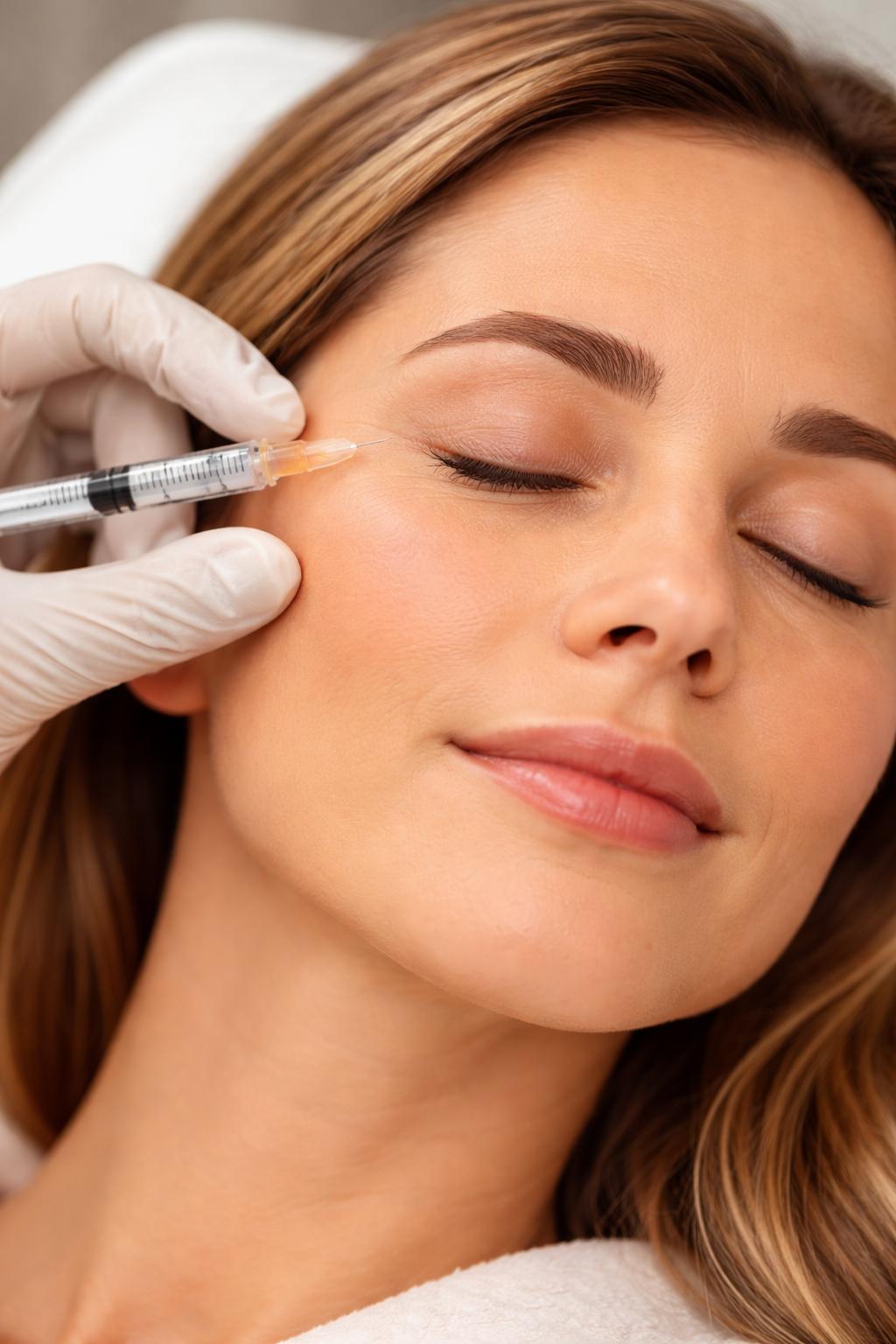
What Are Wrinkles Around the Eyes?
Wrinkles around the eyes include fine lines under the eyes, creases at the outer corners (often called crow’s feet), and texture changes in the lower eyelid area. These lines develop gradually as the skin loses elasticity, collagen, and moisture over time.
Causes of Under Eye and Eye Area Wrinkles
Wrinkles around the eyes usually develop due to a combination of internal ageing processes and external factors. Genetics also play a role in how early and how deeply lines appear.
Natural ageing and collagen decline
UV exposure and sun damage
Facial expressions and muscle activity
Dehydrated or dry skin
Lifestyle habits such as smoking
Compare clinics in United Kingdom
- Botox zone from
- £ 225,00
- Filler per ml from
- £ 365,00
- Profhilo per 2 ml from
- -

- Botox zone from
- £ 180,00
- Filler per ml from
- £ 250,00
- Profhilo per 2 ml from
- £ 300,00



- Botox zone from
- £ 300,00
- Filler per ml from
- £ 450,00
- Profhilo per 2 ml from
- £ 400,00


- Botox zone from
- £ 129,00
- Filler per ml from
- £ 250,00
- Profhilo per 2 ml from
- £ 195,00
- Botox zone from
- £ 135,00
- Filler per ml from
- £ 210,00
- Profhilo per 2 ml from
- £ 325,00

- Botox zone from
- £ 129,00
- Filler per ml from
- £ 250,00
- Profhilo per 2 ml from
- £ 195,00

- Botox zone from
- £ 129,00
- Filler per ml from
- £ 250,00
- Profhilo per 2 ml from
- £ 195,00

- Botox zone from
- £ 129,00
- Filler per ml from
- £ 250,00
- Profhilo per 2 ml from
- £ 195,00
Symptoms and Features
Eye wrinkles can appear differently depending on skin type and age. Some people notice fine lines first, while others develop deeper creases over time.
Fine lines under the eyes
Crow’s feet at the outer eye corners
Creases that become visible when smiling
Makeup settling into lines
Are There Risks or Complications?
Wrinkles themselves are harmless. However, treatments performed incorrectly or without medical oversight may increase the risk of unwanted effects.
Temporary swelling or bruising
Skin irritation
Asymmetry
Unsatisfactory aesthetic results
Cosmetic specialists in United Kingdom

- Botox zone from
- £ 225,00
- Filler per ml from
- £ 365,00

- Botox zone from
- £ 180,00
- Filler per ml from
- £ 250,00

- Botox zone from
- £ 225,00
- Filler per ml from
- £ 365,00

- Botox zone from
- £ 225,00
- Filler per ml from
- £ 365,00

- Botox zone from
- £ 225,00
- Filler per ml from
- £ 365,00

- Botox zone from
- £ 300,00
- Filler per ml from
- £ 450,00

- Botox zone from
- £ 129,00
- Filler per ml from
- £ 250,00

- Botox zone from
- £ 129,00
- Filler per ml from
- £ 250,00
Treatment Options Compared
Medical-gradeskincare | Botulinum toxin |
|---|---|
Pros:
| Pros:
|
Cons:
| Cons:
|
Realistic Results
Most treatments aim to soften the appearance of wrinkles, not remove them entirely. Results depend on the type of treatment, skin condition, and individual response. Maintenance treatments are often required to sustain improvement.
Risks & Side Effects of Wrinkle Treatments Around the Eyes
Treatments aimed at reducing wrinkles around the eyes are generally safe when performed by qualified medical professionals. However, due to the delicate nature of the peri-orbital area, some risks and side effects may occur depending on the treatment type
Common and temporary side effects may include:
Mild swelling or redness at the treatment site
Bruising or tenderness around the eyes
Temporary dryness or tightness of the skin
Slight discomfort during or after treatment
Safety Considerations for Wrinkle Treatments Around the Eyes
The eye area is one of the most delicate and anatomically complex regions of the face, with thin skin, sensitive muscles, and fine blood vessels. Treatments designed to decrease wrinkles around the eyes should only be carried out after a face-to-face consultation with a qualified medical professional to ensure safety, suitability, and natural-looking results.
Treatment is performed by a medically qualified, licensed, and insured practitioner
A full medical consultation and facial assessment are completed prior to treatment
Individual suitability, risks, limitations, and alternative treatment options are clearly explained
Appropriate techniques are used to minimise the risk of complications in the peri-orbital area
All UK advertising, prescribing, and clinical safety regulations are strictly followed
This approach helps ensure that wrinkle treatments around the eyes are delivered safely, responsibly, and in line with current medical and regulatory standards.
Why Practitioner Verification Matters
Verified practitioners ensure that your treatment is performed safely and legally. Always check registration with UK medical boards such as the GMC, NMC (Nursing and Midwifery Council), or HCPC (Health and Care Professions Council) before booking.
Check GMC, NMC, or HCPC registration before booking.
FAQ
How can I decrease wrinkles around eyes naturally?
Sun protection, moisturising, and healthy lifestyle habits may help slow the appearance of wrinkles.
How to decrease under eye wrinkles without surgery?
Non-surgical options include skincare, injectable treatments, and skin-stimulating procedures.
Are eye wrinkle treatments safe?
When performed by regulated medical professionals, treatments are generally considered safe.
How long do results last?
Results are temporary and depend on treatment type and individual response.
When should I seek professional advice?
If wrinkles are a concern or before considering injectable treatments, a consultation is recommended.